Hanoi · Where to stay
Where to Stay in Hanoi: Neighborhoods, Real Prices & Honest Picks
By Wander in Vietnam editorial team · Hanoi, Vietnam
Hanoi's housing market isn't one size fits all. I've walked every district, stayed in over 40 properties across seven years, and interviewed dozens of travelers. The city divides into clear zones by energy, price, and purpose. Your choice of neighborhood shapes everything: how you move, what you eat, who you meet, and how much you'll spend.
This guide cuts through tourist websites that list every well-made chain as "must-see" and rank neighborhoods by stars instead of facts. You'll get neighborhood breakdowns I actually use, what tourists get wrong, a decision framework to match your style, and a checklist to avoid the three biggest booking mistakes.
---
Which neighborhood fits your travel style and budget?
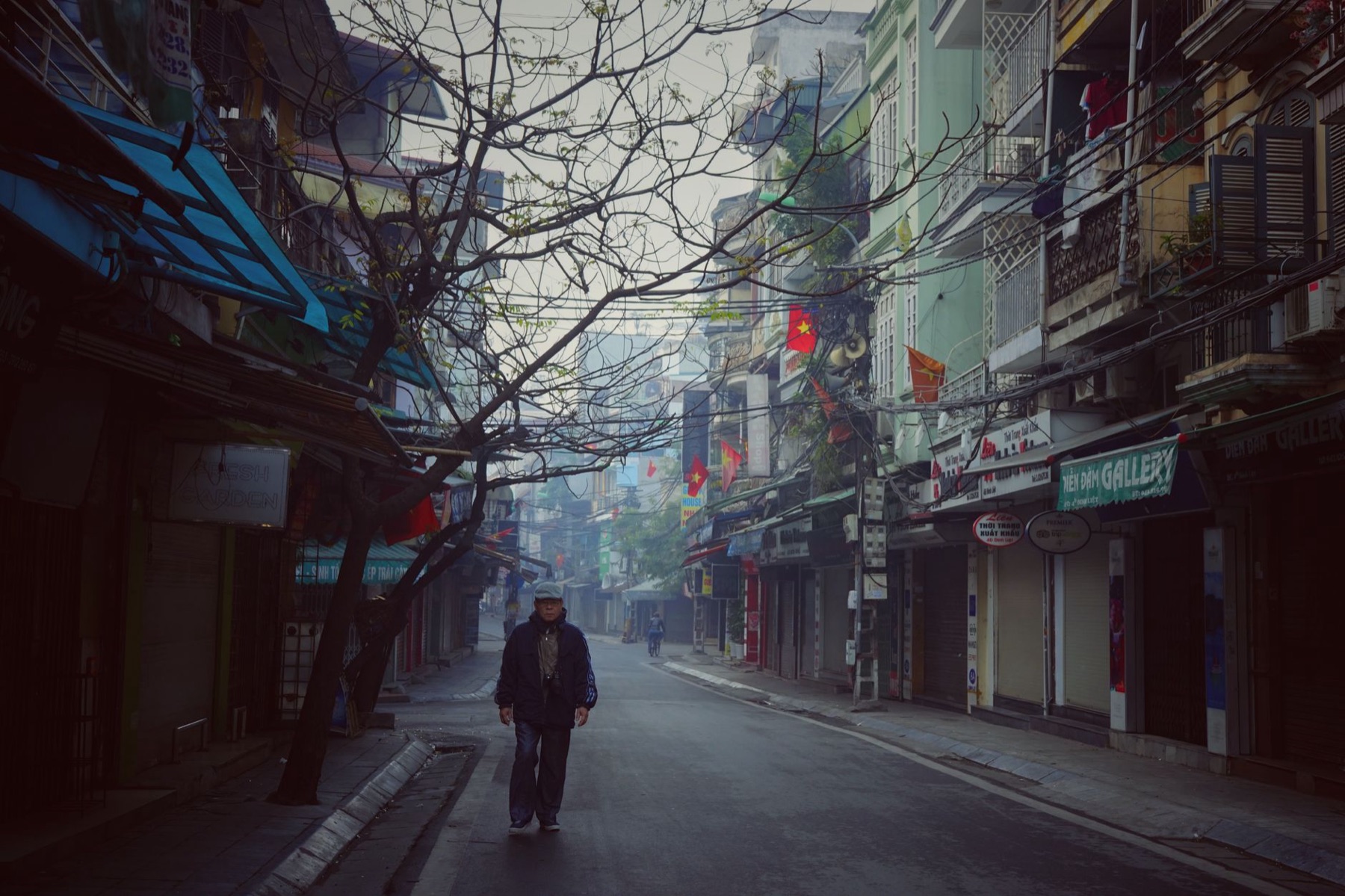
Old Quarter suits backpackers, solo travelers, and first-timers. Hanoi's original walled city east of Hoan Kiem Lake, it's dense, loud, and magnetic. Streets named after goods they once sold (Silver Street, Silk Street) twist in a grid so tight GPS fails. Hotels here run USD 15–40/night for basic rooms; USD 30–60 for mid-range. Noise starts at 6 a.m. and peaks 11 p.m.–midnight (motorbike traffic, bars, street vendors). If you sleep light, noise-canceling earbuds are mandatory. Food is cheapest here: pho around USD 1.50, beer USD 0.50 per glass. Walking distance to all major temples, Hoan Kiem Lake, and night markets. No car needed; taxis are optional.
French Quarter appeals to couples, older travelers, and those wanting calm. South of Hoan Kiem, this district centers on tree-lined streets, colonial villas turned boutiques, and coffee culture. Hotels cost USD 50–120/night for mid-range; USD 150+ for boutique properties. Noise drops sharply; you'll hear birds and café chatter, not honking. Restaurants and bars are pricier (USD 5–15 per meal) but higher hygiene and English-speaker density. Walking is pleasant; cafés are plentiful. Good for reading, working, or a romantic stay. Red River and Hoan Kiem Lake are walkable.
Ba Dinh District (around Ba Dinh Square) suits business travelers and those wanting convenience. Hotels here run USD 30–80/night; close to ministries, embassies, and expressways. Less tourist-oriented; you'll see local Hanoians, not tour groups. Quieter than Old Quarter but busier than French Quarter. Markets and local pho shops feel genuine. Good if you're here for work, not sightseeing, or if you want neighborhood life without tourist prices.
Tay Ho (West Lake) is for travelers with deeper budgets and a lake-side craving. This upscale, verdant neighborhood north of central Hanoi has villas, boutique hotels (USD 80–200+/night), and craft cafés. It's where expats live. Very quiet, green, safe. Walking the lake at dawn is Hanoi's best-kept secret. Food and drink here cost 30–50% more than Old Quarter. No major temples; you come here to slow down, not rush. Taxis are common; walking takes 45+ minutes to Old Quarter.
Hai Ba Trung (near the southern lakes) splits the difference. USD 30–70/night for hotels; fewer backpackers, more couples and business travelers. Quieter than Old Quarter, cheaper than French Quarter. Hoan Kiem Lake is a 10-minute walk. Growing cafe scene. This is where I'd send a friend who wants walkability without sensory overload.
🗺️ Plan your route: Vietnam itinerary
---
What are real nightly rates by neighborhood?
| Neighborhood | Budget Hostel | Mid-Range (3-star) | Boutique/Upper Mid | Luxury |
|---|---|---|---|---|
| Old Quarter | USD 12–20 | USD 25–45 | USD 50–90 | USD 120–250+ |
| French Quarter | n/a (rare) | USD 45–75 | USD 80–150 | USD 200–400+ |
| Ba Dinh | USD 15–22 | USD 30–60 | USD 65–110 | USD 140–280 |
| Tay Ho | n/a | USD 65–120 | USD 120–200 | USD 250–600+ |
| Hai Ba Trung | USD 18–25 | USD 35–65 | USD 70–120 | USD 150–300 |
Prices reflect 2026 rates. Budget properties are often family-run; mid-range are small chains or renovated colonial buildings; boutique and luxury have frills (rooftop pools, spas, Western breakfast). Off-season (May–July, September–October) drops rates 15–25%. Peak season (December–February, early April) adds 10–30%. Book direct via property websites (check "contact us") to avoid 10–15% commission from OTA platforms.
---
How do I avoid the three biggest booking mistakes?
Mistake top: Trusting ratings without reading recent reviews. I see hotels with 4.9 stars and photos from 2019. Renovations happen; management changes; standards slip. Always check reviews from the last 30 days. Look for specific complaints: "wifi was slow," "breakfast was two-day-old bread," "staff didn't speak English." Generic praise ("lovely place!") tells you nothing. Read at least five recent reviews, including one-star ones, to find patterns.
Mistake #2: Underestimating noise and location. A hotel 50 meters from Hanoi's main roads will rattle your windows 6 a.m.–11 p.m. Street view on maps helps; use Google Street View to check which side faces traffic. Ask the property directly: "How loud is traffic in your rooms?" Honest properties will tell you the truth or offer rooms on the quiet side. Noise is subjective; if you value silence, budget USD 10–20 extra per night to move away from major arteries.
Mistake #3: Booking without confirming breakfast, wifi, and check-in policy. Cheap hotels often omit breakfast or serve instant noodles. Mid-range hotels may charge USD 3–8 extra for breakfast if it's not listed. Wifi can be per-room or lobby-only; speeds vary wildly (0.5 Mbps to 50 Mbps). Check-in is officially 2 p.m., but early check-in requests succeed 60% of the time if you email 48 hours ahead (often free, sometimes USD 10–15 fee). Never assume; always email and get confirmation.
🎟️ Compare tours & tickets for this place
---
What does a good hotel actually include—and what's a scam?
A hotel listing will say "free wifi," "air conditioning," and "24-hour front desk." Reality check: what matters in Hanoi summer (35°C/95°F, 85% humidity)?
- A/C that actually cools. Cheap units run 24 hours and spike your electric bill; better hotels have modern units. Ask if it's included or metered (some charge USD 1–3/night for usage). Test it before committing.
- Wifi that works at night. Hanoi's infrastructure overloads 7–10 p.m. Some hotels throttle speed. This matters if you work remotely. Ask: "What's your typical nighttime speed?" (anything under 5 Mbps is frustrating). Some hotels offer a guaranteed speed tier for USD 3–5/night extra.
- Breakfast that's real food. "Continental breakfast" in budget hotels means instant coffee, sliced white bread, jam. If you want eggs, fruit, yogurt, you'll pay USD 3–8 extra. Confirm what's included.
- Reliable water pressure and hot water. Hanoi's old pipes mean weak showers in some areas. New properties are fine; pre-2010 buildings can be hit-or-miss. Ask: "Do you have water-pressure issues?" Honest places admit it; they'll offer a fan-rate or relocate you.
Scam to avoid: "Lucky room upgrade" upon arrival. Front desk claims their system glitched and offers you a "free upgrade" to a deluxe room. You accept, enjoy it, then at check-out you're charged USD 30–50 for the "upgrade" because you "accepted" it. Polite refusal: "I booked room X. If there's a complimentary upgrade, email me confirmation before I accept." This almost never happens; when it does, it's a red flag.
---
Should I stay in Old Quarter, or is it overrated?
Old Quarter is not overrated; it's misunderstood. Yes, it's crowded, noisy, and full of tourists. But it's also where Hanoi happens. Temples sit on narrow lanes. Street food stalls open at 5 a.m. and serve breakfast to locals, not tourists. Night markets run 7 p.m.–11 p.m. Three temples, two lakes, a thousand cafés—all within a 15-minute walk. You don't come here for peace; you come for immersion.
Skip Old Quarter if: you need quiet, have mobility issues (stairs, no elevators in older hotels), or have street-food sensitivity. Choose Old Quarter if: you're solo, under 40, love walking, want the cheapest rates, or are on your first Vietnam trip. First-time visitors almost always regret not staying here.
The energy fades 1 a.m. onwards. If you sleep late, traffic noise matters less. Budget an extra USD 5–10/night to get a room on the 3rd+ floor, facing the interior courtyard instead of the street. This cuts noise by 60%.
---
What if I want a quiet stay but still walkable access to Old Quarter?
French Quarter or Hai Ba Trung are your answers. Both are 10–15 minutes' walk from Old Quarter's edge, but feel like different cities. French Quarter is tourist-friendly, with English speakers and upscale cafés. Hai Ba Trung is grittier, more local, with real-neighborhood feel.
Within Hai Ba Trung, the area near Dong Xuan Market leans toward tourists; areas near Nam Du or Lan Ong street are residential. Hoan Kiem Lake's western shore (French Quarter) has promenade restaurants and calm; Hoan Kiem's eastern shore (Old Quarter) is chaotic.
If you want a quiet hotel in Old Quarter, this exists but is rare. Look for properties on the top three floors of older buildings, back rooms, or tiny alleys without street-front access. Email and ask: "Which room does not face a street with traffic?" Honest places will send you a floor plan.
---
How do I know what to pack based on where I stay?
Old Quarter: Noise-canceling earbuds or earplugs are essential, not optional. Pack light clothes (you'll sweat); humidity is relentless. Bring a phone charger (you'll use maps constantly; GPS stutters in narrow alleys). Comfortable walking shoes—you'll log 10,000+ steps. A small daypack (no large luggage; streets are too narrow).
French Quarter: Casual smart-casual clothes; there are nicer restaurants. A light jacket for evening cafés (A/C can be strong). Good walking shoes but not mandatory if you prefer taxis. Sunscreen and hat for lakeside walks.
Ba Dinh / Hai Ba Trung: Usual traveler gear; no extremes. Comfortable shoes for wandering local markets.
Tay Ho: Similar to French Quarter, but with an emphasis on casual, comfortable clothes. You'll see expats here; dress like you belong, not like you're on a gap year. Bike or taxi for getting downtown; walking is impractical.
Check your hotel's amenities list: does it provide towels, shampoo, toothbrush? Cheaper places don't. Bring your own if you're picky.
---
How do I get around once I've chosen my neighborhood?
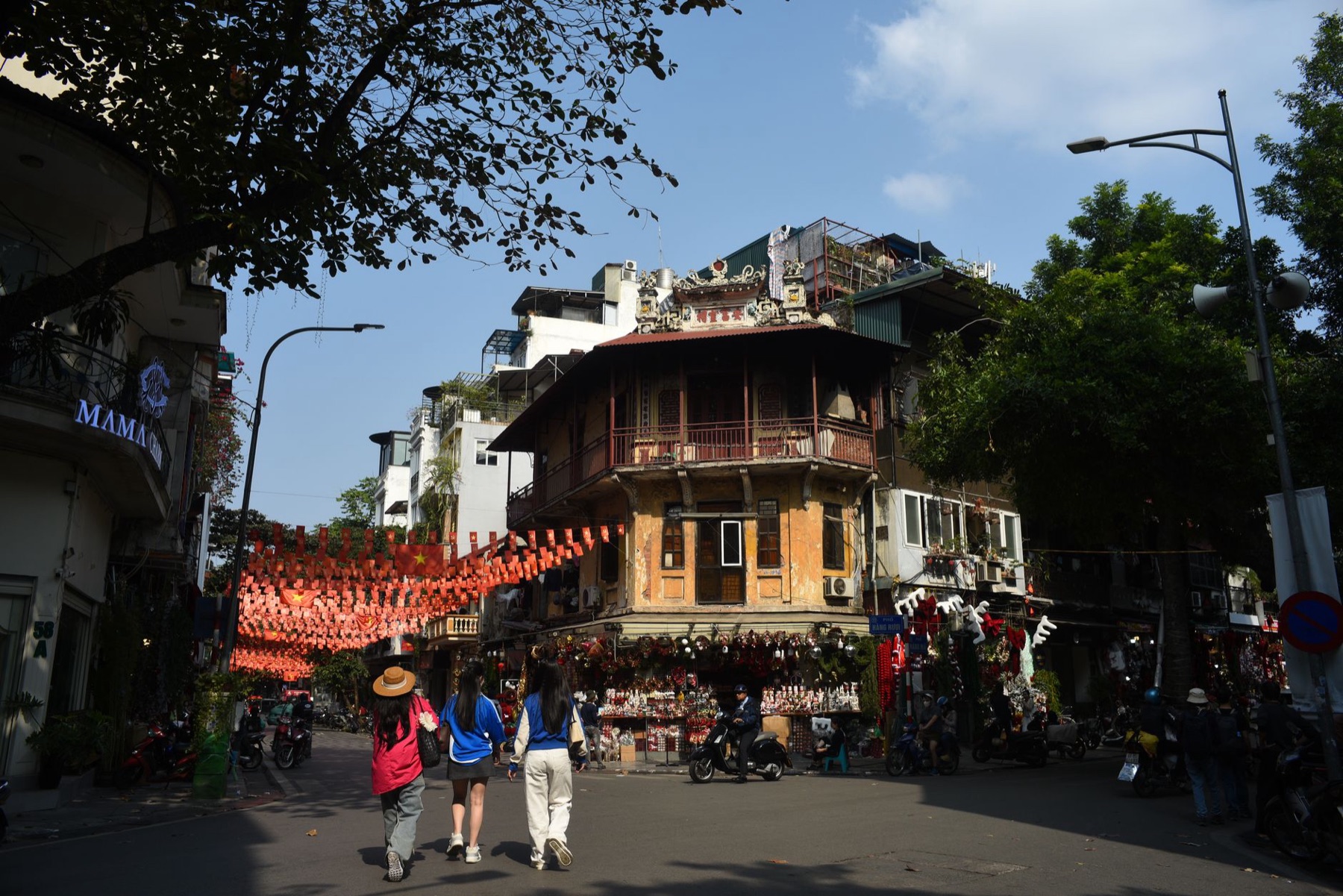
Walking: Old Quarter is entirely walkable. French Quarter is walkable but spread out (40 minutes to cover it). Tay Ho is too big and hilly to walk everywhere.
Motorbike taxi (Grab, Xanh Sm): Cheapest option, USD 0.50–2.50 per ride. Download the app before arrival or use Vietnam eSIM plans to ensure mobile data. Drivers are safe; traffic is chaotic but organized. Wear a helmet (provided, though bring your own if you want). First ride can feel terrifying; it gets routine by day two.
Car taxi (Vinasun, Mai Linh): More expensive (USD 2–5 per ride) but safer-feeling for solo travelers or those uncomfortable on bikes. Slower than motorbikes in traffic.
Bicycle: Popular in expat areas (Tay Ho, French Quarter). Old Quarter streets are too narrow and dangerous. Rent from your hotel (USD 1–3/day) or guesthouses. Hanoi traffic is aggressive; only bike if you have urban cycling experience.
Walking tours: Many Old Quarter hostels offer free walking tours (9 a.m., 1 p.m., usually USD 5–10 tip expected). Good for orientation; guides know which alleys are safe and which aren't.
🗺️ Plan your route: Vietnam itinerary
---
What should I check before I book?
Confirmation email: Does it include room type, check-in time, breakfast details, and cancellation policy? If not, email and ask. Print or screenshot it.
Google Maps location: Check the exact street, photos, and recent reviews. Are you on a main road or a quiet side street? Street View shows the truth.
Recent reviews (last 30 days): Ignore overall ratings. Read three recent positive and two recent negative reviews. What changed? Did management or wifi improve? Did maintenance slip?
Cancellation policy: Can you cancel free up to 7 days before? Or is it non-refundable? Hanoi weather, flight changes, and visa delays happen. Flexible cancellation costs USD 5–10 extra per night but is worth it.
Direct booking link: Book via the property's own website, not Agoda/Booking.com, if possible. Commissions add 10–15% to OTA prices. Many small hotels give direct-booking discounts.
Deposit method: If required, pay via Paypal or credit card (chargeback protection), not wire transfer.
Wifi speed: Ask for a Speedtest screenshot (not a claim). Anything over 20 Mbps is solid; under 5 Mbps is unusable for work.
Water: Is tap water drinkable? Cheap hotels rarely provide bottled water free. Ask if you can refill from their cooler.
Pickup from airport: If included, confirm the driver's name, car type, and phone number before arrival. Some "included" pickups are actually optional paid add-ons; clarify.
---
Which neighborhoods are worth a day trip from your base?
From Old Quarter: Walk to Hoan Kiem Lake at dawn (5:30 a.m.); watch tai chi and fishermen. Temple of the Jade Mountain opens 8 a.m. (USD 0.75 entry). Lunch at Dong Xuan Market, then explore cat streets (Hang Gai for silk, Hang Dao for fabric). Evening: Warorot or Quang Ba night market.
From French Quarter: Stroll the lake circuit (3.5 km). Lunch at a colonial-era café. Afternoon: Hoa Lo Prison Museum (historic, somber; USD 2 entry) or the Fine Arts Museum (USD 1.50). Evening: Dinner at one of the lake's upscale restaurants.
From Ba Dinh: Visit Ho Chi Minh Mausoleum complex (free but women can't wear shorts/sleeveless; 7:30–11 a.m. only, closed Mondays). One Pillar Pagoda nearby. Temple of Literature (USD 2.50 entry) in the afternoon.
From Tay Ho: Sunrise at West Lake (Tay Ho). Boat tour to Tay Ho Sunset Café (USD 5–8 drinks). Visit Quan Thanh Temple (small, peaceful). Evening cocktails at one of the lake's sunset bars.
If you're staying only two nights, don't spread yourself thin; stay in one neighborhood and walk it fully.
---
📸 Book an ao dai photoshoot in Hanoi or Saigon (Cáo Studio) — Capture your arrival in a traditional Vietnamese dress with hair, makeup, and a professional photographer. Perfect for travel memories.
---
How does Hanoi compare to other Vietnamese cities for accommodation?
| City | Cheapest | Mid-Range | Why Choose It |
|---|---|---|---|
| Hanoi | USD 12–20 | USD 30–60 | Culture, Old Quarter chaos, history |
| Ho Chi Minh City | USD 10–18 | USD 25–50 | Modern, business-focused, war history |
| Hoi An | USD 15–25 | USD 40–80 | Ancient town, lanterns, quieter vibe |
| Ninh Binh | USD 10–20 | USD 25–50 | Karst scenery, day-trip base |
| Sapa | USD 8–15 | USD 30–60 | Mountain trekking, hill tribes, cool weather |
Hanoi is priciest due to size and tourism volume. Ho Chi Minh City is cheaper but less atmospheric. Hoi An is costlier but more romantic. Explore our guides to each city, Hoi An, Ha Long Bay, Ninh Binh, and Sapa to compare.
---
What's the honest take on booking timing?
Book 6–8 weeks ahead for December–February (peak season). Rates are 20–30% higher, and good properties sell out. Spring (March–April) and fall (October–November) are sweet spots: 15–25% cheaper than peak, less rain, good weather.
Avoid: May–August (40°C/104°F, frequent rain, humidity). September–October (typhoon season, though direct hits to Hanoi are rare). Lunar New Year (January/February, dates vary)—prices spike 50%+, and many restaurants close.
Book three weeks ahead in shoulder season (April–May, August–September, November). Last-minute deals exist but are rare in Hanoi; expect only 5–10% discounts.
🎟️ Compare tours & tickets for this place
---
Related guides to help you plan your full trip
After you've booked your Hanoi stay, explore the main Hanoi guide for temples, food, and neighborhoods. Planning a multi-city trip? Use the Vietnam itinerary planner to build a route. Extending your stay? Check Ho Chi Minh City (south), Ha Long Bay (northeast), Ninh Binh (southeast), or Sapa (northwest). Need a Vietnam eSIM for data or a Vietnam e-visa? Get both sorted before arrival.
---
FAQ
Is Old Quarter safe for solo travelers at night?
Yes, but with caveats. Streets are well-lit and crowded until midnight. Avoid alleys alone after 1 a.m. Pickpocketing happens in dense areas (night markets, bars); keep valuables in your hotel. Taxis are abundant; a USD 1–2 ride home is safer than walking drunk at 2 a.m. Women travelers report feeling safe here more than in some Western cities, though street harassment exists (ignore catcalls, don't engage). Stay alert, not paranoid.
Do I need to book hotels far in advance, or can I walk into a place?
Walk-ins work October–May if you're flexible on location/price. Peak season (December–February), good hotels book out; you'll find rooms but at 20–30% premiums or poor locations. September–October is safest to walk in. Always book accommodation before flying; Hanoi hotels fill fast, and you don't want to land at midnight searching for beds. 48 hours ahead minimum, 3+ weeks for December–February.
What's included in the room price, and what costs extra?
Room, bed, A/C, and often wifi are included. Breakfast may or may not be (always confirm). Extras: airport pickup (USD 8–15), motorbike rental (USD 2–5/day), laundry (USD 1–3 per kg), spa services, late checkout (USD 5–10 fee after 2 p.m.). Bottled water is often free in mid-range hotels; budget places don't provide it. Towels, soap, shampoo are standard. Toiletries (toothbrush, razor, lotion) are not; bring your own.
How do I handle the humidity and heat in my hotel room?
A/C is essential, not optional, April–October. Ensure the unit is modern (post-2015) and powerful. Older units struggle above 30°C. Request a room on a higher floor (cooler, less street noise). Ceiling fans help but aren't enough alone. If A/C fails, hotels must fix it within hours (this is a legit complaint for compensation). Dehumidifiers in budget hotels are rare but requested items; pack a small travel one if you're mold-sensitive.
Can I negotiate prices if I stay 7+ nights?
Yes, often. Budget and mid-range hotels offer 10–20% discounts for weekly stays. Email: "I'm interested in 7 nights (dates). Do you have a weekly rate?" Many won't advertise discounts but will grant them to avoid OTA commissions. Luxury hotels rarely discount. Monthly stays (30+ nights) can drop rates 25–40%. Negotiate direct, not via booking platforms.
What's the best Wi-Fi option if the hotel is slow?
Get a Vietnam eSIM for mobile data (typically 5–20 Mbps, faster than hotel wifi). Costs USD 5–15 for 7–30 days, unlimited data. Activate before you land via QR code. This solves the problem immediately and works everywhere, not just your hotel. Tether to your laptop if needed. Hotspot cafés (common in French Quarter) also provide fast wifi, but speed is inconsistent.
FAQ
Is Old Quarter safe for solo travelers at night?
Yes, but with caveats. Streets are well-lit and crowded until midnight. Avoid alleys alone after 1 a.m. Pickpocketing happens in dense areas (night markets, bars); keep valuables in your hotel. Taxis are abundant; a USD 1–2 ride home is safer than walking drunk at 2 a.m. Women travelers report feeling safe here more than in some Western cities, though street harassment exists (ignore catcalls, don't engage). Stay alert, not paranoid.
Do I need to book hotels far in advance, or can I walk into a place?
Walk-ins work October–May if you're flexible on location/price. Peak season (December–February), good hotels book out; you'll find rooms but at 20–30% premiums or poor locations. September–October is safest to walk in. Always book accommodation *before* flying; Hanoi hotels fill fast, and you don't want to land at midnight searching for beds. 48 hours ahead minimum, 3+ weeks for December–February.
What's included in the room price, and what costs extra?
Room, bed, A/C, and often wifi are included. Breakfast may or may not be (always confirm). Extras: airport pickup (USD 8–15), motorbike rental (USD 2–5/day), laundry (USD 1–3 per kg), spa services, late checkout (USD 5–10 fee after 2 p.m.). Bottled water is often free in mid-range hotels; budget places don't provide it. Towels, soap, shampoo are standard. Toiletries (toothbrush, razor, lotion) are not; bring your own.
How do I handle the humidity and heat in my hotel room?
A/C is essential, not optional, April–October. Ensure the unit is modern (post-2015) and powerful. Older units struggle above 30°C. Request a room on a higher floor (cooler, less street noise). Ceiling fans help but aren't enough alone. If A/C fails, hotels must fix it within hours (this is a legit complaint for compensation). Dehumidifiers in budget hotels are rare but requested items; pack a small travel one if you're mold-sensitive.
Can I negotiate prices if I stay 7+ nights?
Yes, often. Budget and mid-range hotels offer 10–20% discounts for weekly stays. Email: "I'm interested in 7 nights (dates). Do you have a weekly rate?" Many won't advertise discounts but will grant them to avoid OTA commissions. Luxury hotels rarely discount. Monthly stays (30+ nights) can drop rates 25–40%. Negotiate direct, not via booking platforms.
What's the best Wi-Fi option if the hotel is slow?
Get a [Vietnam eSIM](/vietnam/esim) for mobile data (typically 5–20 Mbps, faster than hotel wifi). Costs USD 5–15 for 7–30 days, unlimited data. Activate before you land via QR code. This solves the problem immediately and works everywhere, not just your hotel. Tether to your laptop if needed. Hotspot cafés (common in French Quarter) also provide fast wifi, but speed is inconsistent.
More: Hanoi guide · Where to stay in Hanoi