Hanoi · Where to stay
Where to Stay in Hanoi Vietnam: Neighborhoods, Budgets & Honest Review
By Wander in Vietnam editorial team · Hanoi, Vietnam
Which Hanoi neighborhood fits your travel style?
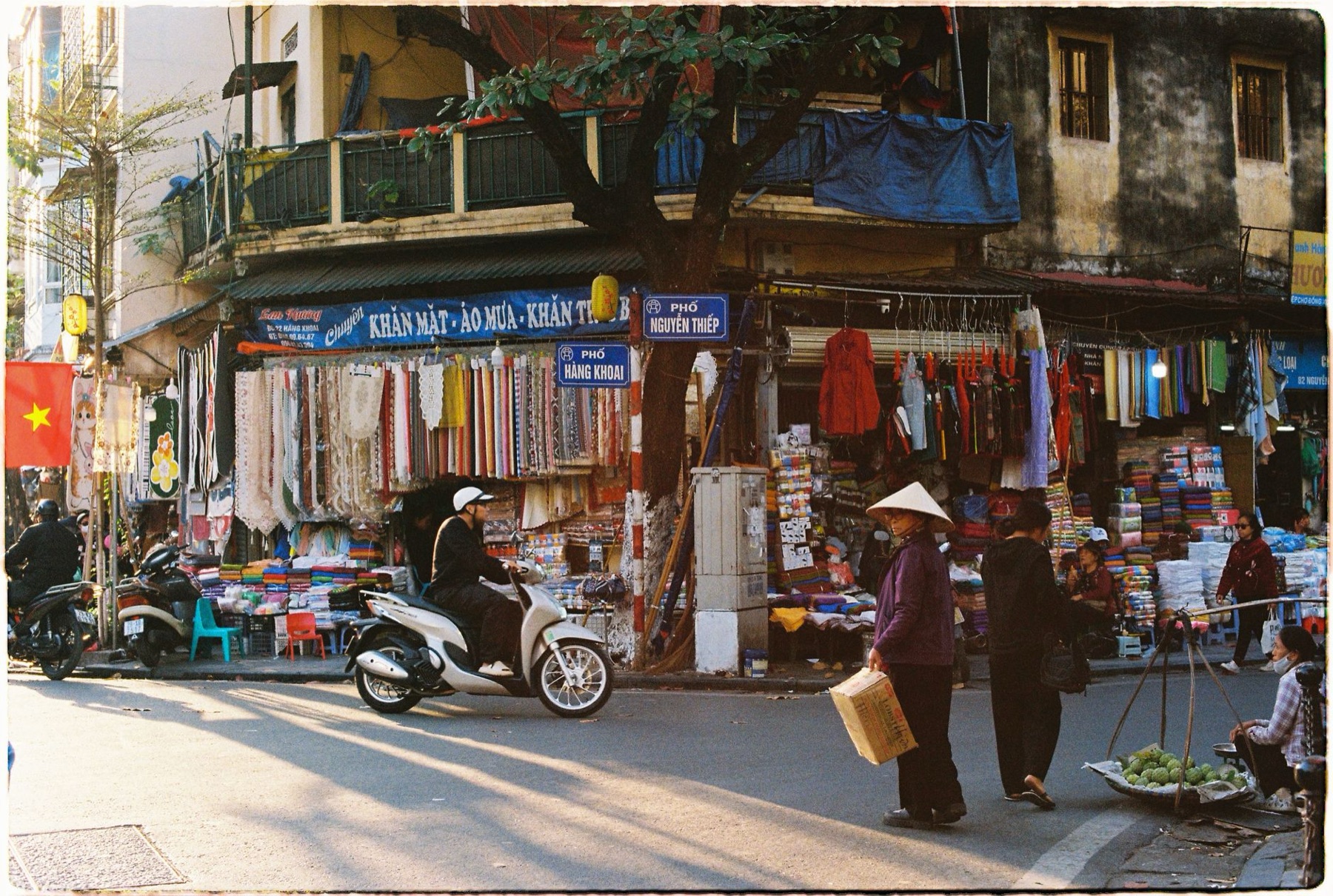
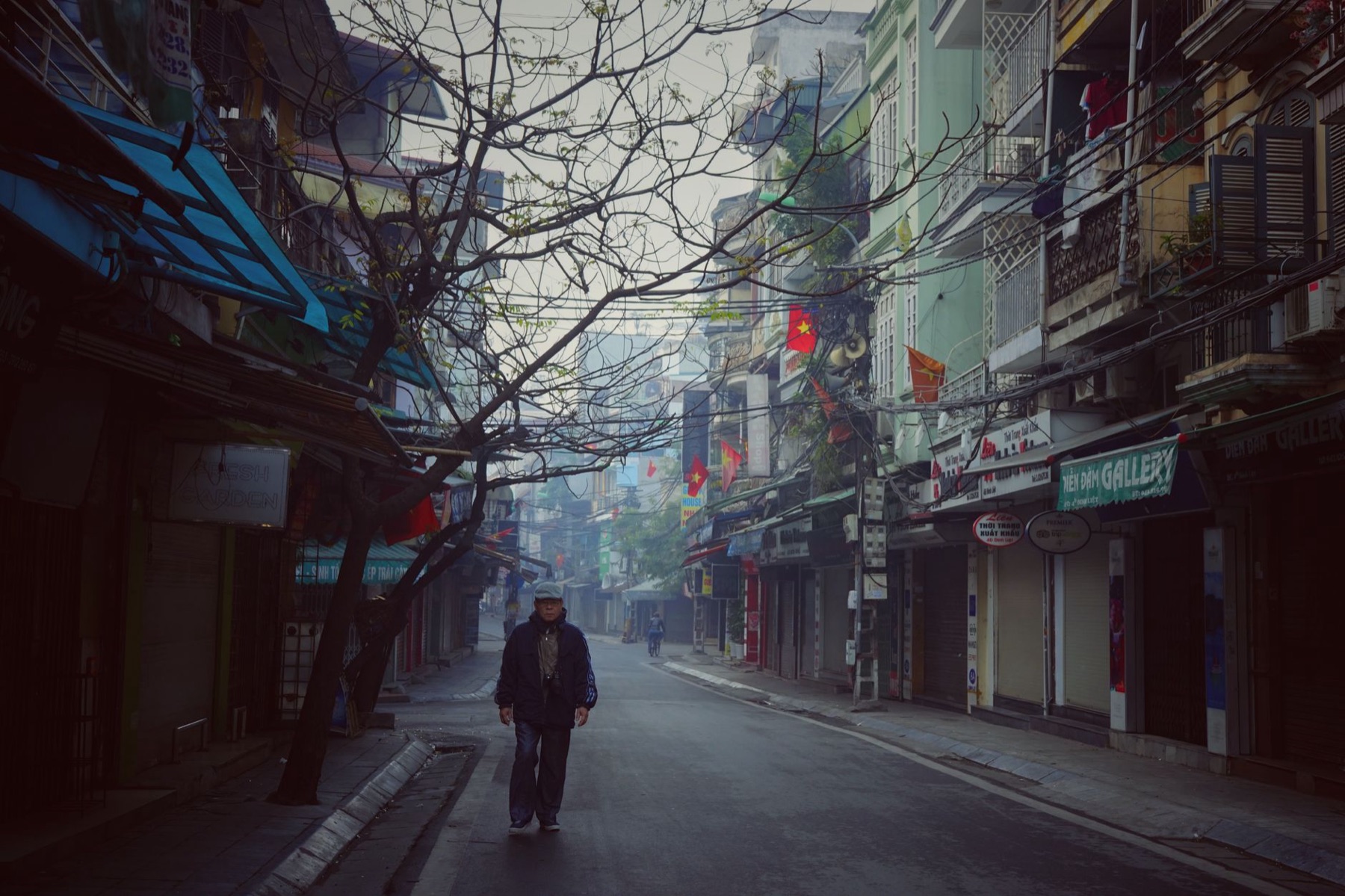
The Old Quarter—centered around Hang Bac and Hang Gai streets—buzzes with hawker stalls, souvenir shops, and 3–4-story tube hotels. You'll hear motorcycles, smell pho boiling at 6 a.m., and meet other backpackers constantly. Stay here if you want constant energy and walking-distance street food.
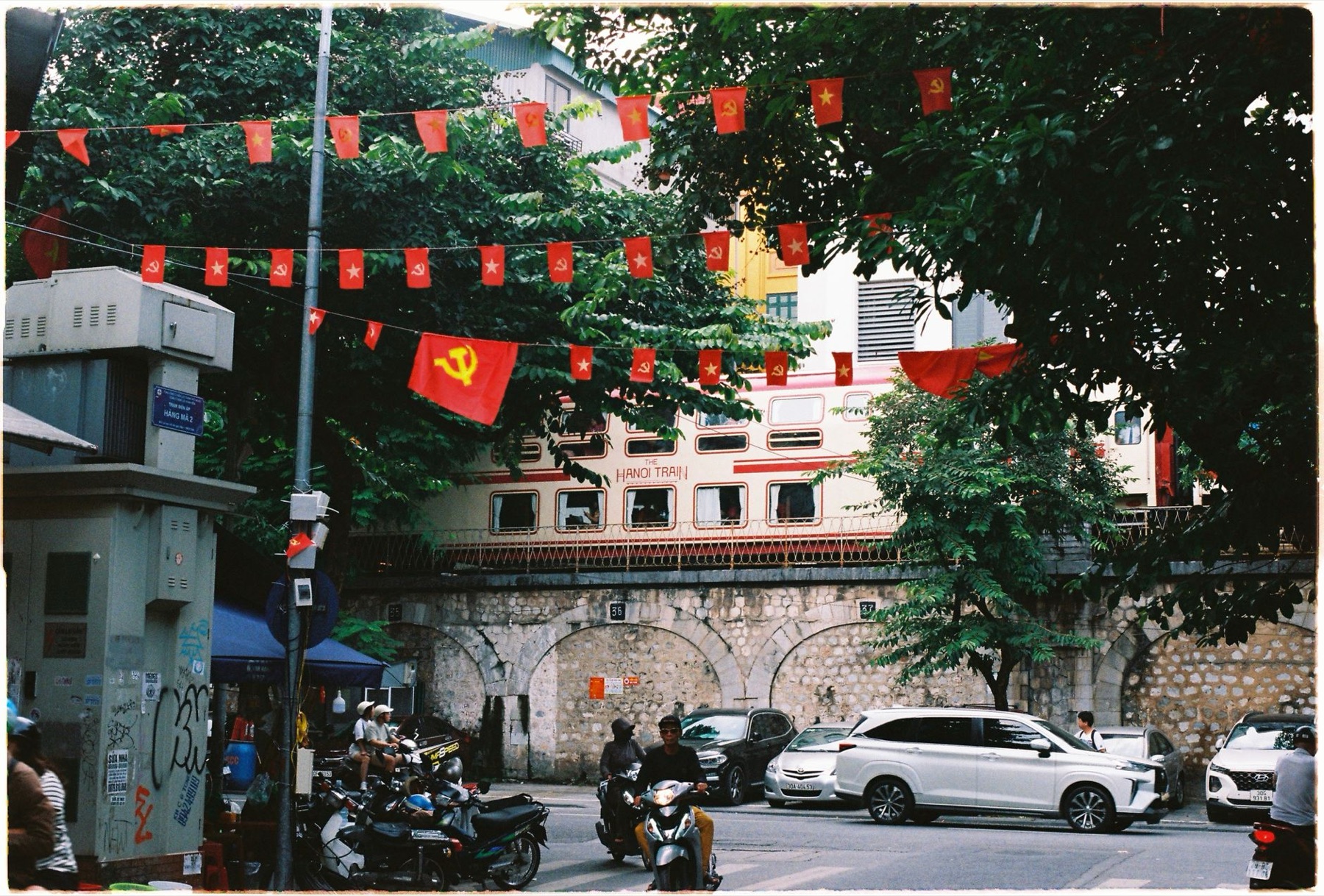
The French Quarter (around Trang Tien, Ly Thai To) feels European: tree-lined boulevards, vintage cafes, colonial-era buildings. Fewer motorbikes, slower pace, higher prices. Choose this for couples, older travelers, or anyone needing quiet evenings.
Tay Ho (west of Hoan Kiem Lake) is where expats and affluent Hanoi locals live. Calm residential streets, good restaurants, cafes with Wi-Fi. Fewer tourists; you'll feel like a resident, not a visitor.
Ba Dinh district (near Ho Chi Minh Mausoleum) suits business travelers and those craving central convenience without Old Quarter chaos.
| Neighborhood | Best for | Noise level | Meal budget (main dish) | Vibe |
|---|---|---|---|---|
| Old Quarter | Backpackers, first-timers | Loud | 30–50k VND (~$1.20–2) | Chaotic, walkable |
| French Quarter | Couples, comfort-seekers | Quiet | 80–150k VND (~$3–6) | Calm, cafes, leafy |
| Tay Ho | Families, expats, long-stayers | Very quiet | 100–200k VND (~$4–8) | Residential, spacious |
| Ba Dinh | Business travelers | Moderate | 60–120k VND (~$2.40–5) | Central, practical |
🗺️ Plan your route: Vietnam itinerary
How much should you spend per night in Hanoi?
Budget dorms in Old Quarter: around $8–15 per person (shared fan rooms, no frills). Mid-range guesthouses with private rooms and A/C: around $25–45. Upper-mid-range hotels in French Quarter: around $60–120. Luxury stays: $150+.
Hostels in Old Quarter often cluster on Ngo Huyen and Hang Dau; many offer free walking tours and cheap beer (20–30k VND / ~$0.80–1.20 per bottle). Book direct or through Booking.com to avoid middlemen. Peak season (October–March) adds 20–30% to quoted rates; book 3–4 weeks ahead.
Mid-range guesthouses scattered throughout Tay Ho and French Quarter rarely hit "influencer" status—they're practical, clean, quiet. Expect consistent Wi-Fi, hot water, English-speaking staff, and zero surprises.
Luxury properties exist but often overprice for what you get. We skip chains and suggest instead: renovated French villas converted to small hotels in French Quarter, or lakeside family-run places in Tay Ho.
What time of year should you visit Hanoi?
October–November (autumn): 20–28°C, clear skies, zero humidity. Perfect. Every hotel books 6–8 weeks ahead.
December–January (winter): 10–15°C, occasional drizzle, quieter. Pack a light jacket. Rates drop 10–15%.
February–March (late winter–spring): 15–20°C, humid, hazy from air pollution in northern China. Acceptable if you're flexible.
April–September (summer): 25–35°C, sticky, frequent rain. Many tourists skip this. You'll find last-minute deals.
Avoid Tet (Lunar New Year, late January–early February): hotels close 3–5 days, prices spike 30–50%, streets are eerily quiet or packed with families. Unless you want to experience Tet itself, travel before mid-January.
📸 Book an ao dai photoshoot in Hanoi or Saigon (Cáo Studio)
What neighborhoods should you skip or reconsider?
Long Bien district (far north, past Red River): industrial, long commute to sights, no tourist infrastructure. Skip unless you have a specific reason.
Thanh Xuan (east suburbs): residential, boring, 20+ minutes by taxi to Old Quarter. Skip unless staying with family.
Hoang Mai (southeast): working-class zone, no tourist appeal. Skip.
Cau Giay (south): trendy for young Hanoians but scattered attractions, fewer cafes with character, and taxis take 15–20 minutes to Old Quarter. Consider only if you're renting an apartment long-term and want peace.
French Quarter caveats: charming but quiet after 9 p.m. No street food nightlife. If you're under 30 and want evening energy, Old Quarter or the lakes area (Tay Ho) suit better.
How to book accommodation without getting scammed or disappointed?
Step 1: Read recent reviews (last 30 days). Filter by "verified guest" and language you read fluently. Ignore well-made gushing and 1-star emotional rants; look for 3–4 stars mentioning specifics.
Step 2: Message the host directly before booking. Ask about noise levels, Wi-Fi speed (actual Mbps?), checkout flexibility, and nearest metro/bus stop. Sketchy hosts won't reply clearly.
Step 3: Confirm the exact address on Google Maps. Type the hotel name and street into Maps. If it's not there or the pin is 500 m away from stated location, reconsider. Old Quarter tube hotels are narrow; photos can lie.
Step 4: Check cancellation policy. Free cancellation up to 7 days before is standard. Non-refundable deals save 10–15% but lock you in.
Step 5: Ask about breakfast. "Continental" often means a tea and a baguette. "Vietnamese" is better (pho, eggs, fruit). Clarify.
Step 6: Book through Booking.com, Agoda, or direct hotel website. Avoid third-party re-sellers; you'll have no recourse if the room isn't ready or conditions differ from photos.
Step 7: Arrive mid-afternoon (2–4 p.m.). Avoids rush and lets you settle before dark.
What to check before you book:
- Is the address actually in the neighborhood you want (Old Quarter vs. edge of Old Quarter = 10-minute walk difference)?
- Does the listing mention noise from street food vendors or motorbikes?
- Are photos recent (check upload dates in listing metadata)?
- Is there a working phone number and email for the hotel, not just a form?
- Does the stated check-in time match your flight arrival?
How do you get around Hanoi once you've checked in?
Grab (app-based taxis): ~25–35k VND (~$1–1.40) for short trips in central districts. Cheaper than taxis, safer than unlicensed cabs, and trackable. Use it.
Buses: cheap (7–13k VND / ~$0.30–0.50) but crowded, slow, and routes are confusing without Vietnamese. Download the Map4U app to see live bus positions.
Motorbike rentals: 100–150k VND per day (~$4–6). Only if you're confident riding in chaos. Helmet mandatory (legally and for sense).
Bicycles: touristy, slow, but fun for Tay Ho and French Quarter. Most guesthouses rent them (50–80k VND / ~$2–3 per day).
Walking: Old Quarter is walkable but labyrinthine. Carry an offline Google Maps screenshot. French Quarter and Tay Ho are walkable and pleasant.
🎟️ Compare tours & tickets for this place
---
Extended planning resources:
- Hanoi guide: what to see, eat, and where to stay
- Ho Chi Minh City guide: neighborhoods & transportation
- Hoi An guide: ancient town and beaches
- Ha Long Bay guide: 2-day cruises and kayaking
- Ninh Binh guide: karst scenery and temples
- Sapa guide: mountain walks and ethnic villages
- Vietnam eSIM: stay connected without SIM cards
- Vietnam e-visa: apply online in 3 days
---
More questions before you book? Check our main Hanoi hotels pillar for detailed district breakdowns, or browse our Vietnam itinerary planner to map your whole trip.
FAQ
Is Old Quarter worth staying in, or is it overrated?
Old Quarter is loud, touristy, and cramped. Book it if you're 18–35, love street food chaos, and want nightlife. Skip if you're over 40, traveling with kids, or need silence. It's not objectively "best"—it depends on noise tolerance.
What's the safest neighborhood for solo female travelers?
French Quarter, Tay Ho, and Ba Dinh are safe, quiet, and well-lit. Old Quarter is safe but crowded and chaotic; solo women report frequent catcalls. Hire Grab instead of walking alone at night anywhere.
Can I negotiate hotel prices directly with the owner?
Yes, if booking direct (phone or walk-in). Offline rates drop 10–20% in low season. Online platform prices are fixed. Always ask: "What's your lowest rate for cash?" Some owners offer discounts for 3+ nights.
Which neighborhood has the best cafes and Instagram spots?
Tay Ho has quiet lake-view cafes; French Quarter has colonial-era coffee shops. Old Quarter is cramped and touristy for photos. Cau Giay (south) has trendy specialty-coffee spots but requires 20-minute taxi rides.
Is January a good time to visit Hanoi?
Early January (before Tet, ~mid-January) is perfect: cool, clear, fewer tourists than Oct–Nov. Late January–early February (Tet holiday) is chaotic; hotels close, prices spike, and streets are either packed or empty. Avoid unless celebrating Tet itself.
Should I book accommodation before arriving, or find it on arrival?
Book October–March at least 2–3 weeks ahead (peak season fills fast). April–September, you can arrive and book same-day (rates are low). Last-minute bookings miss the best value and selection. Use Booking.com app to search while on your flight.
FAQ
Is Old Quarter worth staying in, or is it overrated?
Old Quarter is loud, touristy, and cramped. Book it if you're 18–35, love street food chaos, and want nightlife. Skip if you're over 40, traveling with kids, or need silence. It's not objectively "best"—it depends on noise tolerance.
What's the safest neighborhood for solo female travelers?
French Quarter, Tay Ho, and Ba Dinh are safe, quiet, and well-lit. Old Quarter is safe but crowded and chaotic; solo women report frequent catcalls. Hire Grab instead of walking alone at night anywhere.
Can I negotiate hotel prices directly with the owner?
Yes, if booking direct (phone or walk-in). Offline rates drop 10–20% in low season. Online platform prices are fixed. Always ask: "What's your lowest rate for cash?" Some owners offer discounts for 3+ nights.
Which neighborhood has the best cafes and Instagram spots?
Tay Ho has quiet lake-view cafes; French Quarter has colonial-era coffee shops. Old Quarter is cramped and touristy for photos. Cau Giay (south) has trendy specialty-coffee spots but requires 20-minute taxi rides.
Is January a good time to visit Hanoi?
Early January (before Tet, ~mid-January) is perfect: cool, clear, fewer tourists than Oct–Nov. Late January–early February (Tet holiday) is chaotic; hotels close, prices spike, and streets are either packed or empty. Avoid unless celebrating Tet itself.
Should I book accommodation before arriving, or find it on arrival?
Book October–March at least 2–3 weeks ahead (peak season fills fast). April–September, you can arrive and book same-day (rates are low). Last-minute bookings miss the best value and selection. Use Booking.com app to search while on your flight.
More: Hanoi guide · Where to stay in Hanoi