Ho Chi Minh City · Where to stay
Where to Stay in Ho Chi Minh City District 1: Honest Guide
By Wander in Vietnam editorial team · Hanoi, Vietnam
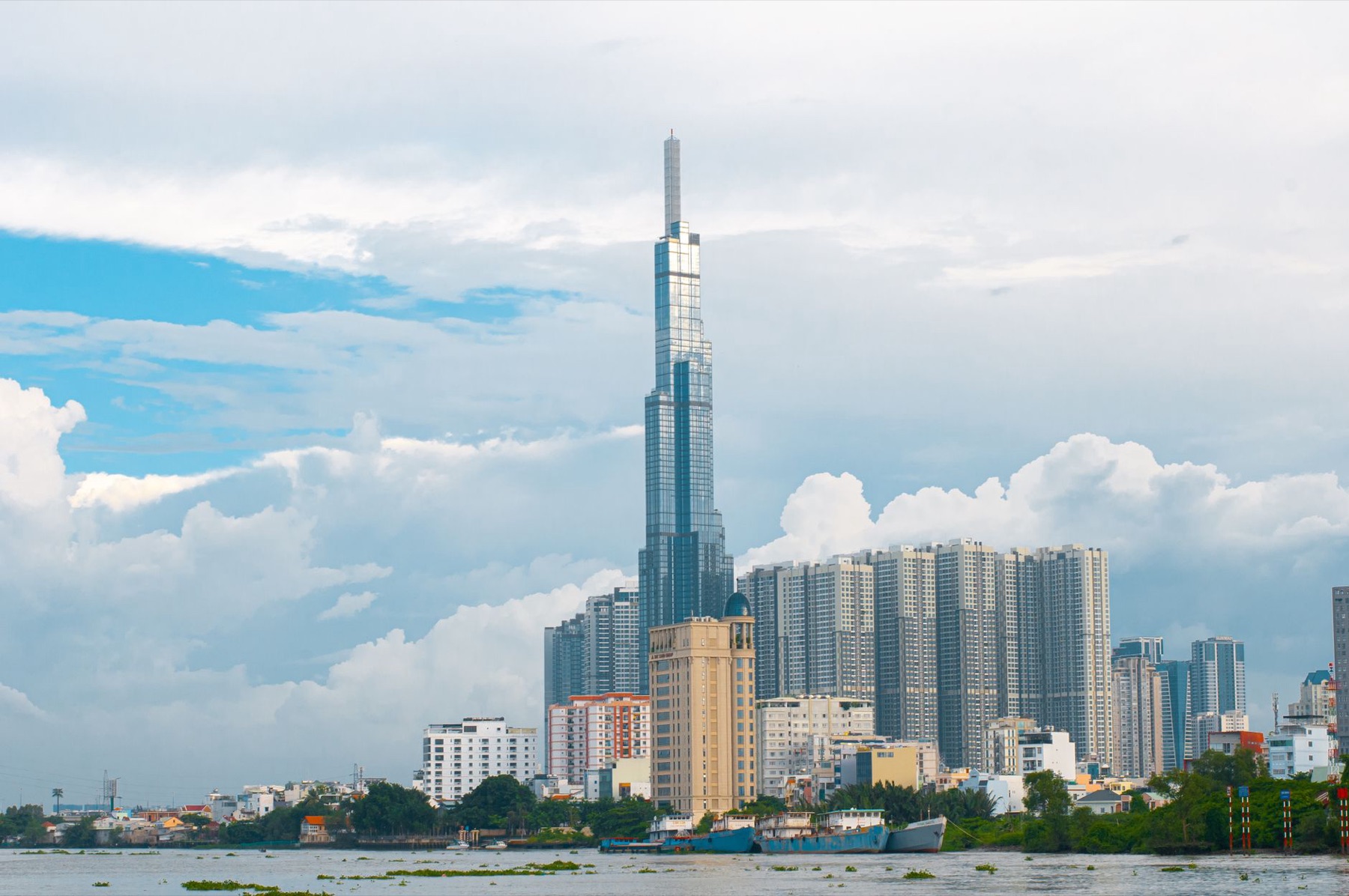
District 1 is Ho Chi Minh City's central hub for tourists. Saigon Centre, Ben Thanh Market, and Nguyen Hue Walking Street anchor the district. Budget hostels cluster around Pham Ngu Lao (around $8–15 USD); mid-range hotels near Ben Thanh and Landmark 81 run $25–60 USD; luxury properties on Dong Khoi Street start $80 USD and up. Choosing where to stay depends on your travel style, budget, and what you plan to do each day.
We've mapped the real breakdown so you can avoid overpaying, noisy streets you didn't expect, and tourist traps. Here's what we see on the ground.
Which neighbourhood in District 1 fits your budget?
Pham Ngu Lao Street and the surrounding lanes (Bui Vien, De Tham) are backpacker strongholds. Dorm beds run around $8–12 USD; private rooms $15–25 USD. Hotels on Dong Khoi (the CBD spine running from Ben Thanh north) and around Nguyen Hue Walking Street cost $40–100+ USD per night. The sweet spot for mid-range travellers: streets between Nguyen Trai and Le Duan, where $30–50 USD gets you a solid 3-star room with breakfast.
📸 Book an ao dai photoshoot in Hanoi or Saigon (Cáo Studio)
What's the noise and party factor in each zone?
Bui Vien Street roars until 2–3 a.m. on weekends. Bars pump live music, and tuk-tuk drivers shout. If you value sleep, skip it. Pham Ngu Lao is quieter by day but buzzes evenings. Ben Thanh Market area is loud during market hours (6 a.m.–6 p.m.) but calms after dark. Dong Khoi and Landmark 81 surroundings are relatively quiet; fewer bars, more office workers. Choose Pham Ngu Lao for social backpackers; Dong Khoi for business travellers and families.
| Neighbourhood | Vibe | Budget | Best For | Noise Level |
|---|---|---|---|---|
| Pham Ngu Lao | Backpacker hub | $8–25 USD | Solo travellers, nightlife | High evenings |
| Ben Thanh | Mixed tourist/local | $20–50 USD | Shopping, markets, day trips | Medium (market hours) |
| Dong Khoi | Premium, quieter | $60–150+ USD | Business, couples, upscale dining | Low |
| Nguyen Hue area | Walking street, events | $30–70 USD | Culture, evening strolls | Medium–high evenings |
| District 1 fringe (Nguyen Trai) | Blend of both | $25–45 USD | Work, balance, local cafés | Low–medium |
How do you avoid scams when booking in District 1?
Book direct through the property's website or verified OTA platforms (Booking.com, Agoda, Hotels.com show real reviews and cancellation terms). Avoid street touts offering "special rates" on Pham Ngu Lao—they overcharge walk-ins by 30–50%. Check reviews specifically mentioning noise, WiFi speed, and breakfast quality, not just star ratings. Ask the front desk about peak-hour noise before checking in; if it's bad, request a higher floor or refund same-day. Never hand over cash for "room upgrades" promised by staff.
🗺️ Plan your route: Vietnam itinerary

Which streets are actually walkable vs. overhyped?
Nguyen Hue Walking Street (pedestrian-only 7 p.m.–11 p.m. weekends) is worth one evening visit—street food, crowds, atmosphere. Ben Thanh Market itself is a photoshoot but overpriced for tourists; locals shop elsewhere. Dong Khoi Street has galleries, cafés, and boutiques; quieter than you'd expect. Rue Catinat (the colonial spine renamed Le Loi) blends old architecture with modern shops; good for wandering. Pham Ngu Lao is dense retail but feels touristy; use it as a base, not a destination. The real vibe lives in Nguyen Trai and smaller lanes where locals eat.
What's the real cost of staying here vs. other city zones?
District 1 is 15–30% pricier than Districts 2, 3, or 7. You pay for location and tourist infrastructure. A $30 USD mid-range room in District 1 would cost $20–22 USD in District 3. However, District 1 saves on transport and tour-booking hassle. If you're flying in and out, staying central makes sense. If you work remotely or stay 2+ weeks, consider quieter districts with local cafés and cheaper housing. First-time visitors and short trips: District 1 is worth it. Long stays: move out after a few days.
How do you get around once you're here—and what do you need?
The airport is 25 km away; taxi to District 1 costs around $12–18 USD (official metered cab; avoid unmarked taxis). Grab (the local ride-hailing app) is safer and slightly cheaper. From any District 1 hotel, the city's core is walkable or a short Grab ride. The metro (Saigon Metro Line 1, Ben Thanh–Suoi Tien) opened recently; Ben Thanh Station sits in the district centre. Most hotels are within 15-minute walks of markets, cafés, and shops. Get a local phone number (eSIM, available at the airport or through services like eSIM for Vietnam) to book rides and restaurants easily.
Before you book, check this:
- Cancellation policy: Free cancellation up to 24–48 hours before arrival? Non-refundable rates cheaper but risky.
- Breakfast included: Matters if staying 3+ nights; saves $3–5 USD per day.
- WiFi speed: Test reviews mention it. Slow WiFi = wasted work time.
- Parking: If renting a motorbike, does the hotel offer secure parking?
- Noise guarantee: Ask front desk about noise complaints and guarantee a quiet room or refund.
- Check-in time: Standard is 2–3 p.m.; ask about early check-in (sometimes free or $5–10 USD).
- Water safety: Tap water is not safe; rooms should provide bottled water or a purifier.
🎟️ Compare tours & tickets for this place
For longer trips, explore other neighbourhoods across Ho Chi Minh City. First-time visitors often base themselves in District 1 for 2–3 nights, then move to quieter or cheaper zones. Check our main Ho Chi Minh City guide for nightlife, food, and day-trip planning. And if you're photographing your stay, book an ao dai photoshoot in Saigon (Cáo Studio)—many travellers do it on their first or last day.
Consider our Vietnam itinerary planner to map your entire trip. You'll see how District 1 fits into the wider route: Hanoi, Hoi An, Ha Long Bay, Ninh Binh, or Sapa. If you're arriving by air, sort your Vietnam e-visa before you book accommodation.
---
FAQ
Is District 1 safe at night?
Yes, generally safe for solo travellers and couples. Avoid dark alleys near Bui Vien after midnight if alone. Stick to lit streets, use Grab instead of unmarked taxis, and keep valuables secured. Petty theft (bag snatching) occurs; don't flash expensive phones or jewellery.
How far is District 1 from the airport?
About 25 km; taxi or Grab takes 45–75 minutes depending on traffic (around $12–18 USD). Early morning or late evening is faster. Book Grab via app for transparent pricing and driver tracking.
Should I book accommodation in advance or walk-in?
Advance booking (via Agoda or Booking.com) saves 10–20% and guarantees a room. Walk-in rates are negotiable but often inflated, especially in Pham Ngu Lao. Book 1–2 weeks ahead for high season (November–February) and shorter notice in shoulder seasons.
What's the cheapest accommodation in District 1?
Dorm beds in Pham Ngu Lao and nearby lanes cost $8–12 USD. Private rooms start $15–22 USD in the same area. Breakfast is usually not included; add $2–4 USD if required.
Do I need to learn Vietnamese to stay in District 1?
No. Staff at hotels in District 1 speak English, and most tourists use translation apps. Grab app works in English. Restaurants and hotels cater to international guests. Basic politeness (hello/thank you in Vietnamese) is appreciated but not essential.
Is WiFi reliable in District 1 hotels?
Variable. Mid-range and luxury hotels usually have fast WiFi (20+ Mbps). Budget hostels can be slow (5–10 Mbps). Check recent reviews mentioning internet speed before booking. Get a local eSIM or phone plan as backup for connectivity.
FAQ
Is District 1 safe at night?
Yes, generally safe for solo travellers and couples. Avoid dark alleys near Bui Vien after midnight if alone. Stick to lit streets, use Grab instead of unmarked taxis, and keep valuables secured. Petty theft (bag snatching) occurs; don't flash expensive phones or jewellery.
How far is District 1 from the airport?
About 25 km; taxi or Grab takes 45–75 minutes depending on traffic (around $12–18 USD). Early morning or late evening is faster. Book Grab via app for transparent pricing and driver tracking.
Should I book accommodation in advance or walk-in?
Advance booking (via Agoda or Booking.com) saves 10–20% and guarantees a room. Walk-in rates are negotiable but often inflated, especially in Pham Ngu Lao. Book 1–2 weeks ahead for high season (November–February) and shorter notice in shoulder seasons.
What's the cheapest accommodation in District 1?
Dorm beds in Pham Ngu Lao and nearby lanes cost $8–12 USD. Private rooms start $15–22 USD in the same area. Breakfast is usually not included; add $2–4 USD if required.
Do I need to learn Vietnamese to stay in District 1?
No. Staff at hotels in District 1 speak English, and most tourists use translation apps. Grab app works in English. Restaurants and hotels cater to international guests. Basic politeness (hello/thank you in Vietnamese) is appreciated but not essential.
Is WiFi reliable in District 1 hotels?
Variable. Mid-range and luxury hotels usually have fast WiFi (20+ Mbps). Budget hostels can be slow (5–10 Mbps). Check recent reviews mentioning internet speed before booking. Get a local eSIM or phone plan as backup for connectivity.
More: Ho Chi Minh City guide · Where to stay in Ho Chi Minh City