Ho Chi Minh City · Where to stay
Where to Stay in Ho Chi Minh City: Honest Neighborhood Guide
By Wander in Vietnam editorial team · Hanoi, Vietnam
Ho Chi Minh City spreads across 24 districts, each with its own rhythm, price point, and traveler vibe. Choosing wrong wastes precious vacation hours on transport and noise. This guide cuts through the noise by breaking down five neighborhood types you'll actually want to base yourself in, what each costs, what works, and what to skip.
Which neighborhood matches your trip style?
Most visitors land in District 1, but that's not always right. Ask yourself: Do you want rooftop bars and tourists, or local coffee and alleyway chaos? Are you working remotely or pure leisure? Solo, couples, or family? Budget under $20/night dorm or $100+ per person? A 3-night intro or 2-week slow move?
🗺️ Plan your route: Vietnam itinerary
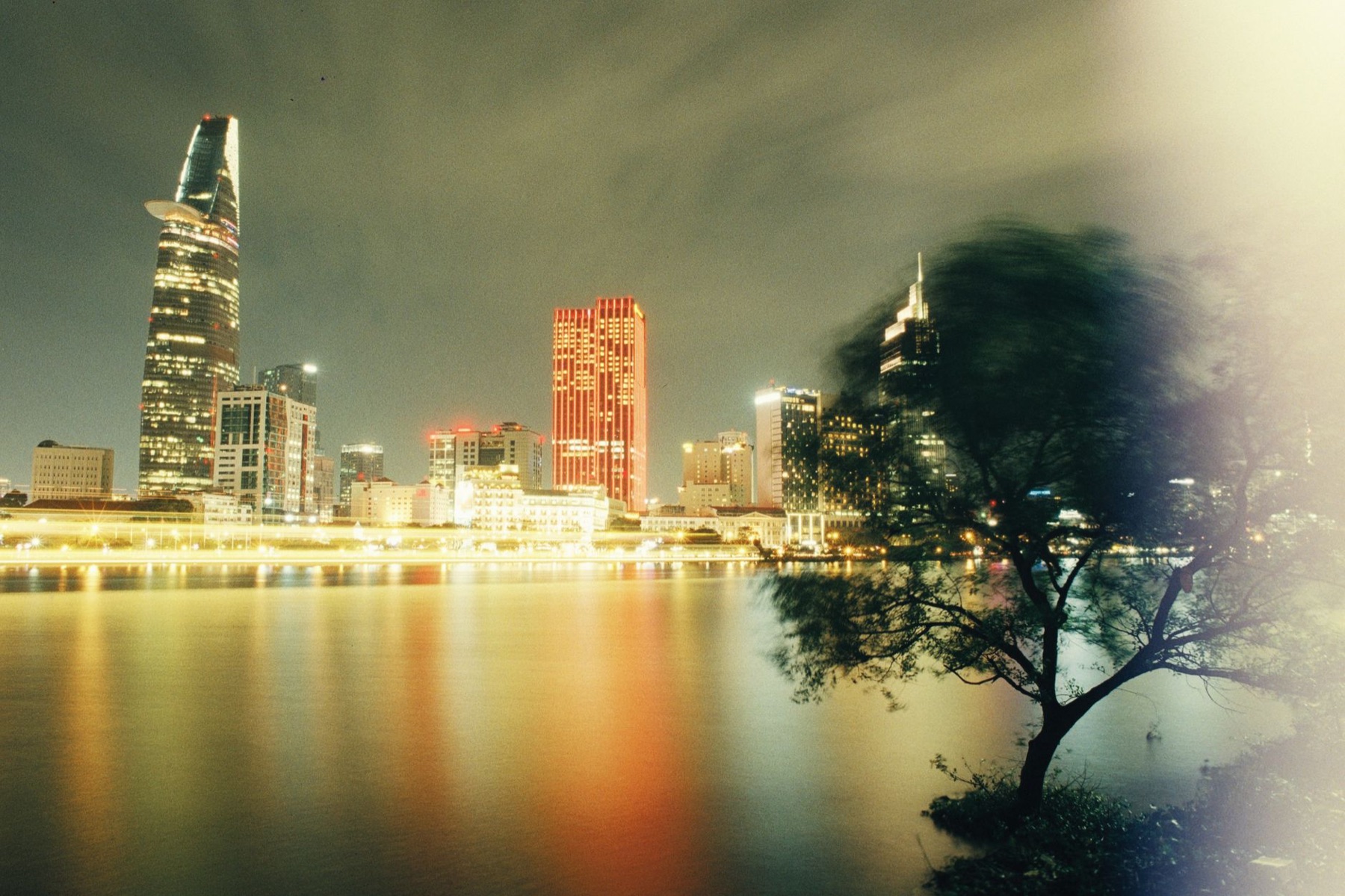
What makes District 1 (Dong Khoi) worth it—or a trap?
District 1 is central: Bitexco Financial Tower, Reunification Palace, Ben Thanh Market, the Saigon River waterfront. Nightlife is loud and commercial. Budget hotels run $15–30/night dorm, $40–80/night private; mid-range $60–150/night; upmarket $150–300+/night. Transport to other districts takes 15–30 minutes by taxi or Grab. The trap: prices are inflated, streets are crammed during rush hours (7–9am, 4–6pm), and you'll hear the same tourist remix bars everywhere. Best for: first-timers, business travelers, museum crawls.
Real scene: Nguyen Hue Walking Street fills with locals at dusk but empties by 10pm. Restaurant menus near landmarks have picture prices 2–3× higher than the same dish eaten two blocks away.
Why District 3 appeals to long-term visitors and remote workers
District 3 (Ba Dist, Vo Van Tan area) sits between District 1's chaos and the quieter neighborhoods. You get proper Vietnamese cafés with standing-desk work spots, vintage bookshops, smaller museums (Fine Arts, War Remnants nearby), and a younger Vietnamese crowd—not tourists. Private rooms $30–60/night; co-working space drop-ins $3–5/hour. Restaurants cluster on Nguyen Trai; it's walkable, metro-adjacent (Line 1 opens 2026), and the vibe is genuine.
Honest take: Rent can feel high for the space. Night noise is real but zone-based (Club Zone is one block; move two streets over and you sleep fine). Best for: writers, digital nomads, couples seeking a slower pace, anyone staying 2+ weeks.
Binh Thanh: where backpackers meet local nightlife
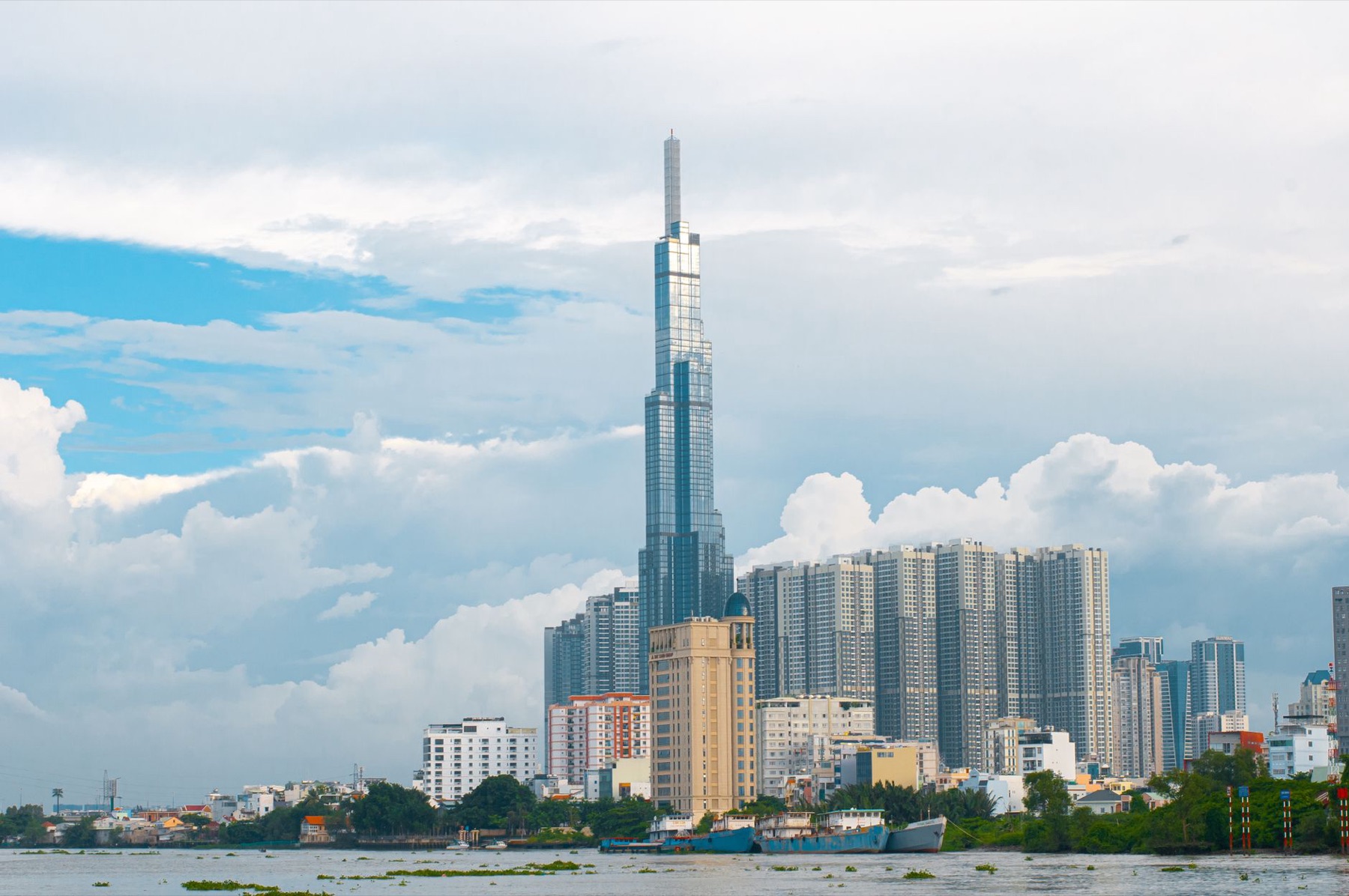
Binh Thanh is huge (6+ neighborhoods within it). The hot zone is around Nguyen Hue or within walking distance of Landmark 81. Dorm beds $10–20/night; private $25–50/night; apartments $300–600/month short-term. Bars, street food, karaoke, massage shops—all packed and loud until 2am. It's where Vietnamese locals go to party, not tourist zones. Transport to District 1 is 15 minutes by Grab ($2–3).
What works: If you want to meet other backpackers or young travelers, this is it. Vietnamese beer (Saigon, Hanoi, Tiger) costs 30,000–50,000 VND (~$1.20–2 USD) at dive bars; cocktails $4–6 USD at mid-tier places.
What to skip: Fake taxi services outside big bars (always use Grab app); overly friendly "guides" offering poker games or tours. Stick to main streets late at night. Best for: budget travelers, solo adventurers, anyone 18–35 seeking nightlife.
Thu Duc: university campus energy, lowest prices
Thu Duc district holds Vietnam National University. Student neighborhoods cluster near campus; rents are $8–15/night dorm, $15–30/night private. Cafés and pho shops run 20,000–40,000 VND (~$0.80–1.60 USD) per dish. It's a 20–30 minute taxi to District 1 ($3–5). Noise is parties and motorcycles, not commercial noise. You'll see fewer tourists here, fewer menus with pictures.
Reality: The energy is young and chaotic. If you're over 40 or seeking quiet, this isn't home. If you want authentic local energy on a $10/day food budget, it shines. Best for: budget backpackers, students, linguistic deep-divers (fewer English speakers means faster learning).
| Neighborhood | Night Vibe | Budget/Night (Private) | Best For | Transport to District 1 |
|---|---|---|---|---|
| District 1 (Dong Khoi) | Upscale bars, rooftop lounges | $40–150 | First-timers, museums, business | Walking/5 min |
| District 3 | Boutique cafés, quieter | $30–80 | Remote workers, couples | 15 min Grab |
| Binh Thanh | Local nightlife, karaoke | $25–50 | Backpackers, party energy | 15 min Grab |
| Thu Duc | Student bars, casual | $15–30 | Budget travelers, local vibe | 25 min Grab |
| District 5 (Cholon) | Street food, markets, temples | $20–40 | Food lovers, culture seekers | 20 min Grab |
District 5 (Cholon): eat, shop, live like you're Vietnamese
Cholon is Ho Chi Minh's oldest Chinese–Vietnamese quarter—markets, temples, shophouses, and some of the best street food in the city. Hotels $20–50/night; meals $1–3 USD. Tran Hung Dao Street has fabric vendors; Binh Tay Market is chaos at dawn (5–7am), calmer by 9am. Transport to District 1 is 20–30 minutes by Grab ($2–3).
The real story: You won't see Instagram content here. You'll see Vietnamese families eating at plastic stools at 6am, vendors haggling in Cantonese, shrines with incense, and lantern-lit alleys. If that appeals, stay here. If you need English signage and filtered aesthetics, District 1 is safer. Best for: food adventurers, repeat visitors, cultural immersion, photographers.
📸 Book an ao dai photoshoot in Hanoi or Saigon (Cáo Studio)
How to avoid picking the wrong neighborhood: a checklist
Before booking, answer these:
- Duration: 3 nights? District 1 or 3. 1–2 weeks? Add Thu Duc or Binh Thanh; rotation beats fatigue.
- Budget tolerance: Under $20/night? Thu Duc or District 5. $30–60? District 3 or Binh Thanh. $80+? District 1.
- Noise threshold: Light sleeper? District 3 or quieter pockets of District 1. Party lover? Binh Thanh.
- Work/focus: Laptop needed? District 3 or District 1 co-working spaces ($5–10/day). Holiday mode? Any neighborhood—you'll adapt.
- Transport time: Staying put (day trips via organized tour) vs. moving daily? Adds 30 mins? Consider Binh Thanh or Thu Duc as a base instead.
- Language: English comfort critical? District 1. Willing to use Google Translate? Anywhere; Thu Duc actually better for immersion.
- Timing: Rainy season (May–Sept) = cheaper rates, fewer tourists, but flooding in low-lying areas. Dry season (Nov–April) = full pricing, crowded.
🎟️ Compare tours & tickets for this place
What to check before you lock in your dates
Book accommodation only after you've:
- Confirmed metro/Grab routes to places you'll visit (Line 1 opens mid-2026; check if it changes your commute).
- Read recent reviews (not overall stars—look for this month's posts; neighborhoods shift fast).
- Tested the neighborhood virtually via Google Street View at different hours (6am chaos vs. 10pm quiet is different).
- Asked the hotel directly about noise, water pressure, wifi speed, and breakfast timing (not all advertise this).
- Booked flexible checkout your first night (allows same-day pivot if the vibe is wrong).
- Secured a local SIM or eSIM before arrival (Grab requires internet; no app = no transport).
📍 Vietnam eSIM: stay connected (fast, reliable)
Honest final take: no perfect neighborhood
District 1 is central but touristy and pricey. District 3 is livable but less "Ho Chi Minh" and slower. Binh Thanh is party-heavy and loud. Thu Duc is ultra-cheap but very local. District 5 is authentic but chaotic. The best pick is wherever your schedule and mood align. Many of us rotate: three nights in District 1 to orient, four nights in District 3 to settle, a final night back in District 1 to catch anything missed. A motorbike taxi (Grab Bike) costs $0.40–0.80 USD for cross-town hops; it's cheap to experiment.
For deeper prep on the whole country—itineraries spanning Hanoi, Hoi An, Ha Long Bay, Ninh Binh, and Sapa—we've built guides for each:
Traveling with souvenirs in mind? Consider booking an ao dai photoshoot before you leave—the costume rental, makeup, and editing make a memorable keepsake, and we work with professionals in both Hanoi and Saigon:
📸 Book an ao dai photoshoot in Hanoi or Saigon (Cáo Studio)

FAQ
Is District 1 safe for solo travelers at night?
Yes, generally. Main streets (Dong Khoi, Nguyen Hue) are well-lit and crowded until 11pm. Stick to main routes after dark; avoid alleyways alone. Pickpocketing happens in crowds—keep valuables secured and bags in front.
What's the cheapest neighborhood that's still safe?
Thu Duc near campus ($15–30/night private, $8–15 dorm). Not luxe, but populated, young, and safe. Grab works everywhere; no taxis needed.
How much does Grab cost between neighborhoods?
Cross-town trips run $2–5 USD depending on traffic. Bike (motorbike taxi) is $0.40–1.20. Meter taxis exist but Grab is transparent and trackable.
Should I book a whole month upfront or night-by-night?
Night-by-night your first 3 days, then book weekly once you know the vibe. Weekly rates drop 10–15% vs. nightly. Monthly leases ($300–800) need landlord ID checks; worth it only if you're committed.
Which neighborhood is best for digital nomads?
District 3 (co-working hubs, cafés with stable wifi, younger crowd). Binh Thanh is second-best (cheaper, social, but noisier). District 1 has corporate co-spaces but premium pricing.
FAQ
Is District 1 safe for solo travelers at night?
Yes, generally. Main streets (Dong Khoi, Nguyen Hue) are well-lit and crowded until 11pm. Stick to main routes after dark; avoid alleyways alone. Pickpocketing happens in crowds—keep valuables secured and bags in front.
What's the cheapest neighborhood that's still safe?
Thu Duc near campus ($15–30/night private, $8–15 dorm). Not luxe, but populated, young, and safe. Grab works everywhere; no taxis needed.
How much does Grab cost between neighborhoods?
Cross-town trips run $2–5 USD depending on traffic. Bike (motorbike taxi) is $0.40–1.20. Meter taxis exist but Grab is transparent and trackable.
Should I book a whole month upfront or night-by-night?
Night-by-night your first 3 days, then book weekly once you know the vibe. Weekly rates drop 10–15% vs. nightly. Monthly leases ($300–800) need landlord ID checks; worth it only if you're committed.
Which neighborhood is best for digital nomads?
District 3 (co-working hubs, cafés with stable wifi, younger crowd). Binh Thanh is second-best (cheaper, social, but noisier). District 1 has corporate co-spaces but premium pricing.
More: Ho Chi Minh City guide · Where to stay in Ho Chi Minh City