Ho Chi Minh City · Where to stay
Where to Stay in Ho Chi Minh City: Neighborhoods, Budgets & Honest Pic
By Wander in Vietnam editorial team · Hanoi, Vietnam
Ho Chi Minh City sprawls across 24 districts. Where you sleep shapes your entire trip—commute times, nightlife access, pricing, and the vibe you experience daily.
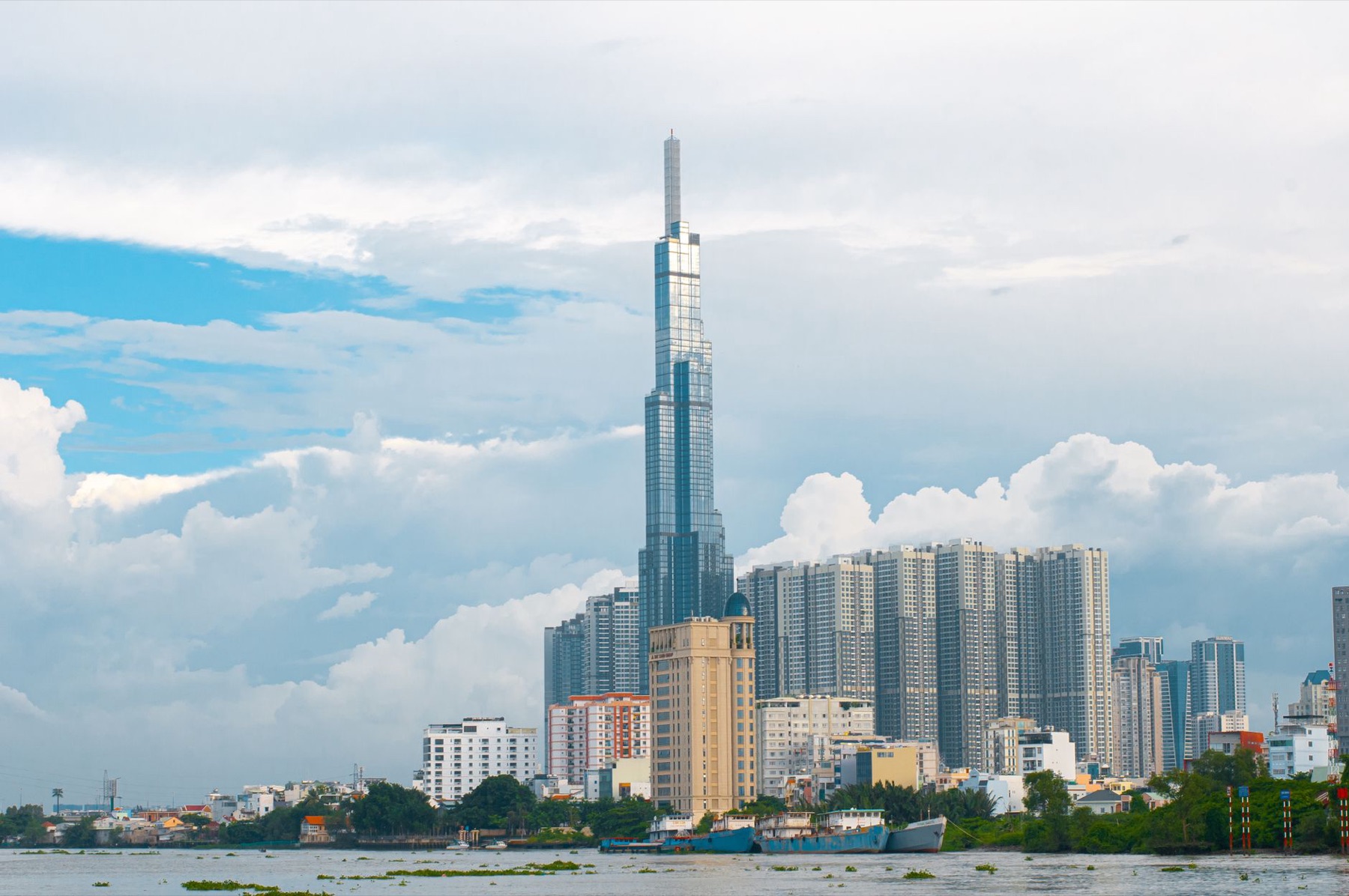
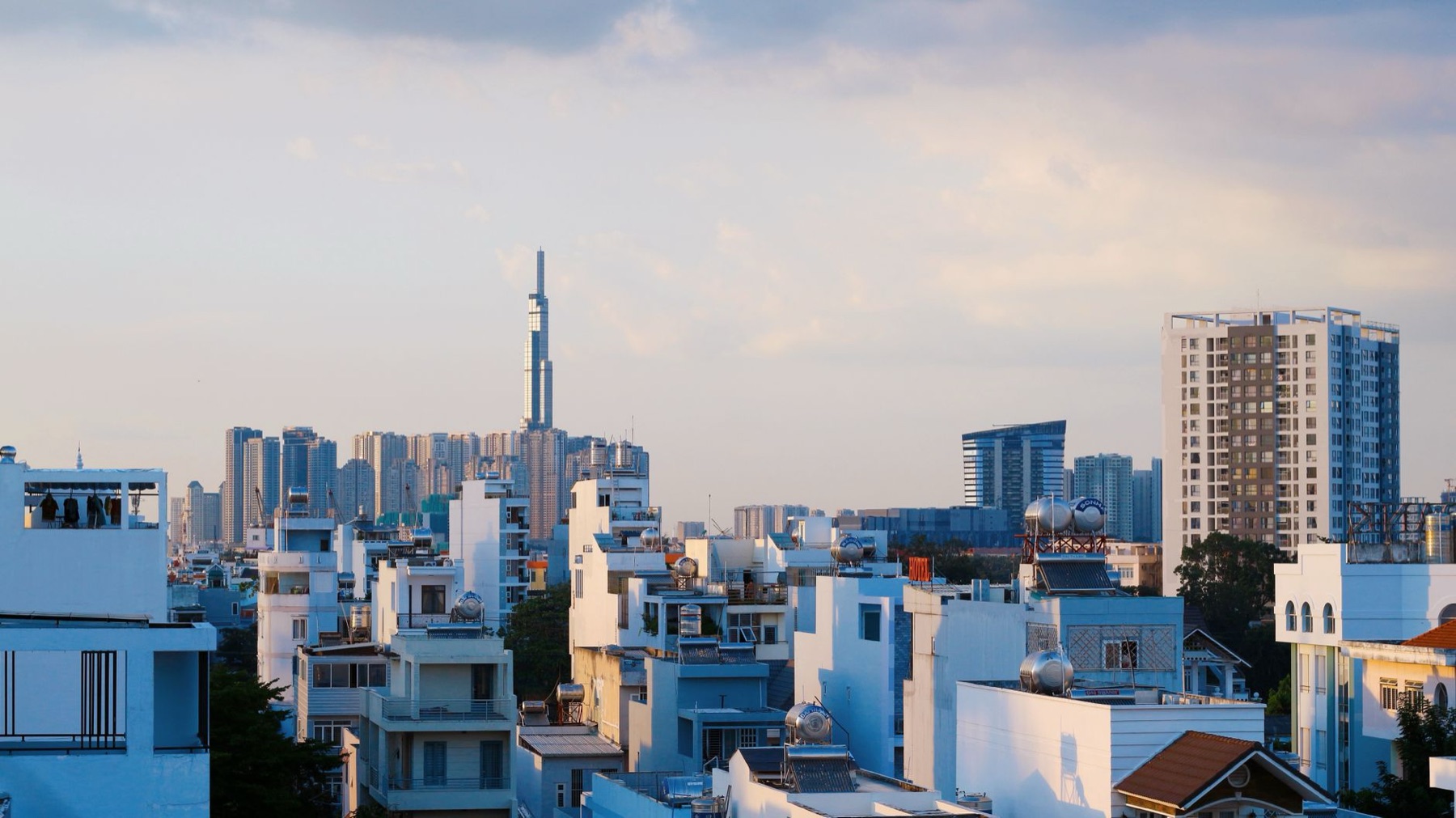
The city spreads chaotically. Downtown (District 1) sits near Saigon River; congestion, tourism infrastructure, and noise concentrate there. Residential zones in Districts 3, 7, and 10 feel quieter. Cholon (District 5) immerses you in Vietnamese culture—not tourist-friendly, deeply local. Tan Binh (airport district) means short transfers but long journeys into the city. Your choice matters more than a hotel's star count.
📸 Book an ao dai photoshoot in Hanoi or Saigon (Cáo Studio)
Which District Fits Your Travel Style?
District 1 (Dong Khoi, Ben Thanh, Pham Ngu Lao) is the tourist heartland—walkable to landmarks, museums, restaurants, and Saigon River. Prices run from budget guesthouses (around 200,000–400,000 VND / $8–16 USD per night) in Pham Ngu Lao alley hostels to mid-range hotels ($25–60 USD). Noise and crowds are constant; motorbike traffic is relentless. Best for: first-time visitors, those without a car, people who want restaurants on every corner.
District 3 (around Tao Đàn Park, Nguyen Hue vicinity) mixes residential calm with central proximity—quieter than District 1, walking distance to Ben Thanh Market, parks feel livable. Guesthouses cost around 300,000–500,000 VND ($12–20 USD); mid-range hotels $20–45 USD. Less nightlife, fewer backpackers, better for families or those seeking peace. Best for: professionals, remote workers, travelers wanting culture without chaos.
District 5 (Cholon) is the centuries-old Chinese-Vietnamese quarter—markets, temples, street food, zero tourist polish. Rooms run 250,000–400,000 VND ($10–16 USD) for basic guesthouses. Motorbikes dominate; English is rare; the atmosphere is raw and authentic. No English menus, few tourists, real local life. Best for: adventurous eaters, photographers, travelers fluent in Vietnamese or comfortable with silence and gestures.
District 7 (Thao Dien, An Phu) is the expat zone—modern, safe, tree-lined streets, cafés, and upscale restaurants. Hotels start around 600,000 VND ($24 USD) and climb to $60+ USD. Peaceful and green, but far from "action" and taxis are necessary. Best for: longer stays, families, those prioritizing comfort and quiet over cultural immersion.
Tan Binh (around Tan Son Nhat Airport) minimizes transfer hassle—hotels cluster near the terminal. Prices range from 300,000–600,000 VND ($12–24 USD). Downsides: 30–50 minute commute to downtown, no walkable life, generic hotel zones. Best only if: arriving late or catching an early flight; otherwise, stay downtown first and near airport the night before departure.
What Budget Level Matches Each Neighborhood?
| Neighborhood | Type of Stay | Typical Nightly Cost | Best For |
|---|---|---|---|
| Pham Ngu Lao (Dist 1) | Dorm/Budget hostel | 150,000–300,000 VND ($6–12) | Solo backpackers, party seekers |
| District 1 (mid-range) | 2–3-star guesthouse | 400,000–800,000 VND ($16–32) | Couples, small groups, standard tourists |
| District 3 | Mid-range guesthouse | 350,000–700,000 VND ($14–28) | Professionals, families, remote workers |
| Cholon (District 5) | Basic guesthouse | 250,000–450,000 VND ($10–18) | Budget travelers, cultural explorers |
| District 7 (Thao Dien) | Mid-upscale hotel | 700,000–1,500,000+ VND ($28–60+) | Expats, longer stays, comfort priority |
| Tan Binh (near airport) | Mid-range hotel | 400,000–900,000 VND ($16–36) | Airport transfers only |
🗺️ Plan your route: Vietnam itinerary
How Long Should Your Commute Actually Take?
Expect motorbike taxi (Grab, Be, Xanh SM app) rides to cost 20,000–60,000 VND ($0.80–2.40 USD) within District 1; 40,000–100,000 VND ($1.60–4 USD) from Districts 3–5 to downtown. During rush hours (7–9 AM, 5–7 PM), any journey doubles in time. Public buses exist but are crowded, slow, and signage is in Vietnamese only. No tourist subway system exists; walking in heat + humidity is brutal beyond 10 minutes.
Stay close to landmarks you actually visit. If you're exploring Cholon markets daily, sleep in District 5—not District 1, adding 45-minute commutes each way. If you're museum-hopping downtown, District 1 or 3 saves hours. Motorbikes are cheap but unreliable (no schedule); budget 1–2 hours buffer for unexpected delays.

What Common Mistakes Should You Avoid When Choosing a Room?
Booking before understanding the neighborhood. Photos lie. A "3-star" hotel on Google Maps in Pham Ngu Lao may be a 6-floor walk-up with no elevator, motorbike fumes from street-level bars, and 3 AM karaoke noise. Read recent reviews mentioning "noise," "crowds," "quiet," and "location"—not just star ratings.
Assuming central = better. District 1 is convenient but cramped, touristy, and expensive. Many travelers discover District 3 or Binh Thanh offer better value, fewer crowds, and livable streetscapes—just 10–15 minutes farther by taxi.
Trusting booking sites' photos without checking street view. Google Street View shows you the actual alley, street vendors, noise sources, and foot traffic—something hotel photos hide. A "luxury" hotel on a busy market street means hourly noise, not quiet luxury.
Overlooking the heat and humidity. June–September brings 35°C heat (95°F) and 80%+ humidity. Budget hotels lack strong AC; your $8 USD dorm room may be unbearable. Check recent guest comments about cooling before booking budget stays.
Booking too far from your interests. If you're spending days in Cholon or Binh Thanh exploring, sleeping in Tan Binh near the airport wastes 2 hours daily commuting. Use Google Maps to measure walking and transit time to your planned activities before reserving.
🎟️ Compare tours & tickets for this place
What Should You Check Before Confirming Your Booking?
Before hitting "book," verify:
- Actual location on Google Maps. Search the hotel name; verify it's in the district advertised, not a misleading address.
- Guest comments mentioning noise, AC quality, and neighborhood safety. One-sentence reviews ("great!") don't help; read detailed recent complaints.
- Cancellation policy. Many cheap guesthouses refuse refunds; confirm flexibility.
- What's included. WiFi, breakfast, airport pickup—clarify before paying, as sites hide details.
- Nearby food and transport. Use Street View to check if there are 7-Elevens, restaurants, and taxi stops within walking distance.
- Checkout time and luggage storage. Late checkouts and storage availability matter if your flight departs after midday.
---
Honest Take: District 1 works for first-timers wanting walkability and safety. District 3 wins for comfort + calm. District 5 rewards adventurous travelers. District 7 suits long stays. Avoid Tan Binh unless your flight times force it.
Ho Chi Minh City changes hourly. No single neighborhood is perfect—match your priorities (budget, quiet, culture, convenience) to the right district, then pick a guesthouse with verified recent reviews. Wander in Vietnam's writers have stayed across all districts; the difference between a good trip and a frustrating one often comes down to where you sleep.
If you're planning a multi-city Vietnam trip and want a professional keepsake of your time in Ho Chi Minh, consider booking a customized photoshoot. 📸 Book an ao dai photoshoot in Hanoi or Saigon (Cáo Studio) to capture your memories in traditional Vietnamese dress, complete with professional makeup and hair styling.
For longer stays, flower delivery services can brighten a guesthouse room or surprise a local friend. Hoa Lang Thang delivers fresh arrangements in Hanoi if you're extending your trip northward.
Planning the full Vietnam route? Start here: Vietnam itinerary planner to sequence Ho Chi Minh, Hanoi, Hoi An, Ha Long Bay, and other stops efficiently.
FAQ
Is District 1 always the safest neighborhood in Ho Chi Minh?
District 1 is heavily touristed and policed, so petty theft (bag-snatching, bike theft) is less common than in outlying districts. However, pickpocketing happens in crowded markets. Cholon and other districts are equally safe after dark if you use common sense and avoid walking alone at 2 AM with visible valuables.
How much should I budget for accommodation daily?
Budget backpackers pay 150,000–300,000 VND ($6–12 USD) for dorms; mid-range tourists 400,000–900,000 VND ($16–36 USD) for private rooms; upscale travelers $50+ USD. District 1 costs 30–50% more than Districts 3 or 5 for the same comfort level.
Can I negotiate nightly rates at guesthouses?
Yes, especially for stays longer than 5 nights or off-season (May–August). Walk in, ask staff directly for a monthly rate, and expect 10–20% discounts. Booking sites don't show this; you must ask in person or email the guesthouse owner.
Is it better to book accommodation in advance or on arrival?
Advance booking (1–2 weeks) ensures your first night is confirmed, especially during November–February peak season. Arriving and booking same-day works for budget travelers but risks limited inventory and higher last-minute prices. Book the first 2–3 nights in advance; adjust your stay after exploring.
Which district has the best food and nightlife?
District 1 has the highest concentration of restaurants and bars but caters to tourists (higher prices, diluted flavors). Districts 3 and 5 have authentic, cheaper local food and zero nightlife—no clubs or Western bars. Choose based on your priority: tourist convenience or authentic local eating.
FAQ
Is District 1 always the safest neighborhood in Ho Chi Minh?
District 1 is heavily touristed and policed, so petty theft (bag-snatching, bike theft) is less common than in outlying districts. However, pickpocketing happens in crowded markets. Cholon and other districts are equally safe after dark if you use common sense and avoid walking alone at 2 AM with visible valuables.
How much should I budget for accommodation daily?
Budget backpackers pay 150,000–300,000 VND ($6–12 USD) for dorms; mid-range tourists 400,000–900,000 VND ($16–36 USD) for private rooms; upscale travelers $50+ USD. District 1 costs 30–50% more than Districts 3 or 5 for the same comfort level.
Can I negotiate nightly rates at guesthouses?
Yes, especially for stays longer than 5 nights or off-season (May–August). Walk in, ask staff directly for a monthly rate, and expect 10–20% discounts. Booking sites don't show this; you must ask in person or email the guesthouse owner.
Is it better to book accommodation in advance or on arrival?
Advance booking (1–2 weeks) ensures your first night is confirmed, especially during November–February peak season. Arriving and booking same-day works for budget travelers but risks limited inventory and higher last-minute prices. Book the first 2–3 nights in advance; adjust your stay after exploring.
Which district has the best food and nightlife?
District 1 has the highest concentration of restaurants and bars but caters to tourists (higher prices, diluted flavors). Districts 3 and 5 have authentic, cheaper local food and zero nightlife—no clubs or Western bars. Choose based on your priority: tourist convenience or authentic local eating.
More: Ho Chi Minh City guide · Where to stay in Ho Chi Minh City