Ho Chi Minh City · Where to stay
Where to Stay in Ho Chi Minh City: Neighborhoods, Hotels & Budget Guid
By Wander in Vietnam editorial team · Hanoi, Vietnam
Ho Chi Minh City sprawls across 24 districts. Where you sleep shapes your entire trip—from backpacker hostels in District 1 to riverside luxury in District 7 and local charm in Districts 3 and 10. This guide cuts through the noise and shows you exactly where to stay based on budget, vibe, and what you actually want to do.
Which district fits your budget and travel style?
The choice isn't just about cost—it's about access, noise, and who you'll meet. Budget travelers cluster in District 1's cramped alleyways; families prefer District 7's modern high-rises; digital nomads split between District 1 (connectivity) and District 3 (café culture); solo travelers often find Districts 4 and 10 more welcoming to locals. Spending 30 minutes mapping your non-negotiables now saves three weeks of regret.
What's really happening in District 1 (Bến Thành)?
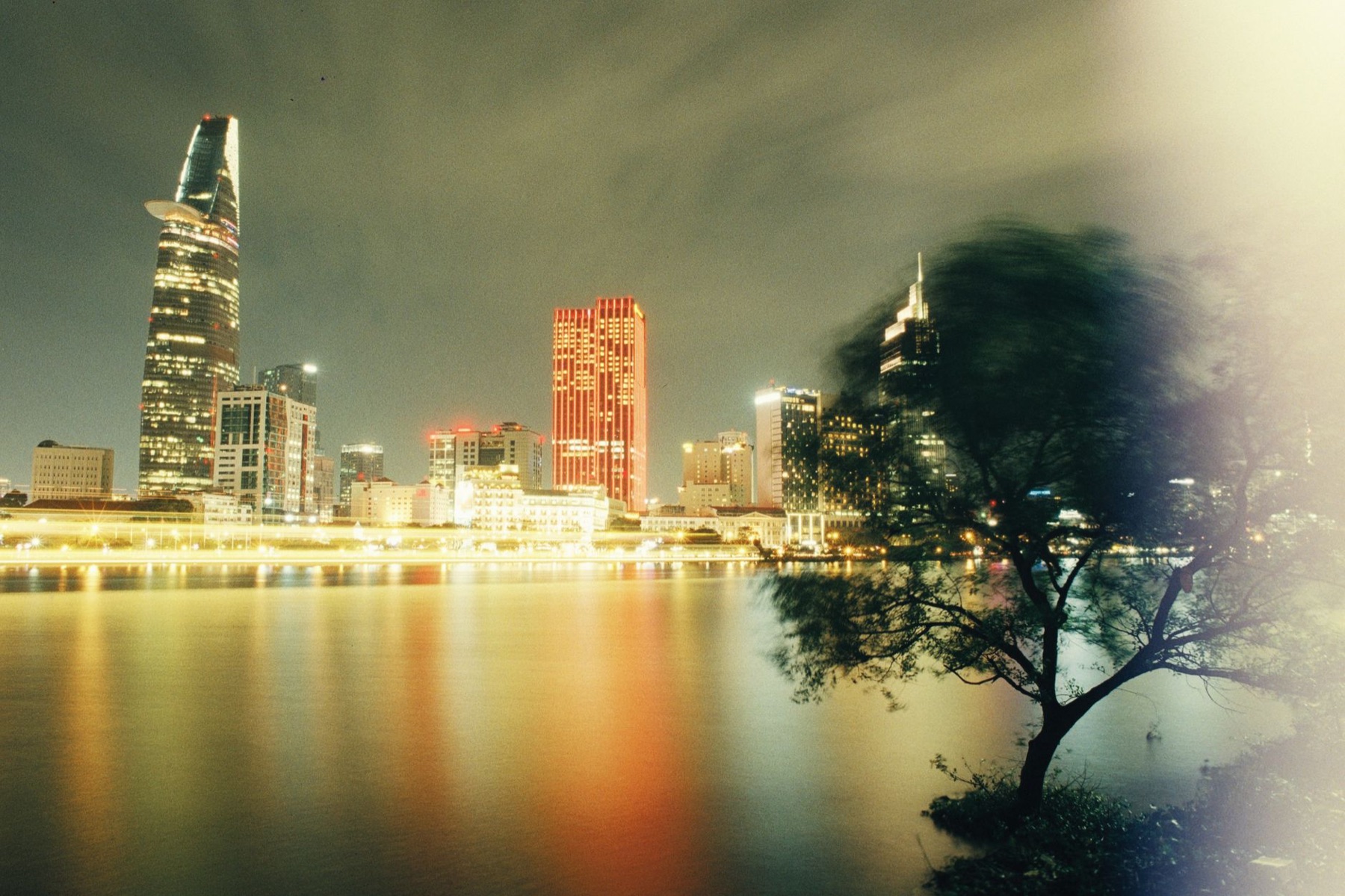
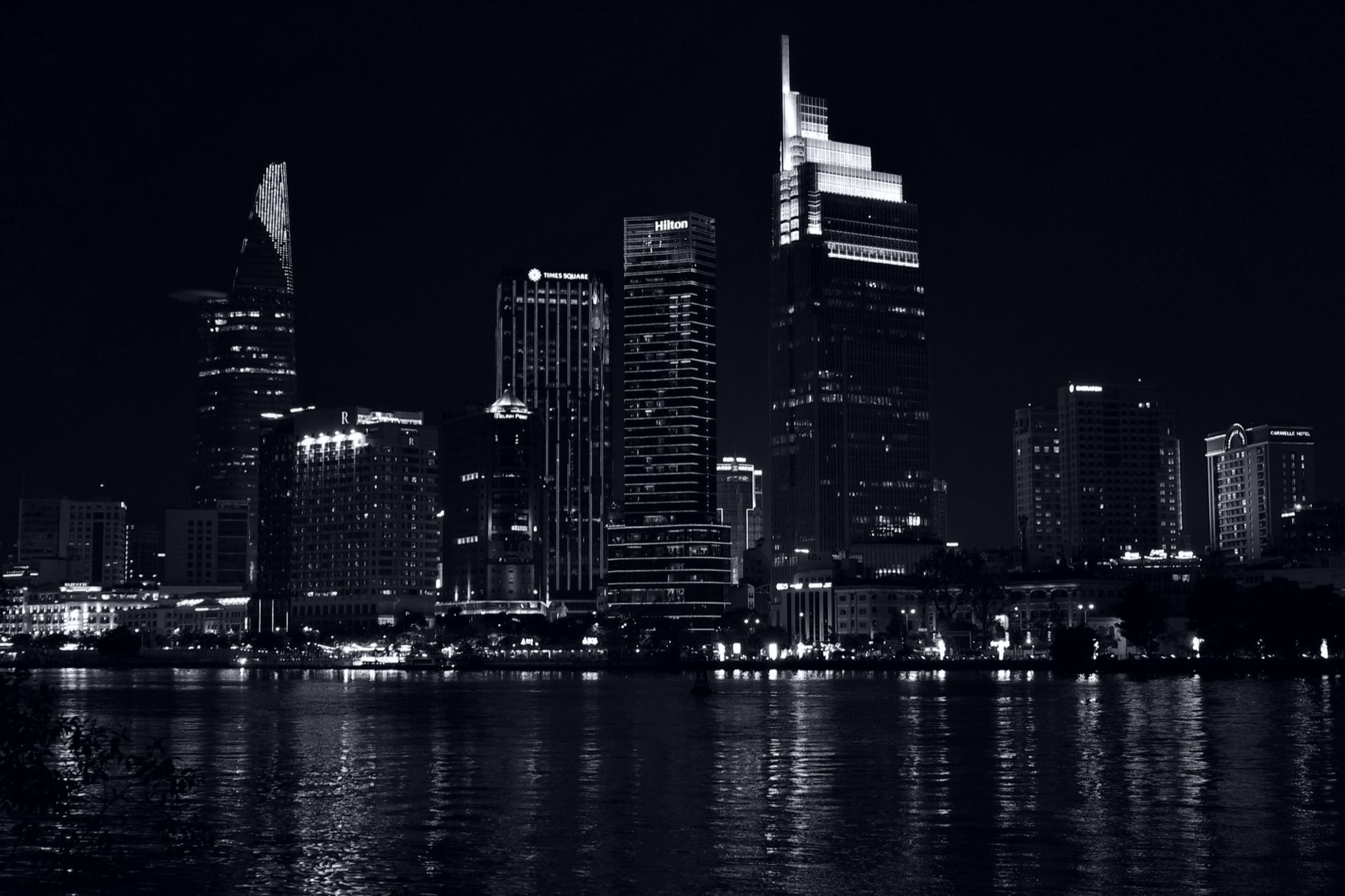
District 1 is central, loud, and full of tourists—but that's the whole point for first-timers. Bến Thành Market sits at its heart; Nguyễn Huệ Walking Street runs north; the Saigon River forms the eastern edge. Hotels range from around 200,000–800,000 VND ($8–32 USD) per night for guesthouses, up to multi-million-VND luxury towers. Expect noise until midnight, street vendors from 5am, and constant tuk-tuk touts. The payoff: everything—museums, restaurants, bars—is walkable. Internet is solid; English speakers abundant. Best for: first-time visitors, short stays, nightlife.
Why do long-term travelers pick District 3?
District 3 (Võ Văn Tần area) feels like a step back in time—French colonial villas, tree-lined streets, and fewer tour groups. Hotels and serviced apartments run around 300,000–700,000 VND ($12–28 USD) for mid-range digs. Pasteur Street has excellent cafés; Tao Đàn Park offers morning tai chi with locals; Bánh Mì stands cluster near Bùi Viện. The Wi-Fi is reliable; supermarkets (Saigon Co.op) are within 500m. Noise drops sharply after 9pm. Best for: week-long stays, writers, people seeking neighborhood rhythm.
Is District 7 (Thảo Điền) worth the extra cost?
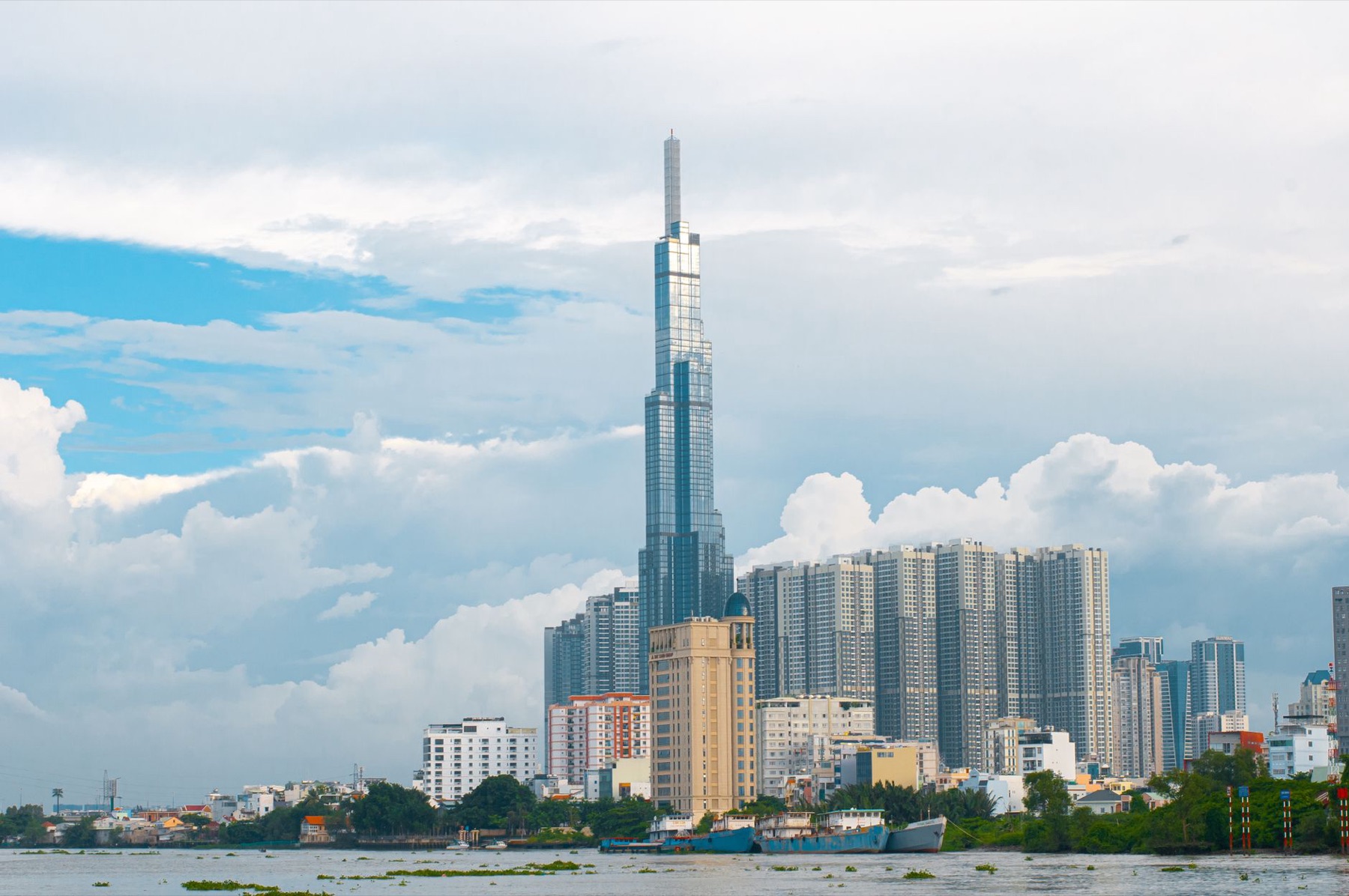
District 7 is the expat and affluent-tourist zone—gleaming malls, craft beer bars, and riverside parks. Hotels run 600,000 VND–2+ million VND ($24–80+ USD). It's 2–3km south of District 1, accessible via Taxi or Grab (around 50,000–80,000 VND / $2–3.20 USD). Thảo Điền Ward has the densest cluster of international restaurants, yoga studios, and bookshops. Noise is controlled; air is noticeably clearer. Many travelers book one night here to reset. Best for: families, those seeking Western comfort, mid-to-long stays.
What about Districts 10–11 for authentic stays?
Districts 10 and 11 (Chợ Lớn area and beyond) sit west of District 1 and offer genuine neighborhood immersion. Hotels run 150,000–400,000 VND ($6–16 USD). You'll see families eating phở at dawn, karaoke bars humming at 1am, and zero tourist infrastructure. Getting to central attractions takes 20–40 minutes by bus or Grab (30,000–60,000 VND / $1.20–2.40 USD). English speakers are rare; negotiation skills matter. This is where we eat when we're off-duty. Best for: adventurous solo travelers, those studying Vietnamese, long-term residents.
🗺️ Plan your route: Vietnam itinerary
A quick decision table: where to sleep in HCMC
| Neighborhood | Budget/Night | Vibe | Best For | Noise Level | Nearest Transit |
|---|---|---|---|---|---|
| District 1 | $8–32 | Tourist hub | First visits, nightlife | Loud until midnight | Walking, buses |
| District 3 | $12–28 | Local & colonial | Writers, week stays | Quiet after 9pm | Buses, Grab |
| District 7 | $24–80+ | Expat modern | Families, comfort | Controlled | Grab, taxis |
| Districts 10–11 | $6–16 | Authentic street | Adventurous, budget | Variable | Buses, Grab |
| District 4 (Cần Thơ Ward) | $10–25 | Residential calm | Long-term, couples | Very quiet | Buses |
Booking and arrival: step-by-step checklist
- Decide your trigger moment. Ask: "Do I want to see tourists or locals in my immediate surroundings?" This one answer eliminates half your options.
- Check your dates. Monsoon (May–September) brings humidity; November–January is peak. Prices spike 20–40% Dec–Feb.
- Map transit honestly. If you have no Grab or taxi experience, stay within 2km of District 1. If comfortable, Districts 3 and 7 give more space for same cost.
- Read one recent review per shortlist. Skip aggregate ratings; find a photo and 50-word write-up from someone with your profile (solo, family, couple, etc.). Look for mention of noise, Wi-Fi speed, staff English level.
- Book direct or through trusted OTAs. Avoid obscure Vietnamese-only sites if this is your first stay in Vietnam. Agoda, Booking.com, and Airbnb all flag withdrawal policies clearly.
- Arrive with a 30-min buffer. Traffic from Tân Sơn Nhất airport (Sài Gòn Airport) can vary wildly. Book Grab ahead; share live location with hotel.
- Check-in early if possible. Most hotels hold luggage from 1–2pm even if your room isn't ready; this buys you time to explore without dragging bags.
What to check before you book
- Wi-Fi speed: Ask for Mbps or do a speed test in the booking photos. Tourist hotels often oversell it.
- Noise audit: Ring the hotel or scroll TripAdvisor/Google photos for comments on "noise," "motorbike," or "karaoke." Night noise is the top complaint we hear.
- Breakfast inclusion: Matters in budget rooms. If included, confirm it's 6–10am (most are). If not, street stalls nearby cost 20,000–40,000 VND ($0.80–1.60 USD).
- Cancellation window: Book "free cancellation up to 7 days before" minimum. HCMC weather can shift fast.
- Ground floor or high floor: Ground = noise + street smell; high = heat loss if AC fails. Mid-range floors (floors 4–7) are sweet spot.
- Water pressure: Showers matter. If photos show thin pipes or hose-style showerheads, expect low pressure in hot months.
📸 Book an ao dai photoshoot in Hanoi or Saigon (Cáo Studio)
Why your first night matters most
Your first night sets your mood for the whole city. A noise-free, clean, well-located room helps you sleep through jet lag and wake ready to explore. A noisy, dark room sends you spiraling into "should have chosen differently" thoughts. We've seen travelers abandon carefully planned itineraries because they hated their hotel. Pick carefully.
If you're staying 3+ nights, consider splitting: 2 nights in District 1 (orient yourself, do the tourist checklist), then 3 nights in District 3 or 7 (relax, find a rhythm). It costs the same overall and gives you two completely different experiences.
Practical tips for your arrival
- Airport transfer: Grab (app-based, ~100,000 VND / $4 USD to District 1) beats taxis and informal touts. Pre-book if anxious.
- SIM card: Buy at airport departures for around 20,000 VND ($0.80 USD) + credit, or check our eSIM for Vietnam guide for data-only option.
- First meal: Eat at a street stall your first evening, not a restaurant. Phở costs 30,000–50,000 VND ($1.20–2 USD); you'll sleep better.
- Walking boundaries: Districts 1–3 are walkable; beyond that, use Grab or buses. Motorbike taxis (xe ôm) are cheaper but riskier if you're tired.
🎟️ Compare tours & tickets for this place
For more regional context, see our guides to Hanoi, Hoi An, Ha Long Bay, Ninh Binh, and Sapa. Each has its own accommodation character. Most travelers combine HCMC with at least one of these.
Need documents sorted? Check our Vietnam e-visa guide and eSIM options to lock in logistics before you land.
The full Ho Chi Minh City hotel guide has deeper dives on specific properties by category and budget tier.
FAQ
How far is District 7 from District 1, and is it worth the extra cost?
About 2–3km south; Grab takes 10–15 minutes (50,000–80,000 VND / $2–3.20 USD). Yes if you value quiet, cafés, and parks. No if you want walkable nightlife and spontaneous tourism. Most short-stayers skip it; longer travelers love it.
What's the cheapest area to sleep without feeling unsafe?
Districts 10–11 offer 150,000–300,000 VND ($6–12 USD) rooms in real neighborhoods. Safe, but English is rare and you'll need Grab for transport. Districts 4 and 5 are similar. Not "unsafe," just less touristy. Go with ground-truth check: read one detailed review per property.
Will I regret staying in a noisy part of District 1?
Yes, if you value sleep. Noise until midnight is guaranteed; some streets have karaoke or traffic noise until 2–3am. Budget guesthouses in Phạm Ngũ Lão area especially loud. Mid-range hotels (2–3 star) with interior soundproofing are quieter. Check for "quiet" or "noise" keywords in recent reviews.
How do I get from airport to my hotel without a scam?
Use Grab app (requires smartphone with data or airport Wi-Fi). Price is fixed, upfront, and tracked. Taxis can overcharge; touts outside baggage claim work commission. Grab costs roughly same as taxi but zero negotiation. Book from airport departures area (ground floor).
Should I book accommodation before arriving or once I land?
Book 1–2 nights before you arrive (secures location, eases jet lag stress). Book remaining nights after you land (lets you shift neighborhood if first impressions change). Prices rarely differ by >10% between early and last-minute booking in HCMC.
Is District 3 or District 7 better for a week-long stay?
District 3 if you want café culture, morning markets, and neighborhood routine. District 7 if you want quiet, gyms, Western amenities, and less cultural friction. Many choose District 3 first week (immersion), District 7 last 2–3 days (reset).
FAQ
How far is District 7 from District 1, and is it worth the extra cost?
About 2–3km south; Grab takes 10–15 minutes (50,000–80,000 VND / $2–3.20 USD). Yes if you value quiet, cafés, and parks. No if you want walkable nightlife and spontaneous tourism. Most short-stayers skip it; longer travelers love it.
What's the cheapest area to sleep without feeling unsafe?
Districts 10–11 offer 150,000–300,000 VND ($6–12 USD) rooms in real neighborhoods. Safe, but English is rare and you'll need Grab for transport. Districts 4 and 5 are similar. Not "unsafe," just less touristy. Go with ground-truth check: read one detailed review per property.
Will I regret staying in a noisy part of District 1?
Yes, if you value sleep. Noise until midnight is guaranteed; some streets have karaoke or traffic noise until 2–3am. Budget guesthouses in Phạm Ngũ Lão area especially loud. Mid-range hotels (2–3 star) with interior soundproofing are quieter. Check for "quiet" or "noise" keywords in recent reviews.
How do I get from airport to my hotel without a scam?
Use Grab app (requires smartphone with data or airport Wi-Fi). Price is fixed, upfront, and tracked. Taxis can overcharge; touts outside baggage claim work commission. Grab costs roughly same as taxi but zero negotiation. Book from airport departures area (ground floor).
Should I book accommodation before arriving or once I land?
Book 1–2 nights before you arrive (secures location, eases jet lag stress). Book remaining nights after you land (lets you shift neighborhood if first impressions change). Prices rarely differ by >10% between early and last-minute booking in HCMC.
Is District 3 or District 7 better for a week-long stay?
District 3 if you want café culture, morning markets, and neighborhood routine. District 7 if you want quiet, gyms, Western amenities, and less cultural friction. Many choose District 3 first week (immersion), District 7 last 2–3 days (reset).
More: Ho Chi Minh City travel guide · Where to stay in Ho Chi Minh City