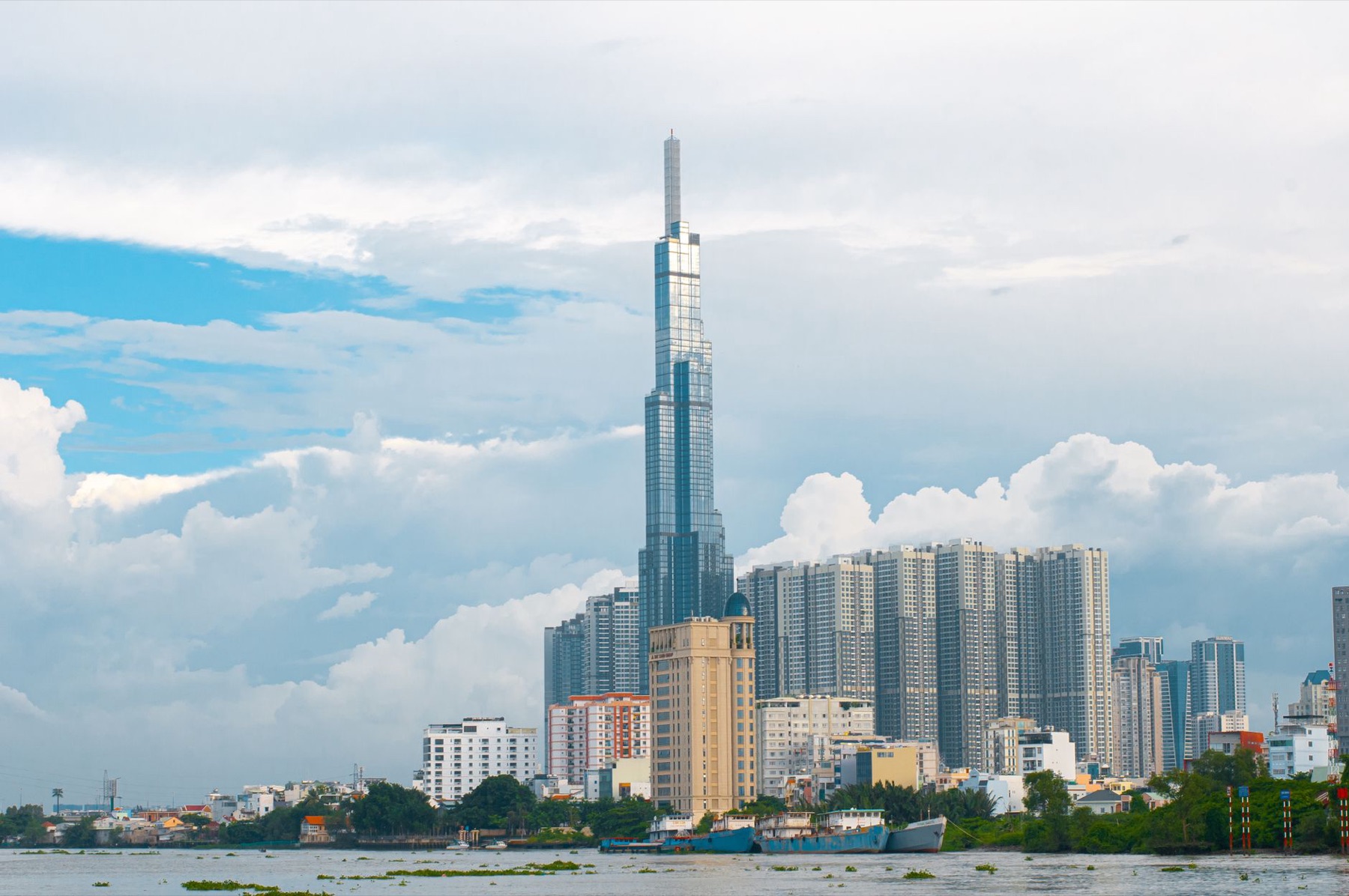
Ho Chi Minh City · Where to stay
Where to Stay in Vietnam: Region Guide & Hotel Finder
By Wander in Vietnam editorial team · Hanoi, Vietnam
Where you stay in Vietnam determines your daily rhythm, access to food, and whether you'll actually explore or stay hotel-bound. We've mapped how to choose your home base region-by-region, what neighborhoods deliver real value, and the booking mistakes most travelers regret.
Which Vietnam regions offer the most hotel variety?
Vietnam's main tourist zones each have distinct accommodation cultures. Hanoi (North) focuses on Old Quarter backpacker dorms and lakeside mid-range guesthouses; Da Nang & Hoi An (Central Coast) mix beach resorts with heritage boutique hotels; Ho Chi Minh City (South) spreads from downtown luxury chains to District 1 budget options; Ha Long Bay runs overnight cruises rather than shore hotels. Each region's booking window, price swings, and scams differ sharply. Start by mapping your itinerary—where you need to be each night—before comparing room types.
🗺️ Plan your route: Vietnam itinerary

Should you book accommodation in advance or on arrival?
Book 2–4 weeks ahead during peak season (October–November, December–January), and always pre-book during Tet (late January–early February) when hotels fill 100% and prices spike 40–60%. Off-season (May–September, except July school holidays) offers walkup flexibility but limits choice in smaller towns like Sapa or Ninh Binh. Overnight booking apps (Agoda, Booking.com, local sites) often show cheaper rates than hotel websites; compare the same room across platforms before paying. Avoid committing to non-refundable rates unless you're certain of dates.
What's the real cost breakdown by region and room type?
| Region | Budget Dorm | Mid-Range Room | Upscale Suite | Why it varies |
|---|---|---|---|---|
| Hanoi Old Quarter | $8–15 | $25–50 | $80–150 | Density; tourist demand; water access |
| Da Nang beachfront | $12–18 | $40–80 | $120–250 | Sea views; resort amenities; distance |
| Hoi An heritage | $10–16 | $35–70 | $100–180 | Lantern town premium; old-town location |
| Ho Chi Minh City District 1 | $10–20 | $30–60 | $90–200 | Central location; business travelers |
| Ha Long Bay cruise | n/a | $60–120 | $150–300 | Overnight aboard; included meals; timing |
| Sapa town | $6–12 | $20–40 | $60–120 | Altitude; seasonal cold; trekking access |
Prices are per room/person per night and fluctuate 20–30% based on booking date, occupancy, and weather. Booking 1–2 weeks out often beats advance or last-minute rates. Avoid "surprise" resort fees by checking the final quote before checkout.
📸 Book an ao dai photoshoot in Hanoi or Saigon (Cáo Studio)
Which neighborhoods actually deliver value, and which are tourist traps?
Hanoi:
- Old Quarter (Ba Dinh): dense, loud, buzzing with backpackers; cheap eats and street life; noisy until 2 a.m.
- Lake area (Hoan Kiem): quieter, pricier ($40–80/night), walkable to markets and temples.
- Tay Ho (West Lake): upscale residential; long taxi rides to main sites.
Skip the generic hotel chains on Nguyen Hue if you want local hanoi; they're fine but isolated from street culture.
Ho Chi Minh City:
- District 1 (Saigon center): restaurants, museums, Bitexco Financial Tower; walkable; pricier ($35–100).
- District 3 (Tan Binh): quieter, local vibe, still central; $20–50.
- District 4 (Nguyen Hue area): crowded, overpriced for tourists, noisy bars.
Avoid District 5 (Chinatown) if you want calm; it's authentically chaotic but grinds at night.
Central Coast (Da Nang, Hoi An, Hue):
- Hoi An Old Town: $35–70 mid-range; curfew (strict 11 p.m. quiet rule); no motorbikes in core zone.
- Da Nang beachfront: $40–120; wide sand, good swimming, resort-heavy.
- My Khe Beach (Da Nang outskirts): cheaper ($25–50), local fish restaurants, longer walk to sights.
Ha Long Bay & Islands: Book a 2–3 day cruise (not shore hotels) to actually see the bay. Shore hotels in Ha Long City itself are dull and overpriced ($30–60).
🗺️ Explore more: Ho Chi Minh City guide | Hanoi travel guide | Hoi An itinerary
How do you spot fake reviews and avoid booking scams?
Red flags:
- All-well-made reviews (platforms show date clusters if fake).
- Photos don't match the room you're booking (request a current photo via message before paying).
- Prices 50%+ lower than neighboring hotels at same quality.
- No cancellation option shown at checkout (bait-and-switch tactic).
- Chat staff can't answer simple questions about check-in times, WiFi, or breakfast inclusion.
Safety checks:
- Use only official Booking.com, Agoda, or hotel websites—not "discount travel sites."
- Book via your credit card (chargeback option if property misrepresents).
- Read 20–30 recent reviews in your language, focusing on recent arrivals (last 3 months).
- Call the hotel directly to confirm your reservation exists; scammers clone booking confirmations.
Common scams: fake booking confirmation emails with phishing links; "last-minute upgrade" offers via WhatsApp; "cash discount" at reception (then credit card charge anyway).
What travel logistics should you plan alongside accommodation?
Once you pick your base, book:
- eSIM or local SIM (activate before arrival; needed for taxi apps, maps, hotel contact). Get Vietnam eSIM
- E-visa (apply 3–5 days ahead; takes 24–48 hours). Vietnam e-visa guide
- Transport (buses, internal flights, or trains between regions; book 1–2 weeks ahead).
- Tours & tickets (trekking, cruises, museum passes; some sell out off-season).
Booking hotels first locks your route; then arrange transport around those dates. This saves last-minute route changes and emergency hotel surcharges.
🎟️ Compare tours & tickets for this place
What to check before you book
- Exact address & photos: request a message via the booking site asking for the precise street address and a photo of the room type assigned (not just the property lobby).
- Check-in time: confirm whether 11 a.m. (standard) or earlier/later works with your arrival flight or train.
- Breakfast inclusion: clarify if it's free, what's included, and the service hours (7–10 a.m. is typical).
- WiFi & power outlets: crucial in rural areas (Sapa, Ninh Binh); ask the hotel's actual speed (kbps).
- Refund policy: note the exact cancellation deadline and whether you lose a deposit.
- Currency & payment: confirm whether deposit is held in USD or VND, and if credit card fees apply.
- Noise & location: read 5–10 reviews mentioning noise, street construction, or distance to metro/bus stops.
---
Ready to explore Vietnam's regions? Start by planning your itinerary to identify which neighborhoods suit your dates and interests. Then secure your Ho Chi Minh City base—or explore Hanoi, Hoi An, Ha Long Bay, Ninh Binh, or Sapa guides for deeper region advice. Book your accommodation 2–4 weeks ahead, confirm the address by phone, and lock your transport routes before paying deposits.

FAQ
Is it cheaper to book hotels in Vietnam directly or via apps?
Apps (Agoda, Booking.com) often show 10–20% lower rates than hotel websites, but always compare the final price including all fees. Call the hotel directly if you find a gap—they may price-match. Direct booking occasionally offers free cancellation; apps less often.
Do I need to book accommodation months in advance?
No, unless traveling during Tet (late January–February), peak October–November, or Christmas week. Then book 4–8 weeks ahead. Off-season (May–September) offers walkup flexibility but reduced choice in smaller towns.
Are cheap hostels in Hanoi Old Quarter safe?
Yes, budget backpacker hostels are well-established and tourist-friendly. Dorms are secure; theft from lockers is rare if you use provided safes. Expect noise, thin walls, and shared bathrooms. Read recent reviews for cleanliness complaints (common issue).
What's the real difference between a "$30 room" and "$60 room" in the same area?
Air-con quality (hot/cold speed), window type (noise isolation), bathroom fixtures (hot water reliability), breakfast inclusion, and WiFi speed. Rarely decor; mostly comfort and reliability. Mid-range ($35–60) nearly always beats budget for sleep quality.
Can I negotiate hotel prices by walking in without booking?
Rare, especially in Hanoi and Ho Chi Minh City. Walkup rates are usually higher than online pre-booked rates. Always book online first, then consider negotiation only if the property is visibly empty (low season, weekday). Not worth the time cost.
FAQ
Is it cheaper to book hotels in Vietnam directly or via apps?
Apps (Agoda, Booking.com) often show 10–20% lower rates than hotel websites, but always compare the final price including all fees. Call the hotel directly if you find a gap—they may price-match. Direct booking occasionally offers free cancellation; apps less often.
Do I need to book accommodation months in advance?
No, unless traveling during Tet (late January–February), peak October–November, or Christmas week. Then book 4–8 weeks ahead. Off-season (May–September) offers walkup flexibility but reduced choice in smaller towns.
Are cheap hostels in Hanoi Old Quarter safe?
Yes, budget backpacker hostels are well-established and tourist-friendly. Dorms are secure; theft from lockers is rare if you use provided safes. Expect noise, thin walls, and shared bathrooms. Read recent reviews for cleanliness complaints (common issue).
What's the real difference between a "$30 room" and "$60 room" in the same area?
Air-con quality (hot/cold speed), window type (noise isolation), bathroom fixtures (hot water reliability), breakfast inclusion, and WiFi speed. Rarely decor; mostly comfort and reliability. Mid-range ($35–60) nearly always beats budget for sleep quality.
Can I negotiate hotel prices by walking in without booking?
Rare, especially in Hanoi and Ho Chi Minh City. Walkup rates are usually *higher* than online pre-booked rates. Always book online first, then consider negotiation only if the property is visibly empty (low season, weekday). Not worth the time cost.
More: Ho Chi Minh City guide · Where to stay in Ho Chi Minh City