Hanoi · Food
Best Fine Dining Restaurants in Hanoi: Real Picks & Booking Guide
By Wander in Vietnam editorial team · Hanoi, Vietnam
Hanoi's fine dining isn't a single tier—it's a spectrum. Some restaurants charge premium prices for heritage plating and wine lists; others justify costs through sourcing or technique. Before booking a high-end table, understand what you're actually paying for: the chef's name, the imported ingredients, the ambiance, or the story.
We've sat at tables across the city's best-known addresses and watched money wasted on dated concepts and money well-spent on genuine innovation. This guide cuts through hype.
Which Hanoi fine dining restaurant matches your budget?
Budget matters here more than anywhere else in the city. A tasting menu at a single-chef restaurant runs 2,500,000–3,500,000 VND per person ($100–$140 USD). À la carte at mid-tier upscale spots: 800,000–1,500,000 VND ($32–$60 USD) per entree. Drinks double the bill. Wine pairings add another 800,000–1,200,000 VND ($32–$48 USD).
We recommend deciding your total spend first, then aligning the concept. If you have 2,000,000 VND ($80 USD) all-in, skip the Michelin-adjacent tasting-menu houses and book a well-run French or modern Vietnamese restaurant where that stretches to food, wine, and tax.
| Restaurant Type | Who It Fits | Price Per Person (VND) | Why It Works |
|---|---|---|---|
| Single-chef tasting menu | Adventurous, ingredient-focused | 2,500,000–3,500,000 | Kitchen transparency; minimal menu |
| French-Vietnamese heritage | Romance, heritage-seeking, wine-focused | 1,200,000–2,000,000 | Wine cellar depth; classical technique |
| Modern Vietnamese | Local technique lovers, shorter meal | 900,000–1,500,000 | Seasonality; familiar formats |
| Fusion (Asian-European) | Curious eaters, shorter commitment | 1,000,000–1,800,000 | Creative plating; cross-cultural storytelling |
| Rooftop upscale (lake views) | Instagram, celebration, tourist comfort | 1,500,000–2,500,000 | Views; reliable execution; English-speaking staff |
🗺️ Plan your route: Vietnam itinerary
Where are Hanoi's best fine dining restaurants located?
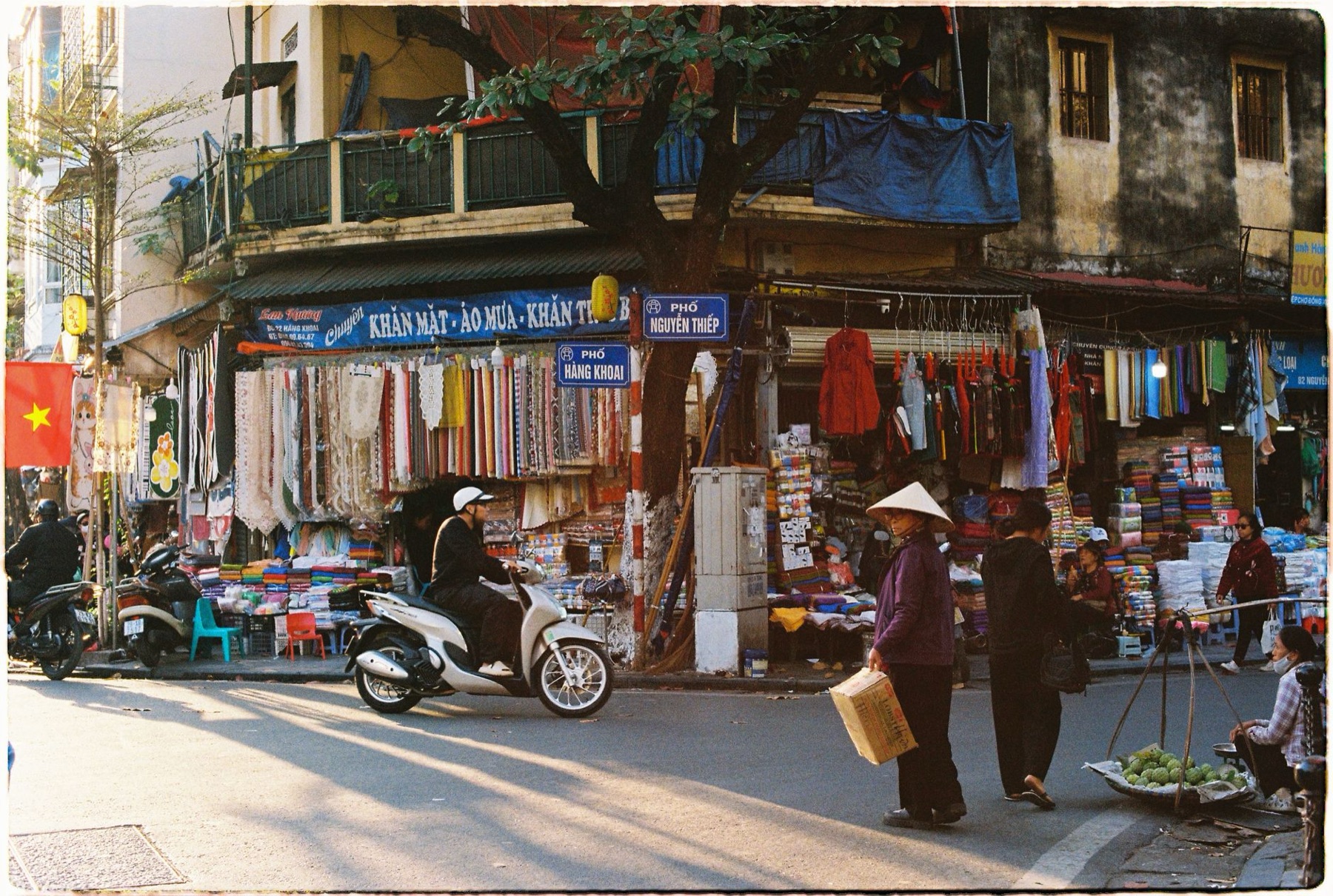
Geography shapes the experience. Old Quarter fine dining sits in converted colonial villas (narrow streets, loud surroundings) or quiet restored shophouses. Around Hoan Kiem Lake, restaurants cluster in two zones: the west shore (French colonial district, heritage buildings, touristy foot traffic) and northeast side (quieter, newer openings). Ba Dinh and Tay Ho districts host rooftop and riverside venues with views but less walkability.
We skip random Old Quarter addresses (noise bleeds in) unless the kitchen is genuinely exceptional. Hoan Kiem Lake's west shore feels safer for first-time fine dining in Hanoi—establishments there have longer track records and can handle English-speaking reservations. Tay Ho and Ba Dinh work if you have transport and a specific recommendation.
Most fine dining restaurants cluster within 3 km of the city center. Taxis and Grab cost around 100,000–250,000 VND ($4–$10 USD) between zones. Avoid Friday–Saturday walk-ins; reservations book out 3–4 weeks ahead for the known names.
What type of cuisine should you choose?
Vietnamese fine dining has momentum. Ten years ago, upscale Hanoi meant French or generic "Asian fusion." Now, local chefs run tasting menus built on regional ingredients: mountain greens from Sapa, fresh fish from Ha Long Bay, heritage vegetables from rural communes. These restaurants are younger, less stuffy, and often better value than heritage colonial venues.
French-Vietnamese restaurants still hold credibility (many chefs trained abroad; wine lists are reliable). But standalone French restaurants sometimes feel dated—classic Coq au Vin isn't fine dining in 2026; it's nostalgia.
Fusion (Asian-European, Thai-French, Japanese-Vietnamese) works if the chef has a real culinary background—not just a trendy concept. Beware restaurants that layer cuisines without focus.
Our honest take: choose Vietnamese tasting menus if you want surprise and story. Pick French-Vietnamese if you want safety, wine depth, and classical technique. Skip fusion unless a local recommends it by name (don't guess based on the menu on Google).
📸 Book an ao dai photoshoot in Hanoi or Saigon (Cáo Studio)
How far in advance should you book, and what questions to ask?
Two to four weeks is standard for any restaurant with a real reputation. One week might work for rooftop or mid-tier venues; skip trying to walk in.
Before booking, email or call (most have English-speaking staff) and ask:
- Is the menu fixed or do you choose? (Tasting menus are fixed; à la carte lets you optimize budget.)
- What is included in the price? (Some quote entrees only; sides, bread, service charge, tax come separate.)
- Do you offer wine pairings, and are they mandatory? (Many fine dining spots pressure you into pairings; confirm options.)
- Is there a dress code? (Hanoi is casual; most upscale places say "smart casual," not black tie—confirm what that means.)
- How many courses, and how long does the meal take? (Tasting menus run 2–3 hours; factor that into your evening.)
- Are there dietary restrictions you can handle? (Call ahead if vegetarian, halal, or allergic; don't assume the website covers it.)
What to check before you buy:
- Kitchen visibility. Can you see the kitchen, or at least watch plating? Transparency signals confidence.
- Ingredient sourcing on the menu. If they name farms, suppliers, or regions, they care. Generic "grilled fish" suggests lower craft.
- Wine list depth. Good restaurants have 80+ bottles. Poor lists = dining experience compromise.
- Table spacing. Cramped tables kill ambiance. Ask about seating when you book.
- Service timing. Ask how many minutes between courses. Rushed meals (under 90 minutes) feel assembly-line.
- Recent reviews from local or regional press. Google reviews skew tourist-heavy; look for restaurant critic mentions or food blogs.
What scams and mistakes to avoid at fine dining in Hanoi?
Fake wine is rare but service overcharges are common. We've seen restaurants swap cheaper wines into premium bottles (order by bottle, not by the glass, if you're nervous). More often, service staff upsell dishes or suggest "specials" off-menu at marked-up prices.
Avoid these traps:
- "Today's special" verbal offers. Politely ask for the printed menu; unquoted specials often cost 30–50% more.
- Wine by the glass without stated price. Always ask the price before ordering; one glass can cost 500,000 VND ($20 USD).
- Ambiguous service charges. Check the bill—some restaurants add 5–10% service on top of listed prices. Confirm upfront.
- Dress-code shaming. If a restaurant turns you away for casual clothes, it's signaling poor professionalism. Skip it.
- Inflated English-menu pricing. Some venues list higher prices on English menus than Vietnamese ones. Ask for the Vietnamese menu if prices seem off.
Translation tip: Use Google Translate on your phone to verify menu prices or ingredient names. Many restaurants adjust prices mid-season; compare your emailed menu to the restaurant's website.
Honest reality: Hanoi's best fine dining is genuinely good. Overhyped spots feel immediately obvious once you sit down—rushed service, tired plating, kitchen rushing. If the first 15 minutes feel perfunctory, the entire meal will feel transactional.
🎟️ Compare tours & tickets for this place
How does Hanoi's fine dining compare to other Vietnamese cities?
Hanoi's fine dining is less internationally polished than Ho Chi Minh City but more rooted in local technique. Saigon has more Michelin-adjacent restaurants and bigger wine programs; Hanoi has more chefs experimenting with Vietnamese ingredients without Western frameworks.
For a first visit to Vietnam, explore our Ho Chi Minh City fine dining guide to compare. Prices are similar (Saigon slightly higher). Visit our main Hanoi guide for mid-range eating context.
If you're traveling the north, check Ha Long Bay and Ninh Binh for seafood-forward casual dining—better value than Hanoi for fresh fish, less pretense.
Making a longer trip? Read our Vietnam itinerary planner to fit fine dining into a realistic schedule.
---
Final thought: Fine dining in Hanoi works best as a single intentional meal during a longer stay—not the center of your trip. Book one dinner, enjoy it, then explore the city's legendary street food and casual eateries. That balance is what makes Hanoi feel real.
🗺️ Plan your route: Vietnam itinerary
FAQ
Do I need to dress formally for fine dining in Hanoi?
No formal attire required. "Smart casual" (collared shirt, closed shoes, no gym wear or flip-flops) is sufficient. Most upscale restaurants don't enforce dress codes strictly; locals often wear business-casual dress pants and a simple shirt.
Can I book a fine dining restaurant with 1–2 days' notice?
Unlikely for chef-driven tasting-menu spots; they book 3–4 weeks ahead. Mid-tier rooftop or French restaurants may have availability 1 week out. Always call or email directly—online booking systems don't always show live availability.
Are wine pairings worth the extra cost?
Depends on the restaurant. At wine-focused French-Vietnamese venues with curated lists, pairings ($32–$48 USD) are fair value. At trendy fusion spots, pairing costs feel inflated for generic choices. Ask the sommelier to describe why each wine pairs before committing.
What's included in the price listed on the menu?
Usually just the dish or tasting menu. Tax (10%), service charge (sometimes 5%), and drinks come separate. Bread, amuse-bouche, and petit fours may or may not be covered—confirm when booking.
How long should I expect to spend at a fine dining restaurant?
À la carte meals: 1.5–2 hours. Tasting menus: 2–3 hours. Some restaurants rush; ask for expected duration when you reserve, especially if you have other evening plans.
FAQ
Do I need to dress formally for fine dining in Hanoi?
No formal attire required. "Smart casual" (collared shirt, closed shoes, no gym wear or flip-flops) is sufficient. Most upscale restaurants don't enforce dress codes strictly; locals often wear business-casual dress pants and a simple shirt.
Can I book a fine dining restaurant with 1–2 days' notice?
Unlikely for chef-driven tasting-menu spots; they book 3–4 weeks ahead. Mid-tier rooftop or French restaurants may have availability 1 week out. Always call or email directly—online booking systems don't always show live availability.
Are wine pairings worth the extra cost?
Depends on the restaurant. At wine-focused French-Vietnamese venues with curated lists, pairings ($32–$48 USD) are fair value. At trendy fusion spots, pairing costs feel inflated for generic choices. Ask the sommelier to describe why each wine pairs before committing.
What's included in the price listed on the menu?
Usually just the dish or tasting menu. Tax (10%), service charge (sometimes 5%), and drinks come separate. Bread, amuse-bouche, and petit fours may or may not be covered—confirm when booking.
How long should I expect to spend at a fine dining restaurant?
À la carte meals: 1.5–2 hours. Tasting menus: 2–3 hours. Some restaurants rush; ask for expected duration when you reserve, especially if you have other evening plans.
More: Hanoi guide · What to eat in Hanoi