Hanoi's most honest food moments happen in places tourists walk past. We've spent years moving through the city not as visitors, but as people who eat where the line curves out the door, where menus are handwritten in Vietnamese, and where the owner's mother cooks in the back. This guide maps the real choices: what type of stall to trust, which neighbourhoods hide the best meals, how to spot a setup, and what you're actually choosing between.
Why Does Your Hotel's Restaurant Recommendation Miss These Spots?
Hotel concierges point to safe, commissionable names. Guides print restaurants with established websites and consistent hours—which aren't the places that matter most. The best pho, bánh mì, and egg coffee come from stalls that have zero online presence, no fixed seating, and an owner who doesn't need marketing because locals have lined up for fifteen years. We avoid those spots because they're intimidating to write about: no consistent hours, no vegetarian option written down, no way to phone ahead. That's exactly why they're real.
What changes is which neighbourhoods house them and how to spot them. The Old Quarter, Tây Hồ (West Lake), Ba Đình, and Hoàn Kiếm's side streets concentrate the oldest, most-trusted stalls. Newer tourist zones—Cầu Giấy, Thanh Xuân—have newer stalls serving families rather than heritage recipes.
Where Do You Actually Find These Places?
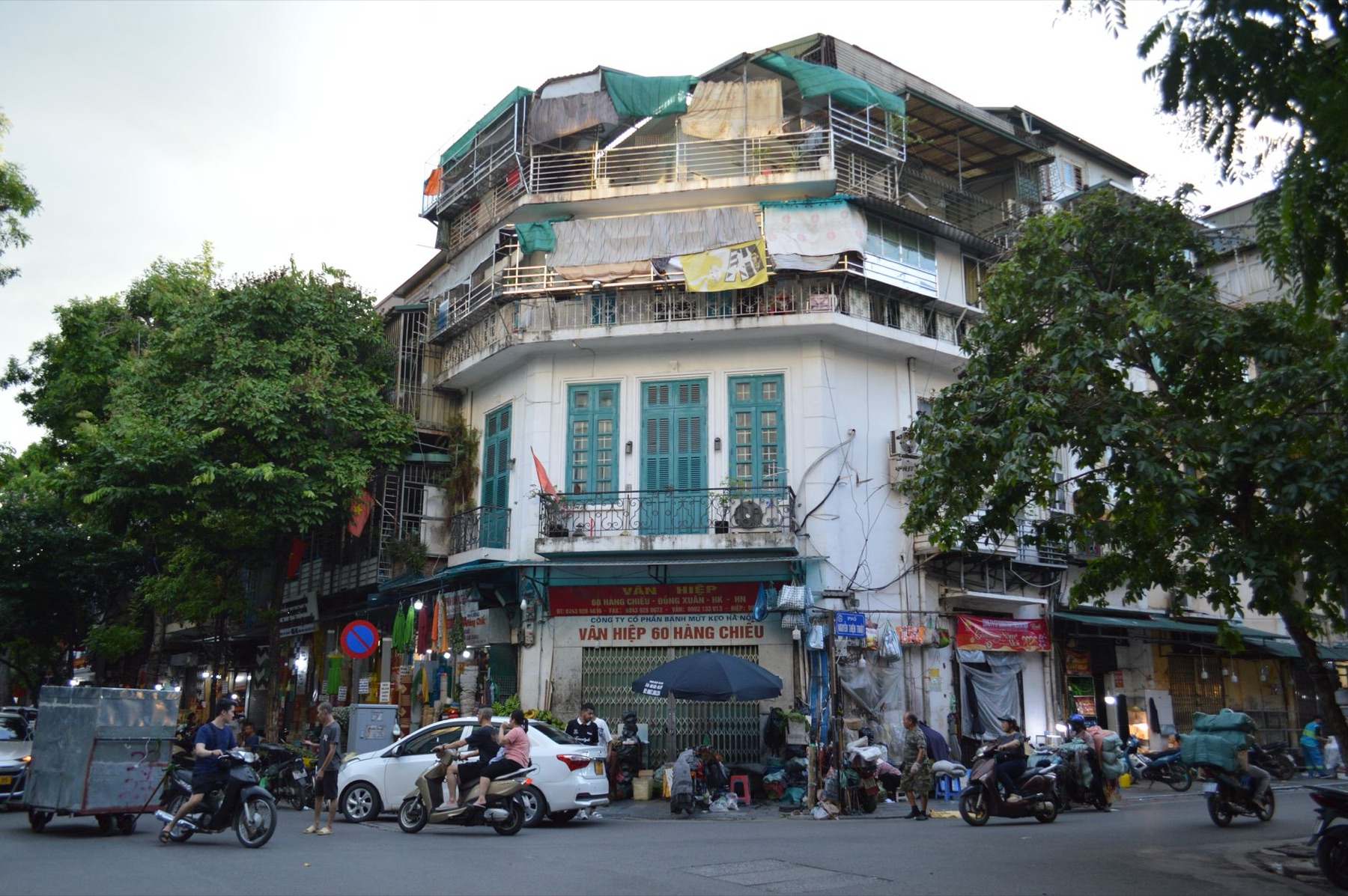
Old Quarter (Hoàn Kiếm District): The network of alleys between Hàng Mành, Hàng Gà, and Phố Mới. Specific: Hàng Gà runs north-south; turn into the narrow lanes on its east side and you'll find a pho stall (5 a.m.–8 a.m.), a bánh mì corner, and a cơm tấm (broken rice) counter. Order by pointing at the neighbour's bowl. Cost: around 35,000–50,000 VND ($1.50–$2 USD).
Tây Hồ (West Lake): Locals live here; tourists stay near the pagoda. Walk the east shore, past the park, towards Thành Phố Hồ (the market on the lake). Early morning (6–8 a.m.) a dozen stalls sell bánh cuốn (rolled pancakes), phở cuon (pho rolls), and cơm tấm nóng. A full breakfast: around 40,000–60,000 VND ($1.75–$2.50 USD). By 10 a.m., half have sold out.
Ba Đình (near Hồ Tây): Tây Hồ Street has older residential blocks with morning-only bánh mì corners and phở stalls. These serve workers, not visitors. No signage, no hours posted. If it's 6 a.m. and folding chairs are stacked, they're opening.
Hoàn Kiếm (Hoan Kiem District) side streets: Run south from Phố Huế, west into Cầu Gỗ ward. Breakfast spots cluster around Cầu Gỗ Market—locals buy fish, vegetables, eat breakfast in the same trip. A bánh mì from a corner stall: around 15,000–25,000 VND ($0.60–$1 USD).
🗺️ Plan your route: Vietnam itinerary
What Types of Stalls Should You Choose (and Why)?
| Stall Type | What You Get | Price (VND) | When to Go | Who It's For |
|---|---|---|---|---|
| Phở corner (unmarked) | One bowl; broth made since 4 a.m. | 35K–55K | 5–8 a.m. | People who want authentic, hot, gone by 9 a.m. |
| Bánh mì stand | Crusty bread, pâté, pickled veg, herbs (to order) | 15K–30K | 6 a.m.–11 a.m. | Quick breakfast, customizable, cheap, no fuss |
| Cơm tấm (broken rice) | Rice + grilled pork/egg/shrimp + pickles | 40K–60K | 11 a.m.–1 p.m. | Lunch, filling, local staple, less touristy than phở |
| Bánh cuốn (steamed rolls) | Delicate rice rolls + dipping sauce | 30K–45K | 6–10 a.m. | Breakfast; regional specialty (Thanh Hóa style) |
| Egg coffee corner | Hanoi-style coffee + whipped egg yolk | 30K–50K | 8 a.m.–5 p.m. | Dessert/drink, Instagram-ready, but try local spots, not tourist area |
| Cà phê vỡ (cheapest coffee) | Black coffee (robusta) | 5K–15K | Any time | Morning ritual, social, sit 30 mins for 10 cents |
| Bun cha (grilled pork + noodles) | Grilled pork + rice noodles + broth | 45K–70K | 11 a.m.–2 p.m. | Lunch, filling, local favourite, less crowded than phở |
Choose by time, not name. A phở stall at 7 a.m. is at its best; at noon it's reheated broth. A bánh cuốn stand opens 6–7 a.m., disappears by 10 a.m. Cơm tấm crowds lunch hours. Egg coffee is an all-day trap if it's in a tourist area; a neighbourhood corner (not a branded café) is genuine.
How Do You Avoid Overcharging and Setups?
Scams are rare in stalls; confusion is the real risk.
- Always ask price before ordering. Point and say "bao nhiêu tiền?" (how much?). If they say "50,000," confirm: "50 không?" (50, right?). Written menus are often outdated; verbal quotes matter.
- Sit or stand where locals do. If tourists are seated on one side and locals on the other, you're in a setup. Real stalls don't separate by nationality—they have one seating area and one price.
- Watch what locals order and order that. Don't ask for modifications, substitutions, or "what's vegetarian?" Just point at someone's bowl and say "một cái này" (one of this).
- Avoid stalls with laminated colour photos. Authentic stalls have a menu board (often in Vietnamese only) or no menu. Laminated colour menus signal a place catering to tourists and testing prices on them.
- Pay cash in VND, not card or USD. Cards lock you into the shop's exchange rate (usually bad). No card reader = no price inflation.
- No "tourist phở joints" with English menus on main streets. Phố Tây Hồ, near the Red River, and Hàng Bè (tourist side of Old Quarter) have stalls priced 80,000–120,000 VND ($3.50–$5 USD) for the same bowl a local pays 40,000 VND ($1.75 USD) three blocks away.
Real test: If you're the only foreigner eating there at 8 a.m., it's local. If it's full of tour groups at 10 a.m., it's a setup.
📸 Book an ao dai photoshoot in Hanoi or Saigon (Cáo Studio)
What Should You Order and What's Actually Worth Your Time?
Order these; skip the tourist versions:
- Phở gà (chicken pho): Lighter than beef; easier to find made fresh early morning. Order at unmarked corner stalls in Old Quarter alleys. Around 40,000 VND ($1.75 USD).
- Bánh mì Hanoi: The bread matters. Buy from a stall with a visible oven (bánh mì oven-fired, not plastic-packed). Ask for "bánh mì pâté" (with pâté and pickles). Around 20,000 VND ($0.85 USD).
- Bun cha: Grilled pork over noodles, not a tourist photo dish. Best at neighbourhood stalls in Hoàn Kiếm or Tây Hồ during lunch (11 a.m.–1 p.m.). Around 50,000 VND ($2.15 USD).
- Cơm tấm: Broken rice isn't leftover rice—it's a distinct, crumbly texture. Local lunch staple. Around 45,000 VND ($1.95 USD).
- Egg coffee: Hanoi-specific. Go to a traditional corner café in the Old Quarter (not the branded "Hanoi Old Coffee" chains), not a modern roastery. Around 35,000 VND ($1.50 USD). The whipped egg is richer at a proper spot.
Skip these (or do them right):
- Tom Yum or Thai soups at tourist-zone stalls: Hanoi's not Bangkok. Go to Vietnamese phở or bun cha instead.
- Expensive "traditional phở": A phở that costs 100,000+ VND ($4.50+ USD) in the Old Quarter is marked up. A real, good phở costs 40,000–60,000 VND.
- Egg coffee at "Hanoi's oldest coffee shop" (tourist side): The experience is the same at a neighbourhood stall; the price is 40,000 VND ($1.75 USD) instead of 60,000+ VND.
- Bottled drinks at street stalls: Buy at a convenient store (FamilyMart, CircleK); marked-up 200% at stalls.
How Do You Time These Visits Right?
Hanoi street food is a time game. The best stalls sell out or close mid-morning. Plan around hours:
- 5–7 a.m.: Phở and bánh cuốn stalls peak. Get there early; queues form. Most close by 9 a.m.
- 6–11 a.m.: Bánh mì corners. Later in the window = less fresh bread.
- 11 a.m.–2 p.m.: Cơm tấm and bun cha lunch rush. Get there before noon.
- 8 a.m.–5 p.m.: Egg coffee available all day, but busier mid-morning or late afternoon.
- Avoid: Midday heat (11 a.m.–4 p.m.) for comfort; evening stalls are less consistent.
Our honest take: Breakfast is the real meal. Late-opening tourists eat worse food at higher prices. Wake up at 6 a.m., eat with the city, and you'll eat better for less money.
🎟️ Compare tours & tickets for this place
---
What to Check Before You Buy (or Order)
- Is the broth hot? Cold broth means reheated or old.
- Is the stall's setup basic? Plastic stools, no decor, handwritten signs = local. Painted walls, menus, signage = possibly touristy.
- What time did the owner open? Ask "mở lúc mấy giờ?" (opened when?). 4 a.m. for phở = serious. 8 a.m. = newer or secondary.
- Is the owner eating there too? If yes, quality is high. If it's all staff, it's a job, not a passion.
- Are regulars ordering without pointing? They know the menu by heart. A good sign.
---
For souvenir options, consider a personalized keepsake box or Vietnam-themed print to remember your meals by (though food memories matter most).
Explore more Hanoi food spots or plan the whole trip with confidence. If you're mixing Hanoi with other regions, check Ha Long Bay, Ninh Binh, or Sapa food guides. Travelling soon? Check Vietnam e-visa and eSIM for Vietnam requirements.
FAQ
Is it safe to eat at unmarked street stalls in Hanoi?
Yes. Hygiene standards at busy local stalls are high—turnover is fast, ingredients are fresh, and reputation matters. Avoid stalls with visibly dirty utensils or sitting in direct sun midday. If locals eat there, it's safe.
How much cash should I carry for street food?
Bring 200,000–500,000 VND ($8.50–$21 USD) per day for breakfast and lunch at stalls. Most don't accept cards. ATMs are in every neighbourhood; withdraw at convenience stores (better rates than tourist ATMs).
Can I ask for vegetarian options at local stalls?
Most stalls aren't set up for it—dishes come with meat broth or paste. Bánh mì can be made vegetarian if you ask "không thịt" (no meat) early. Cơm tấm can be egg-only. Phở is harder; the broth usually has meat. Ask before ordering.
Do I need to speak Vietnamese to order?
No. Point at a neighbour's bowl and say "một cái này" (one of this), or show a photo on your phone. Hold up fingers for quantity. Most transactions are gesture-based. Knowing "bao nhiêu tiền?" (how much?) and "không đường" (no sugar, for coffee) helps.
What's the difference between a tourist trap and a real local stall?
Real stalls have: one price for everyone, no English menu, locals eating there at opening time, the owner visible, and meals under 70,000 VND. Traps have: tourists outnumbering locals, laminated menus, prices 2–3× higher, and a card reader. Trust your eyes more than reviews.