Hanoi · Food
Food Tour in Hanoi: How to Choose & What to Expect
By Wander in Vietnam editorial team · Hanoi, Vietnam
A food tour in Hanoi typically runs $15–120 USD depending on format: casual street-food walks cost $15–30, small-group market tours $35–60, and private cooking classes $60–150 per person. Most include 4–6 stops over 2–3 hours. Wander in Vietnam recommends booking direct with local operators or via platforms with clear cancellation policy; verify included meals, meeting point, group size and guide language fluency before paying.
What's the Real Difference Between Tour Types?
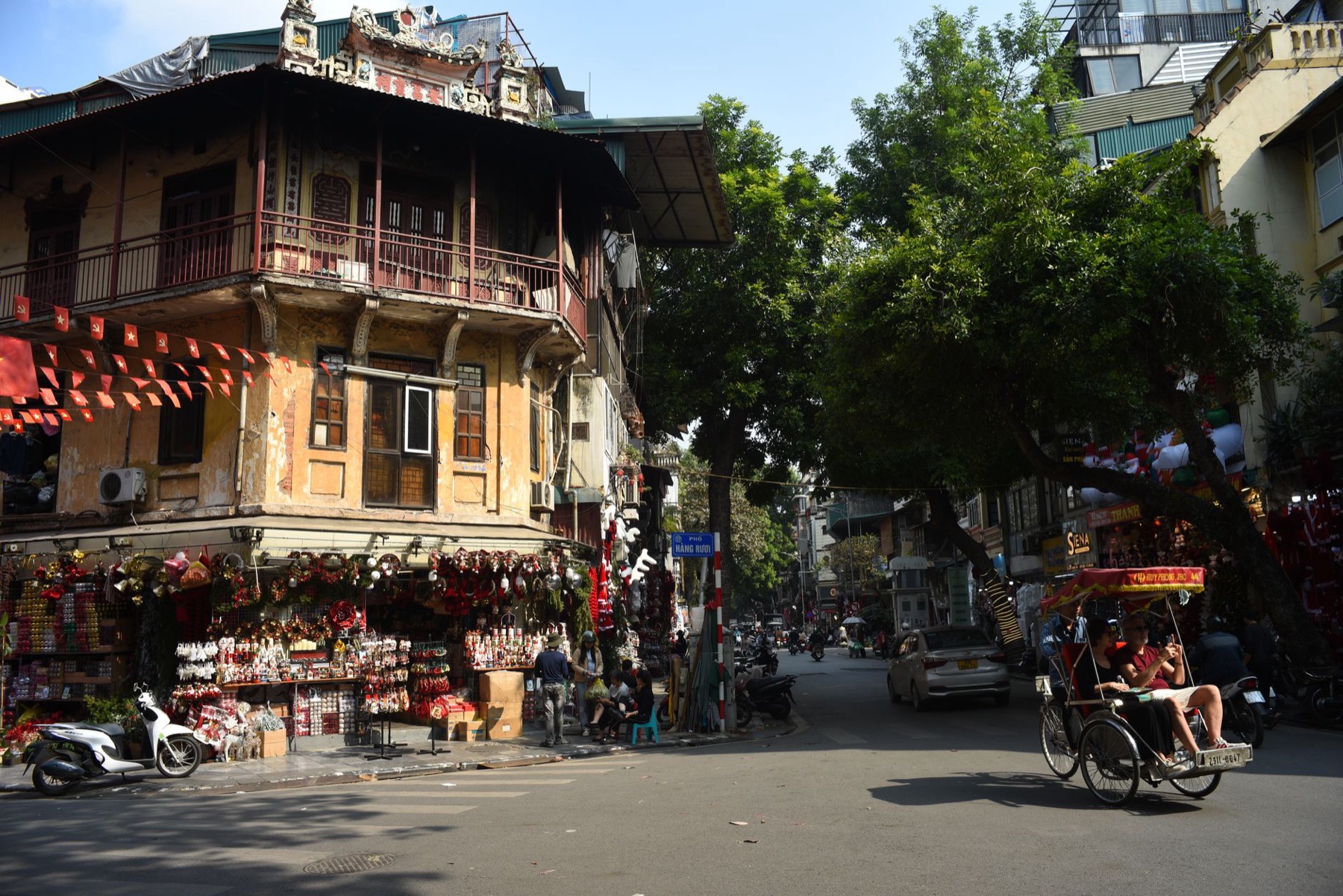
Hanoi's food scene isn't one-size-fits-all. Street-food walks ($15–25, typically evening, 2 hours) stop at 5–8 vendors across Old Quarter or around Tran Quang Khai area—you eat on your feet, pay per bite (guide negotiates), and taste pho, banh mi, egg coffee, snails. Market-focused tours ($35–60, morning, 2–3 hours) start at Dong Xuan or Warorot market, include vendor chat, buy ingredients, then cook two dishes in a nearby house or kitchen. Cooking classes ($60–150, half-day, 3–4 hours) teach prep techniques, flavor layering, and you take home one recipe sheet; some include market walk, others start with ingredients pre-laid out. Private group tours (quote-based, 3–5 hours) suit families or offices—one guide, your pace, custom stops, often include beer-hall crawl or hidden-gem restaurants.
🎟️ Compare tours & tickets for this place
Which Tour Fits Your Budget & Pace?
| Tour Type | Best For | Duration | Expect to Pay | Includes | Skip If |
|---|---|---|---|---|---|
| Street-food walk | First-timers, night owls, light eaters | 2–2.5 hrs | $15–30 USD | 5–8 snacks, guide, stories | Vegetarian/dietary needs unstated |
| Market + cook | Foodies, cooking hobbyists, half-day travelers | 2.5–3.5 hrs | $40–70 USD | Market entry, 2 dishes, tasting, recipe | Too hot, hate crowds |
| Cooking class | Skill-builders, souvenir-hunters, morning people | 3–4 hrs | $60–120 USD | Full meal prep, takeaway, drinks | Want speed over learning |
| Private group | Families, offices, non-English speakers | 3–5 hrs | $200–400 USD total | Full customization, pick-up option | Solo travel, tight budget |
| Food-themed walk (non-eating) | Photographers, cultural learners, light appetites | 2–3 hrs | $20–40 USD | Exterior photos, vendor stories, snack sample | Hungry for full meals |
Street-food walks suit travelers under 30 and backpackers who want volume and speed. Market + cooking tours appeal to mid-range solo travelers and couples; you eat well, learn a skill, and feel productive. Cooking classes work for repeat foodies or those with culinary careers. Private groups justify cost if you're splitting among 4+ people or have dietary/language barriers.
How to Avoid the Worst Common Mistakes
Booking without checking cancellation policy: Many operators charge 50–100% if you cancel <24 hours. Use platforms with free cancellation or book directly with guides via messenger once you've verified reviews and language match.
Assuming all "traditional" dishes taste good: Your guide will push you to eat durian, balut (fertilised duck egg), or tiet canh (raw blood soup) as "authentic." Eat what appeals—authenticity isn't an obligation. Good guides say "this is polarizing; try half first."
Arriving hungry or dehydrated: Tours run outdoors, often mid-afternoon, with minimal shade. Eat a light breakfast, bring a reusable water bottle (guides rarely provide it), and tell your guide about heat sensitivity. Hanoi is 30°C+ most months.
Ignoring group size before booking: A 12-person walking tour in Old Quarter's narrow alleys is chaotic. Check maximum group size; under 8 is ideal for hearing your guide and stopping comfortably.
Not stating dietary needs upfront: Vegetarian? Shellfish allergy? Halal? Write it in the booking notes, then message the guide 3 days before. Many tours assume everyone eats everything.
Overpaying for "Instagram" tours: Beware packages marketed purely on aesthetics (colorful lanterns, golden-hour shots) with minimal food education. Compare what you're actually eating versus what you're paying for ambiance.
Real Prices & What They Actually Include
Budget tours ($15–30): vendor selection, walking between stops, guide anecdotes, water sometimes—but no reserved seating, no transportation, no prep work. You eat standing, handle cash transactions, and may wait for vendor turnover.
Mid-range tours ($40–70): market entry fee included, dedicated kitchen or classroom space, English-fluent guide, usually one hot drink, possibly apron or notebook. Transportation from hotel sometimes extra (+$5–10).
Premium tours ($80–150): private guide, market-to-kitchen workflow, all ingredients included, takeaway recipe, often wine or craft beer, professional-grade kitchen tools shown, sometimes souvenir cloth or apron.
Very premium/private ($200+): personal chauffeur, tailored menu, home cooked in client's rented kitchen, photographer option, gift packaging, dietary customization at every step.
What frequently gets added at the end: Tip expectation (10% of tour cost is standard, not mandatory but expected), transport to next hotel if you book extension (+$10–20), additional drink orders or sweets tasted off-menu (+$3–8 per item).
Best Neighborhoods & Timing to Book
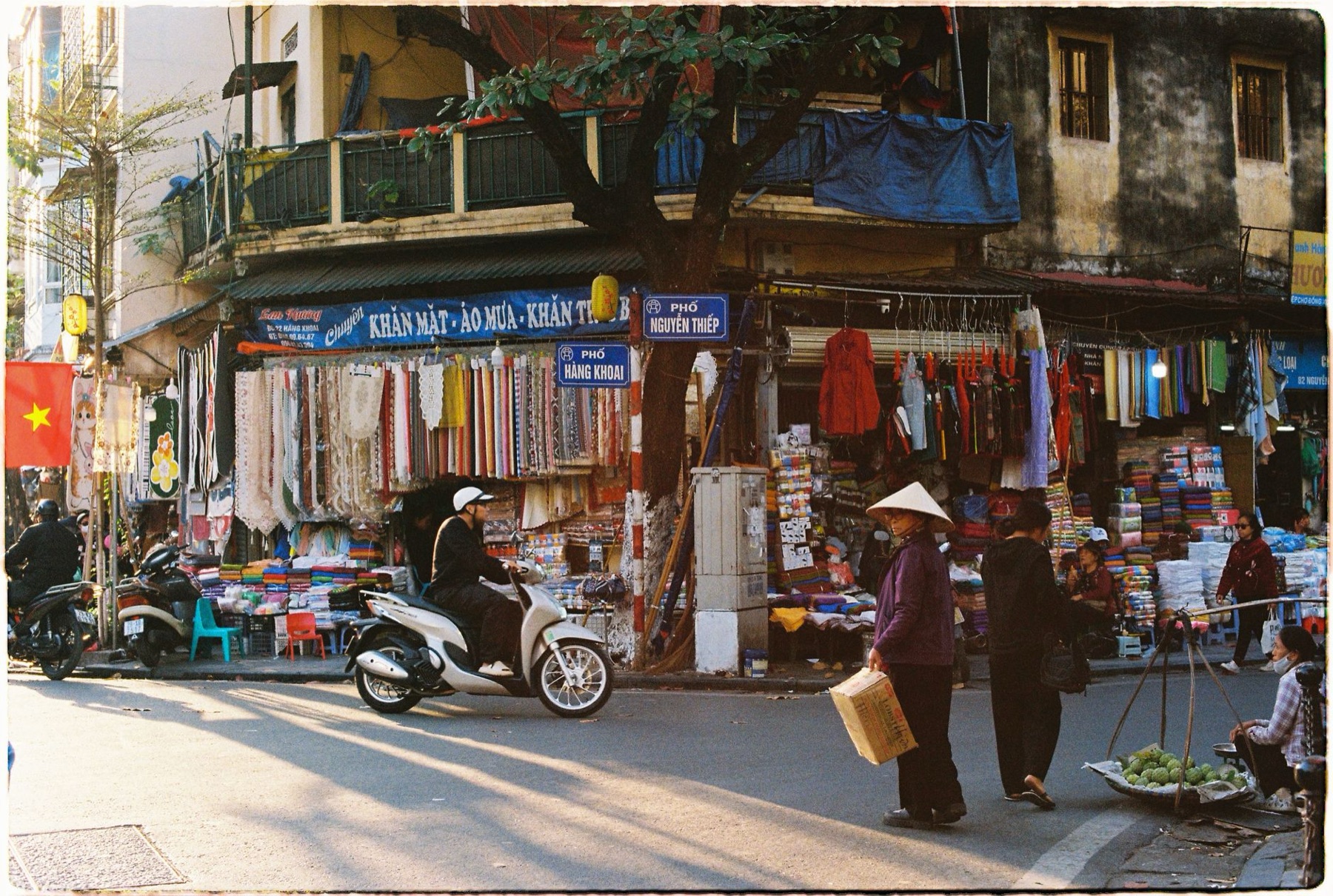
Old Quarter (Hoan Kiem ward): Most street-food tours start here. Narrow alleys, high vendor density, evening crowds. Best 6–9 PM for pho vendors, crowded and loud, fun for energy. Avoid noon–3 PM (heat, vendor shutters).
Ba Mieu, Dong Xuan market area: Wetter, wholesale, authentic but less touristy. Better for morning market tours (6–9 AM when vendors rush). Easier to see sourcing, negotiate prices, fewer photo-tourists.
Tran Hung Dao, Hoan Kiem: Upscale food walks here (beer halls, rooftop crawls). Evening, 6–10 PM. Price: $40–80 per person including drinks.
Nghi Tam village (West Lake): Some operators run "village to table" tours starting here. 3–4 hours, usually 7–11 AM. Less crowded, stronger agriculture angle, slightly higher price ($50–100).
Timing: Hanoi's best eating is 6–9 PM and 6–8 AM. Mid-day tours (11 AM–2 PM) are cheaper but most vendors are closed and heat is intense. Book 5–7 days ahead for evening walks, 3 days for cooking classes.
Before You Pay: A 5-Point Checklist
- Confirm group cap & nationality mix. Ask "how many people maximum?" and "who booked this week?" Non-English-only groups won't suit if you need translation.
- Check included beverages. Do they cover water, coffee, beer, or just food samples? Clarify so you don't face surprise bills.
- Ask about dietary flexibility. Message the operator with your needs; gauge how they respond. Bad responses = skip.
- Verify start/end location & transport. Will they pick you up? Is the meeting point central? How far is it from your hotel? Calculate commute time.
- Read exact cancellation rules. Get it in writing (screenshot or email confirmation). Avoid operators who only message over WhatsApp with unclear terms.
Booking direct with a local guide (search Facebook groups like "Hanoi Expats" or "Hanoi Food Lovers" for referrals) often costs $5–10 less and gives flexibility. Established platforms (Viator, GetYourGuide) add 15–20% markup but offer buyer protection.
📸 Book an ao dai photoshoot in Hanoi or Saigon (Cáo Studio) | 🗺️ Plan your route: Vietnam itinerary
What to Skip & Why
Avoid "all-inclusive" packages that bundle non-food activities (cyclo ride, souvenir shopping). You'll spend 30% of time traveling, 20% in shops, 50% eating. A focused food tour is better value.
Skip tours advertising unlimited alcohol or beer-hall crawls if you're not a drinker; they're marketed for stag nights and tend to de-emphasize actual cuisine for spectacle.
Don't book a tour focused on one dish (e.g., "Pho Tour Only"). Hanoi's street food is variety-driven. A pho-only walk means visiting 4–5 pho shops in 2 hours—repetitive, and you miss broth subtlety after the first bowl.
Avoid late-night tours (after 10 PM) unless you're with locals. Night markets are real but aim for 7–9 PM sweet spot (vendors fresh, light exists, not rowdy).
If you're vegetarian or vegan, don't book a standard street-food walk without pre-notification and operator confirmation they have stops for you. Hanoi's vegetarian scene is small and vendors won't offer alternatives unless asked.
See Hanoi's full food scene guide for year-round restaurant recommendations, seasonal dishes, and markets to explore solo.
🎟️ Compare tours & tickets for this place
How to Make the Most of Your Experience
Bring a small backpack, not a large roller suitcase (vendors are cramped, alleyways tight). Wear slip-on shoes you can wash easily (streets are wet, grease splatters). A phone with offline maps (download before you go) helps if you get separated.
Ask your guide which vendors have been there longest—these tend to have the most refined recipes. Eat slowly; you'll taste more and feel satisfied longer.
Take a photo of the vendor's name or stall number if you want to return solo later. Most don't have English signage; guides know the shortcuts.
If a dish seems unsanitary (raw meat left in sun, water looking cloudy), don't eat it. A good guide will respect your hesitation. Your stomach is not a travel merit badge.
Tip guides in cash (100,000–200,000 VND, around $4–8 USD) at the end, even if not mandatory. It improves their livelihood and encourages honest recommendations.
Consider extending your food knowledge by visiting Ninh Binh (mountain cuisine, fresh greens), Hoi An (regional sea-to-table traditions), or Ha Long Bay (seafood) regions later in your trip for comparison.
---
FAQ
Are food tours safe for solo female travelers?
Yes. Evening street-food tours in Old Quarter are busy, well-lit, and vendor areas are public. Cooking classes in established kitchens are safest. Avoid lone walks with male guides you haven't verified; book group tours or bring a friend if you're cautious.
What if I get food poisoning during a tour?
Reputable operators have traveler insurance and know nearby clinics (International SOS Hanoi handles tourists; tel +84 24 3934 0555). Inform your guide immediately; they'll help translate symptoms and locate help. Check if the tour operator covers medical costs in terms before booking.
Can I do a food tour if I don't speak Vietnamese?
Yes. Book English-language tours explicitly; verify guide's fluency level via chat first. Most guides in Old Quarter speak working English. For private tours, request a guide who speaks your language at booking.
Is haggling expected during street-food tours?
No. Your guide negotiates bulk prices beforehand; you don't haggle individually. If doing solo walks later, casual vendors don't expect haggling, but a smile + polite request for a small portion ("một chút" = "a bit") sometimes gets a discount.
What's the best time of year for a Hanoi food tour?
October–April (20–28°C, dry). May–September is hot (30–35°C), humid, and monsoon rains flood alleyways unexpectedly. Tours run year-round, but comfort is highest in cool months.
Can I book a food tour for my family with kids under 10?
Yes, but inform the operator upfront. Kids may not eat all street foods; confirm they have light or familiar options (plain rice, mild broths). Walking time and standing in crowds can tire young children; morning market tours (1.5–2 hours) are gentler than evening street crawls.
Do food tours include transportation back to my hotel?
Rarely included at base price. Some operators offer pick-up (+$5–10) or drop-off as add-on. Check before booking. Old Quarter tours often end centrally; it's walkable or cheap taxi (20,000–50,000 VND, $1–2 USD) back to central hotels.
What if I'm allergic to seafood or shellfish?
Notify the operator 5+ days before. Many street foods in Hanoi use fish sauce (fermented fish), shrimp paste, or anchovies as base—not always avoidable. A trustworthy operator will either skip seafood stops or find dedicated vegetarian vendors for you. Cooking classes are easiest to customize. ===
FAQ
Are food tours safe for solo female travelers?
Yes. Evening street-food tours in Old Quarter are busy, well-lit, and vendor areas are public. Cooking classes in established kitchens are safest. Avoid lone walks with male guides you haven't verified; book group tours or bring a friend if you're cautious.
What if I get food poisoning during a tour?
Reputable operators have traveler insurance and know nearby clinics (International SOS Hanoi handles tourists; tel +84 24 3934 0555). Inform your guide immediately; they'll help translate symptoms and locate help. Check if the tour operator covers medical costs in terms before booking.
Can I do a food tour if I don't speak Vietnamese?
Yes. Book English-language tours explicitly; verify guide's fluency level via chat first. Most guides in Old Quarter speak working English. For private tours, request a guide who speaks your language at booking.
Is haggling expected during street-food tours?
No. Your guide negotiates bulk prices beforehand; you don't haggle individually. If doing solo walks later, casual vendors don't expect haggling, but a smile + polite request for a small portion ("một chút" = "a bit") sometimes gets a discount.
What's the best time of year for a Hanoi food tour?
October–April (20–28°C, dry). May–September is hot (30–35°C), humid, and monsoon rains flood alleyways unexpectedly. Tours run year-round, but comfort is highest in cool months.
Can I book a food tour for my family with kids under 10?
Yes, but inform the operator upfront. Kids may not eat all street foods; confirm they have light or familiar options (plain rice, mild broths). Walking time and standing in crowds can tire young children; morning market tours (1.5–2 hours) are gentler than evening street crawls.
Do food tours include transportation back to my hotel?
Rarely included at base price. Some operators offer pick-up (+$5–10) or drop-off as add-on. Check before booking. Old Quarter tours often end centrally; it's walkable or cheap taxi (20,000–50,000 VND, $1–2 USD) back to central hotels.
What if I'm allergic to seafood or shellfish?
Notify the operator 5+ days before. Many street foods in Hanoi use fish sauce (fermented fish), shrimp paste, or anchovies as base—not always avoidable. A trustworthy operator will either skip seafood stops or find dedicated vegetarian vendors for you. Cooking classes are easiest to customize. ===