Hanoi · Food
Street Food Tour Hanoi: What to Book, Prices & Real Guides
By Wander in Vietnam editorial team · Hanoi, Vietnam
Hanoi's street food culture isn't a tourist checkbox—it's how the city eats. From 6 am pho queues to midnight com tam stands, every dish has a neighborhood and a reason locals line up.
The key decision: which format gets you fed well without wasting time or money?
We've tested walking tours, motorbike tours, and solo discovery. Here's what actually works.
What type of tour fits your style and budget?
Walking tours work best if you're in Old Quarter (Hoan Kiem district) with 2–3 hours and moderate fitness. Motorbike tours reach markets, artisan producers, and residential areas like Tay Ho or Kim Ma in less time. Private guides cost more but let you set the pace and dietary priorities. Group tours ($24–35 USD equivalent) feel rushed but split costs; private guides ($50–70 USD) give control.
🎟️ Compare tours & tickets for this place
| Tour Type | Best For | Duration | Typical Cost (VND) | What You'll Try |
|---|---|---|---|---|
| Walking group (Old Quarter) | First-timers, budget-conscious | 2–3h | 600,000–800,000 | Pho, egg coffee, banh mi, spring rolls |
| Walking private (Old Quarter) | Dietary needs, slower pace | 2–3h | 1,200,000–1,500,000 | Same + guide tailors stops |
| Motorbike group (mixed areas) | Adventurous, want distance | 3–4h | 800,000–1,200,000 | Market, factories, residential street stalls |
| Motorbike private (mixed areas) | Comfort, specific neighborhoods | 3–4h | 1,500,000–2,000,000 | Customized by guide + your requests |
| Solo walking + map | Independent, flexible budget | 2–4h | 0 + food costs | Your choice, no guide markup |
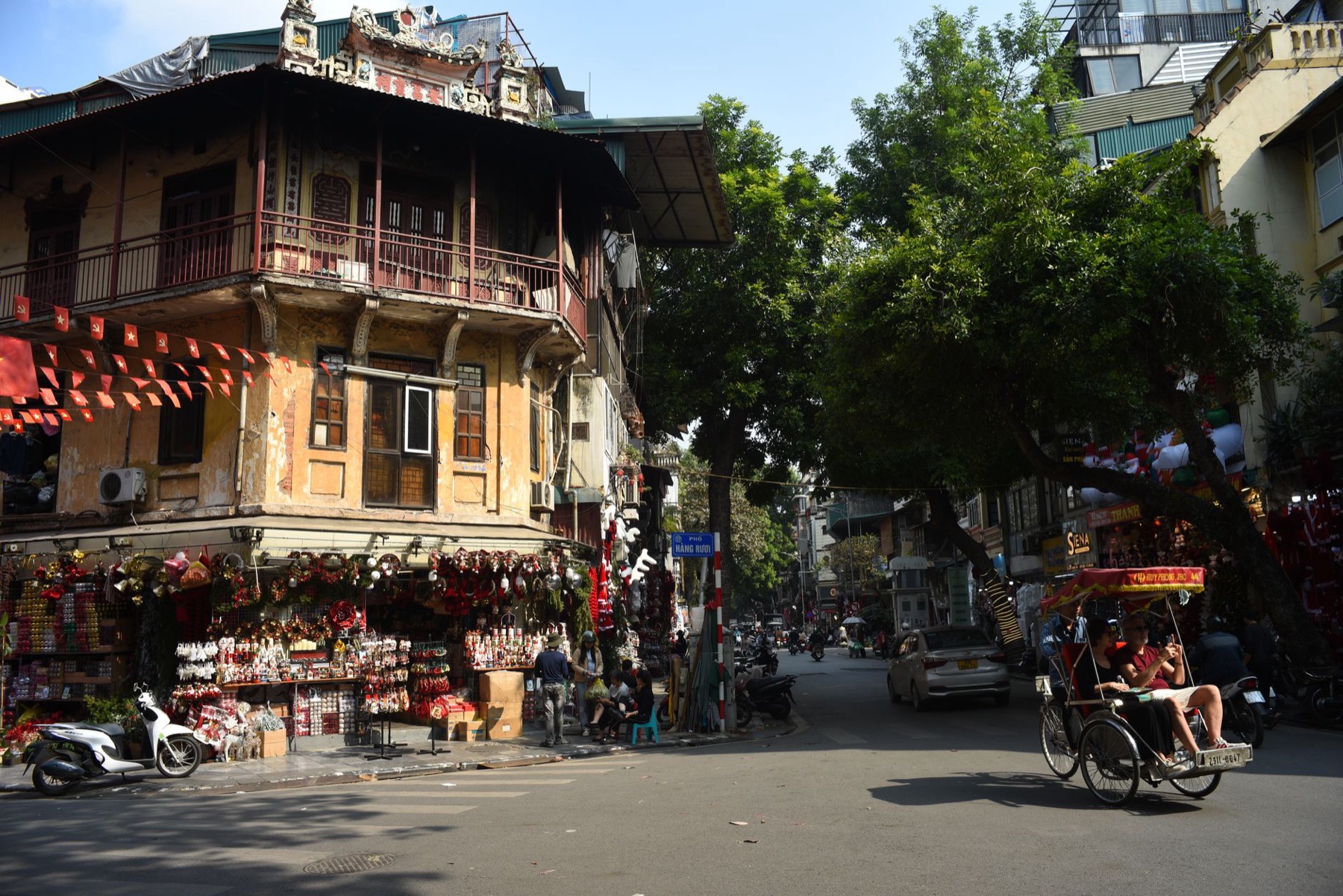
Where do walking tours actually take you?
Most walking tours start near Hoan Kiem Lake (central district) and loop through Old Quarter's narrow streets—Hang Buom, Hang Gai, Ta Hien, Hang Manh. You'll stop at family-run pho shops (still open at 6 am), egg coffee cafes (not just tourist traps), and banh mi vendors on street corners. A few upscale operators include visits to wet markets like Dong Xuan Market (Hang Dao ward) or sneak into local neighborhoods near Thanh Ha or Tran Hung Dao where residents eat.
Reality check: crowded streets mean waiting in line, bumped by motorbikes, and loud background noise. Some vendors get annoyed at tour groups stopping traffic. If you're sensitive to chaos, book early morning (6–8 am) rather than evening.
🗺️ Plan your route: Vietnam itinerary
Why motorbike tours reach better food (and what risks matter)
Motorbike tours access neighborhoods walking tours skip: Tay Ho (West Lake area), Long Bien (Red River markets), Kim Ma ward (hidden com tam and banh chay spots). You'll reach artisan producers—rice paper makers in outskirts, sticky rice vendors in Tay Ho's villages, night market stalls that locals prefer.
Safety & comfort reality:
- Helmet is compulsory and should fit snugly.
- Sit behind an experienced driver; they navigate traffic.
- Expect 15–25 minute rides between stops; roads are bumpy.
- Not ideal in rain or if you have mobility issues.
- Budget an extra 200,000 VND (~$8) for gratuity if you're satisfied.
Scam alert: avoid "free" motorbike ride offers on street corners—they'll push you toward overpriced restaurants with fake menus. Book through your hotel, a reputable tour platform, or a guide with a verified business phone number.
What's the real cost breakdown (food + guide)?
A 1,000,000 VND (~$40 USD) group motorbike tour typically includes:
- Guide fee: ~600,000 VND
- Motorbike rental & fuel: ~200,000 VND
- 5–7 dishes (your food): ~150,000–250,000 VND (guide may negotiate bulk discounts)
- Markup/platform commission: ~50,000 VND
If booking private, add 500,000–800,000 VND for the guide's solo availability.
Eating alone (no tour) costs 100,000–200,000 VND for the same 5 dishes but takes longer, involves wrong turns, and you miss the why behind dishes. For first-timers, a guide's context (which vendor's been there 20 years, which dish is seasonal) adds real value.
Pro tip: negotiate upfront if booking direct with a driver. Ask if the guide eats with you (most do) and confirm stops before departing.
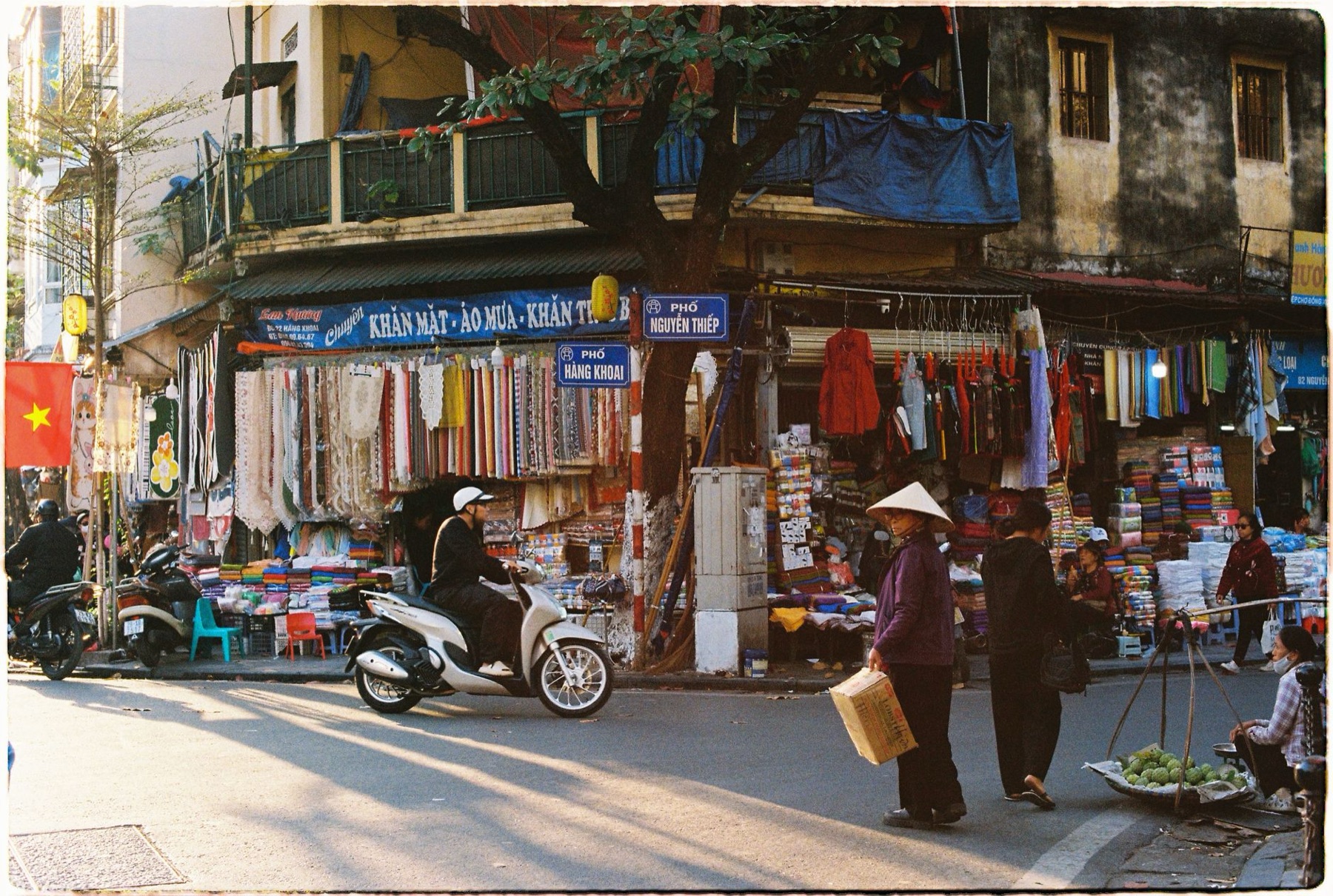
Red flags and honest scams to sidestep
The setup: a "guide" approaches you on Ta Hien Street (Old Quarter's tourist strip) offering a "free" or "cheap" food tour. Usually leads to one overpriced restaurant with inflated prices and fake menus.
How to avoid it:
- Book 24 hours ahead through your hotel, Klook, Viator, or a guide with a website.
- Ask for the guide's name and phone; reputable operators answer calls.
- Confirm the route and exact restaurant/stall names in a message before you go.
- If a vendor seems to know the "guide," trust your gut—it's often a kickback scheme.
Real complaint: some tours rush through stops so guides hit more neighborhoods; you're eating while walking, not sitting. Ask tour operators if you can request slower-paced groups.
What not to eat on street tours:
- Uncooked salads at busy stalls (high contamination risk if ice is questionable).
- Seafood at non-market stalls if it's been sitting in heat >2 hours.
- Anything from a cart that's been stationary all day without clear prep area.
These aren't "street food" red flags specifically—they apply everywhere—but group tours move fast, so you won't see how long food's been sitting.
Solo exploration: the checklist if you skip a guide
If you're experienced and want to build your own tour, use this decision framework:
Before you start:
- [ ] Have a map of Hanoi open or download offline (Google Maps works, some streets aren't named).
- [ ] Identify 4–5 neighborhoods: Old Quarter (touristy but reliable), Ba Dinh (local vibe), Tay Ho (artisan/residential), Dong Da (com tam central), or Hang Buom ward (pho tradition).
- [ ] Pick a time window (6–8 am for pho/breakfast, 11 am–1 pm for lunch, 5–7 pm for dinner stalls).
- [ ] Budget 3–5 hours and 300,000–400,000 VND for 6–8 dishes.
How to eat like a local, not a tourist:
- Ask your hotel staff for one recommended dish + location (they know quality vendors their family uses).
- Eat where you see locals queuing (not tourists with cameras).
- If a stall has a menu board with prices in two languages, assume markup for visitors.
- Sit or stand, order one dish, watch the vendor's technique, then decide if you want more.
What to check before ordering:
- Is the vendor prepping fresh (chopping, grilling, boiling) or reheating?
- Is the broth in pho or soups actively simmering?
- Do local diners look healthy (no one rushed to a bathroom)?
- Can you see where water/ice comes from?
🗺️ Plan your route: Vietnam itinerary
If you're planning a longer Vietnam trip, check our full Hanoi guide and food pillar for neighborhood breakdowns, market hours, and seasonal dishes. For comparison, Ho Chi Minh City, Hoi An, and Ha Long Bay each have distinct street food traditions worth exploring on separate trips.
📸 Book an ao dai photoshoot in Hanoi or Saigon (Cáo Studio) (capture your food tour memories in traditional dress)
When should you book, and what questions to ask beforehand?
Book walking tours 1–2 days in advance (flexibility for weather cancellations). Motorbike tours need 24 hours so the operator can assign a driver and confirm numbers. Ask:
- How many stops and what dishes? (Aim for 5–7 dishes minimum; some cheap tours skip meals.)
- Is the guide fluent in English/your language? (Translation apps help, but live explanation adds value.)
- What's included: water, snacks, or just meals? (Premium tours offer coffee or dessert.)
- Can I leave early or adjust stops for dietary needs? (Reputable operators say yes.)
- What's the cancellation policy if weather turns bad?
Pay a deposit (usually 30–50% of total) via your booking platform. Final payment can be cash or card on the tour. Keep your receipt with the guide's name and phone.
---
For your wider Vietnam journey, grab an eSIM for reliable navigation and check visa requirements if needed. Consider regional tours in Ninh Binh, Sapa, or day trips to Ha Long Bay—each has signature street food. After your Hanoi tour, book an ao dai photoshoot with Cáo Studio to immortalize your culinary adventure in traditional dress.
🎟️ Compare tours & tickets for this place
FAQ
How do I know if a street food tour guide is legitimate?
Legitimate guides have a business phone number, business cards or a website, and will confirm the tour route in writing before you meet. Ask your hotel to recommend guides they've worked with. Avoid anyone who cold-approaches you offering "special deals."
Can I do a street food tour alone, or is a guide necessary?
Solo exploration is possible if you're comfortable with navigating busy streets and basic Vietnamese. A guide adds safety, insider knowledge, and access to family stalls that don't advertise. First-timers usually benefit from a half-day guide to learn the lay of the land.
What happens if I have food allergies on a group tour?
Inform the tour operator when booking, not the morning-of. Private guides are better for allergies since they can call ahead and customize stops. Group tours move fast and may not accommodate specific requests well.
Why do some tours include motorbike rides and others walking?
Walking tours are confined to Old Quarter (dense streets, short distances). Motorbike tours reach outer neighborhoods (Tay Ho, Kim Ma, Long Bien) in 3–4 hours. Choose based on fitness level and how far you want to go.
How much should I tip a street food tour guide?
Tipping is not expected in Vietnam, but guides appreciate 100,000–200,000 VND (~$4–8) if the tour was excellent. Include it in your final payment if paying cash.
What's the best time of year to do a Hanoi street food tour?
October–April (cool, dry weather) is ideal. May–September is hot, humid, and rainy; street food tours are uncomfortable and stalls may close temporarily. Winter mornings (6–8 am) are busy with locals and perfect for pho tours.
Can I customize a private street food tour to include a specific neighborhood?
Yes. Book a private guide and specify neighborhoods (Tay Ho, Ba Dinh, Dong Da) and dietary preferences. They'll plan accordingly. Expect to pay 1,500,000–2,000,000 VND (~$60–80) for 3–4 hours.
Do street food tours visit markets like Dong Xuan?
Some do, especially morning walking tours that include a 30-minute market stop. Motorbike tours less often (markets are crowded and hard to navigate on a bike). Confirm in the tour description if a market visit matters to you.
FAQ
How do I know if a street food tour guide is legitimate?
Legitimate guides have a business phone number, business cards or a website, and will confirm the tour route in writing before you meet. Ask your hotel to recommend guides they've worked with. Avoid anyone who cold-approaches you offering "special deals."
Can I do a street food tour alone, or is a guide necessary?
Solo exploration is possible if you're comfortable with navigating busy streets and basic Vietnamese. A guide adds safety, insider knowledge, and access to family stalls that don't advertise. First-timers usually benefit from a half-day guide to learn the lay of the land.
What happens if I have food allergies on a group tour?
Inform the tour operator when booking, not the morning-of. Private guides are better for allergies since they can call ahead and customize stops. Group tours move fast and may not accommodate specific requests well.
Why do some tours include motorbike rides and others walking?
Walking tours are confined to Old Quarter (dense streets, short distances). Motorbike tours reach outer neighborhoods (Tay Ho, Kim Ma, Long Bien) in 3–4 hours. Choose based on fitness level and how far you want to go.
How much should I tip a street food tour guide?
Tipping is not expected in Vietnam, but guides appreciate 100,000–200,000 VND (~$4–8) if the tour was excellent. Include it in your final payment if paying cash.
What's the best time of year to do a Hanoi street food tour?
October–April (cool, dry weather) is ideal. May–September is hot, humid, and rainy; street food tours are uncomfortable and stalls may close temporarily. Winter mornings (6–8 am) are busy with locals and perfect for pho tours.
Can I customize a private street food tour to include a specific neighborhood?
Yes. Book a private guide and specify neighborhoods (Tay Ho, Ba Dinh, Dong Da) and dietary preferences. They'll plan accordingly. Expect to pay 1,500,000–2,000,000 VND (~$60–80) for 3–4 hours.
Do street food tours visit markets like Dong Xuan?
Some do, especially morning walking tours that include a 30-minute market stop. Motorbike tours less often (markets are crowded and hard to navigate on a bike). Confirm in the tour description if a market visit matters to you.