Hanoi · Food
Best Street Food in Hanoi: What to Order, Where, and Real Prices #
By Wander in Vietnam editorial team · Hanoi, Vietnam
Hanoi's street food scene isn't romantic—it's transactional, crowded, and deceptively simple. A bowl of phở costs less than a coffee, tastes better than most restaurants, and teaches you more about the city than any guidebook. But tourists often eat the wrong thing at the wrong place and blame the city instead of themselves.
We've spent enough mornings standing in wet markets and squatting at plastic stools to know which vendors pull quality ingredients fresh, which ones recycle mystery meat, and which ones price by nationality. This guide cuts through Instagram nostalgia and shows you exactly what to order, where, when, and for how much.
🗺️ Plan your route: Vietnam itinerary
What makes Hanoi street food different from the rest of Vietnam?
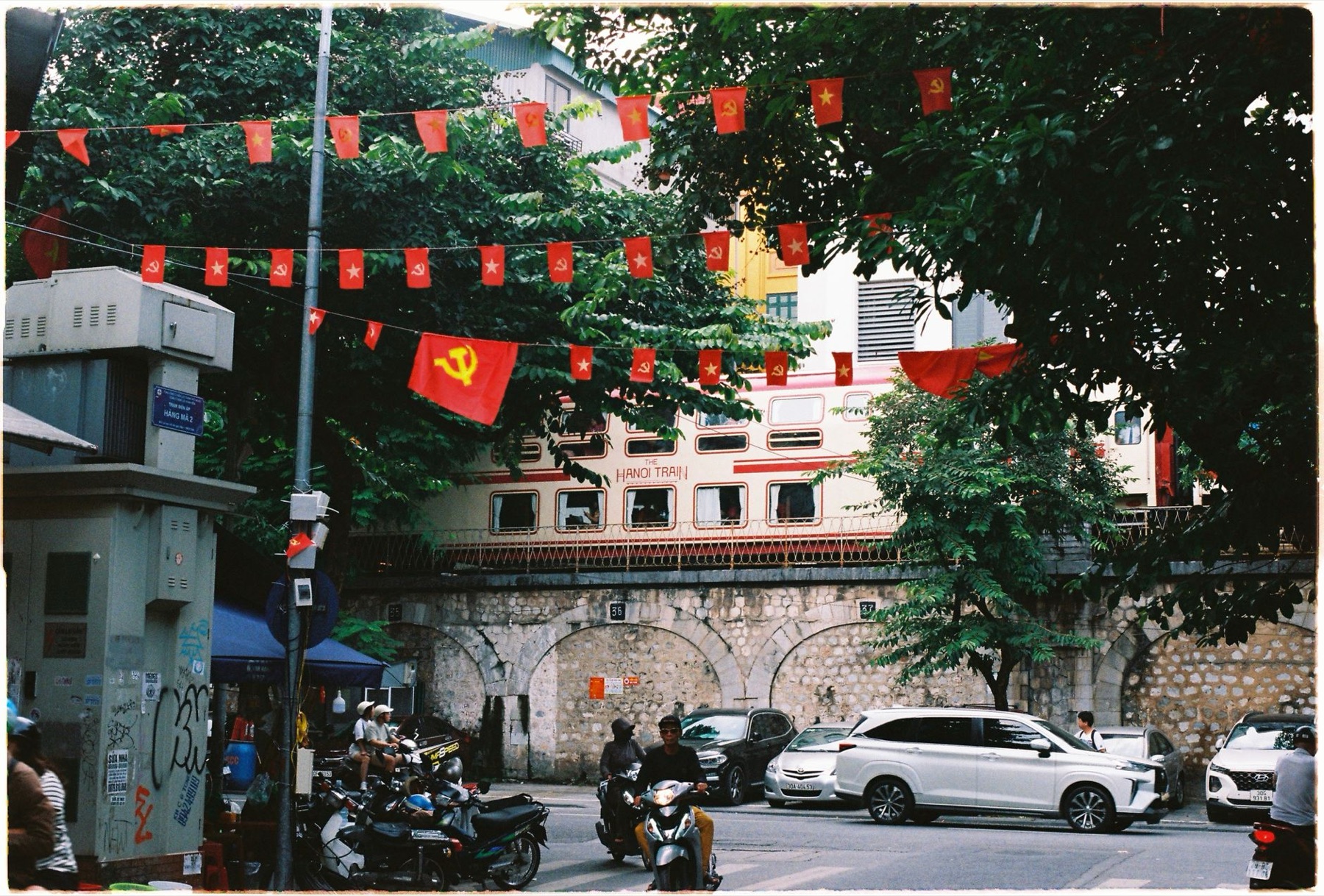
Hanoi street food reflects old-family recipes, not tourism. Every dish has a neighborhood origin—bún chả from Kham Thiên, bánh hoai from Hoi An influence, cơm tấm from the South. The capital absorbs flavors from every region, then locals defend their version as the only real one. Prices are 20–30% lower than Ho Chi Minh City. Vendors work early (5–8 a.m.) not because tourists wake up early, but because lunch is over by 2 p.m. This rhythm is nonnegotiable.
Which street food dishes are worth hunting for?
Phở at dawn is not optional if you're in Hanoi. A bowl at a proper phở stand costs around 30,000–45,000 VND ($1.20–$1.80). Avoid places with English menus and clear glass windows. Real phở vendors work from a cart or hole-in-the-wall with two tables, boil broth overnight, and never add sugar. Look for queues forming before 6:30 a.m. The noodles should be just-cooked and silky, the broth subtly sweet from star anise and bone marrow, not salty.
Bún chả (grilled pork with dipping sauce and herbs) is street theater. A full plate with two pork meatballs, grilled ribs, and clear broth costs around 40,000–60,000 VND ($1.60–$2.40). The pork must be grilled over charcoal minutes before serving—if it's warm but not hot, walk away. This dish is best at lunch (11 a.m.–1 p.m.), not dinner.
Bánh mì has become a tourist cliché, but the original is still exceptional. From a proper bánh mì cart (not a plastic storefront), expect to pay 25,000–50,000 VND ($1–$2) for a half-baguette filled with pâté, cold cuts, pickled vegetables, cilantro, and mayo. Quality signs: the vendor makes the baguette that morning or sourced it from a known bakery, fillings are prepped fresh daily, and they don't wear a napkin wrapped around their wrist.
Chè (Vietnamese sweet soup) comes in dozens of versions. Chè ba màu (three-color: corn, jelly, coconut cream) costs around 15,000–25,000 VND ($0.60–$1). Chè chuối (banana soup) and chè trà xanh (green tea with tapioca) are lighter. These are afternoon drinks, not breakfasts—order around 3–5 p.m. when the liquid is freshly made and cold.
Cơm tấm (broken rice with side proteins) costs 30,000–50,000 VND ($1.20–$2) and is breakfast for working Hanoians, not tourists. The rice should feel slightly wet, and the egg should be fried in pig fat or oil until the edges crisp. Skip it if the rice is fluffy and separated—that means it's been sitting.
📸 Book an ao dai photoshoot in Hanoi or Saigon (Cáo Studio)
Street food price comparison: what you're actually paying
| Dish | Typical Cost (VND) | USD Equiv. | Who It's For | Quality Red Flag |
|---|---|---|---|---|
| Phở | 30,000–45,000 | $1.20–$1.80 | Early risers, broth lovers | No queue before 6 a.m.; noodles pre-cooked |
| Bún chả | 40,000–60,000 | $1.60–$2.40 | Lunch eaters, pork fans | Cold pork; no charcoal smell |
| Bánh mì | 25,000–50,000 | $1–$2 | Quick meals, all day | Stale bread; pre-cut fillings |
| Chè | 15,000–25,000 | $0.60–$1 | Afternoon, sweet-tooth | Canned fruit; tepid temperature |
| Cơm tấm | 30,000–50,000 | $1.20–$2 | Breakfast, rice-focused | Separated, fluffy rice |
| Bánh cuốn | 20,000–35,000 | $0.80–$1.40 | Breakfast, soft-food lovers | Thick, gummy rolls; no sizzle |
Prices vary by neighborhood and vendor reputation. Old Quarter vendors charge 15–25% premium. Authentic vendors in Dong Xuan Market or near Ba Trieu Street charge local rates.
Where to eat by neighborhood: street food zones that actually exist
Old Quarter (Hoàn Kiếm District): Tourist-saturated but not useless. Stick to morning hours (before 8 a.m.) and avoid any cart with a laminated English menu. Ta Hien Street has good bánh mì from rolling carts. Avoid sit-down "street food restaurants"—that's contradiction in terms. Real vendors are on the street, not in air-conditioned rooms.
Dong Xuan Market (Hoàn Kiếm): The city's oldest covered market has fresh produce, meats, and dozens of standing-room-only food stalls. Phở, bánh cuốn, and meatball soups are the staples. Go before 9 a.m. Expect chaos, no signage, and exactly zero tourists. Prices are 10–20% lower than outside. Bring small change; most stalls don't make change for large notes. This is how Hanoi actually eats.
Ba Trieu Street (Hoàn Kiếm): A 500-meter stretch with 6–8 dedicated phở carts and bún chả stands. The quality is consistent and the crowd is 90% local. Arrive between 6–7 a.m. for phở or 11 a.m.–1 p.m. for bún chả. Vendors recognize regulars and portion accordingly.
Hoan Kiem Lake (lakeside, Hoàn Kiếm): Evening food carts gather near the lake's eastern and northern edges after 5 p.m. Chè, sugar cane juice, and grilled items. Prices are tourist-standard (20–30% higher). The setting is prettier than the food quality, but chè chuối at sunset has its charm.
Thanh Xuân District (further out, less known): We recommend this if you stay longer than three days. Food quality is higher, prices are 30% lower, and you'll see zero tourists. Bánh mì, phở, and bánh cuốn vendors work the same hours as Old Quarter but don't expect English and won't adjust for you.
🎟️ Compare tours & tickets for this place
How to spot a quality vendor before you order (and what to avoid)
Check the setup, not the signage. A real phở vendor has a single large pot, visible flame underneath, and noodles cooking in a separate colander. Avoid "famous" phở places with multiple pots, printed menus, or more than eight stools. The simplicity is the guarantee.
Watch the ingredient prep. Quality vendors buy herbs fresh from Dong Xuan or another market that morning. If the basil and mint look wilted or pre-packaged, move on. The herb pile should smell sharp and alive. Ask "herbs fresh today?" (Rau tươi hôm nay?). If they hesitate or say "yes, yesterday," leave.
Look for queues at the right time. At 7 a.m., a phở cart with three standing customers is normal. A phở cart with no one is a warning. At 2 p.m., any food cart is past its prime—lunches are finished. Evening street food (after 5 p.m.) is legitimate but different: chè, grilled items, drinks. Ignore Instagram's 8 p.m. "authentic street food" narrative—Hanoians eat early or go to restaurants later.
Avoid these scenarios:
- Vendor wears gloves (suggests health concern, or serves tourists only).
- Multiple sauce bottles already open at the table (cross-contamination risk).
- Cart parked directly under a shop sign saying "World Famous" or any English.
- Meat that's been grilled once and reheated (you'll see it sitting under a heat lamp).
- Vendor counts change slowly or insists you're short (common scam with tourists; use exact change or ask price upfront).
Ordering and negotiation: what to say and what to pay
Most food vendors don't speak English. Use Vietnamese phrases or point and hold up fingers for quantity. Prices are fixed, not negotiable, unless you're buying in bulk (ten bánh mì for a group—then perhaps 5–10% off).
Common phrases:
- "Một phần phở" = one bowl of phở.
- "Mấy tiền?" = how much? (always ask before eating if unsure).
- "Không cay" = not spicy.
- "Thêm rau" = extra herbs.
Payment is cash only at 95% of vendors. No card reader, no apps, no USD. ATMs are nearby in Old Quarter. For trips to outer markets, have 100,000–500,000 VND in mixed denominations. Tipping isn't expected but loose change left on the table is appreciated.
Prices listed above are current for 2026 and vary by neighborhood. Old Quarter and tourist zones charge 30–50% premiums. Eating at a cart instead of a sit-down stall saves 10–20%.
🗺️ Plan your route: Vietnam itinerary
What to check before you eat: a checklist
Use this checklist when approaching a new vendor:
- Timing: Is this dish served now? (Phở 5–8 a.m.; bún chả 11 a.m.–2 p.m.; chè 2–6 p.m.)
- Queue: Are locals in line? (Yes = likely good; no = risky.)
- Ingredients: Are herbs visibly fresh? Is meat hot and fresh-cooked?
- Hygiene proxy: Are napkins/tissues available? Is water for washing hands visible?
- Price announcement: Does the vendor state price upfront, or do you discover it after?
- Crowding: Are there more than eight plastic stools? (Higher turnover is good; permanent seating suggests tourist trap.)
- Language: Can you communicate the order without English?
If three of seven answers are "no," find another vendor. Hanoi has thousands. One bad meal isn't worth the risk.
---
Related guides: Check our full Hanoi travel guide for neighborhoods, hotels, and cultural do's and don'ts. Planning beyond Hanoi? See our Vietnam itinerary planner to balance street food cities with cultural sites like Hoi An and Sapa.
---
#
FAQ
Is it safe to eat street food in Hanoi?
Yes, if you follow the checklist above. Thousands of locals eat street food daily without issue. The risk comes from eating at low-turnover stalls, not from street food itself. Stick to busy vendors with fresh ingredients and you're safer than many restaurants.
Why do some vendors charge foreigners more?
Price discrimination is common. Avoid stating your nationality upfront. Ask the price before ordering. If a local next to you pays 25,000 VND and you're quoted 50,000 VND, politely say "no, thanks" and move on. There's always another cart.
Can I eat street food late at night in Hanoi?
Most street food vendors close by 3–4 p.m. Evening food (after 5 p.m.) is mainly chè, sugar cane juice, and grilled skewers. Full meals like phở and bún chả are done by lunchtime. Expect limited choice and higher prices at night.
What's the best street food dish for first-timers?
Bánh mì or phở. Both are familiar (sandwich, noodle soup), filling, and low-risk. Avoid bún chả on your first day—it requires eating with chopsticks, dipping in sauce, and managing herbs simultaneously.
Should I book a food tour or explore alone?
Alone is cheaper and slower (better). Tours are 60–120 minutes and hit 4–5 spots with inflated prices. Spend three mornings eating your way through Old Quarter or Dong Xuan instead. You'll eat better, spend less, and understand the rhythm.
What if I get sick after eating street food?
Stomach upset happens from change of diet, not necessarily unsafe food. Drink coconut water or oral rehydration salts (available at pharmacies for around 15,000–30,000 VND). If fever or bloody stools appear, visit a clinic. Street food itself is rarely the culprit—it's usually dehydration or overeating. --- 📸 Book an ao dai photoshoot in Hanoi or Saigon (Cáo Studio)
FAQ
Is it safe to eat street food in Hanoi?
Yes, if you follow the checklist above. Thousands of locals eat street food daily without issue. The risk comes from eating at low-turnover stalls, not from street food itself. Stick to busy vendors with fresh ingredients and you're safer than many restaurants.
Why do some vendors charge foreigners more?
Price discrimination is common. Avoid stating your nationality upfront. Ask the price before ordering. If a local next to you pays 25,000 VND and you're quoted 50,000 VND, politely say "no, thanks" and move on. There's always another cart.
Can I eat street food late at night in Hanoi?
Most street food vendors close by 3–4 p.m. Evening food (after 5 p.m.) is mainly chè, sugar cane juice, and grilled skewers. Full meals like phở and bún chả are done by lunchtime. Expect limited choice and higher prices at night.
What's the best street food dish for first-timers?
Bánh mì or phở. Both are familiar (sandwich, noodle soup), filling, and low-risk. Avoid bún chả on your first day—it requires eating with chopsticks, dipping in sauce, and managing herbs simultaneously.
Should I book a food tour or explore alone?
Alone is cheaper and slower (better). Tours are 60–120 minutes and hit 4–5 spots with inflated prices. Spend three mornings eating your way through Old Quarter or Dong Xuan instead. You'll eat better, spend less, and understand the rhythm.
What if I get sick after eating street food?
Stomach upset happens from change of diet, not necessarily unsafe food. Drink coconut water or oral rehydration salts (available at pharmacies for around 15,000–30,000 VND). If fever or bloody stools appear, visit a clinic. Street food itself is rarely the culprit—it's usually dehydration or overeating. --- [📸 Book an ao dai photoshoot in Hanoi or Saigon (Cáo Studio)](https://vietnamphotoshoot.com)