Hanoi · Food
Hanoi Best Food: Where to Eat & What to Order in 2026
By Wander in Vietnam editorial team · Hanoi, Vietnam
Hanoi's food scene splits into four ecosystems: Old Quarter tourist zones (expensive, inconsistent), residential neighborhoods (cheap, real), rooftop & upscale venues (polished, pricey), and wet markets (chaotic, freshest). Most visitors chase the romance of street food but eat the same five dishes. Instead, we'll show you where locals queue, what actually tastes good, when to eat it, and which famous places don't justify the hype.
What makes Hanoi's street food different from other Vietnamese cities?
Hanoi's food is lighter, more herbaceous, and less sweet than southern Vietnamese cooking. Northern dishes favor subtle fish sauce, fresh herbs (mint, cilantro, perilla), and broth-based meals. The city's dish diversity—specialty soups named by street—reflects centuries of guild-based neighborhoods. You won't find the same energy in Ho Chi Minh City's street markets; Hanoi's food is about ritual and neighborhood loyalty, not scale.
🗺️ Plan your route: Vietnam itinerary
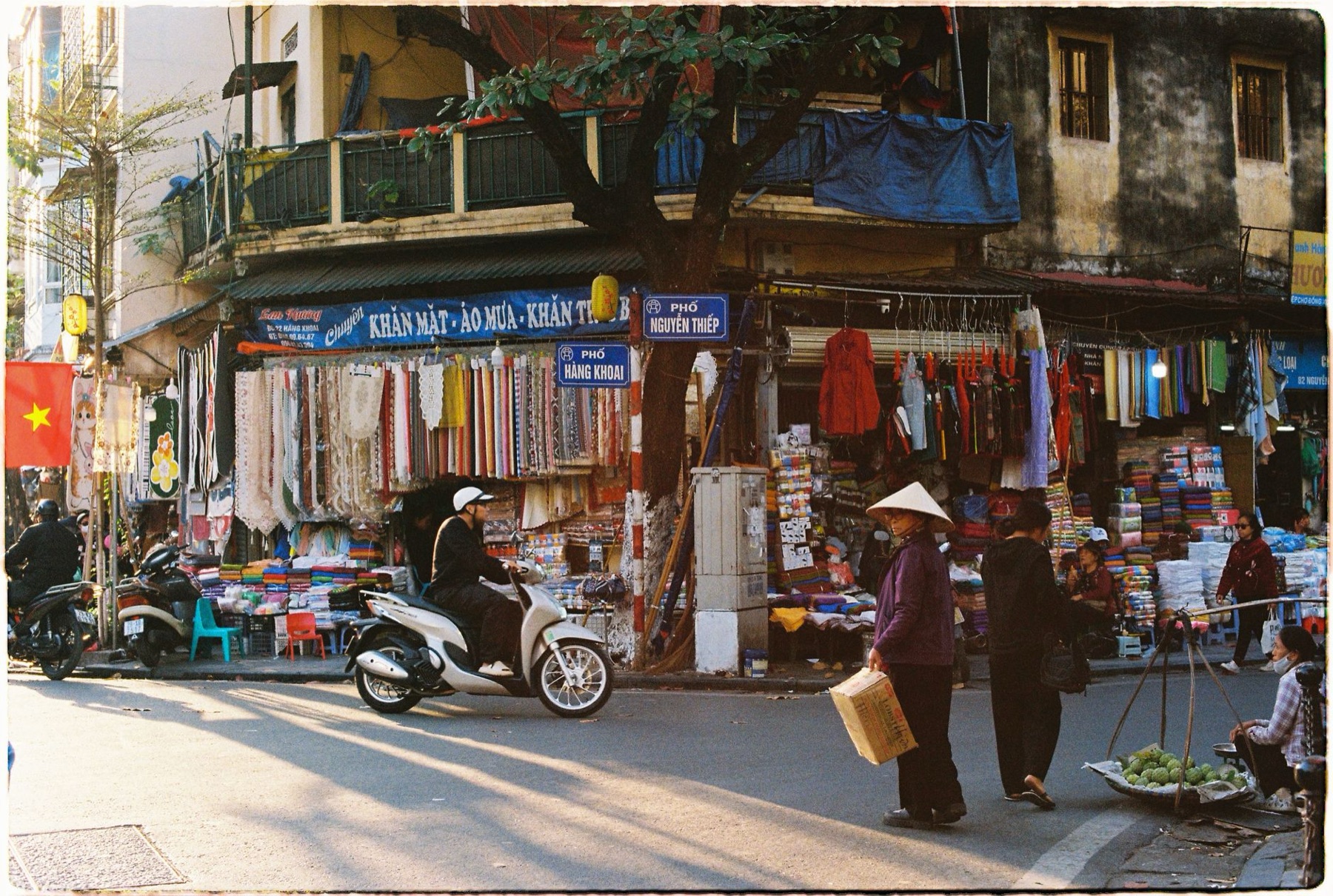
Where do Hanoi residents actually eat breakfast?
Forget cafés. Real breakfast happens at pho stalls (5–7 AM), bánh mì carts (6–9 AM), and cơm tấm shops (6–10 AM). Pho Thin on Manh Duong Street in Hoan Kiem opens at dawn; expect a queue but consistent quality. Bánh mì Pate stands cluster near Hang Buom in the Old Quarter; pick the stall with the longest line. Cơm tấm (broken-rice with egg, grilled pork) costs around 50,000–70,000 VND ($2–$2.80 USD) and fills you for hours. Avoid touristy breakfast spots; locals eat standing, fast, and cheap.
Which night markets deliver real food, not tourist trinkets?
Dong Xuan Market (Hoan Kiem, open 6 AM–6 PM, busiest 5–7 PM) sells live fish, meat, and produce on ground floor; upper levels are textile stalls. For prepared night food, Old Quarter side streets (Hang Gai, Hang Buom) fill with portable stalls 6 PM–midnight selling grilled squid, spring rolls, and lychee drinks. Most tourists miss the real action: residential wet markets in Hai Ba Trung and Dong Da neighborhoods, which close by 8 PM but offer fresher seafood and lower prices than Old Quarter vendors. Night markets aren't restaurants; they're ingredient hunts and snack grazes.
Which famous Hanoi dishes are overrated, and which deserve the queue?
| Dish | Reality | Price | Worth it? | Where to eat |
|---|---|---|---|---|
| Pho Ga (chicken pho) | Iconic; can be watery if broth rushed. | 50,000–90,000 VND ($2–$3.60) | Yes, from a morning-only stall. | Hang Gai or Manh Duong streets |
| Cha Ca (turmeric fish) | Trendy, one-note if you're not fish-focused. | 120,000–200,000 VND ($4.80–$8) | Skip; not worth the hype. | Tourist trap restaurants |
| Egg coffee (cà phê trứng) | Instagram-famous, sickeningly sweet. | 80,000–120,000 VND ($3.20–$4.80) | Skip; try regular filter coffee instead. | Old Quarter cafés (all overpriced) |
| Bun Cha (grilled pork + noodles) | Authentic, flavorful, affordable. | 60,000–100,000 VND ($2.40–$4) | Yes, always. | Residential neighborhoods, lunch only |
| Bánh Hoai (ancient city cake, Hoi An style) | Rare in Hanoi; if found, not authentic. | 40,000–60,000 VND ($1.60–$2.40) | Skip in Hanoi; visit Hoi An guide for the real thing. | Specialty stalls (inconsistent) |
| Banh Mi (Vietnamese sandwich) | Depends entirely on the vendor's pâté & bread. | 30,000–60,000 VND ($1.20–$2.40) | Yes, from a stall with a queue. | Old Quarter, Hai Ba Trung |
Pho, bánh mì, and bun cha are worth eating multiple times to find your favorite stall. Egg coffee and cha ca are tourist magnets; skip both. The best meals rarely appear on "Top 10" lists—they're neighborhood soups with one-word names known only to locals.
📸 Book an ao dai photoshoot in Hanoi or Saigon (Cáo Studio)
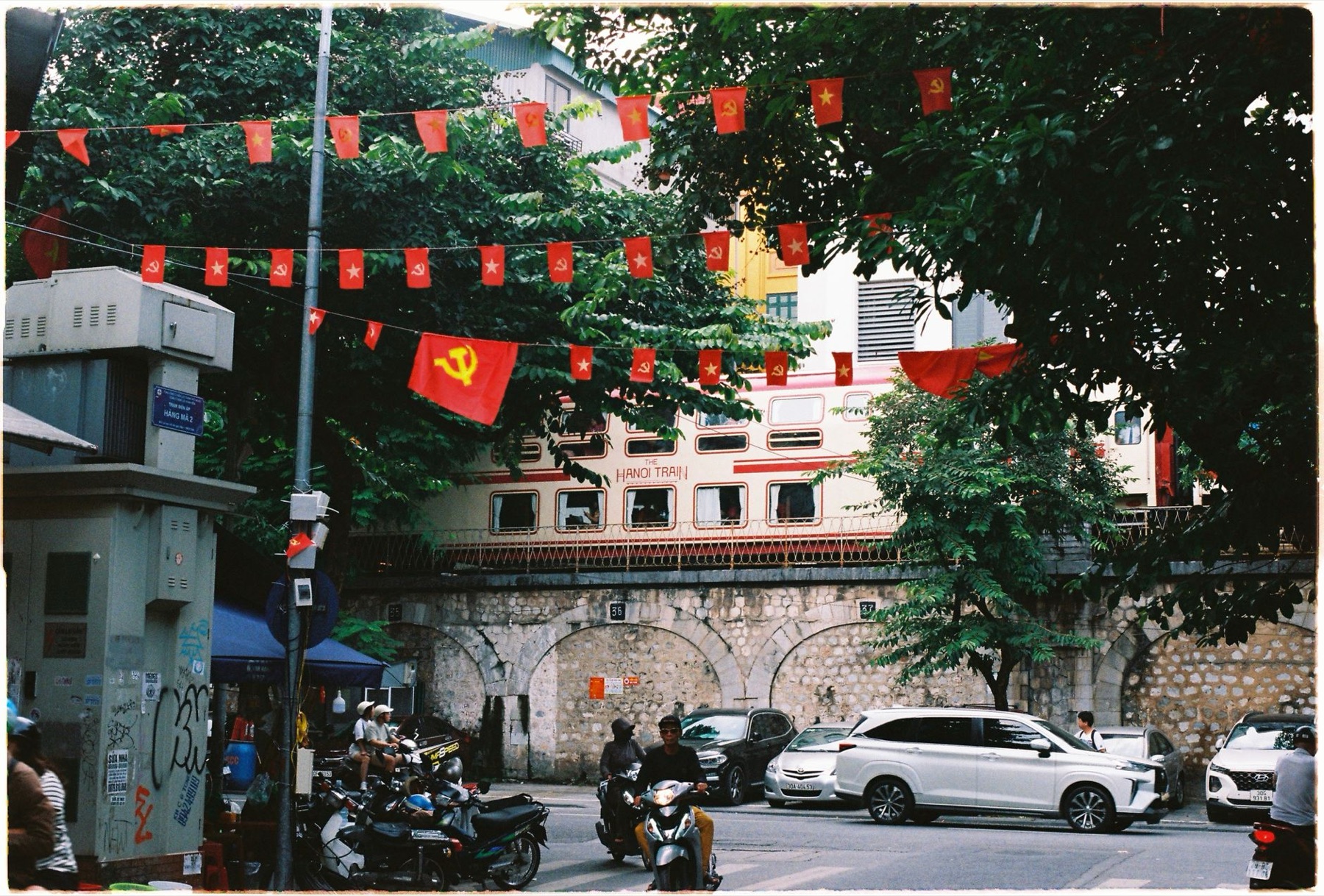
How do you navigate pricing without getting scammed?
Street food should cost 40,000–100,000 VND ($1.60–$4 USD) per item. Sit-down eateries in residential neighborhoods (not Old Quarter) charge 120,000–250,000 VND ($4.80–$10) per dish. Rooftop & upscale venues: 300,000–800,000+ VND ($12–$32+). Scams happen when prices aren't displayed (demand a menu), when tourists sit first then get quoted (eat standing or ask before), or when dishes come overpriced in tourist zones. Old Quarter restaurants using color-coded menus (red for tourists, white for locals) are actively targeting you—walk past. Check our main Hanoi guide for district-by-district restaurant types and realistic costs.
Avoid:
- Any stall on Hang Gai Street (Old Quarter) after 8 PM.
- Restaurants offering "free" appetizers (overcharged later).
- Cha ca spots in Old Quarter; they're all mediocre clones.
Best practices:
- Eat lunch (11 AM–1 PM), not dinner; prices drop 30–50%.
- Go to Hai Ba Trung, Dong Da, or Thanh Xuan districts, not Old Quarter.
- Watch locals queue; follow them.
- Pay cash in exact denominations (no change scams).
Which neighborhoods deliver the best food experience per dong?
Hai Ba Trung District: Residential, lunch-focused, affordable. Bun cha stalls cluster on Hang Dieu Street (11 AM–2 PM, closed Sundays). Com tam shops line Nguyen Hue Street (breakfast & lunch). Expect 50,000–100,000 VND ($2–$4) per meal.
Dong Da District: University area, young crowd, cheap eats. Pho stalls open 5 AM (Tong Duy Tan Street). Night snack culture strong; grilled meat on skewers, 20,000–40,000 VND ($0.80–$1.60) per stick. Avoid weekends (overcrowded).
Thanh Xuan District: Emerging food neighborhood. Smaller portions but consistent quality. Bánh mì shops, vermicelli bowls, local coffee. 60,000–120,000 VND ($2.40–$4.80) per meal. Less tourist noise.
Old Quarter (Hoan Kiem): Skip for meals. Visit for atmosphere 6–8 AM or 5–6 PM only (outside eating windows). Prices inflated 2–3×. Useful for souvenir shopping & ao dai tailors, not food.
Tay Ho (West Lake): Upscale, foreign-owned cafés, rooftop bars. 200,000–500,000 VND ($8–$20) per drink/snack. Go for sunset, not budget food.
🎟️ Compare tours & tickets for this place
What should you check before ordering in Hanoi restaurants?
Step-by-step pre-order checklist:
- No menu displayed? Walk out. Demand written prices.
- Is it street food or sit-down? Street: pay upfront. Sit-down: order first, pay after.
- Check portion size. Ask how many "people" it serves (1 người = 1 person). Restaurants default to oversizing for couples.
- Specialty ingredients? Ask "Cái này có [ingredient] không?" (Does this have [ingredient]?). Allergies matter.
- Timing: Breakfast 5–9 AM, lunch 11 AM–1:30 PM, dinner 5–8:30 PM. After 9 PM, quality drops and scams rise.
- Ask locals nearby. Point to their bowl; if they nod, order it.
- No credit cards accepted. Withdraw cash from ATMs in convenience stores (lower fees than hotels).
Most stalls have no English menus. Pointing, photos on your phone, or Google Translate work fine. Prices listed in Vietnamese Dong are non-negotiable at stalls; slight haggling (5,000–10,000 VND discount) acceptable at night markets if buying multiple items.
---
For deeper neighborhood exploration and itinerary planning, see our Hanoi guide and food pillar page. Traveling beyond Hanoi? Check guides for Ha Long Bay, Ninh Binh, Sapa, and Ho Chi Minh City for regional specialties. Make the most of your trip with a Vietnam itinerary planner. Staying digitally connected? Get a Vietnam eSIM for reliable data while exploring markets and booking tables.
Before you leave, capture the food culture: book an ao dai photoshoot in Hanoi (Cáo Studio) with hair & makeup to document yourself in traditional dress among street food scenes. Send thanks home: flower delivery in Hanoi (Hoa Lang Thang) handles same-day orders to your family.
FAQ
Is street food safe in Hanoi?
Yes. Busy stalls with high turnover have fresher ingredients than tourist restaurants. Avoid food left sitting; eat at peak hours (breakfast 6–7 AM, lunch noon–1 PM). Tap water isn't drinkable; drink bottled or filtered. Minor stomach adjustments happen; they pass in 24 hours.
Should I eat at night markets or sit-down restaurants?
Depends on your style. Night markets are snack-grazes: affordable, casual, no reservation needed. Sit-down restaurants suit longer meals, groups, or bad weather. Both have quality stalls; location (neighborhood) matters more than format. Old Quarter restaurants overcharge; residential areas offer better value in either format.
Do I need to speak Vietnamese to order?
No. Pointing, photos, and Google Translate suffice. Stall owners recognize regulars and repeat customers; come back twice, they'll remember your order. Learning "thank you" (cảm ơn) and "how much?" (bao nhiêu?) earns goodwill and sometimes discounts.
What's the best time to eat the most famous Hanoi dishes?
Pho: breakfast (5–7 AM) or lunch (11 AM–1 PM). Bánh mì: breakfast & lunch only (6 AM–2 PM). Bun cha: lunch only (11 AM–2 PM). Egg coffee: mid-morning (9–11 AM). Most specialties close by 2–3 PM; evening "dinner" dishes are different (grilled meat, soups, noodle soups). Plan your day around stall schedules, not restaurant menus.
How much should I budget for food per day in Hanoi?
Backpacker budget (street food only): 200,000–350,000 VND ($8–$14) daily. Mid-range (mix of stalls & local sit-down): 400,000–700,000 VND ($16–$28) daily. Upscale (Tay Ho, rooftops, foreign-owned): 800,000+ VND ($32+) daily. Most visitors fall into mid-range; breakfast/lunch from stalls ($2–$4), dinner at sit-down spots ($5–$10), coffee/snacks ($1–$2).
Are cooking classes worth taking in Hanoi?
Only if you're staying 4+ days and genuinely interested in technique. Classes run 3–5 hours (200,000–400,000 VND / $8–$16) and include market walk + cooking + eating. Skip if you just want to try food; prioritize neighborhood exploration instead. No specific classes recommended (quality varies yearly); ask your accommodation for current reviews.
Should I tip in Hanoi restaurants?
Not expected at street stalls or casual sit-down spots. Upscale venues (rooftops, foreign-owned): 5–10% tip acceptable if service charge not included. Rounding up to nearest 5,000 VND is polite; most diners don't tip. Tipping culture is weak in Hanoi; your presence as a customer is enough.
FAQ
Is street food safe in Hanoi?
Yes. Busy stalls with high turnover have fresher ingredients than tourist restaurants. Avoid food left sitting; eat at peak hours (breakfast 6–7 AM, lunch noon–1 PM). Tap water isn't drinkable; drink bottled or filtered. Minor stomach adjustments happen; they pass in 24 hours.
Should I eat at night markets or sit-down restaurants?
Depends on your style. Night markets are snack-grazes: affordable, casual, no reservation needed. Sit-down restaurants suit longer meals, groups, or bad weather. Both have quality stalls; location (neighborhood) matters more than format. Old Quarter restaurants overcharge; residential areas offer better value in either format.
Do I need to speak Vietnamese to order?
No. Pointing, photos, and Google Translate suffice. Stall owners recognize regulars and repeat customers; come back twice, they'll remember your order. Learning "thank you" (cảm ơn) and "how much?" (bao nhiêu?) earns goodwill and sometimes discounts.
What's the best time to eat the most famous Hanoi dishes?
Pho: breakfast (5–7 AM) or lunch (11 AM–1 PM). Bánh mì: breakfast & lunch only (6 AM–2 PM). Bun cha: lunch only (11 AM–2 PM). Egg coffee: mid-morning (9–11 AM). Most specialties close by 2–3 PM; evening "dinner" dishes are different (grilled meat, soups, noodle soups). Plan your day around stall schedules, not restaurant menus.
How much should I budget for food per day in Hanoi?
Backpacker budget (street food only): 200,000–350,000 VND ($8–$14) daily. Mid-range (mix of stalls & local sit-down): 400,000–700,000 VND ($16–$28) daily. Upscale (Tay Ho, rooftops, foreign-owned): 800,000+ VND ($32+) daily. Most visitors fall into mid-range; breakfast/lunch from stalls ($2–$4), dinner at sit-down spots ($5–$10), coffee/snacks ($1–$2).
Are cooking classes worth taking in Hanoi?
Only if you're staying 4+ days and genuinely interested in technique. Classes run 3–5 hours (200,000–400,000 VND / $8–$16) and include market walk + cooking + eating. Skip if you just want to try food; prioritize neighborhood exploration instead. No specific classes recommended (quality varies yearly); ask your accommodation for current reviews.
Should I tip in Hanoi restaurants?
Not expected at street stalls or casual sit-down spots. Upscale venues (rooftops, foreign-owned): 5–10% tip acceptable if service charge not included. Rounding up to nearest 5,000 VND is polite; most diners don't tip. Tipping culture is weak in Hanoi; your presence as a customer is enough.