Hanoi · Food
Hanoi best restaurants 2026: where locals eat, what to order, real pri
By Wander in Vietnam editorial team · Hanoi, Vietnam
Hanoi's food scene mixes 1,000-year-old street dishes with modern restaurants that opened last year. We guide you past tourist traps to places where locals queue and chefs work with intention.
Where do locals actually eat in Hanoi?
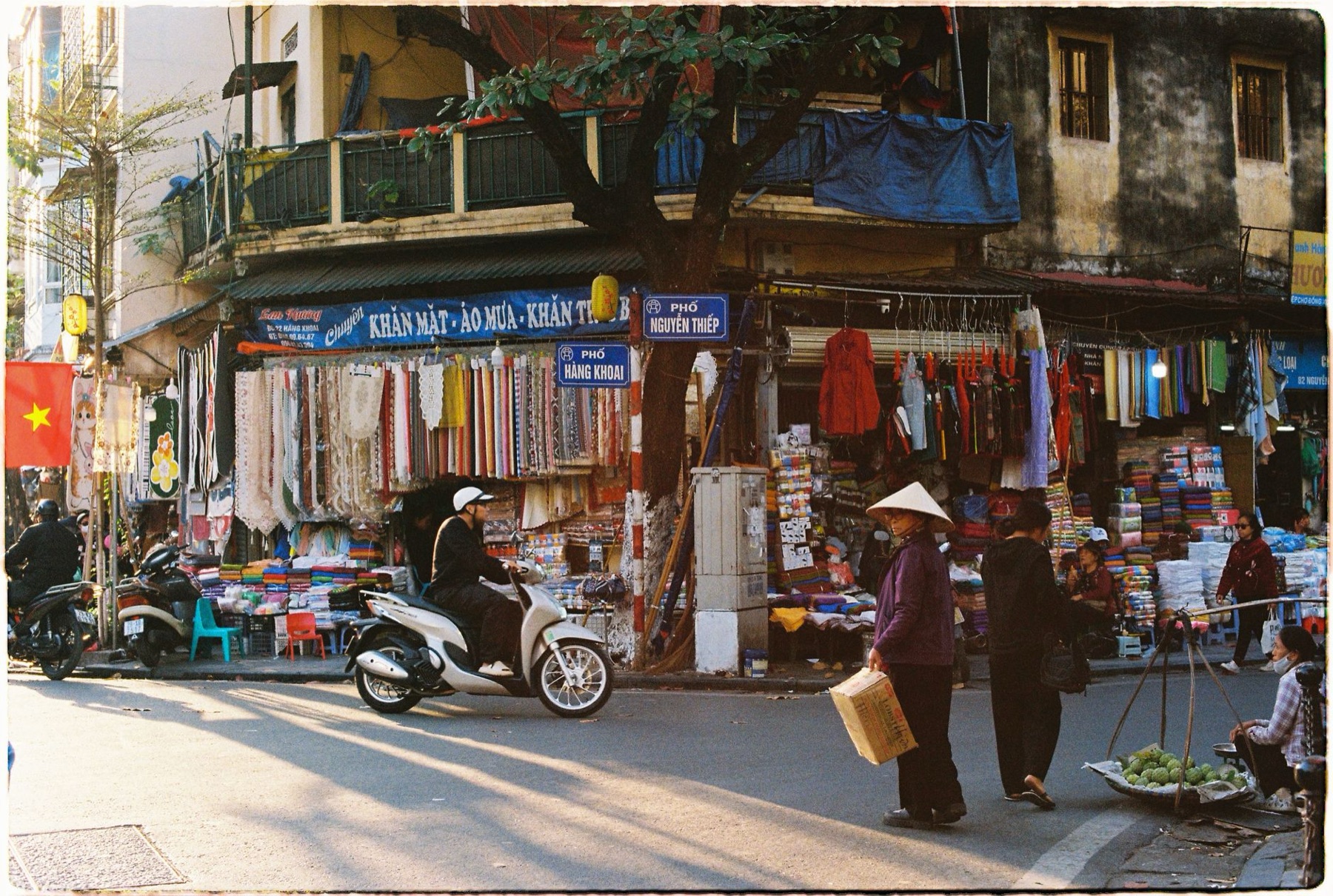
The Old Quarter (36 streets, each historically named for one trade: Hàng Bạc = silver, Hàng Gà = chicken, etc.) is not a tourist ghetto—it's where Hanoi eats fast, cheap, and repetitive. A bowl of phở at a ground-floor stall near Hàng Gà costs around 40,000 VND (USD 1.60–2). Pho served in the street (plastic stool, metal broth pot, hand-rolled meatballs) tastes as good as anywhere; what differs is cleanliness (busy stalls turn over soup faster, so it's fresher) and whether the broth was simmered overnight. Skip any shop with a printed menu facing the street; order at the counter, point at what's boiling.
Ba Đình district, north of Hoàn Kiếm Lake, houses mid-range restaurants (sit-down, air-conditioned, 120,000–250,000 VND / USD 5–10 per person) where families and office workers eat lunch. Tây Hồ (West Lake) appeals to expats and couples; prices spike to 200,000–400,000 VND (USD 8–16) for the same dish served with lake views.
Emerging blocks like Hàng Mành (near the Red River) and Đốc Ngữ (a narrow lane south of the Old Quarter) now host young chefs experimenting with regional Vietnamese recipes or slow-cooked pork. These sit somewhere between street food and upscale: 100,000–200,000 VND (USD 4–8) for a full plate.
🗺️ Plan your route: Vietnam itinerary
What should you order, and what are the scams?
What actually tastes good:
- Phở (beef or chicken): broth, rice noodles, fresh herbs, lime. Order in the morning or early evening when broth is hot. Around 40,000–60,000 VND (USD 1.60–2.40).
- Bún chả (Hanoi specialty): grilled pork patties, rice vermicelli, pickled vegetables, dipping sauce. Lunch dish. Around 50,000–80,000 VND (USD 2–3.20).
- Cơm tấm (broken-rice salad): pork chop or egg, broken-rice grains, pickles, fried shallots. Around 45,000–70,000 VND (USD 1.80–2.80).
- Bánh mì (Vietnamese sandwich): baguette, pâté, cold cuts, pickled carrots, cilantro. Around 25,000–50,000 VND (USD 1–2).
- Cáy nướng (grilled fish or shrimp): order at a stall with visible charcoal and metal grills. Around 80,000–150,000 VND (USD 3.20–6).
Scams to avoid:
- Restaurants with laminated menus and photos in tourist alleys: prices jump 3–5× when the bill arrives.
- "Iced tea" or "welcome drink" placed without asking: you pay for it (around 20,000 VND / USD 0.80).
- Seafood restaurants near Hoàn Kiếm Lake: you'll be quoted weight, then charged per 100g at inflated rates.
- Street vendors offering to be your "guide" to a "local restaurant": they take a cut, and you overpay.
Real-price comparison: three neighbourhood types
| Neighbourhood | Meal type | Price (VND) | USD | What you get | Best for |
|---|---|---|---|---|---|
| Old Quarter | Street pho | 40,000–60,000 | 1.60–2.40 | Bowl, herbs, lime | Speed, authenticity, budget |
| Ba Đình (mid-range) | Sit-down bún chả | 80,000–130,000 | 3.20–5.20 | Plate, condiments, casual seating | Families, lunch breaks, comfort |
| Tây Hồ (upscale) | Grilled fish + sides | 250,000–350,000 | 10–14 | Plated, table service, views | Dates, evenings, photos |
📸 Book an ao dai photoshoot in Hanoi or Saigon (Cáo Studio)
How do you actually order and avoid confusion?
In street stalls (no English menu, no chairs):
- Point or name the dish in Vietnamese or English—most cooks understand "phở," "bún chả," "bánh mì."
- Ask for a price ("Bao nhiêu?" = How much?). They'll usually tell you the base; ask if there are extras.
- Sit or stand where indicated. Eating while standing is normal and not rude.
- Pay immediately (no bill handed over). Bring small notes (10,000 or 20,000 VND).
- Tip is not expected but rounding up to the nearest 5,000 or 10,000 VND is appreciated.
In sit-down restaurants:
- Ask for an English menu if one exists. If not, ask the staff to recommend one or two dishes.
- Avoid anything with "combo" or "special"—they're often discounts bundling items nobody orders.
- Confirm the total before ordering so no surprises at the bill.
- Water is free (tap or filtered); ask for "nước lọc" or it may be bottled and charged.
- Tip is now common in sit-down places (5–10% expected in upscale restaurants; 0–5% in casual ones).
Which neighbourhoods have the best selection for different occasions?
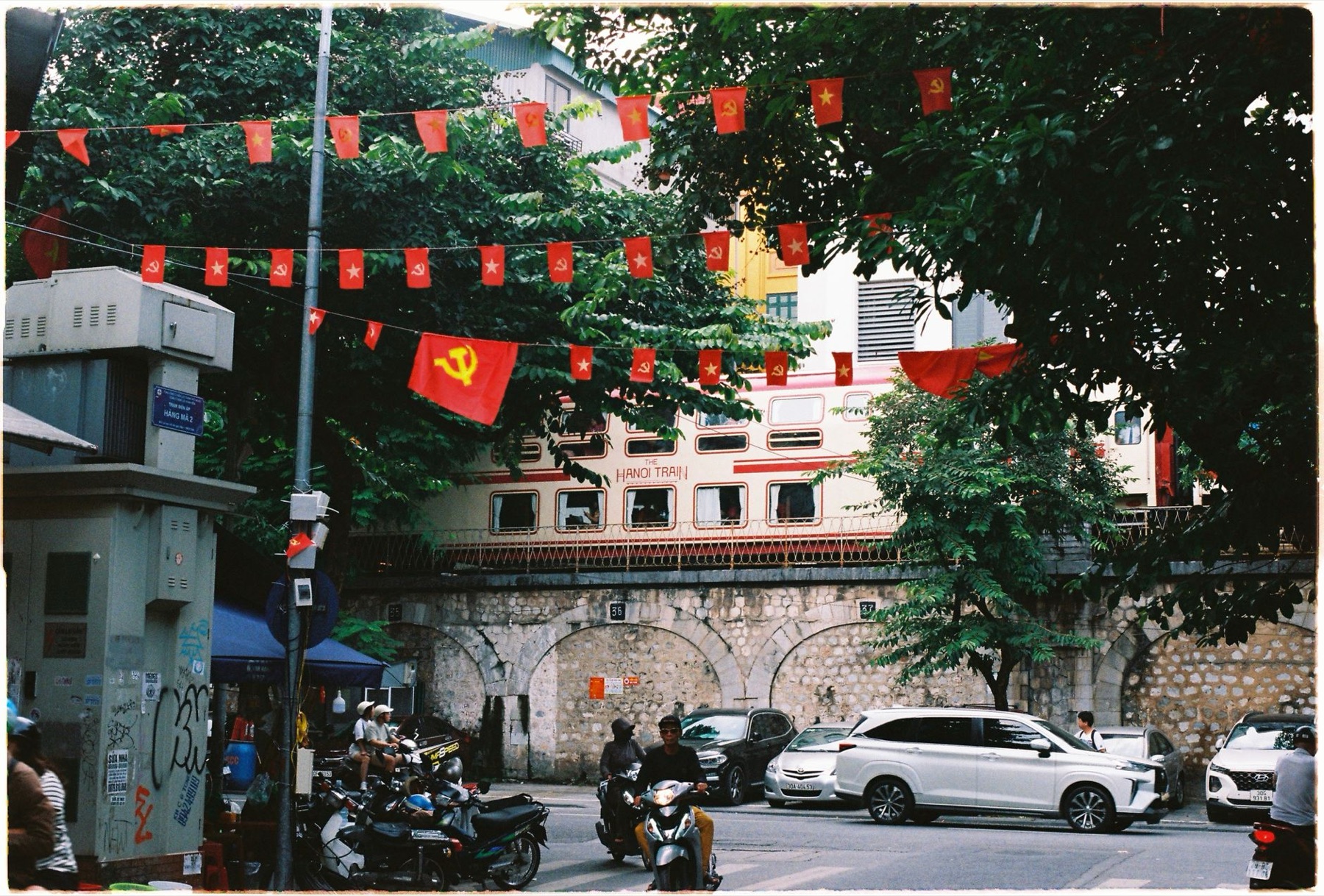
Old Quarter (36 phố): fast breakfast phở, bánh mì stands, coffee in dark alleyways. Loud, crowded, chaotic. Go early (6–8 am) or evening (5–7 pm). Best for: first-time visitors, photographers, budget-conscious diners.
Ba Đình: quieter, broader menu variety, family-run restaurants with 10+ dishes on the wall. No printed menus; staff list options aloud. Best for: lunch, slower dining, local workers.
Tây Hồ (West Lake): restaurants with lake views, upscale décor, cocktail bars, foreign-friendly staff. Mostly evening dining. Best for: dates, sunset meals, exploring while walking.
Hàng Mành & Đốc Ngữ: new generation of chefs, regional Vietnamese recipes, craft coffee, wood-fired grills. Popular with young Hanoians. Best for: adventurous eaters, mid-range prices, evening social dining.
Thanh Xuân (east side): student district, cheap eateries, late-night bánh mì and noodle shops. Less tourist infrastructure. Best for: budget meals, local immersion, late-night snacks.
🎟️ Compare tours & tickets for this place
What gift should you bring back that captures this food culture?
If you've eaten well in Hanoi and want to remember it or share it:
- Vietnamese coffee gift sets (roasted beans, traditional filter, instruction card): around 150,000–300,000 VND (USD 6–12). Best for: morning ritual enthusiasts, coffee lovers.
- Homemade Vietnamese condiment sets (chili paste, fish sauce, pickled vegetables in small jars): around 200,000–400,000 VND (USD 8–16). Best for: home cooks recreating dishes.
- Hanoi street food photography prints or canvases: capture the energy of a phở stall or evening market. Best for: wall décor, traveller memories.
- Regional spice blends or dried herbs (coriander seeds, star anise, dried lemongrass): sold at wet markets. Best for: budget gift, authenticity.
Browse our Vietnam gift collections for high-quality keepsakes and personalised prints to commemorate your meal experiences.
What to check before you book or order
- Opening hours: Most street stalls open 6–11 am (breakfast phở) and 5–8 pm (dinner dishes like bún chả). Closed midday. Sit-down restaurants usually open 11 am–10 pm, often closing 2–4 pm.
- Cash only? Smaller stalls don't accept cards. ATMs are on every block; withdrawal fees are around 20,000 VND (USD 0.80).
- Vegetarian options? Ask "cơm chay" (vegetarian rice) or "bánh mì chay" (vegetarian sandwich). Tofu stalls exist in the Old Quarter.
- Allergies: Shellfish and peanuts appear in many dishes. Ask staff to confirm ("Không có tôm?" = No shrimp?).
- How busy? Lunch (11:30 am–1:30 pm) and dinner (6:30–8 pm) are loud and full. Go off-peak if you want conversation.
- Hygiene flags: Visible dirt, flies, stagnant water = skip. A busy stall with high turnover is safer than an empty one.
For personalized travel planning and food-focused itineraries, explore our Hanoi guide or check our Vietnam itinerary planner for multi-city eating routes.
FAQ
Is street food in Hanoi safe to eat?
Most street vendors operate daily from the same pot, so broth and ingredients are constantly refreshed. Busy stalls are safer than quiet ones—high turnover means fresher food. Avoid anything left sitting uncovered or sold from a cart that moves around (less consistent). Stick to hot dishes (phở, bánh mì toasted) over cold salads if your stomach is sensitive.
How much should I budget per day for food in Hanoi?
Street meals (phở, bánh mì, bún chả) cost 40,000–80,000 VND (USD 1.60–3.20) each. A day eating 3 street meals = 120,000–240,000 VND (USD 5–10). A sit-down lunch + street dinner = 150,000–250,000 VND (USD 6–10). Budget 200,000–300,000 VND (USD 8–12) daily if mixing casual and mid-range meals.
What's the best time of day to eat phở in Hanoi?
Breakfast phở (6–8 am) is hottest and freshest because overnight broth has just been brought to a boil. Lunch phở (11:30 am–1 pm) tastes slightly less rich. Avoid late afternoon (2–4 pm); broth can sit without being refreshed. Dinner phở (5–7 pm) is acceptable but busier and hotter than morning.
Do I need to tip in Hanoi restaurants?
Street stalls: no tip expected, but rounding up (5,000–10,000 VND / USD 0.20–0.40) is kind. Mid-range sit-down: 0–5% is becoming normal. Upscale restaurants (250,000+ VND / USD 10+): 5–10% expected and often automatically added.
How do I find restaurants that locals actually use, not tourist traps?
Look for no-English menu, plastic stools, visible kitchen, metal pots, and a line at lunchtime. If there's a printed photo menu or "happy hour" sign, it's tourist-oriented. Ask your hotel staff or motorbike-taxi driver for recommendations; they know neighbourhood preferences. Eat where the queue is longest—volume means good food and fair pricing.
What's the difference between bún chả and bánh mì?
Bún chả = grilled pork patties served over cold rice vermicelli with pickles and sauce; sit-down lunch dish. Bánh mì = toasted baguette sandwich with pâté, cold cuts, and pickles; portable, eaten standing or walking. Both are Hanoi classics, same price range (50,000–80,000 VND / USD 2–3.20), different occasions.
FAQ
Is street food in Hanoi safe to eat?
Most street vendors operate daily from the same pot, so broth and ingredients are constantly refreshed. Busy stalls are safer than quiet ones—high turnover means fresher food. Avoid anything left sitting uncovered or sold from a cart that moves around (less consistent). Stick to hot dishes (phở, bánh mì toasted) over cold salads if your stomach is sensitive.
How much should I budget per day for food in Hanoi?
Street meals (phở, bánh mì, bún chả) cost 40,000–80,000 VND (USD 1.60–3.20) each. A day eating 3 street meals = 120,000–240,000 VND (USD 5–10). A sit-down lunch + street dinner = 150,000–250,000 VND (USD 6–10). Budget 200,000–300,000 VND (USD 8–12) daily if mixing casual and mid-range meals.
What's the best time of day to eat phở in Hanoi?
Breakfast phở (6–8 am) is hottest and freshest because overnight broth has just been brought to a boil. Lunch phở (11:30 am–1 pm) tastes slightly less rich. Avoid late afternoon (2–4 pm); broth can sit without being refreshed. Dinner phở (5–7 pm) is acceptable but busier and hotter than morning.
Do I need to tip in Hanoi restaurants?
Street stalls: no tip expected, but rounding up (5,000–10,000 VND / USD 0.20–0.40) is kind. Mid-range sit-down: 0–5% is becoming normal. Upscale restaurants (250,000+ VND / USD 10+): 5–10% expected and often automatically added.
How do I find restaurants that locals actually use, not tourist traps?
Look for no-English menu, plastic stools, visible kitchen, metal pots, and a line at lunchtime. If there's a printed photo menu or "happy hour" sign, it's tourist-oriented. Ask your hotel staff or motorbike-taxi driver for recommendations; they know neighbourhood preferences. Eat where the queue is longest—volume means good food and fair pricing.
What's the difference between bún chả and bánh mì?
Bún chả = grilled pork patties served over cold rice vermicelli with pickles and sauce; sit-down lunch dish. Bánh mì = toasted baguette sandwich with pâté, cold cuts, and pickles; portable, eaten standing or walking. Both are Hanoi classics, same price range (50,000–80,000 VND / USD 2–3.20), different occasions.