Hanoi · Food
Best Food in Hanoi 2026: Where Locals Eat & What to Order
By Wander in Vietnam editorial team · Hanoi, Vietnam
Hanoi's food scene splits between centuries-old street stalls, family-run pho joints, and refined dining. We've eaten through every district—here's where your money actually goes.
🗺️ Plan your route: Vietnam itinerary
What type of Hanoi food should you actually order?
Hanoi street food falls into five real categories: pho and noodle soups (morning, $1.50–2.50 USD), grilled meat skewers (evening, $2–4 USD), fried specialties (banh mi, fried tofu, $1–2 USD), fresh spring rolls (made-to-order, $2–3 USD), and regional rice dishes (lunch-focused, $1.50–3 USD). Each has a time of day, a neighborhood, and a specific thing that goes wrong for first-timers. Learning which is which saves money and prevents waste.
🎟️ Compare tours & tickets for this place
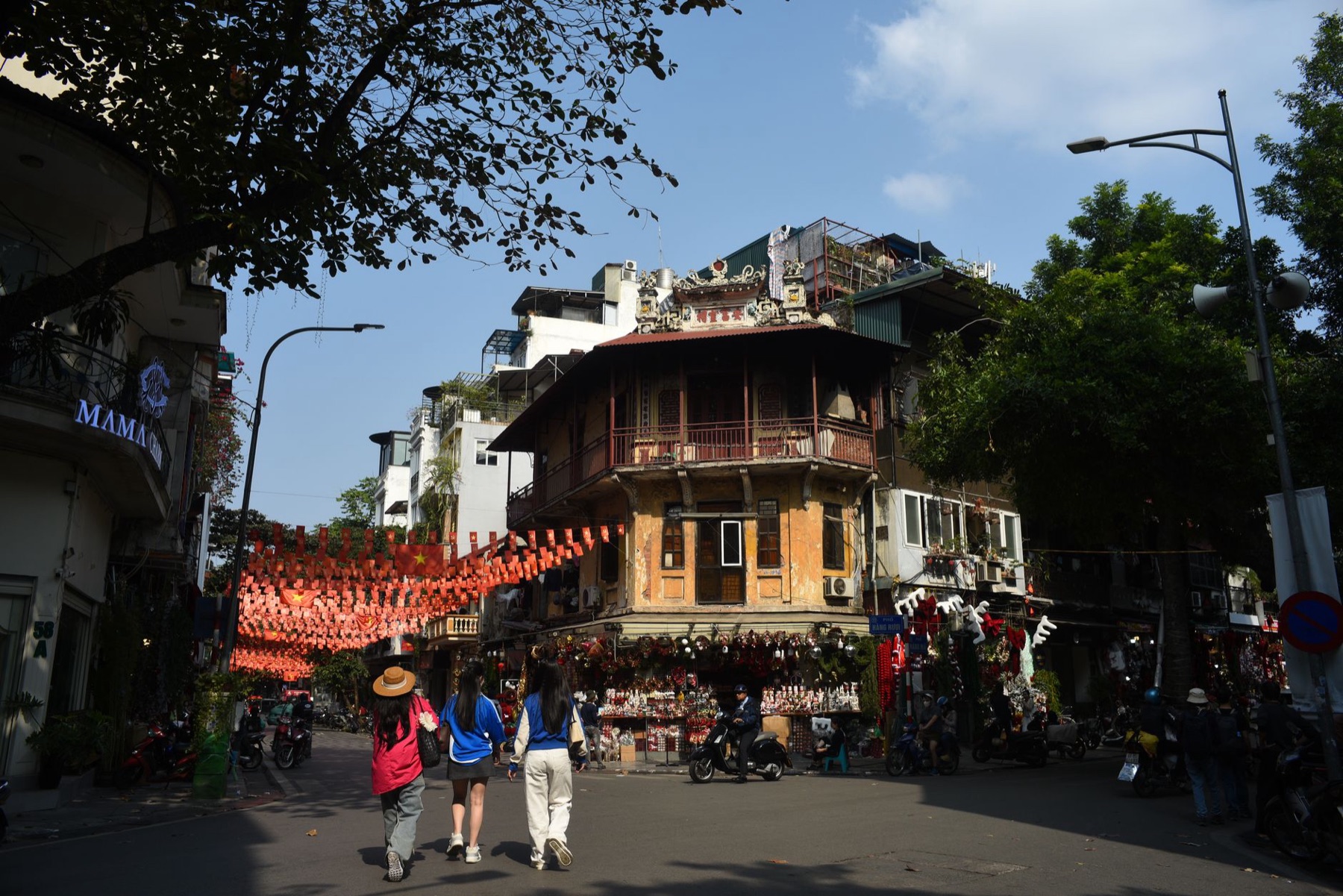
Where do locals actually eat breakfast in Hanoi?
Hanoi's best breakfast isn't a café—it's a plastic stool at a pho stand or sticky rice cart. The Old Quarter (Hoan Kiem district) and areas around Dong Xuan Market open from 5:30 a.m. Locals queue for bowls of pho or cháo (rice porridge) before work. A breakfast meal costs around $1.50–2 USD including juice. Avoid tourist-facing places on Hang Mam Street; walk one block west into residential streets instead. Morning pho vendors shut by 10:30 a.m., so timing matters.
What's the difference between a street pho stand and a sit-down pho restaurant?
| Type | Usual location | Setup | Cost per bowl | Best for |
|---|---|---|---|---|
| Street stand | Sidewalk, Hoan Kiem/Ba Dinh | Plastic stool, communal broth | ~$1.50–2 USD | Speed, authenticity, breakfast |
| Family shop | Narrow alley, residential block | Small indoor room, 6–8 tables | ~$2–3 USD | Sitting, photos, evening |
| Mid-range eatery | Main street, shopping block | Air-con, menu board, 20+ seats | ~$3–5 USD | Groups, comfort, variety |
Street stands reuse broth for 12+ hours (safe, concentrated flavor). Family shops simmer fresh broth overnight. Mid-range places portion precooked meat. All taste legitimate; pick by what you want—speed or lingering. Tourist pho in the Old Quarter (Hang Ga, Hang Mam) runs $3–5 USD for the same bowl and charges extra for extras.
📸 Book an ao dai photoshoot in Hanoi or Saigon (Cáo Studio)
Which Hanoi neighborhoods have the best food, and why does location matter?
Old Quarter (Hoan Kiem): Morning pho, grilled fish (Ca Mau fish), banh mi, egg coffee. Crowded, tourist-aware. Arrive before 7 a.m. or eat at 11 p.m.
Ba Dinh: Sticky rice carts, bun cha (grilled pork with noodles), crab paste vermicelli. Quieter, cheaper. Lunch-focused (11 a.m.–1 p.m.).
Dong Xuan / Thai Ha: Wet market (6–10 a.m.), street tofu, fried spring rolls, rice porridge. Chaotic, real. Come hungry and early.
Tay Ho (West Lake): Evening beer street, fried snails, squid, soft-shell crab. Tourist creep, but food is legit if you sit where locals sit (not the signed "beer street").
Linh Dam (South Hanoi): Bun rieu (crab tomato noodle soup), grilled mushrooms, fried morning glory. Residential, untouristed. No English menus—bring phone translator.
Price scales with tourism. Old Quarter stalls charge 50% more than Ba Dinh equivalents for the same dish. Choose neighborhood first, food second.
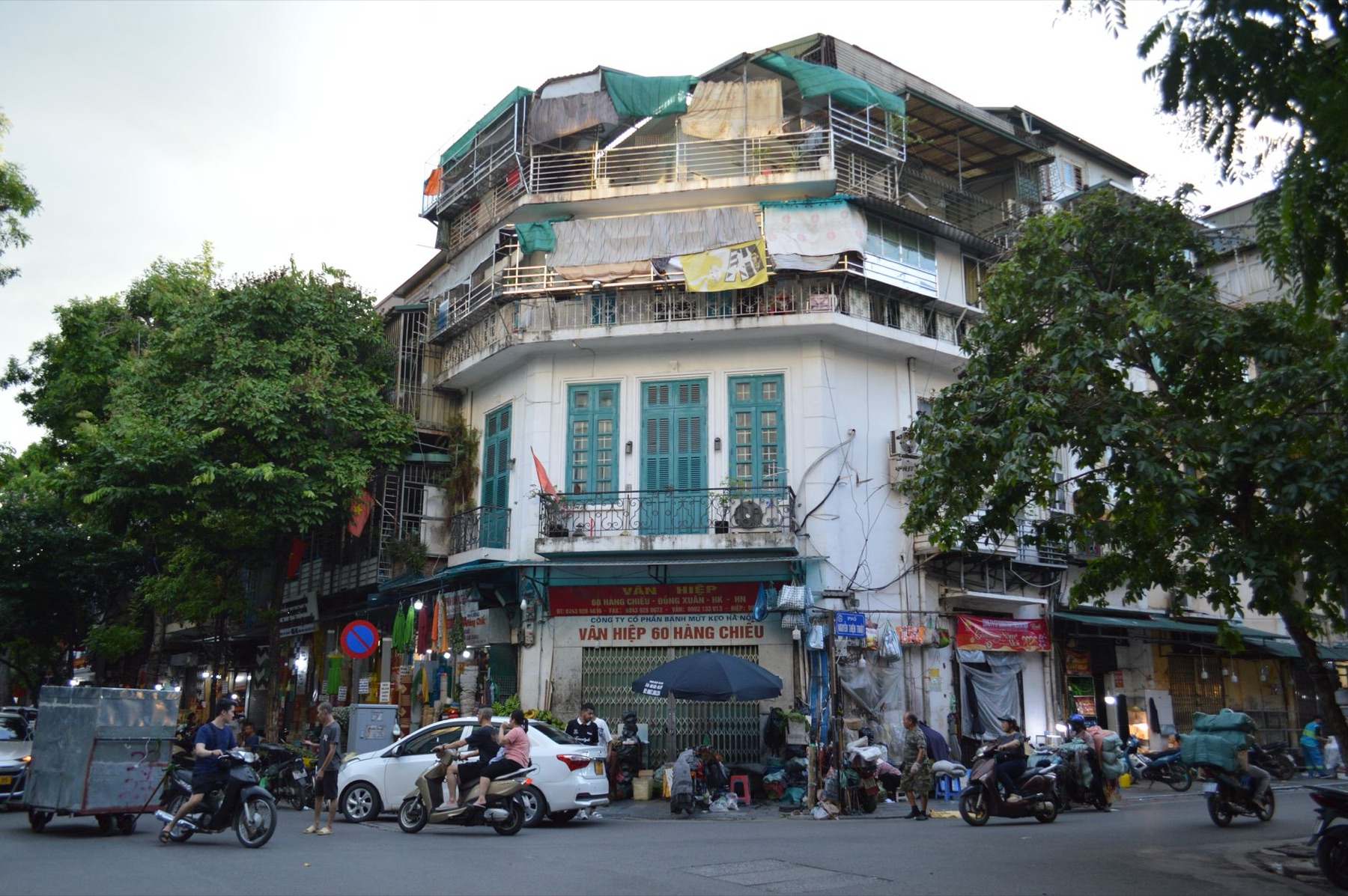
How do you order and pay for street food without speaking Vietnamese?
Use your phone camera to photograph what someone else is eating, point, and hold up fingers for quantity. Prices are posted (in VND) or on a board. Bring small bills (10,000 or 20,000 VND notes = ~$0.50–1 USD). Many street vendors accept mobile pay (Momo, Zalo Pay), but cash is safer.
Common mispronuncings:
Pho bo(beef) orpho ga(chicken)—say "fuh" not "foe"Bun cha—grilled pork over noodles, not a breadBanh mi—sandwich with pâté, not a pastryCha ca—turmeric fish, unique to Hanoi
Expect to eat for around $2–4 USD per person for two dishes and a drink. Tourist restaurants charge $5–10 USD for the same plate. Actual meals in worker areas cost half that.
📸 Book an ao dai photoshoot in Hanoi or Saigon (Cáo Studio)
What food should you skip, and what are the real health risks?
Skip:
- Pre-cut fruit from street vendors (bacteria, sanitation unclear)
- Ice in cheap drinks (tap water source unknown)
- Rare meat at street grills (inspection nonexistent)
- "Specialty" restaurants on Hang Mam or Ta Hien (tourist markup, mediocre)
Safe:
- Anything cooked in front of you (pho, banh mi, grilled meat)
- Bottled or boiled water / canned drinks
- Whole fruits you peel yourself
- Family shops with high turnover (fresh ingredients)
Traveler's stomach is real—it's not the food, it's usually unfamiliar spice, oil, or volume. Eat smaller portions your first three days. Carry rehydration salts and imodium. Street food hygiene is often better than cheap tourist restaurants because vendors depend on repeat customers.
What should you check before ordering or dining out?
- Turnover: High queue = fresh ingredients. Empty shops at lunch = stale broth.
- Broth smell: Sour or off = skip. Aromatic (star anise, cinnamon) = safe.
- Vendor setup: Separate cutting boards for meat and vegetables = careful. One board = acceptable risk.
- Seasoning station: Does the stall let you adjust spice, sugar, lime? Yes = confident vendor.
- Menu visibility: Posted prices = transparent. Verbal only = negotiation or overcharge likely.
- Timing: Arrive in the vendor's rush (8–9 a.m., 12–1 p.m., 6–7 p.m.). Orders take 2–3 minutes, not 15.
A simple checklist: Is there a line? Does it smell good? Can I see it cooked? If yes to all three, eat there.
---
Best food by meal and budget
Breakfast ($1.50–3 USD): Pho, cháo, sticky rice with pork, egg coffee at a café.
Lunch ($2–4 USD): Bun rieu, bun cha, banh mi, rice with grilled fish, spring rolls.
Dinner ($3–6 USD street to $10–20 USD restaurant): Whole grilled fish, soft-shell crab, fried snails, fried morning glory, pork ribs with sticky rice.
Drinks: Iced coffee (around $0.75–1.50 USD), fresh juice (around $0.50–1 USD), beer (around $0.50–1.50 USD for local).
---
Hanoi food links & next steps
Planning a trip? Read our full Hanoi guide for neighborhoods, transport, and itineraries.
Want regional context? Check Ha Long Bay, Sapa, Ninh Binh, and Hoi An food scenes—each region has specialties you won't find in the capital.
Heading south? Ho Chi Minh City food is bolder, sweeter, and uses more coconut and seafood than Hanoi's subtle broths.
🗺️ Plan your route: Vietnam itinerary
🎟️ Compare tours & tickets for this place
FAQ
How much should I spend on food per day in Hanoi?
Budget around $6–12 USD daily for street meals and family shops. Breakfast $1.50–2 USD, lunch $2–3 USD, dinner $3–5 USD, coffee/snacks $1–2 USD. Add $10–20 USD per meal for mid-range restaurants.
Is street food safe in Hanoi?
Yes, if cooked in front of you and vendors have high turnover. Avoid pre-cut fruit, tap water, and ice. Traveler's stomach is usually caused by unfamiliar spice and volume, not hygiene. Carry rehydration salts.
What time should I eat and where should I go first?
Breakfast 6–9 a.m. (pho stalls, Old Quarter or Ba Dinh). Lunch 11 a.m.–2 p.m. (family shops, Linh Dam). Dinner 6–8 p.m. (beer street or neighborhood grill). Start at a busy corner stand; locals know best.
Why is Old Quarter food more expensive than Ba Dinh?
Tourism. Old Quarter vendors charge 40–60% more for the same pho or banh mi. Ba Dinh serves residents with lower margins. Go west or south for better value.
Do I need to book restaurants in Hanoi, or can I just walk in?
Walk-ins work for street food, family shops, and casual lunch spots. Booking matters only for mid-range dinner venues (7+ p.m.) and group dinners. No reservations needed for breakfast or lunch.
FAQ
How much should I spend on food per day in Hanoi?
Budget around $6–12 USD daily for street meals and family shops. Breakfast $1.50–2 USD, lunch $2–3 USD, dinner $3–5 USD, coffee/snacks $1–2 USD. Add $10–20 USD per meal for mid-range restaurants.
Is street food safe in Hanoi?
Yes, if cooked in front of you and vendors have high turnover. Avoid pre-cut fruit, tap water, and ice. Traveler's stomach is usually caused by unfamiliar spice and volume, not hygiene. Carry rehydration salts.
What time should I eat and where should I go first?
Breakfast 6–9 a.m. (pho stalls, Old Quarter or Ba Dinh). Lunch 11 a.m.–2 p.m. (family shops, Linh Dam). Dinner 6–8 p.m. (beer street or neighborhood grill). Start at a busy corner stand; locals know best.
Why is Old Quarter food more expensive than Ba Dinh?
Tourism. Old Quarter vendors charge 40–60% more for the same pho or banh mi. Ba Dinh serves residents with lower margins. Go west or south for better value.
Do I need to book restaurants in Hanoi, or can I just walk in?
Walk-ins work for street food, family shops, and casual lunch spots. Booking matters only for mid-range dinner venues (7+ p.m.) and group dinners. No reservations needed for breakfast or lunch.