Hanoi · Food
Best Food in Hanoi Old Quarter: Where to Eat & What to Skip
By Wander in Vietnam editorial team · Hanoi, Vietnam
Where Do Real Locals Eat in Old Quarter Hanoi?
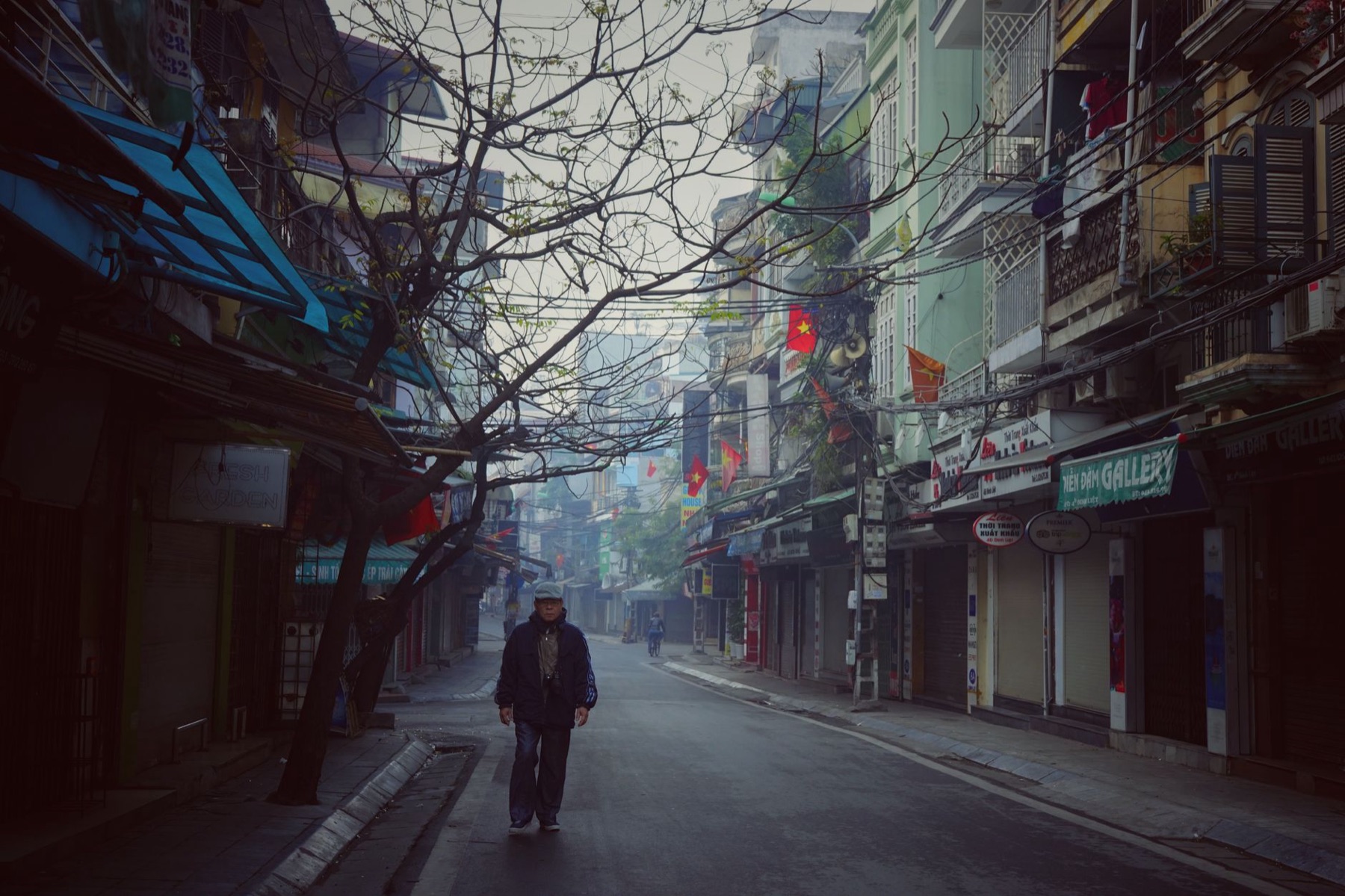
Forget the photo-op cafés on Hàng Bun. Locals eat on footstools at unmarked stalls in Hàng Dào and Lương Văn Can, where owners never advertise. No English signs means no tourist markup. Walk at 6:30 a.m. and you'll see grandmothers, cyclo drivers, and office workers eating shoulder-to-shoulder—that's your signal the food is worth eating. The stalls that survive decades do so because flavour, not Instagram appeal, brings people back.
🗺️ Plan your route: Vietnam itinerary
Which Old Quarter Dish Should You Order First?
Phở (beef noodle soup) is the obvious choice, but only if you find a shop that boils bone broth for 12+ hours. Ask for phở tái gà—rare beef and chicken—and eat it before 9 a.m. when broth is hot and clear. Cost: around 30,000–50,000 VND (~$1.20–$2 USD).
Bún chả (grilled pork with herbs and dipping sauce) is lunch and dinner across Hàng Mành; order it with cơm tấm (broken-rice patty) if you're very hungry. Around 35,000–60,000 VND (~$1.40–$2.40 USD) per plate.
Crab soup (cua cà chua) at Hàng Cỏ is worth the queue; sweet tomato broth and soft crab meat, eaten as a full meal with rice. Around 60,000–100,000 VND (~$2.40–$4 USD).
Egg coffee (cà phê trứng) is overrated by tourists but drinkable at smaller stalls in Hàng Giấy; skip the famous café and order at a local phở shop for half the price (20,000–30,000 VND / ~$0.80–$1.20 USD).
How to Avoid Scams & Overpriced Tourist Food?
| Scam Type | What Happens | How to Avoid |
|---|---|---|
| Pre-written receipt | Bill arrives already totalled before you order | Ask price before eating; order from stall, not seated restaurant |
| Mystery meat | Unmarked meat is sometimes recycled or game | Eat at stalls where you see raw ingredients prepped |
| "Tourist price" | Same bowl costs 150,000 VND for foreigners, 40,000 for locals | Eat standing at counter; locals pay less |
| Overpriced bottled water | $2–3 for water when stall water is free | Bring a refillable bottle; ask for tap water (nước máy) |
| Restaurant upsell | Waiter adds dishes you didn't order | Point to menu item before plate arrives; say "không" (no) firmly |
Our rule: if there's a laminated English menu with colour photos, walk out. If the owner is eating the same thing from the same pot, stay.
📸 Book an ao dai photoshoot in Hanoi or Saigon (Cáo Studio)
What Time Should You Eat to Avoid Crowds & Find Authentic Stalls?
Phở stalls open 5–6 a.m. and close by 10 a.m.; early birds eat undisturbed and get the hottest broth. Lunch rush (11:30 a.m.–1 p.m.) is chaos—tourist buses and families clog alleys. Return at 4 p.m. for a quiet second sitting. Dinner (6–8 p.m.) is when locals grab takeaway bún chả and grilled meat; the stalls are packed but the turnover means fresh food.
Closed days matter: many family stalls close one day per week (often Monday or Tuesday) to rest. Ask the day before if planning a specific dish. Hours rarely start before 5 a.m. or end after 9 p.m.—this is not a 24-hour food scene.
How Does Old Quarter Street Food Compare to Newer Hanoi Neighborhoods?
| Aspect | Old Quarter | Newer Areas (Tây Hồ, Ba Đình) |
|---|---|---|
| Authenticity | Multi-generational recipes; unchanged 20+ years | Modernized, adapted for middle-class taste |
| Price | 30,000–100,000 VND per meal | 80,000–250,000 VND per meal |
| Seating | Footstools, cramped, no frills | Air-con, clean tables, Western toilets |
| Tourist ratio | 40% tourists, 60% locals (peak times) | 70% tourists, 30% locals |
| Flavour depth | Stronger, saltier, heavier on offal/organs | Milder, lighter, fewer "acquired taste" items |
| Best for | Eating like a local; texture & tradition | Comfort; family groups; accessible spice levels |
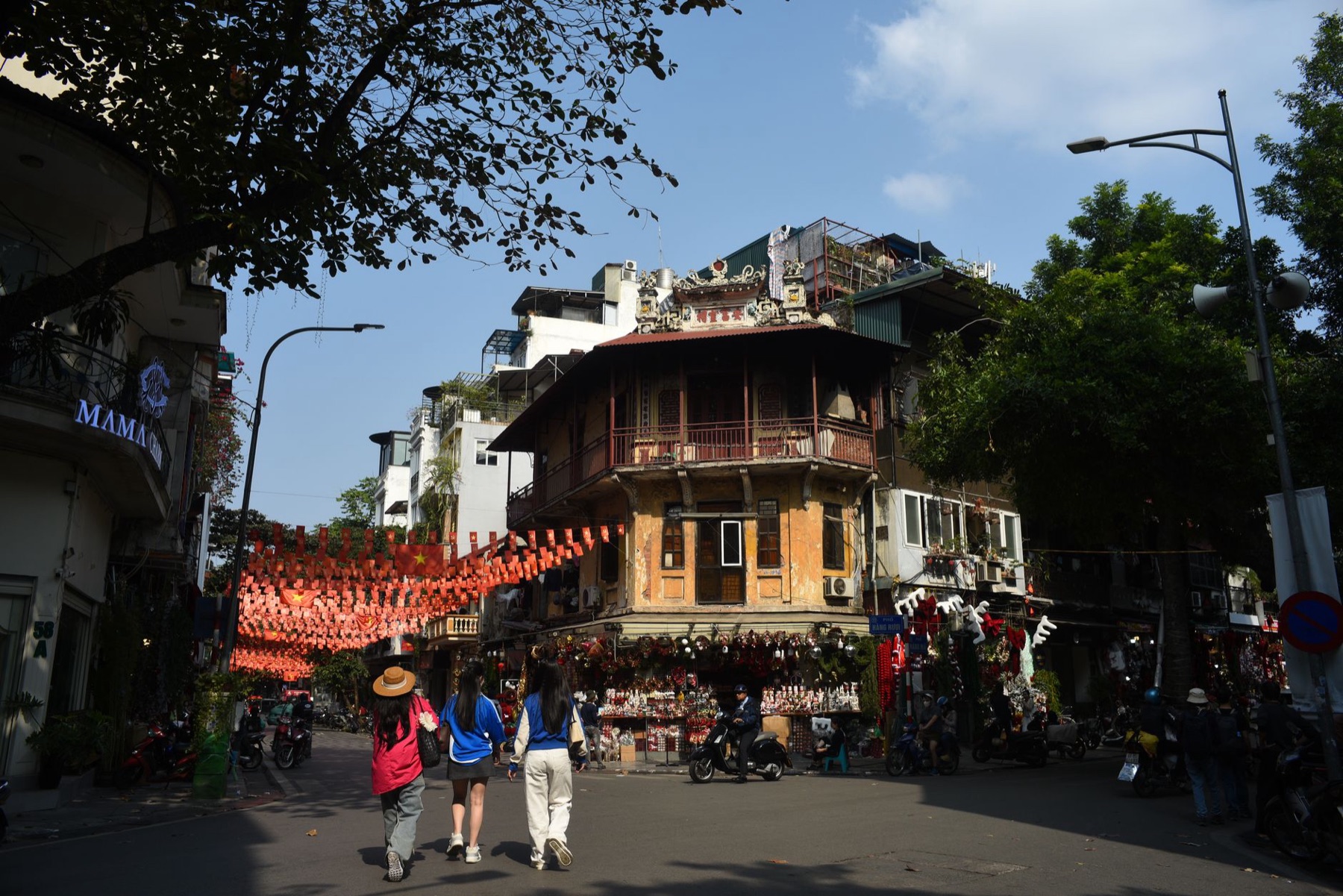
Old Quarter wins if you want authentic. Newer neighbourhoods win if you want comfort. Choose based on what you value.
What Should You Check Before Ordering?
- Ask the price first (in English or via phone calculator) before sitting. Point to the exact dish and say "giá bao nhiêu?" (How much?). No surprises.
- Check the meat on display. If you can't see raw pork or beef being prepped, skip the stall.
- Watch the broth. Phở broth should be clear and aromatic, not murky or pale. Taste a spoonful before committing.
- Avoid ice water from unopened bottles. Street stalls often refill "new" bottles with tap water. Bring your own bottle or order hot tea (trà nóng).
- Eat standing if nervous. Standing at a counter = local pricing and faster service. Sitting at a table = tourist pricing.
- Timing matters. Visit within 1 hour of opening or after 7 p.m. to eat the freshest ingredients before supplies run out.
- Payment method. Carry cash (VND). Many stalls reject card payments or claim "machine broken." ATMs are on Hàng Bạc.
🎟️ Compare tours & tickets for this place
Which Streets Should You Walk?
Tạ Hiến: phở, bún chả, crab soup stalls back-to-back; opens 5 a.m.; locals only until 8 a.m.
Hàng Mành: bún chả alley; 10+ stalls serving identical dishes; quality varies; go early.
Hàng Cỏ: famous for crab soup and eel soup; sit at wobbly plastic tables; arrive by noon.
Lương Văn Can: quieter side street; egg noodle soup, pork rib soup; fewer tourists.
Hàng Dào: grilled meat and offal stalls; smell-based navigation; 6–8 p.m. rush.
Hàng Buồm: spring roll (nem rán) and sticky rice cakes; breakfast staple.
Avoid: Hàng Bun, Hàng Ngang (tourist-priced tourist restaurants). Hàng Gai has mix of real and fake; pick carefully.
Is Old Quarter Food Worth the Hassle vs. Nicer Restaurants?
Yes—if you're eating for flavour and story. A 40,000 VND bowl of phở at a 30-year-old stall tastes fundamentally different (deeper, saltier, more organ-forward) than a 120,000 VND bowl at a modern café. The trade-off: no air-con, tiny stools, tourists shoulder-to-shoulder, and a digestive system that needs adjustment (tap water and raw herbs hit unfamiliar stomachs hard).
Skip Old Quarter street food if you have a weak stomach, need WiFi, or prefer quiet meals. Eat at proper restaurants in Hà Nội's newer neighbourhoods instead.
For a full Hanoi food guide, see our pillar page. Planning a longer trip? Plot your route across Vietnam to include regional specialities.
Traveling to other regions? Check our guides for Ho Chi Minh City, Hoi An, Ha Long Bay, Ninh Binh, and Sapa.
FAQ
Do I need a Vietnam e-visa to enter if I'm an American?
Yes. US citizens need a Vietnam e-visa or embassy visa. The e-visa takes 3 days and costs around $25 USD.
Will my phone work in the Old Quarter?
Yes, but buy a local Vietnam eSIM ($2–5 for data) or a SIM card at Nội Bài Airport. Data is fast and cheap.
How much cash should I carry for a day of eating?
Around 300,000–500,000 VND (~$12–$20 USD) covers 5–8 meals, drinks, and snacks if eating at stalls. Bring extra for gifts or emergencies.
Can I order without speaking Vietnamese?
Yes. Point at other people's food, use Google Translate for prices, or show photos on your phone. Owners are patient with tourists eating at stalls.
Is street food actually safe?
If locals are eating there, it's safe. Tap water and raw herbs are the main culprits for stomach upset. Bring electrolyte powder and avoid ice. Cooked food is low-risk.
When should I avoid the Old Quarter for eating?
Skip midday (11 a.m.–2 p.m.) and after 8:30 p.m. when stalls close and crowds peak. Best windows: 5–8 a.m. or 4–7 p.m.
FAQ
Do I need a Vietnam e-visa to enter if I'm an American?
Yes. US citizens need a [Vietnam e-visa](/vietnam/visa) or embassy visa. The e-visa takes 3 days and costs around $25 USD.
Will my phone work in the Old Quarter?
Yes, but buy a [local Vietnam eSIM](/vietnam/esim) ($2–5 for data) or a SIM card at Nội Bài Airport. Data is fast and cheap.
How much cash should I carry for a day of eating?
Around 300,000–500,000 VND (~$12–$20 USD) covers 5–8 meals, drinks, and snacks if eating at stalls. Bring extra for gifts or emergencies.
Can I order without speaking Vietnamese?
Yes. Point at other people's food, use Google Translate for prices, or show photos on your phone. Owners are patient with tourists eating at stalls.
Is street food actually safe?
If locals are eating there, it's safe. Tap water and raw herbs are the main culprits for stomach upset. Bring electrolyte powder and avoid ice. Cooked food is low-risk.
When should I avoid the Old Quarter for eating?
Skip midday (11 a.m.–2 p.m.) and after 8:30 p.m. when stalls close and crowds peak. Best windows: 5–8 a.m. or 4–7 p.m.