Hanoi · Food
Best Food in Hanoi: Where to Eat & What to Order
By Wander in Vietnam editorial team · Hanoi, Vietnam
Hanoi's food scene defies the sterile "best of" list. What tastes legendary to you depends on which alley you turn down, what time you arrive, and whether you speak enough Vietnamese to ask what's actually in the pot. We've spent years eating through Old Quarter stalls, market corners and family-run rooms to separate honest cooking from Instagram theatre. This guide names streets, neighbourhoods and dish types—not fabricated restaurant names—so you can find real food the way locals do.
Where do locals actually eat breakfast in Hanoi?
The Old Quarter and Ba Dinh produce Hanoi's most intense breakfasts. Pho appears at dawn in narrow storefronts around Hang Manh and Hom Tay—expect around 40,000–50,000 VND (roughly $1.60–$2) per bowl. Bánh mì shops cluster on Nguyen Hue (near the intersection with Hang Bac) and cost around 25,000–35,000 VND ($1–$1.40). Egg coffee—condensed milk, raw yolk, hot coffee—fills tourist-friendly cafés in Tay Ho and Old Quarter from 50,000 VND ($2) upward, but locals drink it as a rare treat, not daily.
Look for stalls opening 6–7 a.m. with plastic stools already full. If you see no queue, it's not the place. Breakfast crowds clear by 10 a.m., so don't arrive mid-morning expecting peak quality.
🗺️ Plan your route: Vietnam itinerary
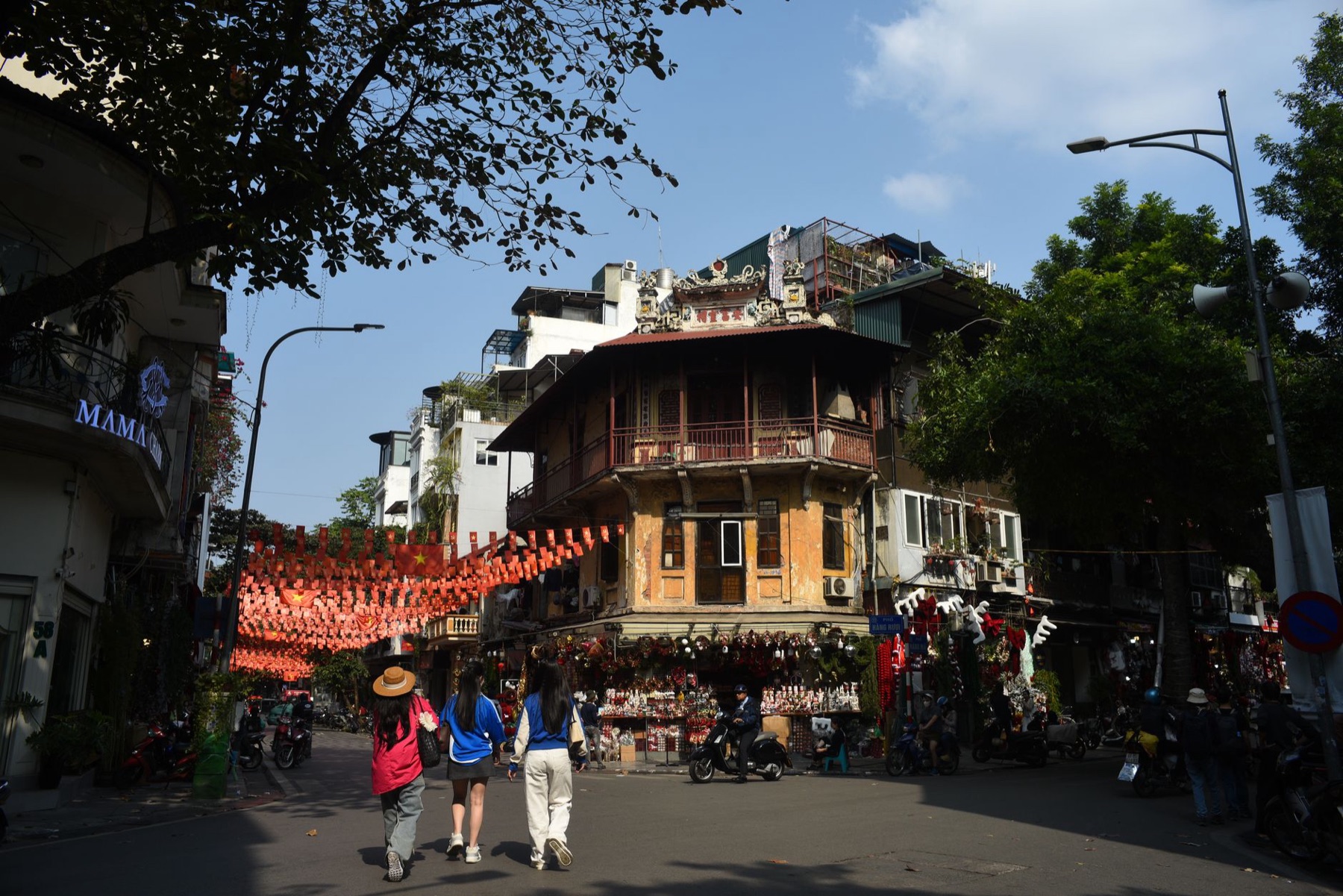
Which street food neighbourhoods have the cheapest real eats?
Neighbourhood Comparison Table:
| Neighbourhood | Best for | Typical price | Crowd type | Opening hours |
|---|---|---|---|---|
| Old Quarter (Hoan Kiem) | Pho, banh mi, egg coffee | 30,000–50,000 VND ($1.20–$2) | Mixed tourists & locals | 6 a.m.–11 p.m. |
| Ba Dinh | Bun cha, grilled meat, vermicelli | 35,000–60,000 VND ($1.40–$2.40) | Mostly locals | 10 a.m.–9 p.m. |
| Long Bien | Fish soups, river snails, crab | 40,000–80,000 VND ($1.60–$3.20) | Workers, families | 6 a.m.–8 p.m. |
| Tay Ho | Pho, specialty soups, upscale casual | 50,000–120,000 VND ($2–$4.80) | Expats, affluent locals | 7 a.m.–10 p.m. |
| Thanh Xuan markets | Dried goods, ready-to-eat (rare tourists) | 20,000–40,000 VND ($0.80–$1.60) | Locals only | 5 a.m.–noon |
Ba Dinh and Long Bien stay cheap because tourists rarely find them. Thanh Xuan morning markets (Old Quarter side) serve homemakers—prices drop by 30% compared to restaurant pricing.
What are Hanoi's must-try signature dishes and where to find them?
Pho: The broth defines Hanoi pho—beef stock simmered 12+ hours with star anise, cinnamon and charred onion. Hanoi version uses thin rice noodles and rare beef; Saigon adds hoisin and sriracha later. Find it in Old Quarter storefronts around Hang Manh and Hang Ga from 6–8 a.m. (around 45,000 VND/$1.80). By 10 a.m., many stalls sell out.
Bun cha: Grilled pork (marinated in fish sauce, palm sugar, garlic) served over cold vermicelli with dipping sauce. Ba Dinh has the highest concentration; expect around 50,000–70,000 VND ($2–$2.80) for a full serving. Avoid tourist-marked stalls on maps—ask your hotel concierge which lane locals use.
Crab omelette (bánh trứng cua): Fluffy eggs, fresh crab meat, spring onion. Hang Ga lane (running north from Hoan Kiem Lake) and side streets in the Hilton area specialise in this. Around 60,000–90,000 VND ($2.40–$3.60) per serving. Most places open 10 a.m.–4 p.m. only.
Cha ca: Turmeric-marinated fish, crispy shallots, dill, rotating on a charcoal brazier at your table. Cha Ca La Vong area (Old Quarter) is the heartland. Prices start around 100,000 VND ($4) and climb. Book ahead or arrive 11 a.m.–noon.
Egg coffee: Whipped raw yolk, condensed milk, dark espresso. Tay Ho cafés and Old Quarter tourist spots serve it 50,000–80,000 VND ($2–$3.20). It's a treat, not a daily habit for locals.
Explore more on our main Hanoi guide for neighbourhood maps and metro access.
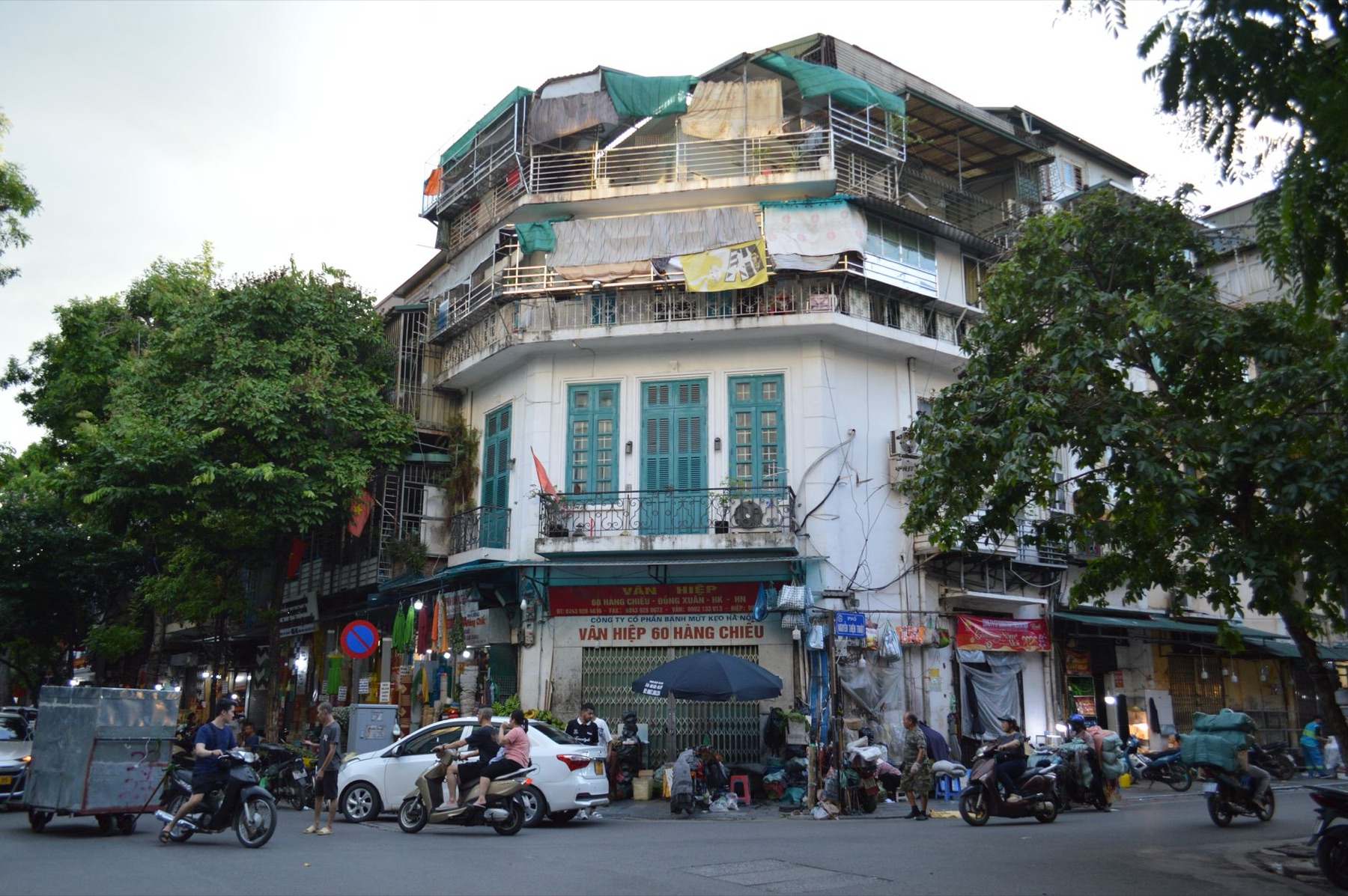
How do I avoid tourist trap restaurants and market scams?
Scams to watch:
- Printed menus with no prices: Leads to bill shock. Ask for the cost per item before sitting.
- "Fresh crab today": Often frozen or sourced from muddy ponds. Locals buy crabs live from markets and cook at home; if a restaurant pushes it hard, skip it.
- Phrasebook upsell: Vendors hand you English menus, quote inflated prices, then argue when you object. Speak Vietnamese or use Google Translate; never trust verbal quotes alone.
- Market weight tricks: Scales placed at angles. Watch the scale face directly and reweigh if uncertain.
- Fake "local guide" in street: Offers to take you to a "real" restaurant then demands commission. Go alone or ask your hotel.
How to eat safely:
- Eat where you see locals sitting (not Instagram-famous stalls).
- Arrive during peak hours (11 a.m.–1 p.m., 6–8 p.m.).
- Order by pointing at other diners' plates or showing photos on your phone.
- Pay cash; many small stalls don't accept cards and add "surcharge."
- Avoid seafood in monsoon season (May–September) unless it's sold alive at the market that morning.
Check out our Vietnam e-visa guide if you're still planning entry—visa delays push arrival dates back.
What should I check before ordering at street stalls and markets?
Pre-order checklist:
- [ ] Broth colour: Pho broth should be amber or brown. Pale/grey = made this morning, not simmered long.
- [ ] Meat freshness: Pork should not smell "off" or ammonia-like. Fish should have bright eyes and firm flesh if whole.
- [ ] Stall cleanliness: Watch the cook's hands. If they touch money then food without washing, move on.
- [ ] Ice quality: Shaved ice should come from sealed bags, not loose buckets. Loose ice often uses tap water.
- [ ] Vegetable storage: Herbs and greens should be in cool shade. Wilted herbs = old stock.
- [ ] Price display: Ask cost per bowl/plate and confirm total before eating. Say the price aloud so they can't deny it later.
- [ ] Allergen info: No reliable labelling for nuts, shellfish, soy in small stalls. Speak up if you have allergies.
Stalls with fast turnover (many customers, constant restocking) have fresher food. Empty stalls at lunch time usually mean poor quality.
📸 Book an ao dai photoshoot in Hanoi or Saigon (Cáo Studio)
Which districts and markets offer the most authentic food experiences?
Old Quarter (Hoan Kiem district): The heartland for pho, banh mi, egg coffee and cha ca. Crowded but unavoidable. Expect tourists mixed with locals. Peak eating times are 6–9 a.m. and 6–8 p.m.
Ba Dinh district: Where Hanoi's middle class eats. Bun cha, grilled meat and pho dominate. Less touristy, cheaper, and locals trust the food. Stalls open 10 a.m.–9 p.m.
Long Bien district: Fish soup, river snail and crab specialities near the Red River. Very local, minimal English, authentic. Arrive early (6–7 a.m.) for best stock.
Tay Ho (West Lake): Upscale casual dining, mixed crowd. Pho and specialty soups. More expensive (50,000–120,000 VND per dish) but cleaner, air-conditioned and reliable. Good for first-time visitors nervous about street food.
Dong Xuan Market (Old Quarter): Wet market, 6 a.m.–noon. Watch vendors weigh goods—scales must be level. Buy fresh herbs and produce here to eat at stalls or cook in your accommodation.
Thanh Xuan Markets (multiple locations, Old Quarter side): Local morning markets, 5 a.m.–noon. Prices 30% below restaurants. No tourists. Bring small Vietnamese notes (10,000–20,000 VND).
For route planning between these neighbourhoods, use our Vietnam itinerary planner.
---
Food tour and restaurant tickets: Many tour operators bundle Hanoi food walks with market visits. Compare options and book in advance.
🎟️ Compare tours & tickets for this place
For first-time visitors unsure about solo street eating, check Hoi An's food scene or Ha Long Bay regional cuisine for comparison—regional tastes vary widely. Sapa and Ninh Binh also have distinct food cultures worth exploring.
If you're packing gifts for locals after eating your way through Hanoi, check our gift collections for engraved keepsakes and custom items that reflect Vietnamese gratitude customs—especially useful if you've been hosted by friends.
Need portable internet to find these spots offline? Grab a Vietnam eSIM before arrival so GPS, Google Translate and chat apps work without lag.
---
FAQ
Is it safe to eat street food in Hanoi?
Yes, if you choose busy stalls with high turnover and visibly clean preparation. Avoid seafood in off-seasons and always check broth colour for pho. Watch the cook's hygiene. Thousands of expats eat street food daily without illness—caution beats paranoia.
How much should I budget for food per day in Hanoi?
Breakfast 40,000–60,000 VND ($1.60–$2.40), lunch 50,000–100,000 VND ($2–$4), dinner 60,000–120,000 VND ($2.40–$4.80) at stalls. Casual sit-down restaurants cost 150,000–300,000 VND ($6–$12) per meal. Budget 300,000–500,000 VND ($12–$20) daily for three meals if eating street food + one casual restaurant meal.
What's the best time of day to eat pho in Hanoi?
6–8 a.m. is peak pho time. Broths are fresh, beef is tender, herbs are crisp. By 10 a.m., many stalls sell out or switch to lunch menu. Evening pho (6–8 p.m.) is good but uses leftover broth. Avoid 2–5 p.m. entirely—stalls are closed or selling yesterday's stock.
Do I need to speak Vietnamese to order food?
No. Point at other diners' plates, show photos on your phone, or use Google Translate. Most stall owners recognise tourist gestures. Learning "không có" (don't have that), "cay" (spicy) and "them" (add) helps. Politeness and a smile work universally.
Are there good food experiences outside the Old Quarter?
Yes. Ba Dinh and Long Bien are cheaper and more local. Tay Ho offers upscale options. Thanh Xuan markets have the lowest prices. Tourist-heavy Old Quarter dominates because it's walkable and central—not because it's the best. Venture beyond it for authentic eats and lower bills.
What should I avoid ordering on my first visit?
Avoid offal-heavy dishes (liver, tripe, intestine) if you're squeamish—Hanoi serves them everywhere. Skip anything labelled "special" or "today's catch" at tourist stalls without asking the cook directly. Avoid ice-based drinks from stalls that don't use bottled or filtered water. Steer clear of pre-cooked dishes left sitting in hot sun; order hot, fresh-cooked items instead.
FAQ
Is it safe to eat street food in Hanoi?
Yes, if you choose busy stalls with high turnover and visibly clean preparation. Avoid seafood in off-seasons and always check broth colour for pho. Watch the cook's hygiene. Thousands of expats eat street food daily without illness—caution beats paranoia.
How much should I budget for food per day in Hanoi?
Breakfast 40,000–60,000 VND ($1.60–$2.40), lunch 50,000–100,000 VND ($2–$4), dinner 60,000–120,000 VND ($2.40–$4.80) at stalls. Casual sit-down restaurants cost 150,000–300,000 VND ($6–$12) per meal. Budget 300,000–500,000 VND ($12–$20) daily for three meals if eating street food + one casual restaurant meal.
What's the best time of day to eat pho in Hanoi?
6–8 a.m. is peak pho time. Broths are fresh, beef is tender, herbs are crisp. By 10 a.m., many stalls sell out or switch to lunch menu. Evening pho (6–8 p.m.) is good but uses leftover broth. Avoid 2–5 p.m. entirely—stalls are closed or selling yesterday's stock.
Do I need to speak Vietnamese to order food?
No. Point at other diners' plates, show photos on your phone, or use Google Translate. Most stall owners recognise tourist gestures. Learning "không có" (don't have that), "cay" (spicy) and "them" (add) helps. Politeness and a smile work universally.
Are there good food experiences outside the Old Quarter?
Yes. Ba Dinh and Long Bien are cheaper and more local. Tay Ho offers upscale options. Thanh Xuan markets have the lowest prices. Tourist-heavy Old Quarter dominates because it's walkable and central—not because it's the best. Venture beyond it for authentic eats and lower bills.
What should I avoid ordering on my first visit?
Avoid offal-heavy dishes (liver, tripe, intestine) if you're squeamish—Hanoi serves them everywhere. Skip anything labelled "special" or "today's catch" at tourist stalls without asking the cook directly. Avoid ice-based drinks from stalls that don't use bottled or filtered water. Steer clear of pre-cooked dishes left sitting in hot sun; order hot, fresh-cooked items instead.