Hanoi · Food
Best Food Places in Hanoi: Where to Eat Like a Local in 2026
By Wander in Vietnam editorial team · Hanoi, Vietnam
Hanoi's food scene rewards curiosity. We'll guide you to the spots locals actually eat at, how much to budget, and which tourist traps to avoid.
Why Street Food Matters More Than Restaurant Ratings in Hanoi
Street stalls in Hanoi aren't informal—they're the city's food backbone. A vendor serving phở from 5 a.m. has perfected their broth over decades; a restaurant with perfect scores may be six months old. Locals eat standing up or on plastic stools because the food is worth the discomfort, not because seating is scarce. Price is the first honest signal: if bowls cost 25,000–40,000 VND ($1–$1.60), the vendor is volume-driven and quality-conscious. If a phở stall has a queue at 6:30 a.m., that's your due diligence done.
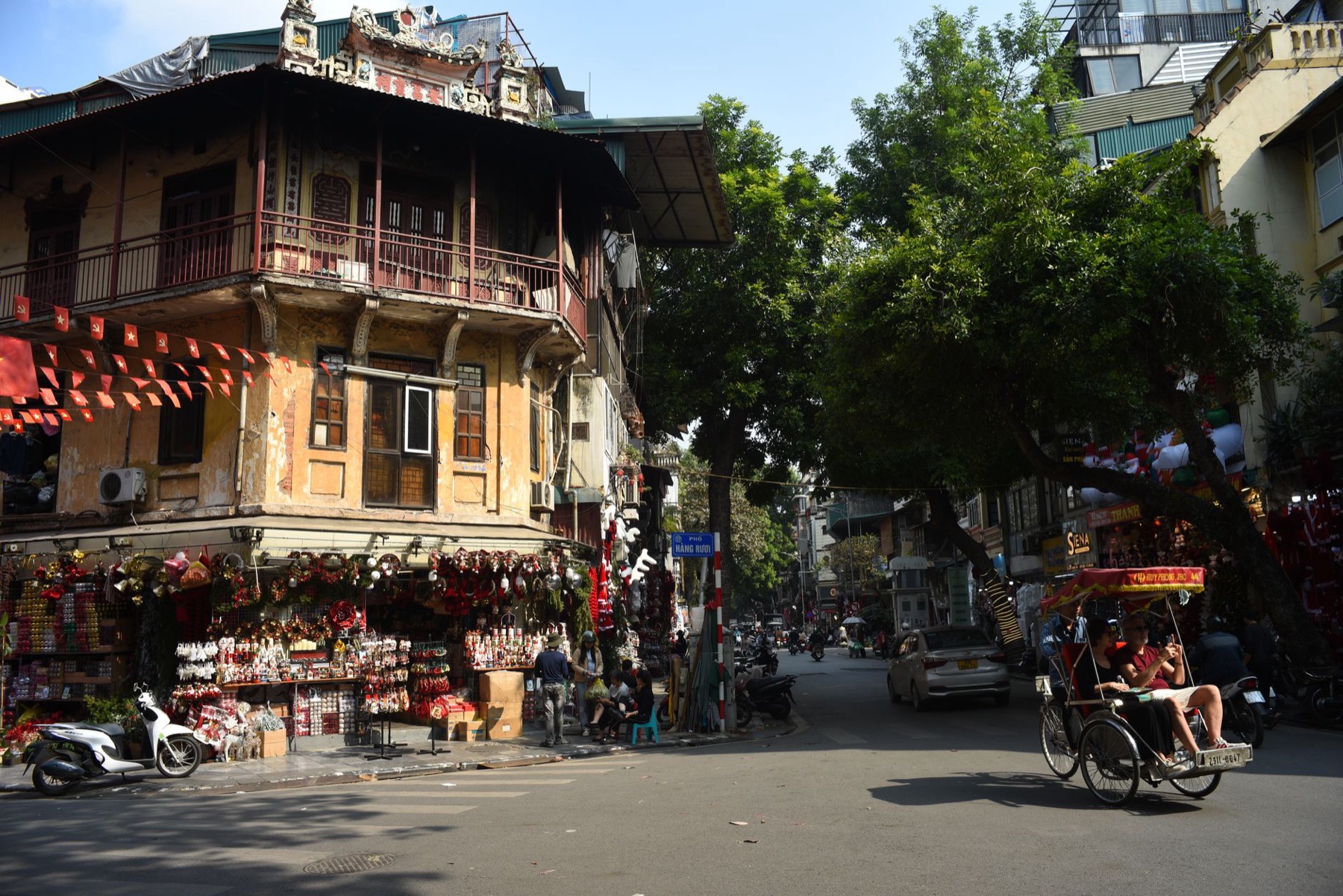
Neighborhoods trump restaurant names. In the Old Quarter (Hoan Kiem district), Hang Manh Street is phở territory; Hang Gai Street runs bánh mì and egg coffee; Luong Ngoc Quyen hosts bún chả stalls. South Hanoi (Cau Giay district) has residential noodle shops where expats and families eat daily. West Hanoi (Tay Ho district) mixes lakeside chains with working-class noodle spots. A single street block might hold five similar vendors; check for speed (quick service signals turnover and freshness), cleanliness (wiped tables, covered pots), and crowds.
The scam isn't the food—it's the price ambush. Tourist-heavy stalls near Sword Lake or Hoan Kiem Lake charge 60,000–100,000 VND ($2.40–$4) for phở that costs 25,000–35,000 VND ($1–$1.40) two blocks away. Restaurants that don't list prices on the menu, or quote only in USD, often overcharge. Always confirm cost before eating. A bowl of bún chả should be 30,000–50,000 VND ($1.20–$2); egg coffee around 30,000–40,000 VND ($1.20–$1.60).
🗺️ Plan your route: Vietnam itinerary
What Are the Real Price Tiers and Neighborhood Matches?
Budget, mid-range, and upscale Hanoi each serve distinct purposes and wallets.
| Tier | Example Dishes | Price per Person (VND) | USD Equivalent | Best Neighborhoods | Who It's For |
|---|---|---|---|---|---|
| Street/Stall | Phở, bún chả, bánh mì, egg coffee | 20,000–50,000 | $0.80–$2 | Old Quarter, south Cau Giay, Hoan Kiem streets | Budget travelers, local breakfast |
| Family Restaurant | Egg coffee, vermicelli bowls, grilled pork, spring rolls | 80,000–150,000 | $3.20–$6 | Residential Tay Ho, Ba Trieu, Hang Bong | Groups, families, casual dinners |
| Upscale Modern Vietnamese | Tasting menus, craft cocktails, plated dishes | 250,000–500,000 | $10–$20 | Near Sword Lake, Tay Ho lakeside | Special dinners, expats, foodies |
Street stalls operate dawn to mid-morning for phở and bánh mì, 11 a.m. to 2 p.m. for lunch (bún chả, egg coffee). Many reopen 4–6 p.m. for snacks; dinner service is rare. Family restaurants open 10 a.m.–10 p.m., often with a 2–3 p.m. dip. Upscale spots: 11 a.m.–2 p.m., 5–10 p.m., closed Mondays or Tuesdays.
How to Spot and Avoid Tourist Traps Without Missing Real Food
The line between "authentic but good" and "overpriced for tourists" is often a single street. Sword Lake (Hoan Kiem) restaurants charging 80,000–120,000 VND ($3.20–$4.80) for a phở bowl are inflated; the same bowl costs 30,000 VND ($1.20) three blocks inland. Restaurants with laminated English menus and picture boards near lake edges are flagging inflated pricing. That said, not all lakeside eating is bad—some family-run spots near the western shore still charge fairly.
Common traps:
- "Traditional phở" near tourist sites: 60,000–100,000 VND ($2.40–$4). Real phở is 25,000–40,000 VND ($1–$1.60).
- Egg coffee marketed as "famous": 40,000–60,000 VND ($1.60–$2.40) vs. 30,000 VND ($1.20) at residential cafés.
- Bún chả "tours" bundled with drinks: Often 150,000–200,000 VND ($6–$8) for what costs 50,000–80,000 VND ($2–$3.20) alone.
- Restaurants asking "How many people?" before quoting: They're calculating your budget, not their cost.
Avoid places with no locals present at meal times. If it's noon and the place is empty, the food or value is wrong. Walk past; better options are nearby.
📸 Book an ao dai photoshoot in Hanoi or Saigon (Cáo Studio)
Which Neighborhoods Deliver the Best Concentration of Real Food?
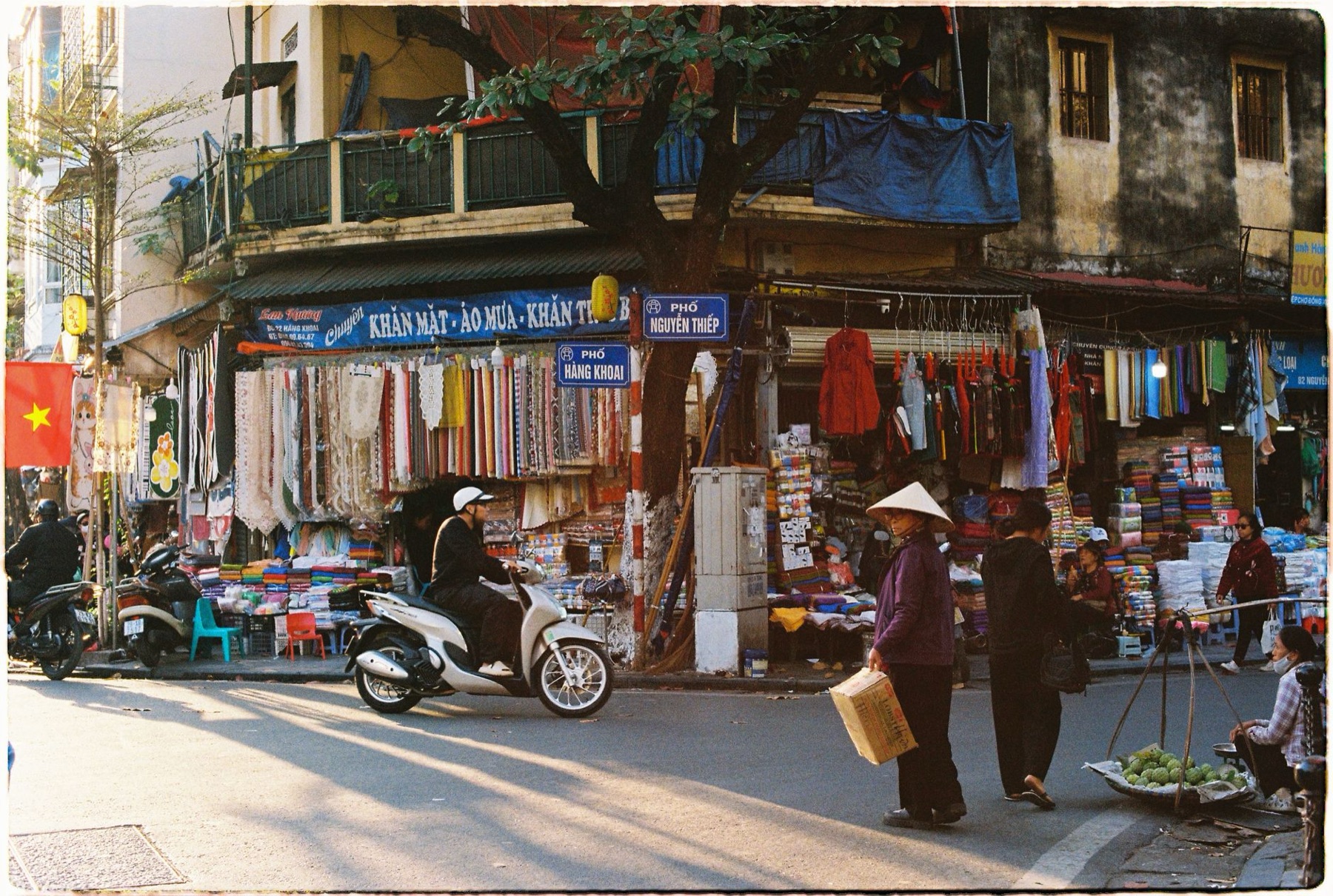
Old Quarter (Hoan Kiem district): The tightest grid of street stalls and hole-in-the-wall noodle shops. Hang Manh and Hang Gai are phở and egg coffee highways. Luong Ngoc Quyen has bún chả vendors at lunch (11 a.m.–2 p.m.). Crowds here are 70% tourists, but food quality is consistent because volume is high. Go early (before 7:30 a.m. for phở, before 10 a.m. for bánh mì) to eat with locals.
South Hanoi, Cau Giay district: Residential feel. Ba Trieu, Hoang Quoc Viet, and Xuan Thuy host family-run noodle shops and vermicelli spots with no English menus. Prices are 30–40% lower than Old Quarter. Fewer tourists; you'll eat alongside students, office workers, shoppers. This is where we eat most days. A full lunch (noodles, grilled pork, spring rolls) costs 60,000–100,000 VND ($2.40–$4).
Tay Ho district, lakeside west of Sword Lake: Mix of upscale cafés, modern restaurants, and hidden family spots serving locals. West Tay Ho (near the Citadel) has cheaper noodle shops; east Tay Ho (along the lake) skews tourist-friendly but has good mid-range restaurants. Biking here and eating where you spot locals rewards you with 80,000–150,000 VND ($3.20–$6) bowls and views.
Ba Dinh district: Near Ho Chi Minh Mausoleum, this residential zone has zero tourist infrastructure. Pho stalls and bánh mì carts serve construction workers and office staff at real prices (20,000–40,000 VND / $0.80–$1.60). If you're staying nearby or visiting the mausoleum, this is your lunch zone.
Hoan Kiem district, away from the lake: Streets like Hang Bong, Hang Be, and Ta Hien have a mix of stalls and family restaurants. Prices jump near the lake edge but stay reasonable (40,000–80,000 VND / $1.60–$3.20) one or two blocks away.
What Should You Check Before Eating at a New Spot?
Cleanliness signals:
- Wiped tables and benches.
- Covered pots on the stove (not sitting open).
- Vendor washing hands between orders.
- Trash disposed of visibly (not under tables).
Freshness signals:
- Queue at typical meal times (no line = no volume).
- Vendor actively prepping (not sitting idle).
- Broth smell is savory, not old or sour.
- Greens (herbs, salad) look crisp, not wilted.
Price check:
- Ask "Bao nhiêu?" (How much?) before sitting. Prices should match neighbors (within 10%).
- If quoted in dollars or without hesitation, it's probably inflated.
- No menu = ask what's available; vendor will point to pots.
What to Skip:
- Restaurants with laminated picture menus in all languages.
- Stalls with "No. 1" or "Legendary" in the name in English.
- Places charging 150,000+ VND ($6+) for a single phở bowl.
- Any vendor who refuses to quote a price upfront.
🎟️ Compare tours & tickets for this place
---
How Should You Budget Your Food Spending in Hanoi?
A realistic daily breakdown:
- Breakfast (phở or bánh mì): 30,000–40,000 VND ($1.20–$1.60).
- Lunch (bún chả or noodles): 50,000–100,000 VND ($2–$4).
- Snack (egg coffee, ice cream): 25,000–40,000 VND ($1–$1.60).
- Dinner (family restaurant or street stall): 60,000–150,000 VND ($2.40–$6).
Total: 165,000–330,000 VND ($6.60–$13.20) per person daily if you eat like locals. If you mix in two upscale meals weekly, add 250,000 VND ($10) per meal.
Meal timing matters. Lunch (11 a.m.–2 p.m.) and dinner (6–8 p.m.) peak quickly; eating at 11:30 a.m. or 5:30 p.m. means shorter waits and fresher prep. Breakfast (5:30–8 a.m.) is cheapest and most local-heavy.
---
For deeper exploration of Hanoi's neighborhoods and logistics, visit our Hanoi guide. If you're planning a multi-city trip, check our Vietnam itinerary planner to route food experiences across Ho Chi Minh City, Hoi An, and other regions.
Capture your Hanoi food moments with a traditional ao dai—book a photoshoot & makeup session in Hanoi at Cáo Studio to frame your journey. Or arrange flower delivery in Hanoi via Hoa Lang Thang as a thank-you gift for a local guide.
---
FAQ
Is street food in Hanoi actually safe to eat?
Yes, when you pick busy stalls with visible turnover and clean prep. Locals eat street food daily for decades. The risk isn't the stall—it's eating when dishes have sat unrefrigerated (afternoon slump) or choosing visibly dirty vendors. Morning stalls (5–9 a.m.) are safest. If your stomach is sensitive, start with cooked dishes (noodles, phở broth) rather than raw greens.
How do I find bún chả without a tour guide?
Walk south of the Old Quarter into Cau Giay or Hoan Kiem residential blocks. Look for stalls with a char-grilled pork smell and ask vendors "Bun cha?" They'll point you to neighbors or serve you directly. Luong Ngoc Quyen Street (near the Old Quarter) has established bún chả vendors at lunch. Price should be 30,000–50,000 VND ($1.20–$2).
What's the difference between a phở stall, a phở restaurant, and an upscale phở spot?
Stalls (20,000–40,000 VND / $0.80–$1.60) serve one broth, limited toppings, standing-room only, 5–10 minute turnover. Restaurants (60,000–100,000 VND / $2.40–$4) offer 3–5 broth types, more toppings, seating, slower service. Upscale spots (150,000–250,000 VND / $6–$10) plate individual elements, craft broths, full dining experience. Quality varies least at stalls (single focus); restaurants often dilute quality for speed.
Can I negotiate prices at street food stalls?
No. Stalls have fixed, posted, or verbally quoted prices. Haggling is not expected and will offend vendors. If a price seems high, walk to the next stall; competition keeps prices honest. Restaurants with no posted prices may negotiate for large groups, but don't expect it.
What should I eat on my first day in Hanoi for maximum flavor impact?
Phở at dawn (5:30–7 a.m.) from a busy stall, bánh mì for mid-morning (9–10 a.m.), bún chả for lunch (noon–1 p.m.), egg coffee at 3 p.m., and a family restaurant dinner (6–7 p.m.). This tour covers five foundational dishes and shows you three eating contexts (stall, street vendor, sit-down). Total cost: 170,000–200,000 VND ($6.80–$8).
Are there English menus a red flag for overpricing?
Usually yes, especially near tourist zones. English menus (especially laminated with pictures) signal catering to visitors, which often means 50–100% markup. Vietnamese-only menus or hand-written boards suggest local pricing. That said, some family restaurants have English menus and fair prices—the marker is context (lakeside vs. residential), not the menu itself. --- 🎟️ Compare tours & tickets for this place
FAQ
Is street food in Hanoi actually safe to eat?
Yes, when you pick busy stalls with visible turnover and clean prep. Locals eat street food daily for decades. The risk isn't the stall—it's eating when dishes have sat unrefrigerated (afternoon slump) or choosing visibly dirty vendors. Morning stalls (5–9 a.m.) are safest. If your stomach is sensitive, start with cooked dishes (noodles, phở broth) rather than raw greens.
How do I find bún chả without a tour guide?
Walk south of the Old Quarter into Cau Giay or Hoan Kiem residential blocks. Look for stalls with a char-grilled pork smell and ask vendors "Bun cha?" They'll point you to neighbors or serve you directly. Luong Ngoc Quyen Street (near the Old Quarter) has established bún chả vendors at lunch. Price should be 30,000–50,000 VND ($1.20–$2).
What's the difference between a phở stall, a phở restaurant, and an upscale phở spot?
Stalls (20,000–40,000 VND / $0.80–$1.60) serve one broth, limited toppings, standing-room only, 5–10 minute turnover. Restaurants (60,000–100,000 VND / $2.40–$4) offer 3–5 broth types, more toppings, seating, slower service. Upscale spots (150,000–250,000 VND / $6–$10) plate individual elements, craft broths, full dining experience. Quality varies least at stalls (single focus); restaurants often dilute quality for speed.
Can I negotiate prices at street food stalls?
No. Stalls have fixed, posted, or verbally quoted prices. Haggling is not expected and will offend vendors. If a price seems high, walk to the next stall; competition keeps prices honest. Restaurants with no posted prices may negotiate for large groups, but don't expect it.
What should I eat on my first day in Hanoi for maximum flavor impact?
Phở at dawn (5:30–7 a.m.) from a busy stall, bánh mì for mid-morning (9–10 a.m.), bún chả for lunch (noon–1 p.m.), egg coffee at 3 p.m., and a family restaurant dinner (6–7 p.m.). This tour covers five foundational dishes and shows you three eating contexts (stall, street vendor, sit-down). Total cost: 170,000–200,000 VND ($6.80–$8).
Are there English menus a red flag for overpricing?
Usually yes, especially near tourist zones. English menus (especially laminated with pictures) signal catering to visitors, which often means 50–100% markup. Vietnamese-only menus or hand-written boards suggest local pricing. That said, some family restaurants have English menus and fair prices—the marker is *context* (lakeside vs. residential), not the menu itself. --- [🎟️ Compare tours & tickets for this place](/vietnam/tours)
More: Hanoi guide · What to eat in Hanoi