Hanoi · Food
Best Food Places in Hanoi: Where to Eat & What to Buy
By Wander in Vietnam editorial team · Hanoi, Vietnam
Hanoi's food culture isn't built on fancy restaurants—it's built on obsession. A vendor has sold the same bowl of pho in the same alley for 30 years. A family deep-fries spring rolls in a 2-meter shophouse. You won't find Instagram aesthetics; you'll find flavor that locals trust. We've eaten our way through every major neighborhood, paid real prices, and learned which areas reward curiosity and which drain wallets.
This guide skips the overrated tourist zones and gives you the streets, the seasons, the actual cost, and how to tell a fair price from a scam.
Which neighborhood has Hanoi's most authentic street food?
The Old Quarter (Hoan Kiem district) feels chaotic, but it's a tourist magnifier. Food is good but priced 30–50% higher than residential areas. Hang Buom Street (east side, near Hoan Kiem Lake) specializes in banh cuon (steamed rice rolls) and crab dishes—try shops around 7–9 a.m. when locals queue. Ba Trieu Street (same district, running north) has eel stir-fry, fried fish, and crab vendors; count on around 40,000–80,000 VND ($1.60–$3.20 USD) per plate. Ngo Huyen Street runs perpendicular and hosts pho, com tam (broken rice), and sticky rice shops.
Real authenticity lives in residential neighborhoods: Tay Ho (West Lake area), Kim Ma (Ba Dinh district), or Thanh Xuan district. Prices drop 20–40%, and you'll eat next to office workers and families. The trade-off is fewer English menus and no signage outside shops—you must walk in and point.
🗺️ Plan your route: Vietnam itinerary
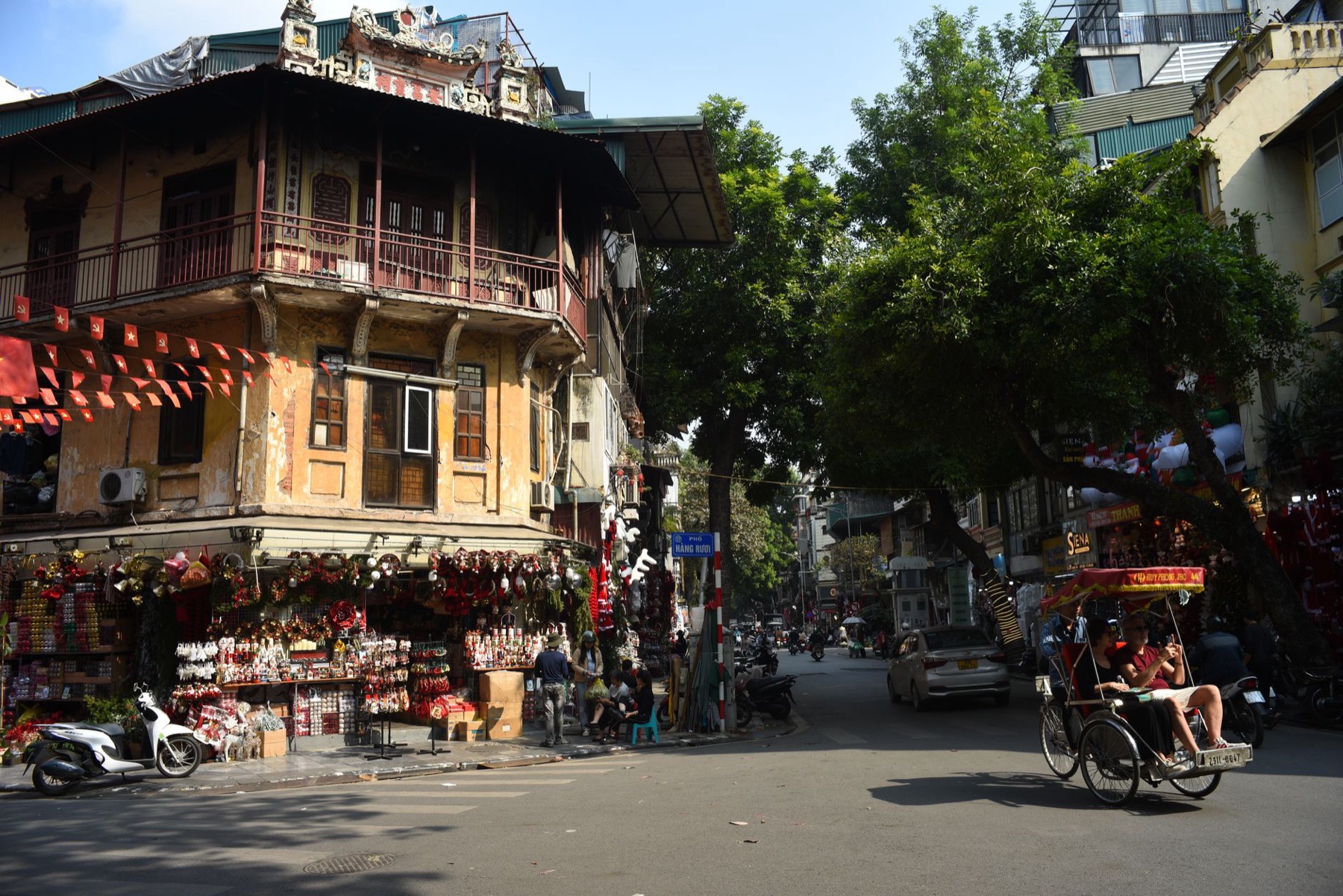
What dishes should you order, and how much do they actually cost?
| Dish | Where (neighborhood) | Typical price (VND) | USD equiv. | What to check |
|---|---|---|---|---|
| Pho (beef noodle soup) | Old Quarter dawn stalls | 30,000–50,000 | $1.20–$2 | Broth clarity; ask for rare beef (tai), tendon (gan), or brisket (nam) |
| Banh cuon (steamed rice rolls) | Hang Buom Street | 20,000–35,000 | $0.80–$1.40 | Fillings visible? Pork should smell fresh. Sauce comes separately. |
| Com tam (broken rice) | Ba Trieu, Tay Ho | 35,000–60,000 | $1.40–$2.40 | Protein on top (pork chop, egg, grilled chicken). Ask for it crispy (com nhat). |
| Bun cha (grilled pork + noodles) | Hanoi Old Quarter, Tay Ho | 40,000–70,000 | $1.60–$2.80 | Pork char-grilled in front of you. Dip rice noodles in broth. |
| Egg coffee (ca phe trung) | Cafés near Hoan Kiem | 30,000–50,000 | $1.20–$2 | Ask if made fresh that morning (should be fluffy, not curdled). |
| Fried fish (ca ran) | Ba Trieu Street | 50,000–100,000 | $2–$4 | Whole fish, crispy skin. Ask weight before ordering (usually charged by kg). |
| Eel stir-fry (luon xao) | Ba Trieu Street | 60,000–120,000 | $2.40–$4.80 | Check freshness; eels should smell like water, not ammonia. |
| Spring rolls (nem ran) | Any neighborhood | 30,000–50,000/5 pcs | $1.20–$2 | Golden, oil shouldn't pool. Dipping sauce (fish sauce) served cold. |
| Sticky rice (xoi) | Tay Ho, Kim Ma | 15,000–30,000 | $0.60–$1.20 | Glutinous, not mushy. Toppings (corn, mung bean, chicken) visible. |
Insider tip: Prices jump 20–30% if the shop faces a tourist street or has a menu board in English. Same dish costs less 20 meters away in a residential alley.
Which markets sell street food you can't find in restaurants?
Dong Xuan Market (Old Quarter, Hoan Kiem district) is massive and labyrinthine. Ground floor sells fabric and goods; lower levels sell fresh produce, meat, and prepared food. Stalls cook pho, banh mi (Vietnamese sandwiches), and egg fried rice from 6–10 a.m. Prices: around 25,000–40,000 VND ($1–$1.60 USD) per portion. Expect pickpockets in crowds; keep bags in front.
Hang Da Market (Ba Dinh district, near Hang Da Street) is smaller, less touristy, and preferred by locals. Food stalls cluster on one side; you'll find banh cuon, com tam, and regional dishes. Open 6 a.m.–1 p.m. most days.
Quang Ba Flower Market (Tay Ho district, early mornings) isn't primarily food, but vendors sell sticky rice, dim sum, and pho to flower sellers at 4–7 a.m. If you arrive before 6 a.m., you'll eat alongside dozens of workers.
Avoid "night markets" marketed to tourists—they're repackaged food courts with inflated prices.
How do you avoid scams and overcharges when ordering?
Price agreement before eating: Always ask "bao nhieu tien?" (how much money?) before sitting. Point to dishes, get a nod confirming the price. Many vendors quote in total (e.g., 100,000 VND for a bowl), not unit prices. Write down the quoted price or ask them to write it.
Weight-based charges: Fish, eel, and crab are often sold per kg. A whole fried fish might be 200–300g (around 30,000–60,000 VND). Ask "co bao nhieu gam?" (how many grams?) before ordering.
Fake menus or altered prices: Sit-down restaurants sometimes present a "tourist menu" with different prices than what locals pay. Eat where locals eat—standing room, plastic stools, no English signage.
Overpriced water and drinks: Bottled water at restaurant tables costs 10,000–20,000 VND ($0.40–$0.80 USD)—buy it from a convenience store for 5,000–8,000 VND ($0.20–$0.32 USD). Soft drinks are similar.
Ice in drinks: Tap water is generally safe, but ice in tourist areas is sometimes made from unfiltered water. Stick to bottled water or ask for drinks without ice.
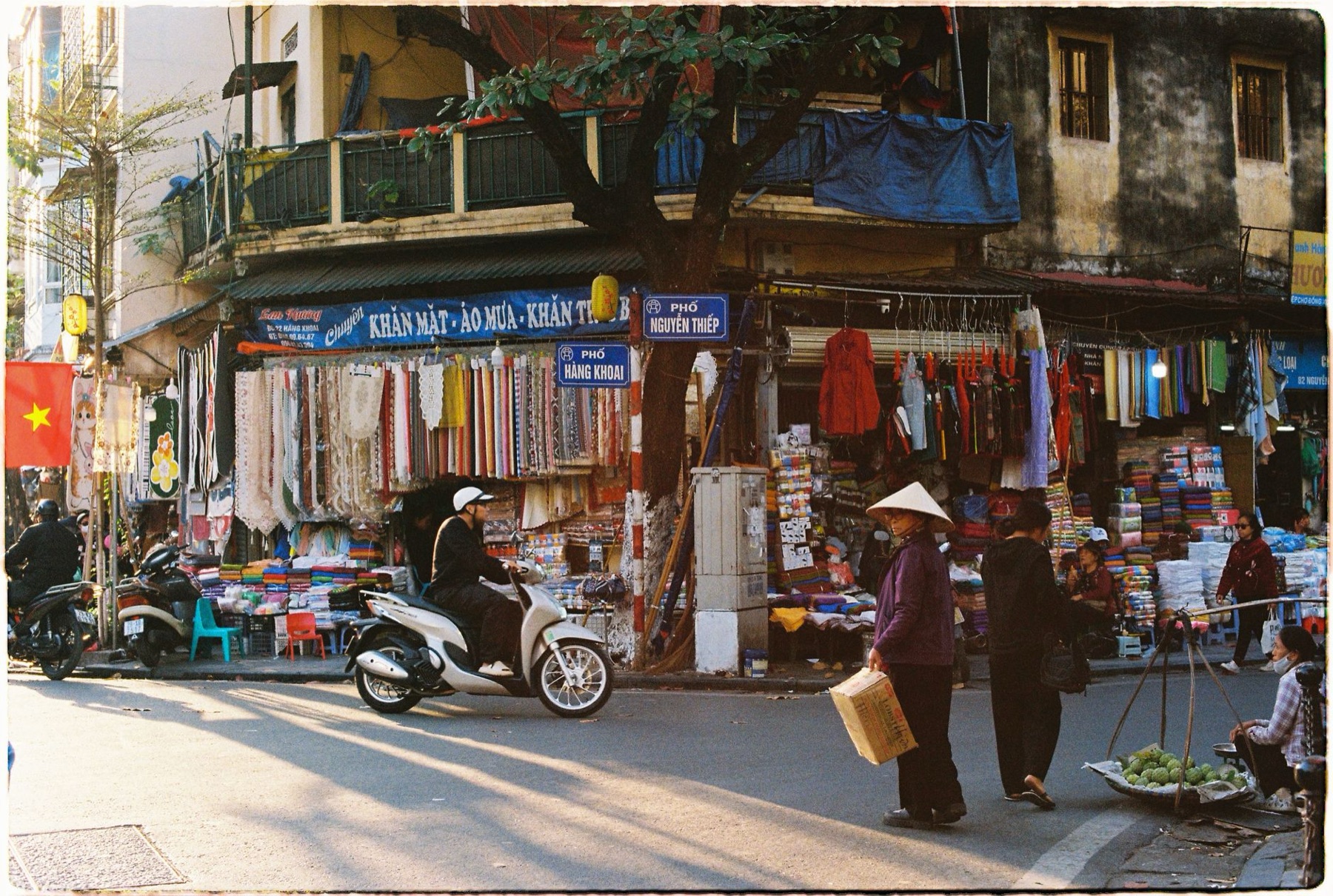
What's genuinely worth eating versus what's overrated?
Worth eating: Pho (beef noodle soup) in a crowded bowl stall before 8 a.m., banh cuon from Hang Buom (where it originated), bun cha with grilled pork, egg coffee as a novelty, fried whole fish with crispy skin, eel stir-fry if fresh.
Skip: Overpriced pho in sit-down restaurants in the Old Quarter (same dish, 3× the price). Coffee from touristy cafés claiming "famous" egg coffee (made poorly for speed). Spring rolls from street vendors near major tourist sites (oil-soaked, old). Hanoi's "carefully made" restaurants on travel sites—many trade on reputation, not current quality.
Overrated: Water puppetry theater combined with dinner. Performances are cultural, but the meal is mediocre and costly. Enjoy the show; eat elsewhere.
Seasonal: Crab and eel peak in autumn (September–November). Pho broth is richer in winter. Sticky rice with mung bean and pork is summer comfort food.
📸 Book an ao dai photoshoot in Hanoi or Saigon (Cáo Studio)
What should you check before buying or ordering?
Pre-purchase checklist for street food:
- Price agreed and confirmed (written or verbal repeat).
- Ingredients visible and fresh-smelling (no ammonia, off-fish smell, or mold).
- Meat/fish grilled or cooked in front of you (builds confidence).
- Vendor using new or clean utensils and serving spoon.
- Sauce provided separately (you control spice and flavor).
- Seating near active vendors (turnover = freshness).
For packaged or takeaway food:
- Date and time written on container (if provided).
- Purchased before 2 p.m. (fresher stock; avoid old dishes reheated).
- Plastic bag sealed, not damp or leaking.
- Vendor can identify main ingredients (allergies, preferences).
For sit-down restaurants:
- Menu prices match verbal quote.
- No surprise items added without asking.
- Water and drinks are sealed bottled or you specify "no ice."
Where should you stay to eat like a local?
Tay Ho (West Lake area, Ba Dinh district) offers cheap pho, banh cuon, and sticky rice shops within walking distance of lake-view accommodations. Kim Ma (also Ba Dinh) is quieter, packed with family-run eateries and office-lunch spots. Thanh Xuan district (south, less central) is residential and 30% cheaper. Old Quarter is convenient but prices are hiked.
If you're visiting Ha Long Bay or Ninh Binh as a day trip from Hanoi, eat breakfast here before leaving—coastal areas have fresher seafood but fewer food stalls.
🎟️ Compare tours & tickets for this place
For deeper neighborhood exploration, consult our Hanoi guide and Vietnam itinerary planner to time meals with local eating patterns (7–9 a.m. pho, 11:30 a.m.–1 p.m. com tam, 5–7 p.m. bun cha).
---
Recommended collections for food lovers:
- Personalized travel guides to Hanoi and Vietnam.
- Cultural experience vouchers for food tours.
- Handpicked local souvenirs (spice sets, coffee, crafts).
---
FAQ
Is tap water safe to drink at food stalls in Hanoi?
Generally yes; most stalls use boiled water for pho broth and ice. Avoid ice from unknown vendors in tourist areas. Bottled water is safer if you're unsure. Locals drink tap water and boiled water without issue; travelers' stomachs adapt over a few days.
How do I know if a street vendor's food is clean?
Look for high turnover (busy = fresh ingredients used regularly), visible preparation, clean hands, and new/washed serving utensils. Smell the broth and meat. If ammonia, mold, or rotten fish odors appear, leave. Trust your nose—it's usually right.
What's a fair price to pay for a full meal at a street stall?
Around 50,000–80,000 VND ($2–$3.20 USD) for a bowl of pho, rice dish, and side. Add 20,000–30,000 VND ($0.80–$1.20 USD) for a drink. A full sit-down meal in a restaurant costs 100,000–250,000 VND ($4–$10 USD). Tourist areas charge 50–100% more.
Are Hanoi's night markets real or tourist traps?
Most advertised "night markets" are repackaged food courts targeting tourists with inflated prices and mediocre food. Skip them. Eat at daytime markets (6–2 p.m.) or permanent restaurant areas like Quang Ba (flower market, early morning) and Tay Ho residential streets for authentic experience and fair pricing.
Should I eat at the same vendor every day or try new places?
Mix both. Repeat visits build relationships and ensure consistent quality; vendors remember your preferences. But rotating vendors exposes you to different techniques and dishes. A week in Hanoi? Eat pho from two places, banh cuon from one, bun cha from another, and reserve flexibility for discoveries.
Can I order online or reserve food at street stalls?
No—street vendors don't take reservations or online orders. Arrive during peak hours (6–9 a.m. for pho, 11:30 a.m.–1 p.m. for com tam, 5–7 p.m. for bun cha). Some family restaurants in Tay Ho or Kim Ma accept phone reservations (ask your hotel for numbers). Expect limited English; ask staff to call and translate.
FAQ
Is tap water safe to drink at food stalls in Hanoi?
Generally yes; most stalls use boiled water for pho broth and ice. Avoid ice from unknown vendors in tourist areas. Bottled water is safer if you're unsure. Locals drink tap water and boiled water without issue; travelers' stomachs adapt over a few days.
How do I know if a street vendor's food is clean?
Look for high turnover (busy = fresh ingredients used regularly), visible preparation, clean hands, and new/washed serving utensils. Smell the broth and meat. If ammonia, mold, or rotten fish odors appear, leave. Trust your nose—it's usually right.
What's a fair price to pay for a full meal at a street stall?
Around 50,000–80,000 VND ($2–$3.20 USD) for a bowl of pho, rice dish, and side. Add 20,000–30,000 VND ($0.80–$1.20 USD) for a drink. A full sit-down meal in a restaurant costs 100,000–250,000 VND ($4–$10 USD). Tourist areas charge 50–100% more.
Are Hanoi's night markets real or tourist traps?
Most advertised "night markets" are repackaged food courts targeting tourists with inflated prices and mediocre food. Skip them. Eat at daytime markets (6–2 p.m.) or permanent restaurant areas like Quang Ba (flower market, early morning) and Tay Ho residential streets for authentic experience and fair pricing.
Should I eat at the same vendor every day or try new places?
Mix both. Repeat visits build relationships and ensure consistent quality; vendors remember your preferences. But rotating vendors exposes you to different techniques and dishes. A week in Hanoi? Eat pho from two places, banh cuon from one, bun cha from another, and reserve flexibility for discoveries.
Can I order online or reserve food at street stalls?
No—street vendors don't take reservations or online orders. Arrive during peak hours (6–9 a.m. for pho, 11:30 a.m.–1 p.m. for com tam, 5–7 p.m. for bun cha). Some family restaurants in Tay Ho or Kim Ma accept phone reservations (ask your hotel for numbers). Expect limited English; ask staff to call and translate.
More: Hanoi guide · What to eat in Hanoi