Hanoi · Food
Best Hanoi Street Food Experiences: Where Locals Actually Eat
By Wander in Vietnam editorial team · Hanoi, Vietnam
Hanoi's street food isn't a culinary trend—it's infrastructure. Millions of residents skip home cooking because eating standing at a plastic stool costs less and tastes better. The gap between tourist-zone prices and what a local pays at the same stall is real, and it's wide. We've eaten at the same pho stand for breakfast runs in Hoan Kiem and Ba Dinh; the difference between ordering like a tourist and ordering like a neighbor is often double the bill.
This guide cuts through the Instagram-friendly nostalgia and shows you where to eat what, how much it actually costs, when to go, and what mistakes destroy the experience.
Which neighborhoods have the most authentic street food stalls?
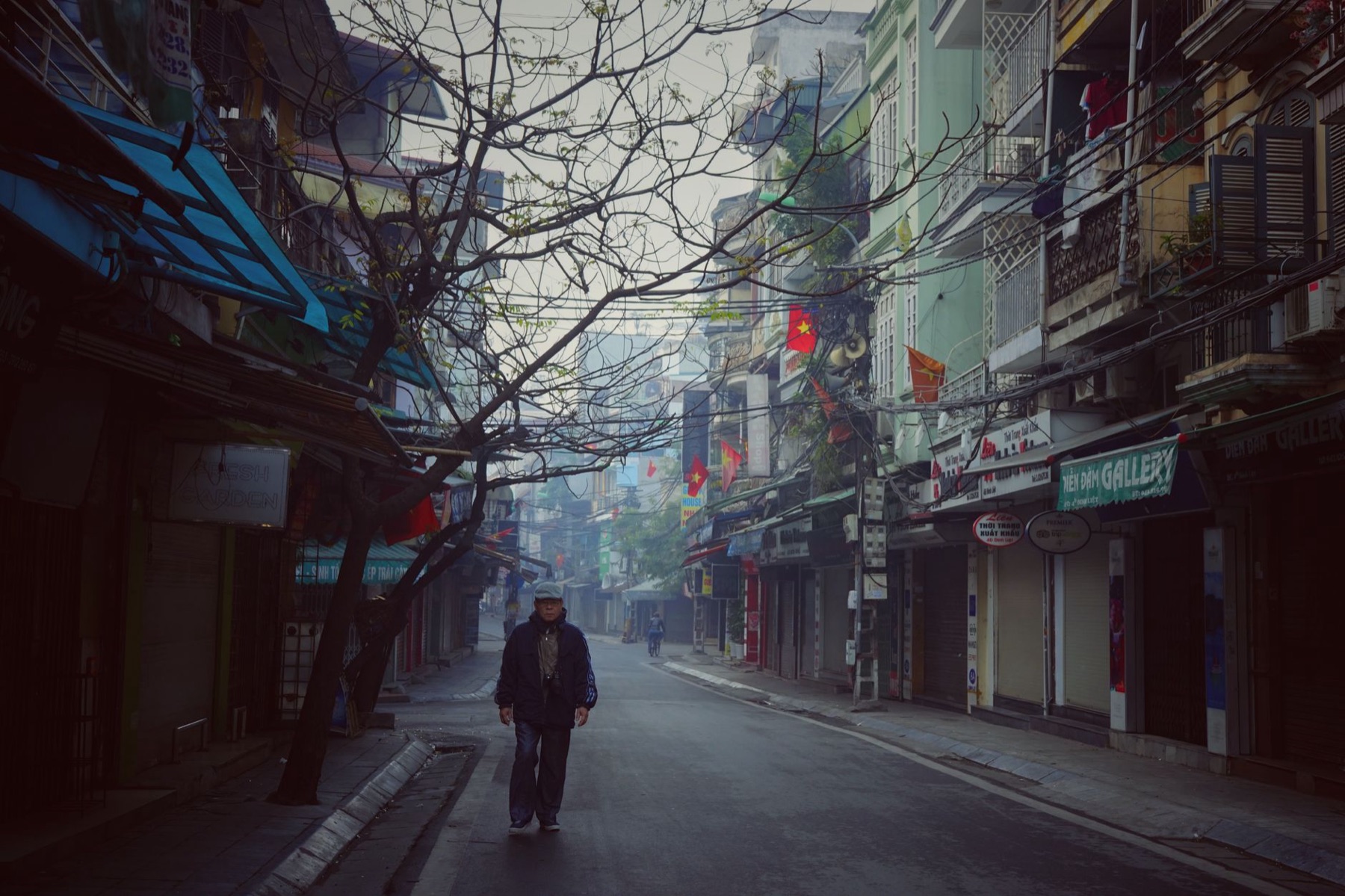
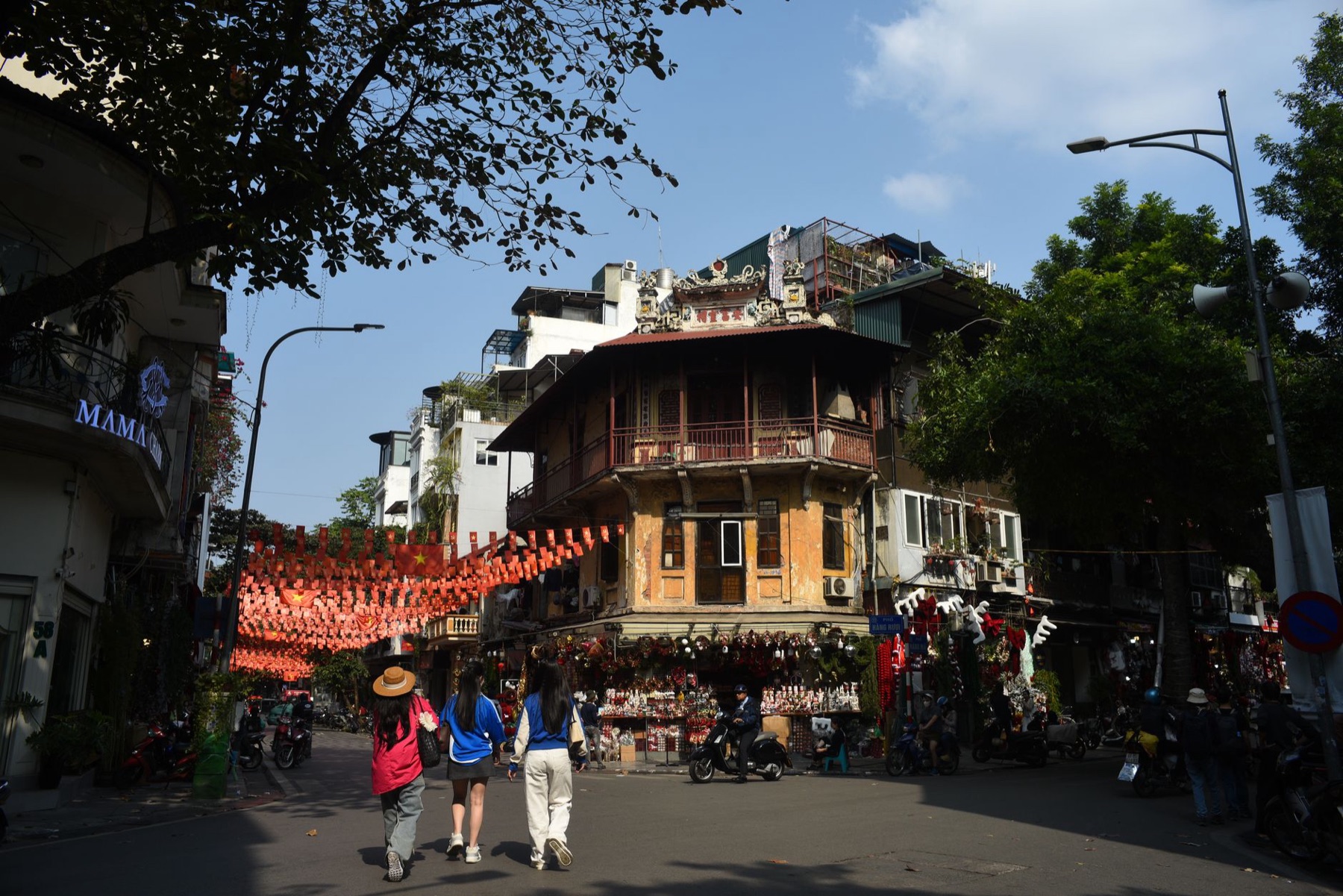
Old Quarter (Hoan Kiem District) is packed with stalls, but mixed with overpriced tourist versions. Walk down Hang Manh, Hang Buom, or Ta Hien and you'll find both. Better: Ba Dinh and Hai Ba Trung (south and east). In Ba Dinh, Tran Quoc Tuan and Nguyen Chi Thanh streets host breakfast crowds 6–8 a.m. Hai Ba Trung's Nguyen Trai is where actual families eat—banh mi, pho, com tam (broken rice with grilled pork). These areas stay genuine because they're where office workers live, not where tourists walk.
🗺️ Plan your route: Vietnam itinerary
What should you eat first—and when?
Pho (beef broth noodles): Eat between 6–7 a.m. at stalls in working-class areas. A bowl costs around 30,000–40,000 VND ($1.20–$1.60). Tourist-zone pho runs 60,000–100,000 VND ($2.40–$4). Quality stalls make broth overnight; you'll taste depth, not salt. Avoid places with pre-cooked noodles sitting in water.
Banh mi (Vietnamese sandwich): Lunch or mid-morning. A proper banh mi with pâté, Vietnamese ham, and pickled vegetables: around 20,000–35,000 VND ($0.80–$1.40). Stall names matter less than seeing the vendor make it in front of you—fresh bread, fresh fills, no assembly-line speed.
Com tam (broken rice with side dishes): Lunch, 11 a.m.–1 p.m. Around 30,000–50,000 VND ($1.20–$2) for a plate with grilled pork, egg, and vegetables. Neighborhoods like Hai Ba Trung have family-run stalls where com tam is the only thing on the menu—always a sign of focus and consistency.
Egg coffee (ca phe trung): Morning or late afternoon at a traditional cà phê stall. Around 25,000–40,000 VND ($1–$1.60). Real egg coffee has thick, creamy egg foam over dark drip coffee. Tourist cafes charge double and often skip the egg yolk in the foam (where the richness lives).
Bun rieu (crab and tomato broth with noodles): Early morning. Around 25,000–35,000 VND ($1–$1.40). More regional and harder to find than pho, but a neighborhood bun rieu stand with a line of construction workers is always worth joining.
Where do locals buy street food: markets vs. stalls vs. restaurants?
| Type | Cost Range (VND) | Best For | When | Real Notes |
|---|---|---|---|---|
| Dawn market stall (Dong Xuan, Warorot) | 20,000–35,000 | Pho, banh mi, com tam | 6–8 a.m. | Cheapest; crowds mean high turnover; push through; no English |
| Alley stall (Ba Dinh, Hai Ba Trung) | 25,000–40,000 | Breakfast or lunch | 6–8 a.m., 11 a.m.–1 p.m. | Quieter, still local, easier to order |
| Wayside noodle cart (no fixed location) | 20,000–30,000 | Quick pho or bun | Early morning | Tiny portions; basic; cash only |
| Casual restaurant (no frills, plastic stools) | 40,000–80,000 | Dinner or larger meal | 11 a.m.–8 p.m. | Not "street food" but cheaper than hotels; honest pricing |
Dong Xuan Market (Hoan Kiem District): The city's largest market opens 5 a.m., chaos until 9 a.m. Upper floors have food stalls mixed with clothing. Come early or expect crowds. Prices: locals don't negotiate on food, but first-time foreigners are occasionally quoted high (ask what it costs if you're unsure).
Warorot Market (Old Quarter, near Red River): Smaller, less touristy than Dong Xuan. Better pho stalls, friendlier vendors, fewer overpriced traps. Same time—5–9 a.m.
Alley stalls (no market): Tran Quoc Tuan in Ba Dinh, Hang Be or Hang Manh in Old Quarter—these are permanent or semi-permanent stalls on the street. Slower than markets, easier to communicate, often run by the same family for years.
How do you avoid being overcharged and spot scams?
The core issue: menu boards showing prices in VND often flip to tourist rates verbally. Four avoidance rules:
- Order in Vietnamese or point. "Mot pho" (one pho), "mot banh mi" (one banh mi). No negotiation needed; stall owners know the price. If you don't speak Vietnamese, use a translation app or ask a local to point and order with you.
- Watch the stall owner's portion. Real stalls don't skimp. A bowl of pho should be overflowing with noodles, a plate of com tam should be heaped. If it looks light, move on.
- Check the bill before leaving. Most stalls will write a number on a scrap of paper or call it out. Ask "bao nhieu tien?" (how much money?) and confirm. Disputes are rare but easier to resolve on the spot.
- Avoid stalls with printed English menus and high prices. If it's in the Old Quarter within 50 meters of a major tourist landmark, assume a 50% markup. Move three blocks away; prices drop instantly.
Biggest scam: Stalls that serve tourists at different prices than locals in the same bowl. This happens at high-traffic pho places (Old Quarter, Hoan Kiem Lake edge). Solution: eat where you see zero tourists.
What's overrated, and what's genuinely worth the hype?
Overrated:
- Pho from tourist restaurants. A "famous" pho place in Old Quarter that's in every guidebook usually serves fine pho, but at 80,000–120,000 VND ($3.20–$4.80)—double the real cost. The broth isn't better; the location is.
- Egg coffee at "heritage" cafes. Hanoi's egg coffee is real and delicious, but a trendy café in Old Quarter charges 50,000–70,000 VND ($2–$2.80). A traditional cà phê stand on a quiet street does the same thing for 25,000–35,000 VND ($1–$1.40). Taste is identical.
- Banh mi from stands with long queues. A long queue means tourists found it, not that it's the best banh mi. Neighborhood banh mi stalls with no foreign customers are just as good and cheaper.
Genuinely worth it:
- Bun rieu from a market stall in Ba Dinh or Hai Ba Trung. Not everywhere; harder to find; but crab broth takes time and skill. If you find a local spot with a line at 7 a.m., eat it.
- Com tam from a stall that only sells com tam. Single-dish specialists are usually run by someone's family. The pork is marinated well, the rice is fresh, the egg is cooked to order.
- Fresh banh mi from a bakery you watch make it. Crispy exterior, proper fills, eaten within an hour of baking. This still costs around 25,000–35,000 VND ($1–$1.40) and is worth every dong.
📸 Book an ao dai photoshoot in Hanoi or Saigon (Cáo Studio)
How do you navigate early mornings and crowds safely?
Markets open 5–6 a.m. and are chaotic. Arrive on foot or by taxi (around 50,000–100,000 VND / $2–$4 from a central hotel). Motorbike taxis (Grab) are cheaper (around 30,000–50,000 VND / $1.20–$2) but less stable with a camera and bags.
What to bring:
- Small backpack (hands free, crowds bump you).
- Cash in small bills (VND; most stalls don't take cards).
- A light bag for takeaway (plastic bags are provided, but bring your own to reduce waste).
- Phone with offline maps or Google Translate app.
Safety: Markets are safe. Petty theft exists (bag zippers, pockets), but it's rare and preventable by keeping bags zipped and close to your body. Avoid walking alone after the 8–9 a.m. breakfast rush clears; by 10 a.m., most food stalls are closing or packing.
Language bridge: Download Grab or Google Translate before you go. Learn three words: "mot" (one), "vui" (spicy), "khong vui" (not spicy). Smile; almost all stall owners are patient with foreign customers.
---
What to Check Before You Go
- Seasonal closures: Stalls stay open year-round, but some neighborhood spots close for Tet (Lunar New Year, dates vary yearly). Check local news if traveling in late January or early February.
- Cash only: Even in 2026, many stalls don't accept cards. Withdraw VND from an ATM the night before.
- Respect the space: Markets are workplaces, not museums. Move quickly; don't block vendor stalls for photos.
---
🎟️ Compare tours & tickets for this place
If you want to deepen your Hanoi food knowledge, explore our full Hanoi food guide for restaurant recommendations, cooking classes, and neighborhood deep-dives. Planning a multi-city trip? See our Vietnam itinerary planner to fit street food stops into your route, or check out food scenes in Ho Chi Minh City, Hoi An, or Sapa.
FAQ
Is it safe to eat street food in Hanoi?
Yes. Street food is safer than many restaurants because it's consumed quickly and cooked in front of you. Foodborne illness from street stalls is rare; more common from hotels or tourist restaurants where food sits longer. Stick to busy stalls with high turnover.
What's the difference between a banh mi stall and a banh mi restaurant?
Stalls make banh mi to order (faster, fresher). Restaurants pre-assemble and hold them. Cost: stall 25,000–35,000 VND ($1–$1.40); restaurant 40,000–60,000 VND ($1.60–$2.40). Taste strongly favors the stall.
Can I use my phone to pay at street stalls?
Most stalls in working-class areas don't accept digital payments. Tourist-heavy stalls sometimes use Grab Pay or VietQR, but assume cash only. ATMs are abundant; withdraw small bills (10,000 and 20,000 VND notes) for easy transactions.
How much should I expect to spend on street food per meal?
Around 20,000–50,000 VND ($0.80–$2 USD) per dish at local stalls. A full breakfast (pho, coffee, banh mi) runs 60,000–80,000 VND ($2.40–$3.20). Tourist-zone prices double these amounts.
What's the best time to eat street food in Hanoi?
Early morning (6–8 a.m.) for pho, banh mi, and breakfast. Late morning (10–11 a.m.) for com tam. Lunch (11 a.m.–1 p.m.) for variety. Dinner (5–7 p.m.) for bun (noodle soups) and grilled meats. Stalls close by 8–9 p.m.
Do I need to speak Vietnamese to order?
No. Point, use a translation app, or ask your hotel to write the dish name. Stall owners recognize regulars and tourists; patience is standard. Learning "mot" (one), "co" (yes), and "khong" (no) earns goodwill.
FAQ
Is it safe to eat street food in Hanoi?
Yes. Street food is safer than many restaurants because it's consumed quickly and cooked in front of you. Foodborne illness from street stalls is rare; more common from hotels or tourist restaurants where food sits longer. Stick to busy stalls with high turnover.
What's the difference between a banh mi stall and a banh mi restaurant?
Stalls make banh mi to order (faster, fresher). Restaurants pre-assemble and hold them. Cost: stall 25,000–35,000 VND ($1–$1.40); restaurant 40,000–60,000 VND ($1.60–$2.40). Taste strongly favors the stall.
Can I use my phone to pay at street stalls?
Most stalls in working-class areas don't accept digital payments. Tourist-heavy stalls sometimes use Grab Pay or VietQR, but assume cash only. ATMs are abundant; withdraw small bills (10,000 and 20,000 VND notes) for easy transactions.
How much should I expect to spend on street food per meal?
Around 20,000–50,000 VND ($0.80–$2 USD) per dish at local stalls. A full breakfast (pho, coffee, banh mi) runs 60,000–80,000 VND ($2.40–$3.20). Tourist-zone prices double these amounts.
What's the best time to eat street food in Hanoi?
Early morning (6–8 a.m.) for pho, banh mi, and breakfast. Late morning (10–11 a.m.) for com tam. Lunch (11 a.m.–1 p.m.) for variety. Dinner (5–7 p.m.) for bun (noodle soups) and grilled meats. Stalls close by 8–9 p.m.
Do I need to speak Vietnamese to order?
No. Point, use a translation app, or ask your hotel to write the dish name. Stall owners recognize regulars and tourists; patience is standard. Learning "mot" (one), "co" (yes), and "khong" (no) earns goodwill.
More: Hanoi guide · What to eat in Hanoi