Hanoi · Food
Best Hanoi Street Food Experiences: Where to Eat Like a Local
By Wander in Vietnam editorial team · Hanoi, Vietnam
Hanoi's street food isn't tourist entertainment—it's survival. Millions eat here daily because it's fast, cheap, and honest. A bowl of phở costs around 35,000–50,000 VND ($1.40–2 USD). A bánh mì runs 25,000–40,000 VND ($1–1.60 USD). We've watched the same vendors work the same corners for decades. Here's how to join them, where to go, and what actually tastes worth your time.
Where do real Hanoi locals eat breakfast?
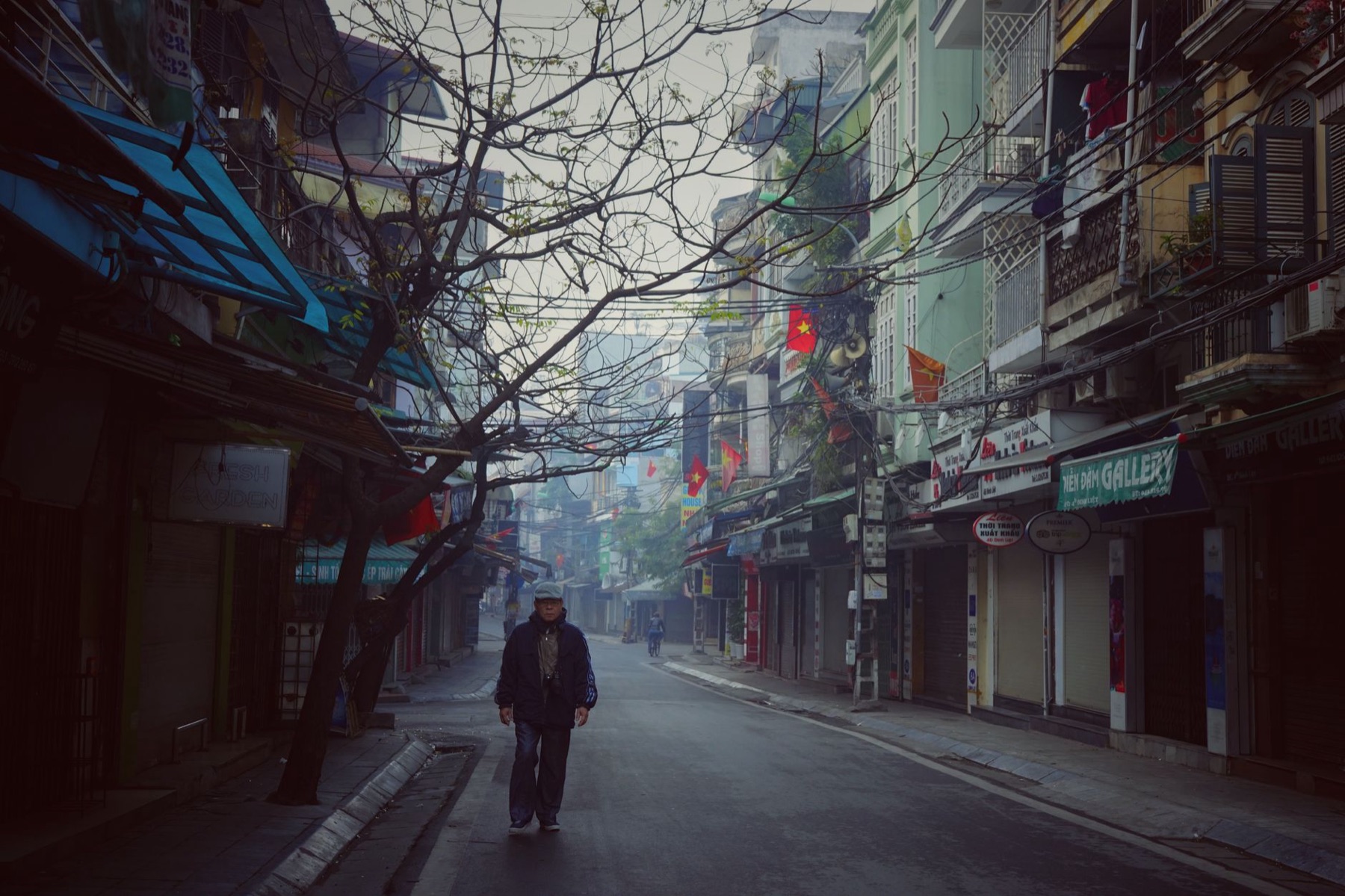
Between 5:30 and 7:30 a.m., neighborhoods transform into open-air dining rooms. Old Quarter alleys—Phố Hàng Mành, Phố Hàng Gà, Phố Cầu Gỗ—fill with plastic stools, aluminum pots, and the smell of star anise and charred pork. There are no signs. You follow foot traffic. A phở vendor sets up a cart with a pot of broth simmered since 4 a.m. Noodles are blanched to order. Broth is ladled hot. Basil, lime, and chili sit in bowls beside your bowl. Cost: around 40,000 VND ($1.60 USD) for a regular, 50,000 VND ($2 USD) for extra beef. Bánh mì vendors stand near motorbike-taxi clusters. Baguette is grilled on charcoal. Pâté, cold cuts, and pickles go in fresh. Around 30,000 VND ($1.20 USD). Egg coffee—thick, sweet, yolk-based—isn't breakfast but post-meal ritual, around 35,000–45,000 VND ($1.40–1.80 USD), found in narrow Cầu Gỗ alleyway cafés with wooden stools and no WiFi.
🗺️ Plan your route: Vietnam itinerary | 🎟️ Compare tours & tickets for this place
Which night markets should you actually visit?
Ba Mieu Market (Chợ Ba Miếu, District 1, Hoàn Kiếm) opens at 5 p.m. and runs until 9 p.m., and it's full of locals buying dinner vegetables, not tourists. However, the food stalls on its perimeter—bánh canh (tapioca cake with crab), bánh hoai (Hoi An-style crispy pancakes), and cơm tấm (broken-rice clay-pot)—are worth the detour. A bánh canh costs around 25,000–35,000 VND ($1–1.40 USD). Eat standing or squat on a plastic stool. No table. No menu. Point at what others are eating.
Dong Xuan Market (the original, not the tourist-facing underground expansion) has a food section on the second floor. Early evening (5–7 p.m.) is best. Bún chả (grilled pork with noodles and dipping sauce) vendors fill one corner. Around 40,000–55,000 VND ($1.60–2.20 USD). Motorbike taxis cluster outside—it's where locals actually shop and eat, not where tour groups stop.
Skip the Saturday night street-food circuit on Ta Hien or Luong Ngoc Quyen. Those stalls cater to backpackers. Prices triple. Quality drops. Instead, eat where workers and students gather: Pho 3 Mau alley (off Phố Hàng Gà, phở and beef organs), Phố Thái Hà (fried tofu, spring rolls), or residential lanes in Hai Bà Trưng district near universities.
What dishes are worth hunting down and where?
Bún riêu cua (crab and tomato noodle soup): A vendor near Hoan Kiem Lake's west side (Phố Đinh Liệt, early morning 6–9 a.m.) serves this in a small aluminum pot. Broth is built from crab shells and tomato. Around 40,000 VND ($1.60 USD). It's gone by 10 a.m.
Cơm tấm (broken-rice clay-pot): Tây Hồ district has a cluster near Westlake (Hồ Tây). A clay pot is filled with broken rice, pork chop, egg, and fish sauce. Cooked on charcoal. Around 50,000–65,000 VND ($2–2.60 USD). Lunch only (11 a.m.–2 p.m.).
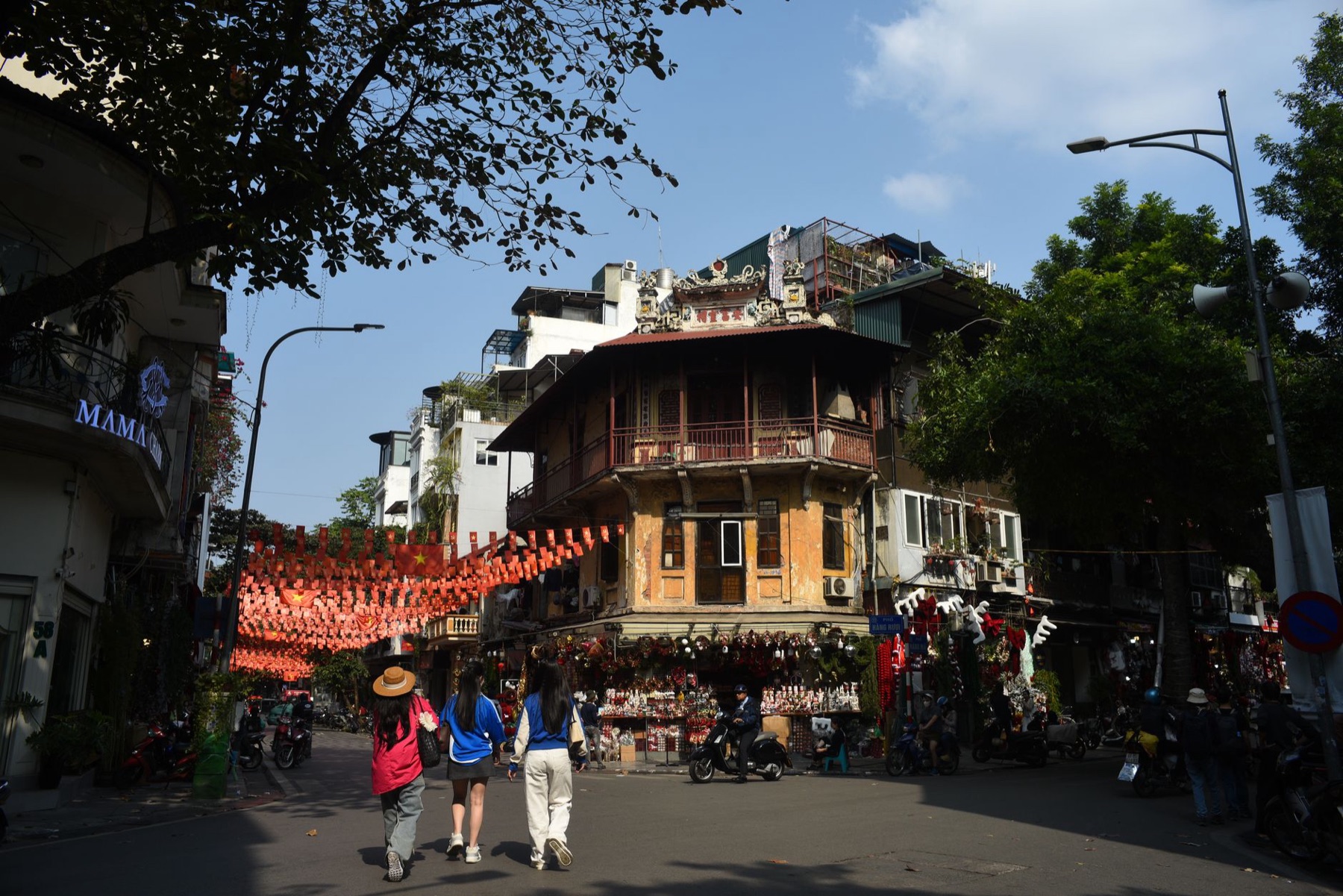
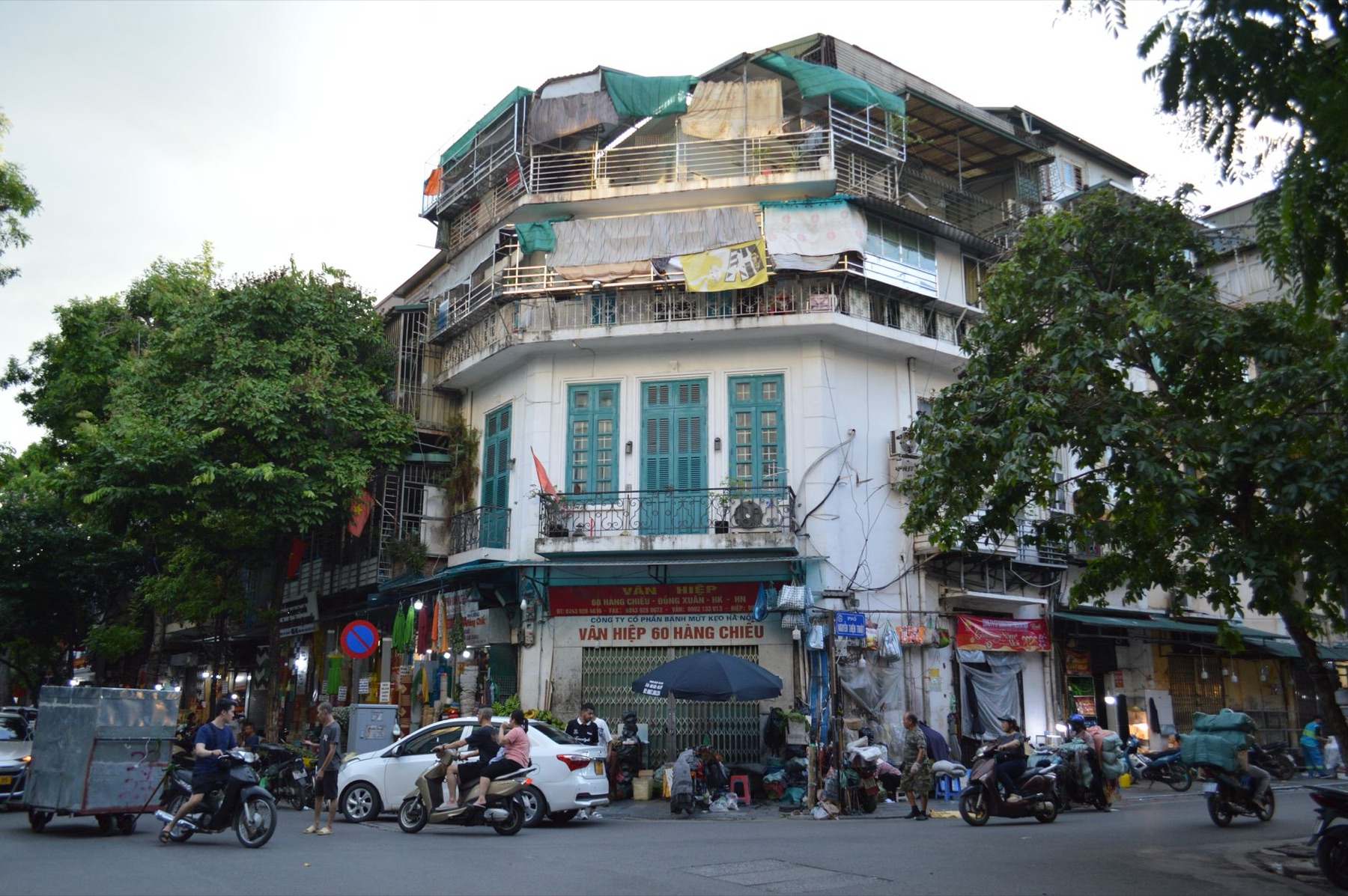
Bánh mỳ pâté & chả (traditional Hanoi bánh mì): Phố Hàng Chiếu has two long-running carts (5:30 a.m.–10 a.m., and again 4–6 p.m.). Baguette is grilled. Pâté is house-made. Pickled daikon and carrot are house-cut. Around 25,000–35,000 VND ($1–1.40 USD). No English. Just point.
Egg coffee: Old Quarter cafés on Cầu Gỗ (Phố Cầu Gỗ, especially north end). Sit upstairs. Watch preparation. Egg yolk, condensed milk, coffee powder, hot water, whisked until foamy. Around 40,000–50,000 VND ($1.60–2 USD). Popular: 8 a.m.–11 a.m., 2–5 p.m.
Meatball soup (bánh canh): Phố Hang Than (south Old Quarter, mornings 6–9 a.m.). Pearls of tapioca, minced pork, crab, in clear broth. Around 30,000–40,000 VND ($1.20–1.60 USD). Chairs are plastic. Vendors shout orders in local dialect. You'll hear no English.
| Dish | Where | Best Time | Rough Cost (VND/$USD) | Why Worth It |
|---|---|---|---|---|
| Phở | Old Quarter alleys (Hàng Mành, Hàng Gà) | 5:30–8 a.m. | 40–50K / $1.60–2 | Broth simmered overnight, noodles to order |
| Bánh mì | Phố Hàng Chiếu, street corners | 5:30–10 a.m., 4–6 p.m. | 25–35K / $1–1.40 | Charcoal-grilled, house-made pâté |
| Cơm tấm | Tây Hồ near Westlake | 11 a.m.–2 p.m. | 50–65K / $2–2.60 | Clay-pot charcoal cook, smoky pork chop |
| Egg coffee | Cầu Gỗ cafés | 8–11 a.m., 2–5 p.m. | 40–50K / $1.60–2 | Whipped egg yolk, ritual as much as taste |
| Bánh canh | Phố Hang Than | 6–9 a.m. | 30–40K / $1.20–1.60 | Tapioca pearls, crab, authentic prep |
How do you avoid tourist traps and scams?
Eat where lines form. If a phở or bánh mì vendor has a queue at 6 a.m., it's trustworthy. If you're the only foreigner, you're probably in the right place.
Avoid Phố Tạ Hiên and Ta Hien Walking Street (Old Quarter). Both are backpacker zones. Prices are double or triple. A phở that costs 40,000 VND elsewhere costs 80,000–100,000 VND ($3.20–4 USD). The "authentic" vibe is theater. Walk three blocks inland—prices drop, faces change.
Cash only. Bring a mix of 10,000 and 20,000 VND notes. Vendors don't carry change for large bills. No card readers. No deposits required. If a stall asks for payment upfront, leave.
Watch the transaction. For phở and bánh mì, the vendor fills your bowl or wraps your sandwich in front of you. Never let food sit unattended. Never buy pre-wrapped items from a pile—insist on fresh prep.
Ask locals (not hotel staff) where to eat. Hotel receptionists earn commission from restaurant referrals. Ask a motorbike-taxi driver, a cyclo operator, or someone eating nearby.
Skip "street food tours" that visit 5+ stalls in an evening. You're eating tourist portions and paying markup. Instead, find one stall, sit for 30 minutes, and eat one thing slowly.
Avoid ice in drinks unless the ice is visibly made from bottled water. Most street vendors use tap water ice. Stick to hot drinks: phở broth, tea, egg coffee, or sealed drinks (beer, soda, water).
When and how should you book a memento of your trip?
After days of eating phở in alleys and watching vendors work, you'll want to freeze that memory. An ao dai photoshoot captures the aesthetic of Hanoi—the silk, the tradition, the color—without the rush of street-food mornings. A session with a professional makeup and hair team, often booked through Cáo Studio's Hanoi service, pairs ao dai fitting with street-food walk photography through Old Quarter. Photos arrive edited, printed, or digital—lasting proof of the person you were here.
Alternatively, a flower delivery service like Hoa Lang Thang in Hanoi lets you send gratitude to a local host or friend—a gesture that feels authentic after eating at their neighborhood stall.
📸 Book an ao dai photoshoot in Hanoi or Saigon (Cáo Studio)
What to check before you eat (not before you buy)
- Broth color: Phở broth should be golden or amber, not gray or brown.
- Smoke smell: Bánh mì from a charcoal grill smells charred, not stale.
- Crowd size: Morning stalls with 10+ people eating are safer bets.
- Vendor hygiene: Hands are washed regularly. Ingredients sit in covered bowls.
- Timing: Eat within the vendor's known hours. A 7 p.m. phở stall is always phở, never cơm tấm.
- Neighborhood: Old Quarter Old, Hai Bà Trưng district, areas near universities or hospitals are reliably local.
Beyond Hanoi: where else to eat like a local?
If you're spending more than a week in Vietnam, plan a full itinerary that includes Hoi An (bánh canh, cao lầu, and night market seafood), Ninh Binh (crab and river fish), and Sapa (sticky rice, grilled fish, minority-cooked pork). Each region has its own street-food rhythm. Hanoi teaches you the pattern. The rest is variation.
For northern day trips, Ha Long Bay is a boat ride, not a street-food destination—focus there on fresh seafood restaurants, not stalls. Ninh Binh, two hours south, has better crab soup and river fish from family-run waterside shacks.
🗺️ Plan your route: Vietnam itinerary | 🎟️ Compare tours & tickets for this place
Street food in Hanoi is democratic. A bowl costs less than a coffee in most Western cities. The vendor doesn't care if you're a CEO or a student. Eat standing, squat on plastic, point at what you want, and leave change in the can. That's the ritual. That's the city.
FAQ
Is it safe to eat street food in Hanoi?
Yes. Vendors serve locals daily—same people, same stalls, same hygiene standards. Risk of stomach upset is low if you eat where crowds form, avoid ice, and stick to hot broth or freshly grilled items. Avoid pre-wrapped or sitting food.
How early do I need to wake up?
5:30–6 a.m. for phở and bánh mì. Markets open 5–6 a.m. Peak hours are 6–8 a.m., then again 11 a.m.–1 p.m. Evening stalls (6–9 p.m.) are slower but less crowded.
Do I need to speak Vietnamese?
No. Point at dishes others are eating or at the pot/grill. Vendors know the motions. Numbers: 1 (một), 2 (hai). "More" (thêm). "Thank you" (cảm ơn). That's enough.
What's the best way to pay?
Cash in small notes (10,000–20,000 VND). No card readers. Vendors make change from a tin can. Tipping isn't expected but a few thousand VND extra is appreciated.
Can I get a phở or bánh mì custom-made?
Yes. You can ask (by pointing) for more or less meat, extra broth, no pickles, or extra chili. Vendors adjust. Prices stay the same unless you add meat.
FAQ
Is it safe to eat street food in Hanoi?
Yes. Vendors serve locals daily—same people, same stalls, same hygiene standards. Risk of stomach upset is low if you eat where crowds form, avoid ice, and stick to hot broth or freshly grilled items. Avoid pre-wrapped or sitting food.
How early do I need to wake up?
5:30–6 a.m. for phở and bánh mì. Markets open 5–6 a.m. Peak hours are 6–8 a.m., then again 11 a.m.–1 p.m. Evening stalls (6–9 p.m.) are slower but less crowded.
Do I need to speak Vietnamese?
No. Point at dishes others are eating or at the pot/grill. Vendors know the motions. Numbers: 1 (một), 2 (hai). "More" (thêm). "Thank you" (cảm ơn). That's enough.
What's the best way to pay?
Cash in small notes (10,000–20,000 VND). No card readers. Vendors make change from a tin can. Tipping isn't expected but a few thousand VND extra is appreciated.
Can I get a phở or bánh mì custom-made?
Yes. You can ask (by pointing) for more or less meat, extra broth, no pickles, or extra chili. Vendors adjust. Prices stay the same unless you add meat.
More: Hanoi guide · What to eat in Hanoi