Hanoi · Food
Best Restaurant in Hanoi 2026: Where to Eat & What to Skip
By Wander in Vietnam editorial team · Hanoi, Vietnam
The hunt for Hanoi's best restaurant isn't about finding one name—it's about understanding which area serves your appetite, budget, and time. After years navigating Hanoi's dining maze, we've mapped the honest truth: tourist-heavy streets near Hoàn Kiếm Lake deliver predictable meals, hidden alleyway bowls hit harder, and upscale tables in quieter districts reward adventurous eaters who book ahead.
What Makes a Hanoi Restaurant Worth Your Time?
Hanoi's best meals either anchor traditions untouched since 1954 or push Vietnamese cooking into new space without losing soul. The difference isn't hype—it's consistency, ingredient sourcing, and whether the kitchen respects the customer's time and stomach. A respected bowl of phở takes 8–10 hours of bone broth; a tourist trap rehashes yesterday's stock. Similarly, upscale restaurants either source from farmers they know or buy frozen imports. Check whether the menu lists dish origins (Hà Nam crab, Thanh Hóa fish) or stays vague.
🗺️ Plan your route: Vietnam itinerary
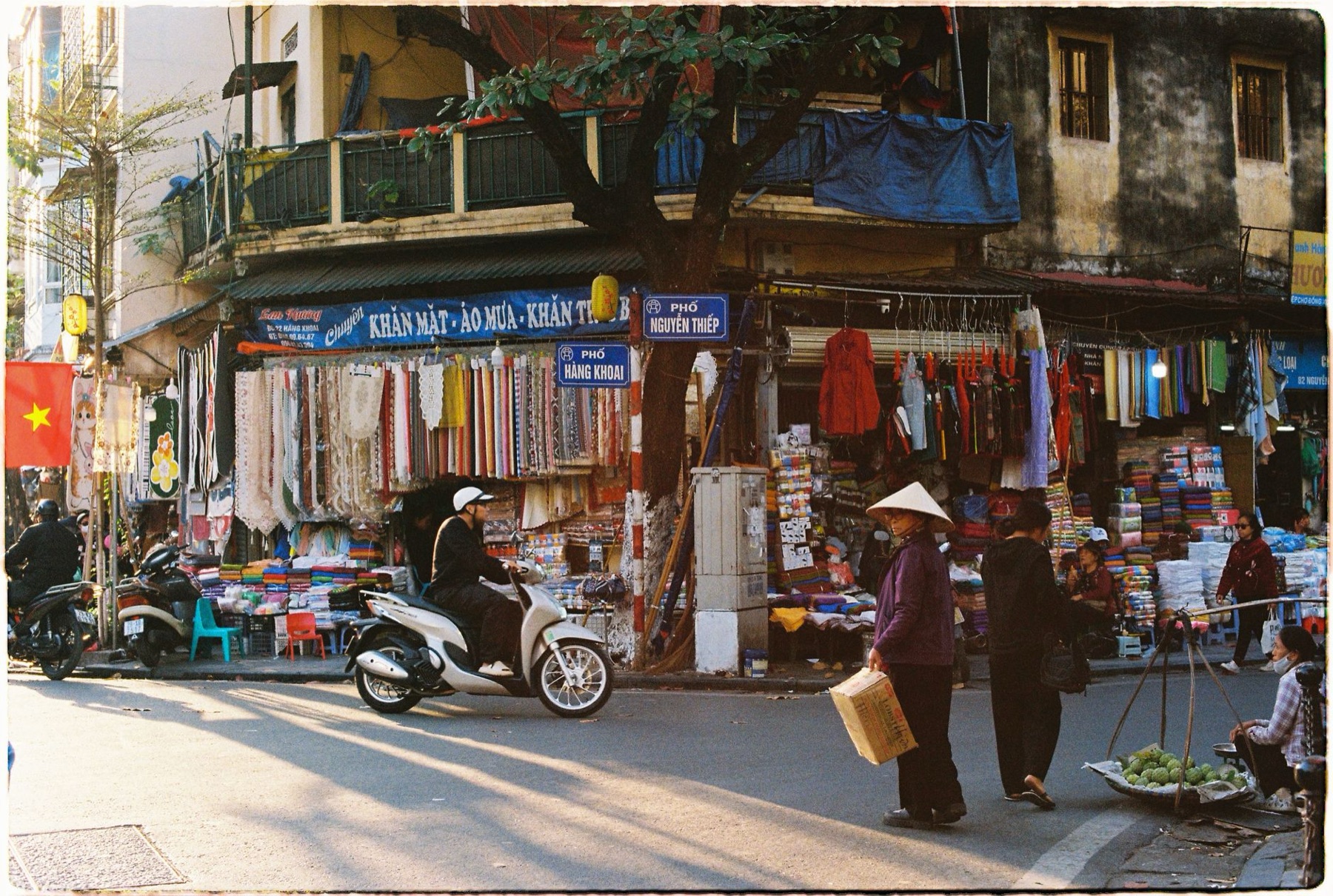
Where to Eat in Hanoi: Neighbourhood Breakdown
Old Quarter (Hoàn Kiếm, Hàng Đào): Crowded, touristy, but unbeatable for speed and cost. Phở bowls ₫30–50k (~$1.40–2.30), bún chả ₫40–70k (~$1.90–3.30). Best for: first-time visitors, tight budgets, want to eat in 20 minutes. Avoid: sitting down at shops with laminated menus and visible tourist photos—those raise prices 50–100%.
Tây Hồ (West Lake): Long, scenic walks, mid-range to upscale dining, sunset views. Restaurants open late (until 10 p.m. or 11 p.m.), fewer backpacker crowds. Mains ₫150–400k (~$6–16). Best for: couples, evening meals, trying new chefs' dishes. Arrive by 6 p.m. weekdays or call ahead on weekends.
Ba Đình (French Quarter, near Văn Miếu): Quieter, heritage feel, mix of casual and fine dining. Walking-friendly, good for lunch when offices nearby empty out. Phở ₫50–80k, modern mains ₫200–500k (~$8–20). Best for: afternoon explorations, avoiding crowds, cultural browsing after temples.
Cầu Giấy & Đống Đa (East Side): Young professional crowd, food courts, chef collectives, fewer tourists. Dishes ₫70–200k (~$2.80–8). Best for: trying many styles in one visit, lunch with locals, late-night eats.
Honest Restaurant Types: What to Expect & What It Costs
| Type | Who It's For | Typical Price Range (Mains) | What to Check Before Sitting | Real Advantage | Common Trap |
|---|---|---|---|---|---|
| Phở & Broth Spot | Commuters, budget travelers | ₫30–60k (~$1.40–2.80) | Kitchen visible, steam rising, queue at morning peak | Authentic bone work, zero markup | Long waits 7–8 a.m., may close by 1 p.m. |
| Bún Chả Alley Stall | Lunch seekers, adventurous eaters | ₫40–80k (~$1.90–3.70) | Charcoal grill actively burning, pork grilling now | Grilled pork done daily, fresh herbs | No English, cramped seating, no AC |
| Com Tam (Rice Broken) Shop | Casual lunch, families | ₫50–100k (~$2.30–4.60) | Multiple side dishes visible in metal trays | Filling, fast, genuinely local crowd | Quality drops after 2 p.m. lunch service |
| Mid-Range Casual (Soft Seat, AC) | Tour groups, comfort-seekers | ₫100–200k (~$4.60–9.20) | Menu has English, staff trained, tourists present | Reliable, fewer stomach surprises, bookable | Generic execution, 30–50% markup vs. street |
| Chef-Led Upscale (Reservation Only) | Special occasions, foodies | ₫300–800k (~$12–32) | Published source list (farms/suppliers), small menu, sommelier on staff | Ingredient transparency, technique investment | Often tries too hard, loses Vietnamese identity |
📸 Book an ao dai photoshoot in Hanoi or Saigon (Cáo Studio)
The Phở Question: Which Old Bowl Actually Delivers?
Every phở legend has a origin story—and Hanoi's best don't advertise. They exist on thin streets where you queue at 6:45 a.m., order by counting fingers (north and south prefer different broths), and leave satisfied for under ₫50k (~$2.30). The difference between "okay phở" and the kind that justifies standing is broth depth: a real house simmers bones 8–12 hours, adds charred onion and ginger, tastes clean and sweet with zero msg heaviness.
How to spot a keeper: look for one-page menus, a pot always on heat, locals only, and a price that hasn't changed in 5 years (usually ₫40–50k for a standard bowl). The tourist phở pays for Instagram lighting and English staff—the real one pays for history. Old Quarter has famous names; less-known bowls in Ba Đình and near Văn Miếu often taste better.
Skip: branded phở chains with multiple locations and colour logos. Hanoi's best phở runs one shop, one family, and closes when sold out (usually by 1 p.m.).
Bún Chả & Grilled Meats: Avoiding Tourist Tax
Bún chả—grilled pork over herb-filled rice noodles with dipping fish sauce—is Hanoi's summer lunch. A real bowl costs ₫50–80k (~$2.30–3.70) and tastes smoky, fresh, and unrushed. The trap: riverside stalls in Hoàn Kiếm and Old Quarter quadruple prices (₫150–300k) by selling "experience" and foreign language staff.
Best practice: walk 5–10 minutes away from major tourist zones. Small alleys near Phố Chợ Lớn or side streets off Hoàn Kiếm Lake have identical stalls at 1/3 the cost. Order bún chả or thịt nướng (grilled meat)—avoid anything called "special," "deluxe," or with a photo menu. Bring small bills (₫20–50k notes); few stalls accept cards and won't keep change smooth.
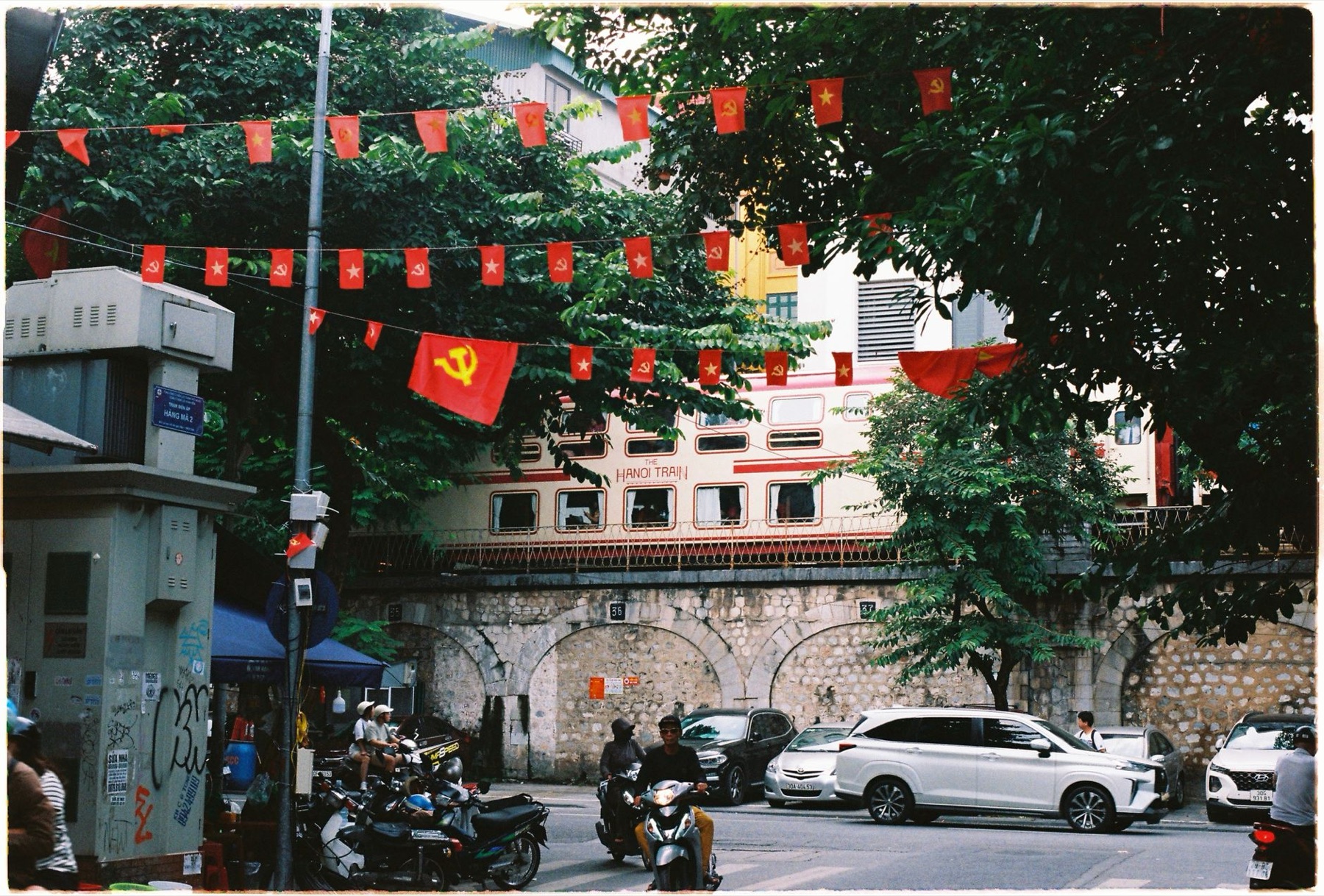
Upscale Vietnamese: When Modern Makes Sense
Hanoi's generation of chefs trained abroad and came back (Hà Nội House, Quân Ơi, Mâm Việt style restaurants) reinvent regional dishes with fine-plating and ingredient sourcing transparency. Costs ₫250–600k (~$10–24 per dish), worth it if: (a) the menu sources from specific farms, (b) reservations are required, (c) the wine/beverage list shows effort, (d) it's tucked in Ba Đình or Tây Hồ, not Old Quarter.
Skip: upscale restaurants in busy tourist blocks with photos on Google Maps showing tourists only. The real upscale move is quiet, word-of-mouth, and books weeks ahead for holidays. Call a day or two before to confirm availability and ask if a tasting menu exists (often better value than ordering à la carte).
What to Check Before You Order: A Real Checklist
- Staff English level: If they speak good English, prices are often marked up 30–50% from what locals pay.
- Menu presentation: Laminated menus with photos = tourist tax. Chalkboard or handwritten = better value.
- Visible kitchen/grill: Can you see the charcoal grill, steaming pot, or open cooking? If no, the food's likely prepared offsite or earlier.
- Queue at peak hours: Locals eating at 11:30 a.m. or 5:30 p.m. is a strong signal. Empty shops at lunch are a red flag.
- Price signs in Vietnamese only: You'll pay less and get more respect if you know the phở costs ₫45k, not "special foreigner price."
- Reservation required?: Upscale spots that insist on booking are serious about ingredient prep. Same-day walk-ins often get lower-quality versions.
- Hygiene marks: Look for staff washing hands, covered dishes, no flies. Street food is safe; dirty is not.
🎟️ Compare tours & tickets for this place
Timing Matters: When to Eat in Hanoi
Breakfast (6–8 a.m.): Phở places are at peak quality and half-full. Order early; many close by 1 p.m.
Late breakfast (8:30–10 a.m.): Second-wave crowds, soups may be slightly less perfect, still good value.
Lunch (11:30 a.m.–1 p.m.): Bún chả, cơm tấm, and rice-based dishes shine. Offices empty out; long queues at beloved spots.
Afternoon lull (1–5 p.m.): Most casual spots close. Street food vanishes. Upscale restaurants start prep for dinner.
Dinner (6–8 p.m.): Peak upscale service, best light for lake-side tables. Tourist crowds start arriving around 7 p.m.
Late night (9 p.m.–midnight): Only certain areas have food (Cầu Giấy, some Tây Hồ spots). Most street food closed; upscale kitchens winding down.
Scams & Traps to Sidestep
Bait-and-switch menus: Restaurant shows you a low-price menu on the door; real menu at the table is 3× as much. Always ask to see the printed menu before sitting.
"Fresh catch" upcharge: If you order seafood, confirm the price before cooking. Some riverside places charge ₫500k+ per kg of crab or prawns and don't warn you.
Fake "guide recommendation": Stickers saying "Lonely Planet," "featured in," or fake "Certificate of Excellence" are often applied by the restaurant itself. Trust your own research.
Tour guide commission: If a cyclo driver or tour operator "recommends" a restaurant, you'll pay 20–30% more. They get a cut.
Overpriced drinks: A small beer at a tourist-heavy spot costs ₫50–80k (~$2.30–3.70); same beer at a local bar ₫20–30k (~$0.90–1.40). Avoid bottle service in Old Quarter.
---
Beyond Hanoi: Expanding Your Vietnam Palate
The best restaurant in Hanoi sets a benchmark—but Vietnam's regions cook differently. Explore Hoi An's street food heritage, sample Ha Long Bay's seafood while floating, or chase northern hill-tribe ingredients in Sapa. Each region's "best" reflects local agriculture, history, and family secrets that Hanoi's mixed-crowd kitchens can't replicate.
If you're planning multiple stops, use our Vietnam itinerary planner to anchor food experiences around regional timing and seasonal ingredients.
📸 Book an ao dai photoshoot in Hanoi or Saigon (Cáo Studio)
---
FAQ
Is street food in Hanoi actually safe to eat?
Yes, if the stall is busy and you see fresh ingredients. Avoid food sitting at room temperature for hours; active grilling, boiling, or frying means hot food. Upsets come from poor water (use bottled or boiled), not the grilled meat itself. Eat where locals eat.
How much should I budget daily for eating well in Hanoi?
₫300–500k (~$12–20) per person for phở breakfast, bún chả lunch, and casual dinner. Add ₫500–1,000k (~$20–40) if you eat upscale once. Tourist areas can double costs; local neighbourhoods keep prices sane.
Do I need to book restaurants in advance?
Street food and casual spots: no. Upscale restaurants (those charging ₫300k+ for mains): yes, call 1–3 days ahead, especially weekends. Mid-range places on weekdays fill by 7 p.m.; reservation helps but isn't essential.
What's the difference between phở and bún riêu or other soups?
Phở uses beef or chicken broth, rice noodles, and minimal herbs. Bún riêu is crab-tomato broth with egg noodles—richer, more complex, lunch-only usually. Mì Vằn Thàn (Thăng Long) is duck broth. Each region has a signature; trying all three teaches you Hanoi's range.
Will I get sick eating at street stalls if I'm not used to Southeast Asian food?
Possible, but usually not from the food—more from water or a sudden shift in spice/richness. Start mild (phở over spicy soups), drink boiled/bottled water only, and let your stomach adjust 2–3 days. Diarrhea is normal for first-time visitors; it's not dangerous, just uncomfortable.
Are there good vegetarian restaurants in Hanoi?
A handful exist (often marked as chay), but Hanoi's default is meat-centric. Better approach: ask for đặc biệt rau (special vegetables) at casual spots; skilled cooks can improvise green curry, stir-fries, or tofu soups off-menu. Upscale restaurants accommodate dietary requests if you call ahead.
FAQ
Is street food in Hanoi actually safe to eat?
Yes, if the stall is busy and you see fresh ingredients. Avoid food sitting at room temperature for hours; active grilling, boiling, or frying means hot food. Upsets come from poor water (use bottled or boiled), not the grilled meat itself. Eat where locals eat.
How much should I budget daily for eating well in Hanoi?
₫300–500k (~$12–20) per person for phở breakfast, bún chả lunch, and casual dinner. Add ₫500–1,000k (~$20–40) if you eat upscale once. Tourist areas can double costs; local neighbourhoods keep prices sane.
Do I need to book restaurants in advance?
Street food and casual spots: no. Upscale restaurants (those charging ₫300k+ for mains): yes, call 1–3 days ahead, especially weekends. Mid-range places on weekdays fill by 7 p.m.; reservation helps but isn't essential.
What's the difference between phở and bún riêu or other soups?
Phở uses beef or chicken broth, rice noodles, and minimal herbs. Bún riêu is crab-tomato broth with egg noodles—richer, more complex, lunch-only usually. Mì Vằn Thàn (Thăng Long) is duck broth. Each region has a signature; trying all three teaches you Hanoi's range.
Will I get sick eating at street stalls if I'm not used to Southeast Asian food?
Possible, but usually not from the food—more from water or a sudden shift in spice/richness. Start mild (phở over spicy soups), drink boiled/bottled water only, and let your stomach adjust 2–3 days. Diarrhea is normal for first-time visitors; it's not dangerous, just uncomfortable.
Are there good vegetarian restaurants in Hanoi?
A handful exist (often marked as chay), but Hanoi's default is meat-centric. Better approach: ask for *đặc biệt rau* (special vegetables) at casual spots; skilled cooks can improvise green curry, stir-fries, or tofu soups off-menu. Upscale restaurants accommodate dietary requests if you call ahead.
More: Hanoi guide · What to eat in Hanoi