Hanoi · Food
Best Restaurants Hanoi Old Quarter: Where to Eat Like a Local
By Wander in Vietnam editorial team · Hanoi, Vietnam
Are the Old Quarter's street-food stalls actually safe to eat at?
Yes—they're often safer than unfamiliar Western chains because ingredients turn over fast and locals eat there daily. Avoid stalls with visible meat left uncovered in heat; choose vendors with steady queues (a sign of speed and turnover). Pay cash in exact denominations to avoid dodgy change. Stick to cooked items, not raw salads at unmarked corners.
🗺️ Plan your route: Vietnam itinerary
What's the real price breakdown for a meal in Old Quarter restaurants?
A typical family pho joint: around 40,000–60,000 VND (USD $1.60–$2.40) for a large bowl with broth, rice noodles, and protein. Grilled-meat spots (mostly on Hang Manh, Hang Chinh): 80,000–150,000 VND ($3.20–$6) for a plate with rice and dipping sauce. Sit-down sit-still restaurants with English menus (Ta Hien area): 120,000–300,000 VND ($4.80–$12). Beer at street level: around 15,000–30,000 VND ($0.60–$1.20). Coffee with egg: 25,000–40,000 VND ($1–$1.60). Tip: eat where construction workers and office staff are eating, not where tour groups cluster.
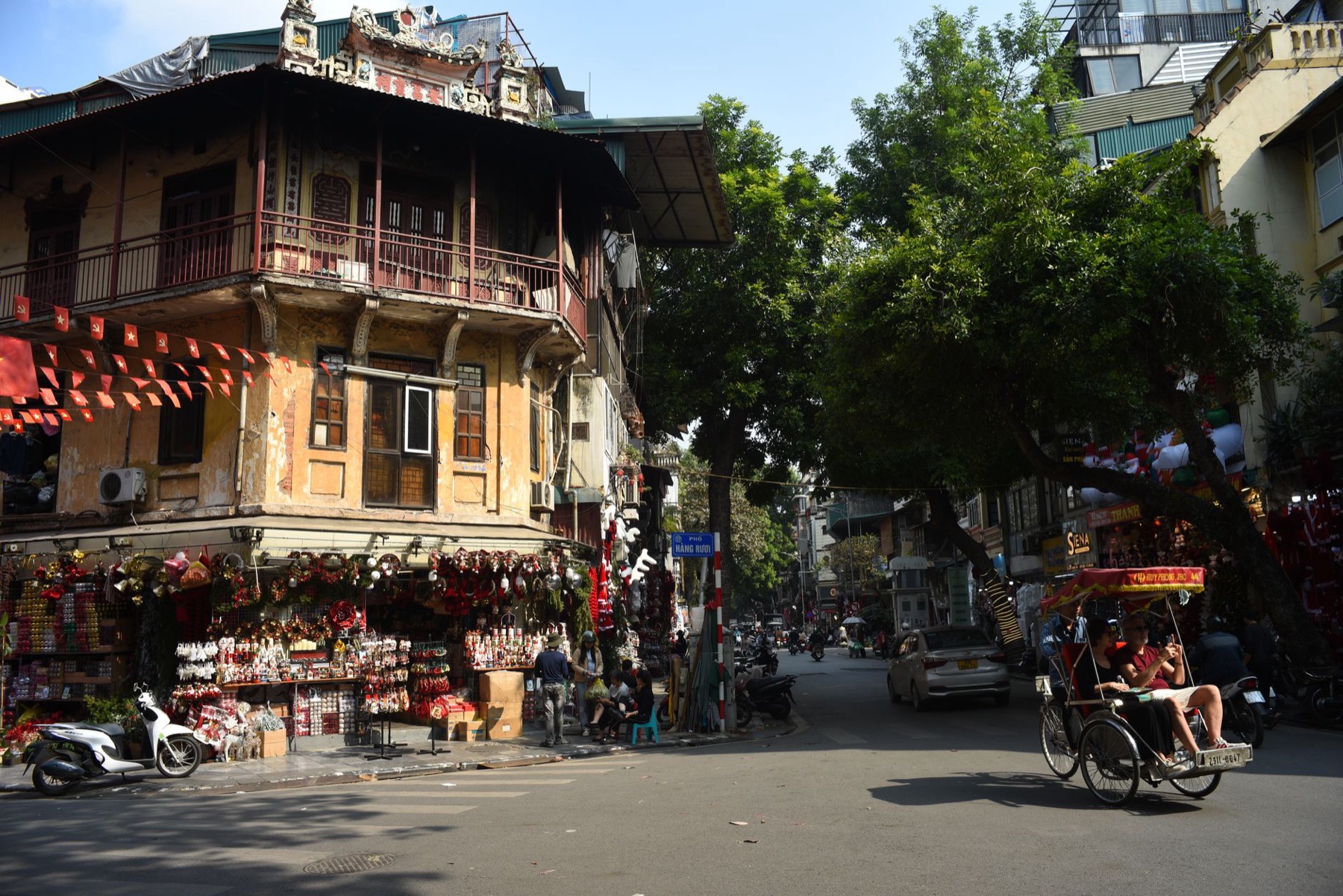
Which neighbourhoods within Old Quarter have the best food concentration?
Hang Dieu & Hang Gai (northern edge): pho, traditional egg coffee, vintage shops. Quieter, more Vietnamese clientele.
Ta Hien & Luong Ngoc Quyen (central): touristy but genuine—crab, fish, grilled specialities. Mixed crowds mean higher prices but reliable kitchens.
Hang Manh, Hang Chinh, Hang Buom (western side): grilled meats (thit nuong), roasted chicken, neighbourhood joints. Cheapest, least English spoken, most authentic.
Hoan Kiem Lake perimeter (southern): upscale dining, lake views, modern eateries. Best for dinner dates, worst for budget hunting.
Comparison: Where Each Neighbourhood Fits Your Visit
| Neighbourhood | Best for | Typical price (main dish) | Crowd type | Hours to visit |
|---|---|---|---|---|
| Hang Dieu | Pho, coffee, antiques | 40,000–80,000 VND | Local workers, tourists | 6 a.m.–10 a.m.; 5–7 p.m. |
| Ta Hien | Seafood, beer, nightlife | 120,000–250,000 VND | Tour groups, young travellers | 11 a.m.–11 p.m. |
| Hang Manh/Chinh | Grilled meat, pho, budget | 50,000–120,000 VND | Office workers, locals | 6–10 a.m.; 11 a.m.–2 p.m. |
| Hoan Kiem Lake | Modern, upscale | 150,000–400,000 VND | Families, couples, business | 11 a.m.–11 p.m. |
📸 Book an ao dai photoshoot in Hanoi or Saigon (Cáo Studio)
What time should I eat to avoid tourist-trap restaurants?
Breakfast (6–9 a.m.): Hit pho and egg-coffee spots before 8 a.m. when only locals queue. By 9 a.m., tour groups arrive and portions shrink.
Lunch (11 a.m.–2 p.m.): Peak local time; expect queues but authentic food and fair pricing. Many neighbourhood joints close 2–5 p.m.
Afternoon (2–5 p.m.): Ghost hour—most street stalls shut, sit-down restaurants half-empty. Good for escaping crowds; fewer dish options.
Dinner (5–9 p.m.): Reopen rush. Street food and grilled spots bustle; tourist pricing creeps up after 6 p.m.
Late night (9 p.m.–midnight): Ta Hien becomes a bar crawl. Seek smaller alleys (Hang Buom, Hang Chinh) for real late-night pho.
Avoid 12–1 p.m. on Ta Hien—tour-bus staging time, inflated tabs, rushed service.
How do I spot which restaurants are genuinely local vs. tourist-facing?
Red flags (skip these):
- Menu photos laminated with plastic covers.
- Prices in USD displayed first.
- Servers hovering before you sit.
- Neon "Welcome" signs.
- Rooftop views with AC; most Old Quarter places are ground-floor, cramped, no AC.
Green flags (eat here):
- Plastic stools, no napkins provided (you bring your own or use leaves).
- Handwritten menus in Vietnamese only (ask locals to help decode).
- Owner working the stove, not standing at the door.
- Empty at noon but packed at 11:30 a.m. and 1 p.m.—sign of turnover.
- Prices listed in VND only, no rounding to tourist numbers.
- Old furniture, worn tables, no Wi-Fi advertised.
🎟️ Compare tours & tickets for this place
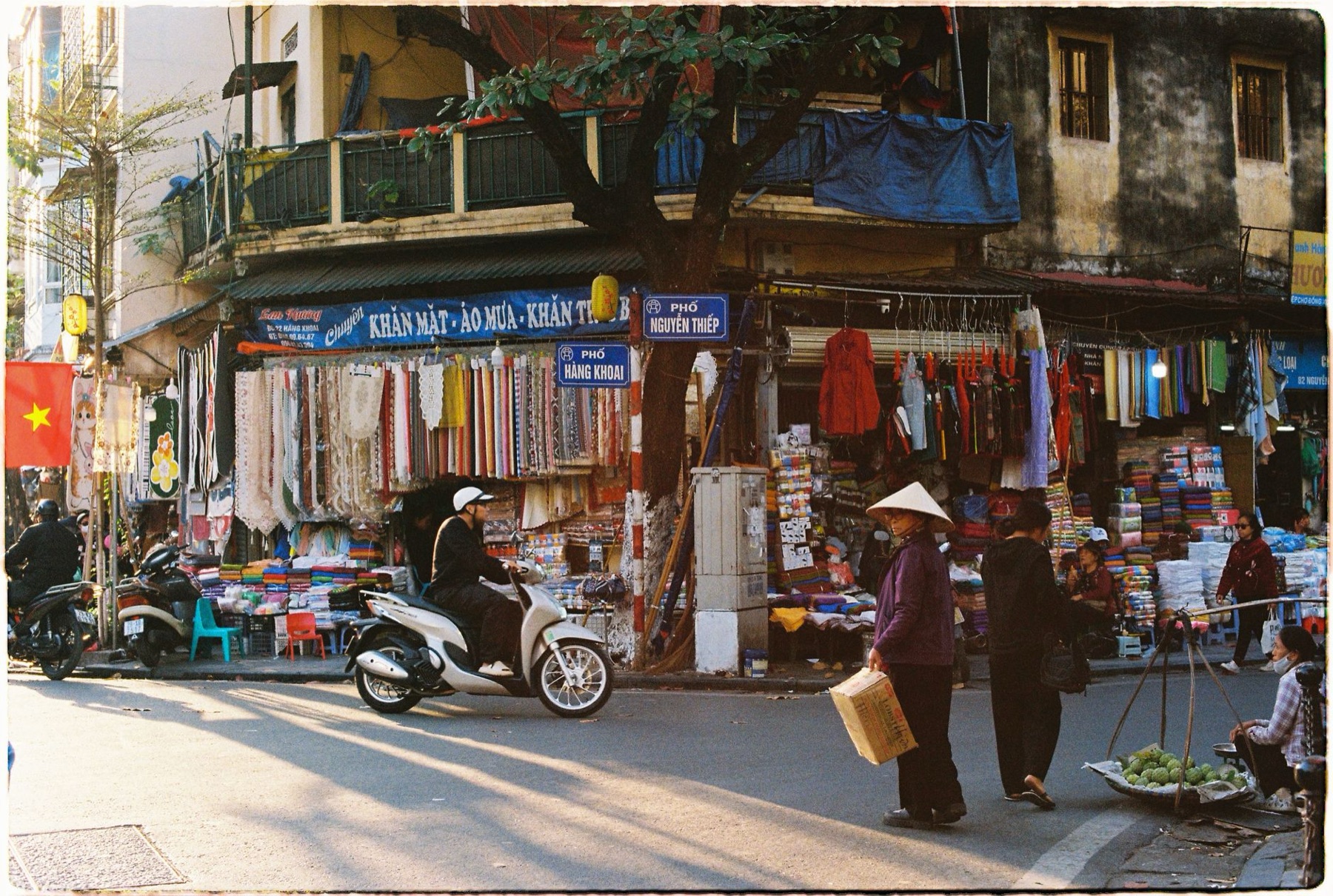
What are the Old Quarter's signature dishes and where to find them?
Pho (Hang Dieu, all streets): Rice-noodle soup with beef or chicken. 40,000–80,000 VND. Open early; go before 8 a.m.
Crab (Ta Hien, Luong Ngoc Quyen): Steamed, roasted, or crab cakes. 150,000–250,000 VND. Sit-down only, evening meal.
Thit Nuong (Hang Manh, Hang Chinh): Grilled marinated pork with dipping sauce and rice. 70,000–120,000 VND. Lunch and early dinner.
Egg Coffee (Hang Gai area): Fluffy egg yolk and dark coffee—signature Hanoi drink. 25,000–40,000 VND. Morning only.
Grilled Chicken (Hang Bon, Hang Chinh): Whole or half bird, roasted with soy and spice. 80,000–150,000 VND. Lunch and dinner.
Banh Mi (street carts, Hang Dieu): Pâté, cold cuts, pickled veg in French baguette. 20,000–35,000 VND. Breakfast and lunch.
Fish Cake & Shrimp (Hang Gai, side stalls): Steamed cakes in broth, sold by weight. 50,000–100,000 VND for a plate. Morning to early afternoon.
What scams or mistakes should I avoid when ordering?
- Unlisted surcharges: Some restaurants add service fees (5–10%) only after eating. Ask "Tong bao nhieu?" (Total how much?) before ordering.
- Switched beer brands: Cheap stalls swap premium for house lager. Confirm the label when it arrives.
- Oversized portions charged per kilo: Grilled-meat spots weigh after cooking. Watch them measure or ask the price per kilo upfront.
- Fake "specials" for foreigners: Servers steer you to pricier unadvertised dishes. Stick to the menu or point at what locals are eating.
- Tap water served without asking: Always request "Nuoc da" (ice water) or buy bottled. Free tap water is safe but unusual—vendors may charge after serving.
- Missing change tricks: Pay exact cash when possible. If using cards at sit-down spots, watch the transaction.
Real-world example: A foreigner orders "crab special" at Ta Hien without asking price. Bill arrives at 450,000 VND ($18) for what locals pay 200,000 for. Solution: Point to a local's plate and ask the same price, or ask the waiter to confirm price verbally in Vietnamese.
Before You Order: A Checklist
- [ ] Is the kitchen visible or closed off? (Open = transparency; closed = risky.)
- [ ] Are locals eating there right now? (Yes = trustworthy.)
- [ ] Did you confirm the price in VND before ordering?
- [ ] Is the stall/restaurant on your walking route, not a taxi detour?
- [ ] Do you have small cash notes to avoid fake change?
- [ ] Is the food item cooked, not raw or prepared hours ago?
- [ ] Have you asked a local or hostel staff for the current "must-eat" spot? (Changes monthly.)
Restaurants and street-food spots across the Old Quarter rotate daily; what's excellent on Monday might close by Friday. We recommend asking your accommodation on arrival for that week's best-value neighbourhoods. Avoid booking restaurant tables through tourist apps—walk in, order, pay cash, move on. The authenticity of the Old Quarter is in its chaos and immediacy.
🎟️ Compare tours & tickets for this place
Next Steps: Explore Beyond Old Quarter
After Old Quarter dining, explore Hanoi's wider food scene for French colonial cafés, suburban pho alleys, and modernist eateries. Consider pairing your meal with an ao dai photoshoot in Hanoi to capture traditional dress culture—many studios offer flexible timing around restaurant visits.
Planning a multi-city trip? Check our guides to Ho Chi Minh City, Hoi An, Ha Long Bay, Ninh Binh, and Sapa for regional speciality dishes and comparable dining patterns.
Staying longer? Arrange flower delivery in Hanoi for hosts or grab a local Vietnam e-visa and eSIM for Vietnam for seamless roaming between food tours.
---
FAQ
Is haggling over restaurant prices acceptable in Old Quarter?
No—haggling works at markets, not restaurants. Prices are set. If a bill seems wrong, ask politely to see the menu or price board. Vendors respect calm disputes backed by facts, not aggression or loudness.
How do I know if a pho vendor is using fresh broth or pre-made?
Fresh broth smells deep and warm; pre-made broth smells thin or faintly chemical. Ask "Canh co phai tu cua cua hang?" (Is the broth made by the shop?). Legitimate vendors say yes proudly. Morning pho (6–9 a.m.) is always fresher than afternoon.
Can I trust eating at crowded street stalls with no English menu?
Yes—crowds mean fast turnover and locals trusting the place. Point to a finished dish at a nearby table or use Google Translate to show Vietnamese phrases. Avoid any stall where meat sits uncovered in sun longer than 30 minutes.
What's the best way to order without overpraying?
Go where locals eat, arrive early (before noon), pay cash, order by pointing at others' plates, and confirm the total verbally before eating. Skip Ta Hien evening rush if budget is tight. Eat lunch, not dinner, for 30–40% lower prices.
Should I tip in Old Quarter restaurants?
Tipping is not customary for street food or small eateries. At sit-down restaurants with table service (especially Ta Hien area), round up 5–10% if service was attentive. Never tip if service charge is already added to the bill.
Are Old Quarter restaurants open during Tet (Lunar New Year)?
Most close 3–7 days around Tet. Street stalls may have reduced hours. Call ahead or ask your hotel. Independent pho shops sometimes operate shortened hours. Tourist-facing Ta Hien restaurants stay open with inflated prices. Plan Tet dining around major hotels or check ahead.
FAQ
Is haggling over restaurant prices acceptable in Old Quarter?
No—haggling works at markets, not restaurants. Prices are set. If a bill seems wrong, ask politely to see the menu or price board. Vendors respect calm disputes backed by facts, not aggression or loudness.
How do I know if a pho vendor is using fresh broth or pre-made?
Fresh broth smells deep and warm; pre-made broth smells thin or faintly chemical. Ask "Canh co phai tu cua cua hang?" (Is the broth made by the shop?). Legitimate vendors say yes proudly. Morning pho (6–9 a.m.) is always fresher than afternoon.
Can I trust eating at crowded street stalls with no English menu?
Yes—crowds mean fast turnover and locals trusting the place. Point to a finished dish at a nearby table or use Google Translate to show Vietnamese phrases. Avoid any stall where meat sits uncovered in sun longer than 30 minutes.
What's the best way to order without overpraying?
Go where locals eat, arrive early (before noon), pay cash, order by pointing at others' plates, and confirm the total verbally before eating. Skip Ta Hien evening rush if budget is tight. Eat lunch, not dinner, for 30–40% lower prices.
Should I tip in Old Quarter restaurants?
Tipping is not customary for street food or small eateries. At sit-down restaurants with table service (especially Ta Hien area), round up 5–10% if service was attentive. Never tip if service charge is already added to the bill.
Are Old Quarter restaurants open during Tet (Lunar New Year)?
Most close 3–7 days around Tet. Street stalls may have reduced hours. Call ahead or ask your hotel. Independent pho shops sometimes operate shortened hours. Tourist-facing Ta Hien restaurants stay open with inflated prices. Plan Tet dining around major hotels or check ahead.
More: Hanoi guide · What to eat in Hanoi