Hanoi · Food
Best Restaurants in Hanoi Vietnam: Choose by Cuisine, Budget & Vibe
By Wander in Vietnam editorial team · Hanoi, Vietnam
Hanoi's restaurant landscape isn't one scene—it's dozens. You'll find century-old pho recipes served at a plastic stool next to glass high-rises, and French-trained chefs plating heritage cuisine under the glow of reconstructed villas. Choosing well depends on your hunger, wallet, and tolerance for noise. We've broken down how to pick by vibe, price, and what actually tastes good.
What's the difference between Old Quarter, French Quarter, and neighbourhood spots?
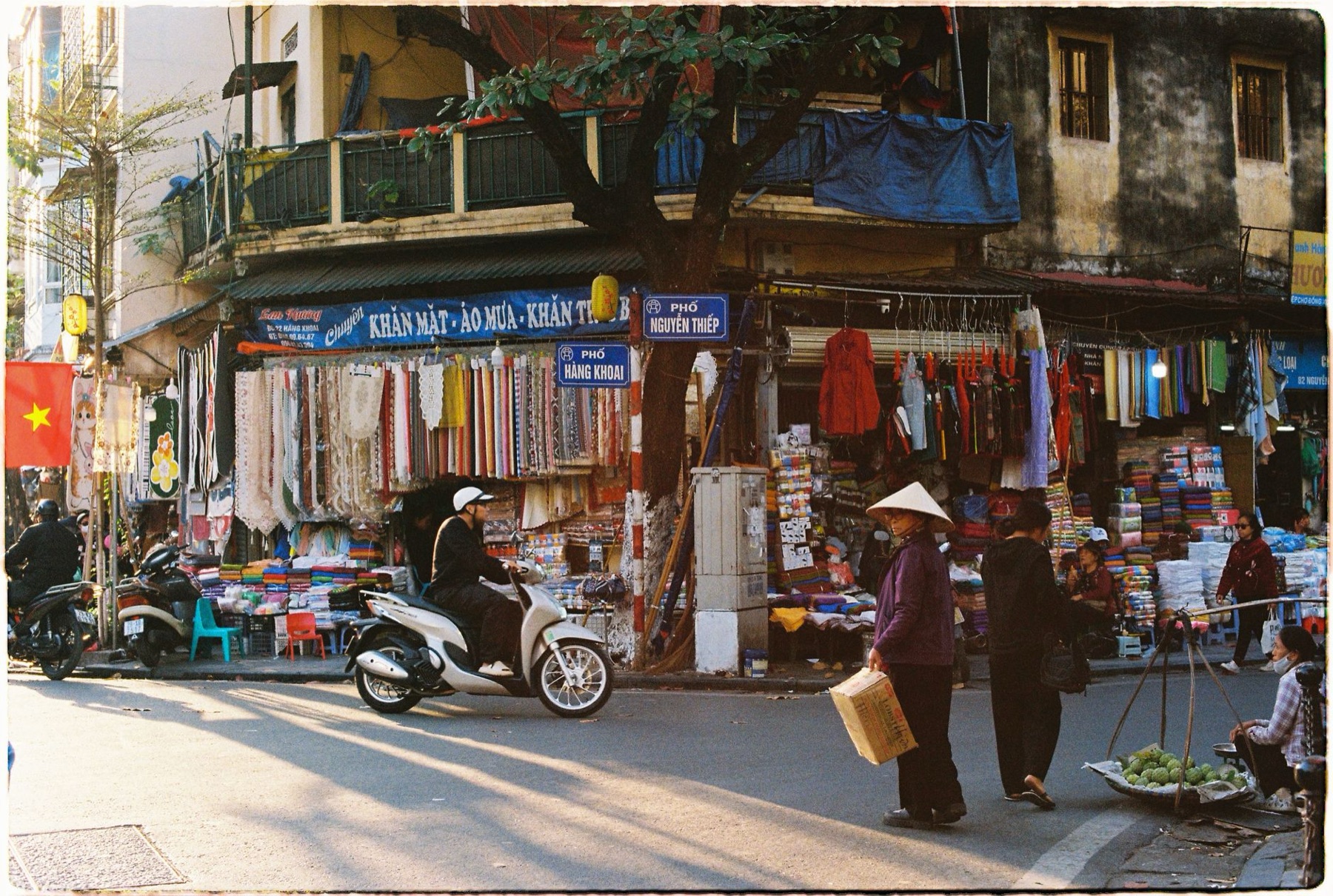
Old Quarter (Hoàn Kiếm district, around Hàng Cơm and Tạ Hiện streets) is Hanoi's densest tourist strip. Restaurants here pack 15–20 covers into a room the size of a closet, and menus often feature English translations with inflated prices. A pho bowl runs $2–$4 instead of the neighbourhood $1.50 standard. Food is usually solid (pho joints have been trading at the same stall for 20+ years), but you'll eat elbow-to-elbow with tourists. Skip the rooftop beer bars along Tạ Hiện unless you enjoy two-hour waits and $8–$12 draught beers.
French Quarter (around Trang Tien, Hai Bà Trưng, and Tây Hồ extension) houses upscale noodle shops, fusion restaurants, and hotel dining rooms. Mains average $8–$25; many places require a reservation and card payment. Service is formal, ingredients are often imported, and you'll sit at a proper table. Best for dinners, special occasions, and travellers wanting quieter surroundings.
Neighbourhood spots (Ba Đình, Đống Đa, Tây Hồ residential streets) are where we eat daily. A $1.50 pho or $2 bánh mì is standard; nobody speaks English, but owners know their craft. Expect plastic stools, no AC, and your food arriving in under 5 minutes. These carry real flavour because turnover is fast and rent is cheap—the owner isn't subsidising Instagram aesthetics.
🗺️ Plan your route: Vietnam itinerary
Which cuisines actually matter in Hanoi?
Pho (beef or chicken noodle soup) is Hanoi's identity. Quality varies wildly. Legendary shops like those on Hàng Dê or Ly Quôc Su open 6–8 a.m. and close by 1 p.m. Expect 10–20 minute waits, a bowl for $1.50–$2.50, and broth simmered 12+ hours. Don't order "medium" or "large"—just point to small or regular; you'll get a heaped metal bowl either way.
Egg coffee (cà phê trứng) is a Hanoi-only dish: a strong espresso topped with whipped egg yolk and condensed milk. Cost: $1.50–$2.50. The old guard shops in Old Quarter (Giang Cafe vicinity) are packed; quieter cafés in Tây Hồ deliver the same technique. It's less a caffeine hit and more a dessert. Arrive early or expect a queue.
Bánh mì (Vietnamese sandwich) fills gaps: a crusty French baguette with pâté, pickled daikon, coriander, and your choice of protein. Cost: $1–$2. The best street stalls cluster near Hoan Kiem Lake and in Ba Đình market areas. Avoid pre-made sandwiches sitting under plastic wrap; order while the vendor assembles it fresh.
Seafood (Cua) in Hanoi means crab, prawns, and molluscs grilled, fried, or in broth. Family-run restaurants near Long Biên Bridge and around Thanh Hà Cau (pedestrian bridge) grill crabs over charcoal and serve them whole for $8–$15 per crab. Book no table; walk in and point at the tank. Bring cash; few take cards.
Com tam (broken rice, a side dish of rice cooked with a grilled pork chop, egg, and pickles) is a fast lunch. $1.50–$2. Eaten standing at a counter in 5 minutes. Look for stalls with a line of locals at 11:30 a.m.
Comparison: Hanoi Cuisines by Vibe, Price & Time
| Cuisine | Who It's For | Price (VND) | Time | Vibe |
|---|---|---|---|---|
| Pho | Early risers, purity seekers | ~40k–60k | 6–8 a.m. | Smoky, loud, plastic stools |
| Egg Coffee | Instagram crowds, sweet-tooths | ~35k–60k | Any time | Cosy café, queue likely |
| Bánh Mì | Lunch rushers, on-the-go | ~25k–45k | 11 a.m.–2 p.m. | Standing, street-side |
| Seafood (grilled) | Groups, diners | ~300k–600k per table | 5–8 p.m. | Open-air, charcoal smoke |
| Cơm Tấm | Office workers, quick lunch | ~40k–50k | 11:30 a.m.–1 p.m. | Counter, standing only |
📸 Book an ao dai photoshoot in Hanoi or Saigon (Cáo Studio)
How do you navigate price without getting ripped off?
The €1 rule: If a menu lists prices in euros or only in USD, it's priced for tourists. That same pho or spring roll costs 2–3 times more than three blocks away.
Cash vs card: Hanoi street vendors and family shops don't accept cards; bring VND. Many upscale restaurants add a 3–5% "card fee" if you insist; pay cash to avoid it. ATMs cluster around Hoàn Kiếm and Old Quarter (withdrawal limit ~$400–$500 per transaction; fees $2–$3).
Menus without numbers: Handwritten menus or laminated boards with no prices mean "quote depends on what's fresh today." This is honest—the seafood joint by the river prices crab by weight that morning. Ask price before ordering. Most will ballpark it fairly; some tourist traps quote high and hope you won't complain mid-meal.
No English = cheaper: If the menu is only in Vietnamese (or pictured on a laminated sign), locals eat here. Prices run 30–50% below English-menu equivalents.
Portion reality: A Hanoi pho bowl (for one person) is genuinely filling; you won't finish an oversized tourist version. Bánh mì is one sandwich per person, not a starter. When ordering seafood, ask: "bao nhiêu tiền một cái?" (how much per piece/crab?). A grilled crab for two runs $12–$20, not $30.
What are the actual scams and red flags?
Hidden fees: High-end restaurants (especially hotel dining) may not list service charge (5–10%) or cover charge ($3–$5) on the menu. Ask before sitting. If it appears on the bill and was never disclosed, push back politely—many restaurants will remove it.
Inflated seafood weight: Crab and prawn spots may weigh your order on an uncalibrated scale. Ask to watch the weighing; better restaurants will do it transparently in front of you. If you suspect cheating, walk out—there's another seafood grill 20 metres away.
Tourist-trap pho: A pho bowl in Old Quarter for $4–$5 with a weak broth and tough meat. The owner counts on you leaving town and not returning. Neighbourhood pho at $1.50–$2 tastes objectively better because the owner has repeat customers to answer to.
"Complimentary" appetisers: A basket of spring rolls, chips, or pickles arrives without you ordering. It will cost $2–$5 on the bill. Say "Không cần, cảm ơn" (Don't need, thanks) immediately if you don't want to pay.
Pre-cooked rice/noodle dishes: Dishes sitting under a heat lamp since lunch taste flat. Order pho or rice dishes at breakfast/lunch (before 1 p.m.) or dinner (after 5 p.m.); avoid 2–4 p.m. grey zone.
Which neighbourhoods should you actually eat in?
Ba Đình (west of Hoàn Kiếm, around Quan Sứ and Mã Mây) is Hanoi's food-lover's zone. Cramped alleyways hold 40+ specialist stalls and restaurants within a 100-metre radius: a pho alley, a bánh mì corner, a crab-grilling spot, a com tam stand. You can walk and taste your way through $15 total. Expect zero English signage and maximum authenticity.
Hoàn Kiếm (Old Quarter edges): Hàng Cơm ("Rice Street") and Hàng Gà ("Chicken Street") are tourist-dense but reliable. The pho shops and egg coffee spots are legit; just budget 20% higher than neighbourhood equivalents and expect crowds.
Tây Hồ (north shore, residential vibe) has quieter restaurants, Western-friendly addresses, and higher price points ($8–$20 for mains). Cafés here cater to expats and upscale Hanoi residents. Order egg coffee here if you want to avoid the Old Quarter crush.
Long Biên Bridge area (Hoàn Kiếm district, eastern edge) is gritty and excellent for grilled crab and seafood. Restaurants cluster under and around the bridge; many are nameless. Arrive after 5 p.m. when the grills light up. Budget $10–$20 per person.
🎟️ Compare tours & tickets for this place
What to check before you order
- Ask the time-to-cook. For seafood or soups, say "Mất bao lâu?" (How long?). If over 20 minutes and you're hungry, consider walking to the next spot.
- Check the broth colour in pho. Golden-amber = slow-simmered. Pale or oily = yesterday's batch reheated. Move on.
- Watch food prep if possible. Open kitchens are a green flag. If the kitchen is walled off and you can't see cleanliness, trust your instinct.
- Cash and card clarity. Ask upfront: "Trả tiền bằng gì được?" (What payment do you take?). If they say card only and it's a street stall, they're upselling tourists.
- Portion size for tourists. If you're with a group, order one dish to share first; most Hanoi restaurants have smaller bowl/plate sizes for single diners, and casual spots don't do "appetiser-sized portions."
- Peak meal times vary. Pho shops peak 6–8 a.m. and 11–12 p.m. Seafood grills peak 6–8 p.m. Egg coffee is steady all day but longest waits 10 a.m.–2 p.m. Aim for off-peak to avoid 20-minute waits.
---
🗺️ Plan your route: Vietnam itinerary
---
For a deeper dive into Hanoi's neighbourhoods, regional dishes, and day trips, visit our Hanoi guide. If you're comparing Hanoi's food scene to other cities, we've also covered Ho Chi Minh City, Hoi An, and other regions in our Vietnam food guide.
FAQ
Do Hanoi restaurants require reservations?
Street stalls and casual pho shops don't take reservations; walk in anytime during service hours. Upscale restaurants, rooftop bars, and hotel dining require 24–48 hours' notice, especially weekends. Call ahead (most have a local Vietnamese number) or ask your hotel to book.
What time should I eat breakfast, lunch, and dinner?
Pho breakfast is 6–8 a.m. Lunch peaks 11:30 a.m.–1:30 p.m. Dinner service starts 5:30 p.m. and runs until 9–10 p.m. Many casual spots close between 2–5 p.m. If you're hungry outside peak hours, your options shrink; plan ahead.
Should I tip at Hanoi restaurants?
Tipping is not expected or traditional in Vietnam. Rounding up to the nearest 10,000 VND (~$0.50) or leaving 5% at upscale restaurants is kind but optional. Street vendors don't expect tips at all.
How do I order if I don't speak Vietnamese?
Learn five phrases: "Cái này là gì?" (What is this?), "Không cay" (Not spicy), "Cảm ơn" (Thank you), and "Giá bao nhiêu?" (How much?). For picture menus, point. Most street vendors recognize nods and hand gestures; be patient and smile.
What's the safest way to eat street food without getting sick?
Eat where locals eat and where there's high turnover. Pho and bánh mì are inherently safe (they're cooked fresh); avoid pre-cut fruit, uncooked vegetables, and anything left sitting in sun. Drink bottled water, not tap water. Your stomach will adjust in 2–3 days; mild discomfort is normal, not illness.
FAQ
Do Hanoi restaurants require reservations?
Street stalls and casual pho shops don't take reservations; walk in anytime during service hours. Upscale restaurants, rooftop bars, and hotel dining require 24–48 hours' notice, especially weekends. Call ahead (most have a local Vietnamese number) or ask your hotel to book.
What time should I eat breakfast, lunch, and dinner?
Pho breakfast is 6–8 a.m. Lunch peaks 11:30 a.m.–1:30 p.m. Dinner service starts 5:30 p.m. and runs until 9–10 p.m. Many casual spots close between 2–5 p.m. If you're hungry outside peak hours, your options shrink; plan ahead.
Should I tip at Hanoi restaurants?
Tipping is not expected or traditional in Vietnam. Rounding up to the nearest 10,000 VND (~$0.50) or leaving 5% at upscale restaurants is kind but optional. Street vendors don't expect tips at all.
How do I order if I don't speak Vietnamese?
Learn five phrases: "Cái này là gì?" (What is this?), "Không cay" (Not spicy), "Cảm ơn" (Thank you), and "Giá bao nhiêu?" (How much?). For picture menus, point. Most street vendors recognize nods and hand gestures; be patient and smile.
What's the safest way to eat street food without getting sick?
Eat where locals eat and where there's high turnover. Pho and bánh mì are inherently safe (they're cooked fresh); avoid pre-cut fruit, uncooked vegetables, and anything left sitting in sun. Drink bottled water, not tap water. Your stomach will adjust in 2–3 days; mild discomfort is normal, not illness.
More: Hanoi guide · What to eat in Hanoi