Hanoi · Food
Best Restaurants in Hanoi: Where to Eat by Neighbourhood & Budget
By Wander in Vietnam editorial team · Hanoi, Vietnam
Hanoi feeds you or it doesn't—and most first-time visitors either end up in a cramped tourist trap or miss the quiet family-run places that actually matter. After eating across every district, we've mapped the real restaurant patterns: where locals eat, what costs what, which types attract hawkers, and where booking beats showing up.
Where should beginners eat in Hanoi's Old Quarter?
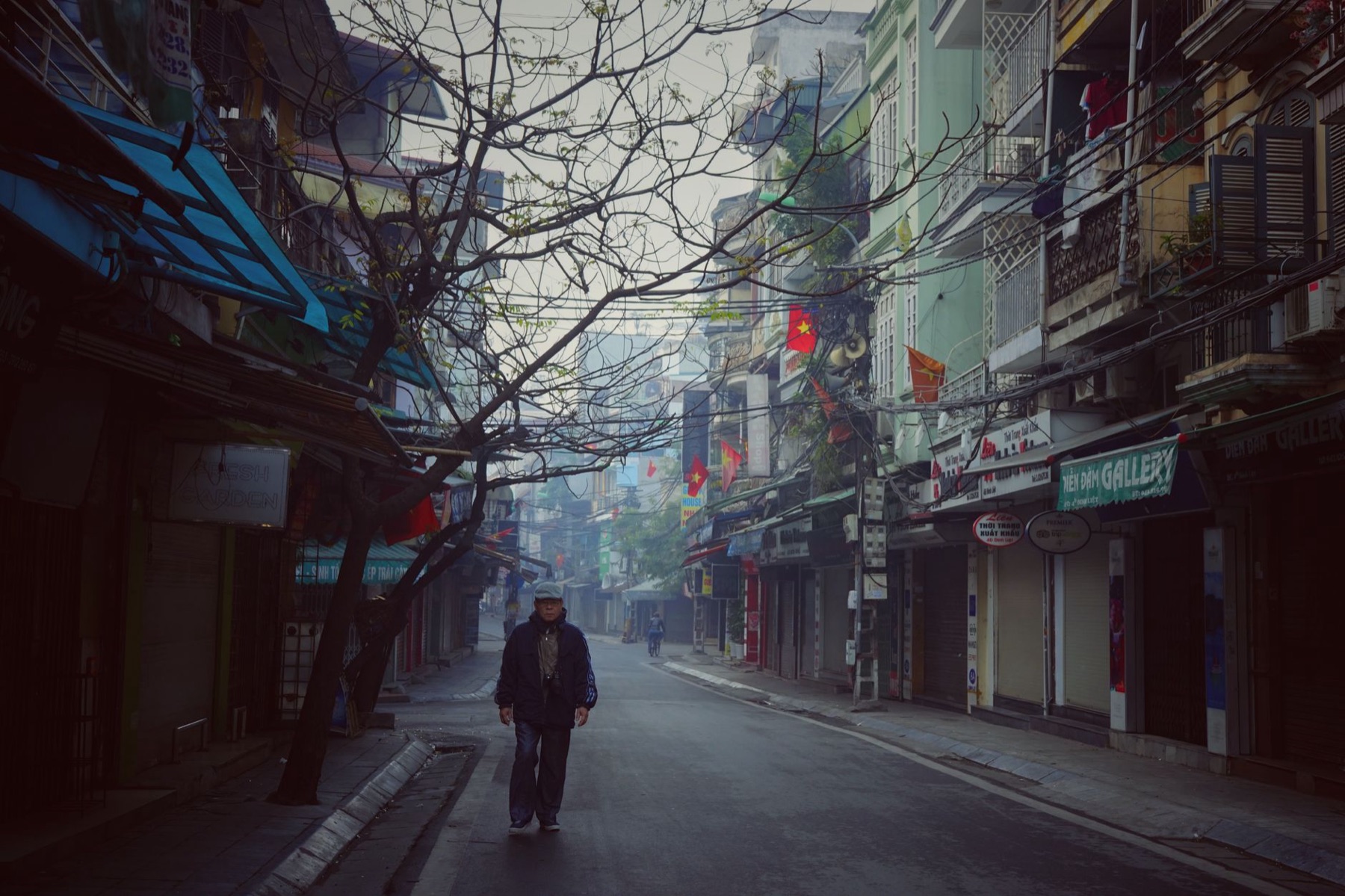
The Old Quarter (Hoàn Kiếm district, streets around Tạ Hiền and Hàng Mặc) is a food maze. Every metre has a sign promising "best pho," "best egg coffee," "best spring rolls." Ninety percent are identical; ten percent deliver. Avoid ground-floor tourist-facing stalls with picture menus and staff circling the pavement. Instead, walk uphill into side streets where you see locals queueing. A bowl of phở here costs around 35,000–50,000 VND ($1.40–2 USD). Bún chả (grilled pork with noodles) runs 40,000–60,000 VND ($1.60–2.40 USD). Bánh mì (filled baguette) from a cart: 25,000–35,000 VND ($1–1.40 USD). Expect plastic stools, no English menus, and real flavour.
🗺️ Plan your route: Vietnam itinerary
The trap: ordering at a tourist-facing table without asking the price first. Many places add "table charge" or charge more to foreigners. Ask "Cái này bao nhiêu tiền?" (How much is this?) before sitting. The win: Hàng Đào Street has a row of phở shops open 6–9 a.m. only; arrive early, eat standing, leave. No tourists, real Hanoi.
What's the difference between Old Quarter street food and Ba Đình fine dining?
| Restaurant Type | Neighbourhood | Price per person | Who it's for | What to watch |
|---|---|---|---|---|
| Street stall (phở, bún chả) | Old Quarter, Long Biên | 35,000–80,000 VND ($1.40–3.20) | Budget travellers, adventurous eaters | No reservations; cash only; arrive peak times (7–8 a.m., 11–1 p.m., 5–7 p.m.) |
| Family-run restaurant | Tây Hồ, Ba Đình | 120,000–250,000 VND ($4.80–10) | Groups, mixed tastes | Booking recommended; some English menus; closed Mondays or irregular hours |
| Colonial fine dining | Ba Đình, Hoàn Kiếm | 400,000–800,000 VND ($16–32) | Special occasions, business lunch | Book 2–3 days ahead; dress casual-smart; wine list often marked up 200% |
| Lakeside modern | Tây Hồ, West Lake | 250,000–600,000 VND ($10–24) | Couples, sunset seekers, Instagram food | Arrive before 6 p.m. or book; tourist-heavy; loud music after 8 p.m. |
| Casual local bistro | Hoàn Kiếm, Ba Đình | 180,000–350,000 VND ($7.20–14) | Lunch break, expat-local mix | Cash and card accepted; noon rush cramped; quiet after 1 p.m. |
The biggest difference: street food is transactional (order, eat in five minutes, leave); restaurant dining expects you to sit, order drinks, linger. A phở stall owner doesn't care if you stay ten minutes or one hour. A fine-dining host books your time slot and expects a 1.5–2 hour visit.
Which neighbourhoods have the best restaurant density?
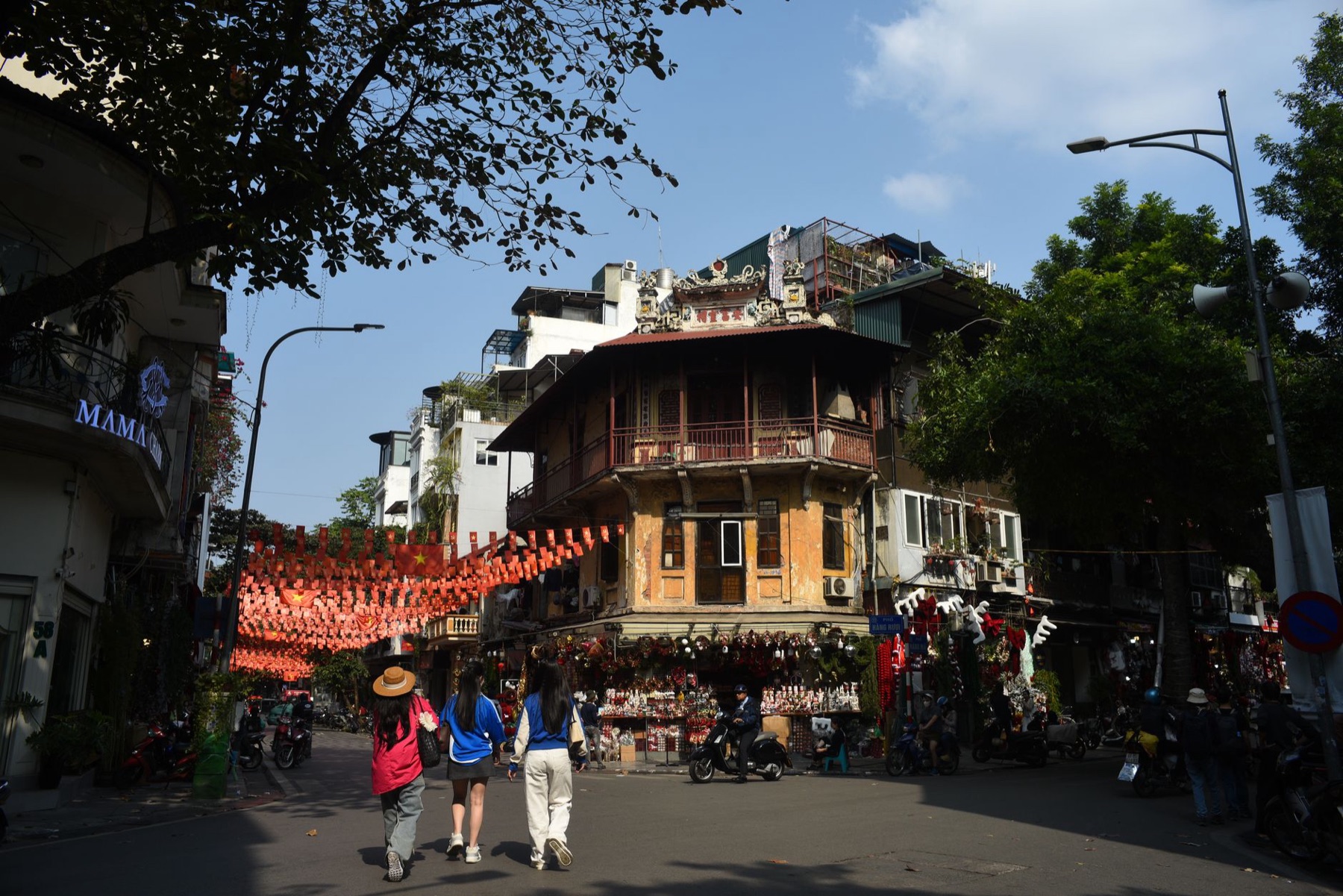
Hoàn Kiếm (central, around the lake): Mix of backpacker joints, upscale Vietnamese, and Italian chains. Saturated, expensive by Hanoi standards, but reliable if you're jet-lagged and want guaranteed English menus. Average bill: 150,000–400,000 VND ($6–16 USD) per person.
Ba Đình (west, French colonial zone): Quieter, older buildings, air-conditioned family restaurants and a few upscale spots. More Hanoian, fewer tourists after 8 p.m. Average bill: 120,000–350,000 VND ($4.80–14 USD).
Tây Hồ (northwest, around West Lake): Gentrified, touristy, but genuinely scenic. Modern Vietnamese, seafood, lakeside bars. Go for sunset, stay for food quality. Average bill: 250,000–600,000 VND ($10–24 USD). Avoid 6–8 p.m. unless you've booked—it's chaos.
Long Biên (east, Red River fringe): Local stronghold, cheap street food, zero tourists, narrow alleyways. Best at lunch (11 a.m.–1 p.m.), shuts down after dark except for a few late-night phở stalls. Average bill: 35,000–100,000 VND ($1.40–4 USD). Bring cash, no WiFi, expect Hanoi as Hanoians eat it.
Hàng Đầu (southwest, Ta Hiền area): Student zone, university restaurants, cafés, ramen bars. Cheap, energetic, chaotic 7–9 a.m. and 11 a.m.–1 p.m. Quiet and half-closed evenings. Average bill: 40,000–120,000 VND ($1.60–4.80 USD).
For a first visit, skip the Hoàn Kiếm lake pedestrian zone unless you're meeting others there—it's 60% markup for a view. Instead, walk two streets back (west into Ba Đình or east into smaller lanes) and eat better for half the price.
How do you avoid scams and overpaying at Hanoi restaurants?
The setup: A vendor on the street recommends a "local restaurant"; you follow; menu has no prices; you order; bill is $50 USD for four dishes. You've been scammed. This happens in Old Quarter near tourist hotels. Prevention: never follow someone off the street, even if they seem friendly. Walk into the restaurant yourself, see the menu posted at the door, ask prices aloud before sitting.
The fake menu card trick: Some street stalls print fake menus for tourists with inflated prices. Real locals order verbally or from a small laminated board. Ask what others at nearby tables are eating and how much they paid. Prices vary but shouldn't double for the same dish at the same stall.
The add-on ambush: You order phở for 45,000 VND; when the bill comes it's 120,000 VND. Check: did you accidentally order a meat upgrade? Did they charge for tea you didn't ask for? Some stalls auto-include extras. Ask "Này có gì?" (What's included?) before paying.
The tourist-trap restaurant with waiters outside: If someone in an apron is actively pulling foreigners in, the food is either mediocre or expensive. Walk past. Real restaurants don't need hawkers.
What works instead:
- Eat where you see locals sitting.
- Ask hotel staff or cafe owners (not tuk-tuk drivers) for lunch recommendations.
- Use Google Maps reviews from Hanoi-based reviewers (not one-off tourist comments).
- For dinner, arrive 5–6 p.m. (early by Hanoi standards) when prices are correct and staff isn't upselling.
- Always ask or see the menu price before ordering.
🎟️ Compare tours & tickets for this place
What types of food should you eat and what's overrated?
Eat it:
- Phở: The most overrated-then-redeemed dish. Mediocre phở is everywhere; good phở (clear broth, balanced spice, tender beef) is rare. Worth seeking out, but not worth paying premium money for. Cost: 35,000–80,000 VND ($1.40–3.20).
- Bún chả: Grilled pork and noodles in a fish sauce broth. This is Hanoi's soul dish. Locals eat it for lunch year-round. Order at street stalls in Old Quarter, Long Biên, or Ba Đình around noon. Cost: 40,000–60,000 VND ($1.60–2.40).
- Cơm tấm: Broken-rice dish with pork chop, egg, tomato. Simple, filling, rarely overpriced. Cost: 35,000–55,000 VND ($1.40–2.20).
- Bánh mì: Vietnamese baguette sandwich. Quality varies wildly; go to a stall with a queue, not a sit-down café. Cost: 25,000–40,000 VND ($1–1.60).
- Chả cá Lã Vọng: Turmeric-marinated fish strips fried and eaten with noodles and herbs. A Hanoi specialty, not replicated well outside the city. One dish feeds 2–3 people. Cost: 180,000–300,000 VND ($7.20–12).
Skip it:
- Egg coffee at a sit-down café: It's sweet, Instagram-famous, and dilutes the coffee. Try it once at a street vendor (half the price), then move on. Cost: 35,000–60,000 VND ($1.40–2.40) at tourist spots.
- "Luxury phở" in Old Quarter: Air-conditioned rooms, printed menus, $8+ bowls. The broth isn't better than a $2 street version. Paying for seating, not substance.
- Western comfort food at upscale restaurants: A burger or pasta in Hanoi costs $12–18 and isn't better than street food. Order Vietnamese or skip the course.
- Bird's nest soup: Expensive, not noticeably better than cheaper alternatives, and ethical sourcing is unclear. Skip unless it's a special-occasion business dinner.
Smart eating path: Hit street stalls for breakfast (6–8 a.m.), lunch (11 a.m.–1 p.m.), and early dinner (5–6 p.m.). Visit one family restaurant at mid-price for a sit-down experience (book ahead). Try one upscale place if it's a special night. Snack on bánh mì, sticky rice, or fruit from carts in between. You'll eat better and spend $15–30 USD per day on food.
📸 Book an ao dai photoshoot in Hanoi or Saigon (Cáo Studio)
What to check before you book or eat at a restaurant
- Is it open right now? Google Maps shows hours; call ahead for fine dining or closed-Monday risks. Many family restaurants shift to lunch-only (11 a.m.–1 p.m.) or dinner-only (5–8 p.m.). Ask at your hotel front desk.
- Do I need a reservation? Street stalls: never. Family restaurants at lunch/dinner rush: yes (book 12–24 hours via Google Maps or by calling). Fine dining: yes (book 2–3 days prior). Lakeside casual: yes on weekends, optional weekdays.
- Is the price transparent? See the menu (physical or on a board) and ask the price in Vietnamese or English before ordering. If the vendor hesitates, walk.
- What are recent reviews saying? Read Google Maps reviews from Hanoi-based accounts. One-off tourist reviews ("great vibe!") are noise. Repeated local complaints (e.g., "food cold," "prices changed," "not open") are signals to avoid.
- Is cash the only payment? Most street stalls and family restaurants are cash-only. Bring 500,000 VND ($20 USD) in smaller denominations. Upscale places take card but may add a 2–3% surcharge.
- Does it fit my energy level? Crowded chaotic stall = fast, loud, stand-eat. Family restaurant = seated, quieter, 1–1.5 hours. Fine dining = dressed-up, slow, 2+ hours. Choose based on your mood, not someone else's recommendation.
---
🗺️ Plan your full Vietnam trip with our itinerary planner
For a deeper dive into Hanoi's food scene and neighbourhoods, explore our main Hanoi guide or check out dining patterns in other cities like Ho Chi Minh City, Hoi An, and Ha Long Bay. Heading to Hanoi long-term? Grab an eSIM for Vietnam and an e-visa beforehand.
FAQ
Is street food in Hanoi safe to eat if you're not used to it?
Street stalls with high turnover (phở, bánh mì) are safer than slow-moving simmered dishes. Avoid salads and items sitting in the heat. Eat where locals eat. Bring a basic stomach remedy (imodium or probiotics) in case, but most travellers adjust within a few days. Your immune system is stronger than you think.
How much should I budget per day for food in Hanoi?
$15–25 USD daily if you stick to street food and family restaurants three meals a day. $40–60 USD if you include one mid-range sit-down meal and occasional coffee stops. $100+ USD only if you eat fine dining nightly. Hanoi doesn't require expensive eating—the cheapest food is often the best.
What time should I eat lunch and dinner in Hanoi?
Lunch: 11 a.m.–1 p.m. (peak hour for street stalls and family restaurants). Dinner: 5–7 p.m. (early by Western standards; kitchens slow after 8 p.m.). Eating at Western lunch/dinner times (noon, 7 p.m.) means shorter queues but sometimes slower service or half-stocked ingredients.
Which neighbourhood is best for my first meal in Hanoi?
If arriving hungry: Old Quarter (chaotic, dense, walk-up stalls) or Long Biên (quieter, local-heavy). If arriving tired: Ba Đình (slower pace, easier to navigate, reliable family spots). If it's evening: Hoàn Kiếm central (reliably open, English-friendly, tourist-safe).
Should I take a street food tour or explore alone?
Skip paid tours for main dishes (you'll learn nothing new and overpay). Instead, walk into alleys at 11 a.m. or 5 p.m., watch where crowds form, and order. You'll spend half the price and actually engage with vendors. Use tours only for rare dishes (e.g., snail soup in a specific alley) or if you're nervous about traffic.
Are there good vegetarian/vegan restaurants in Hanoi?
Street stalls rarely cater well (fish sauce is in everything). Mid-range family restaurants sometimes have vegetable sides. Look for dedicated vegetarian shops in Ba Đình or Tây Hồ (search "quán chay" = vegetarian shop on Google Maps). One or two nights vegetarian is fine; extended veganism requires research and patience.
FAQ
Is street food in Hanoi safe to eat if you're not used to it?
Street stalls with high turnover (phở, bánh mì) are safer than slow-moving simmered dishes. Avoid salads and items sitting in the heat. Eat where locals eat. Bring a basic stomach remedy (imodium or probiotics) in case, but most travellers adjust within a few days. Your immune system is stronger than you think.
How much should I budget per day for food in Hanoi?
$15–25 USD daily if you stick to street food and family restaurants three meals a day. $40–60 USD if you include one mid-range sit-down meal and occasional coffee stops. $100+ USD only if you eat fine dining nightly. Hanoi doesn't require expensive eating—the cheapest food is often the best.
What time should I eat lunch and dinner in Hanoi?
Lunch: 11 a.m.–1 p.m. (peak hour for street stalls and family restaurants). Dinner: 5–7 p.m. (early by Western standards; kitchens slow after 8 p.m.). Eating at Western lunch/dinner times (noon, 7 p.m.) means shorter queues but sometimes slower service or half-stocked ingredients.
Which neighbourhood is best for my first meal in Hanoi?
If arriving hungry: Old Quarter (chaotic, dense, walk-up stalls) or Long Biên (quieter, local-heavy). If arriving tired: Ba Đình (slower pace, easier to navigate, reliable family spots). If it's evening: Hoàn Kiếm central (reliably open, English-friendly, tourist-safe).
Should I take a street food tour or explore alone?
Skip paid tours for main dishes (you'll learn nothing new and overpay). Instead, walk into alleys at 11 a.m. or 5 p.m., watch where crowds form, and order. You'll spend half the price and actually engage with vendors. Use tours only for rare dishes (e.g., snail soup in a specific alley) or if you're nervous about traffic.
Are there good vegetarian/vegan restaurants in Hanoi?
Street stalls rarely cater well (fish sauce is in everything). Mid-range family restaurants sometimes have vegetable sides. Look for dedicated vegetarian shops in Ba Đình or Tây Hồ (search "quán chay" = vegetarian shop on Google Maps). One or two nights vegetarian is fine; extended veganism requires research and patience.
More: Hanoi guide · What to eat in Hanoi