Hanoi · Food
Best Street Food Tours Hanoi: What to Actually Book in 2026
By Wander in Vietnam editorial team · Hanoi, Vietnam
The best Hanoi street food tours operate in Old Quarter, Ba Dinh, and Tay Ho neighbourhoods—typically costing around $30–$65 USD per person for 2–3 hours, including tastings. Look for small-group tours (≤8 people) led by local guides who have long-standing vendor relationships, not franchise operations. Wander in Vietnam recommends prioritising neighbourhood-specific itineraries, morning or early-evening slots to avoid crowds, and confirmation that guides speak your language fluently before booking.
🗺️ Plan your route: Vietnam itinerary
What Makes a Real Street Food Tour Different from a Tourist Trap?
The difference is in the guide's relationship with vendors, not the number of stops. Genuine tours take 6–10 tastings at actual family-run stalls that have operated for 10+ years—places with no English signage where the owner knows the guide's name. Tourist-trap versions hit high-turnover, purpose-built food courts with inflated prices, overly enthusiastic commentary, and "experiences" designed for photos rather than authentic eating. Ask tour operators directly: How long has the guide worked in this neighbourhood? How many years has each vendor been running? Do you pre-arrange stops or walk and choose as you go? Real operators answer with specifics; they don't dodge.
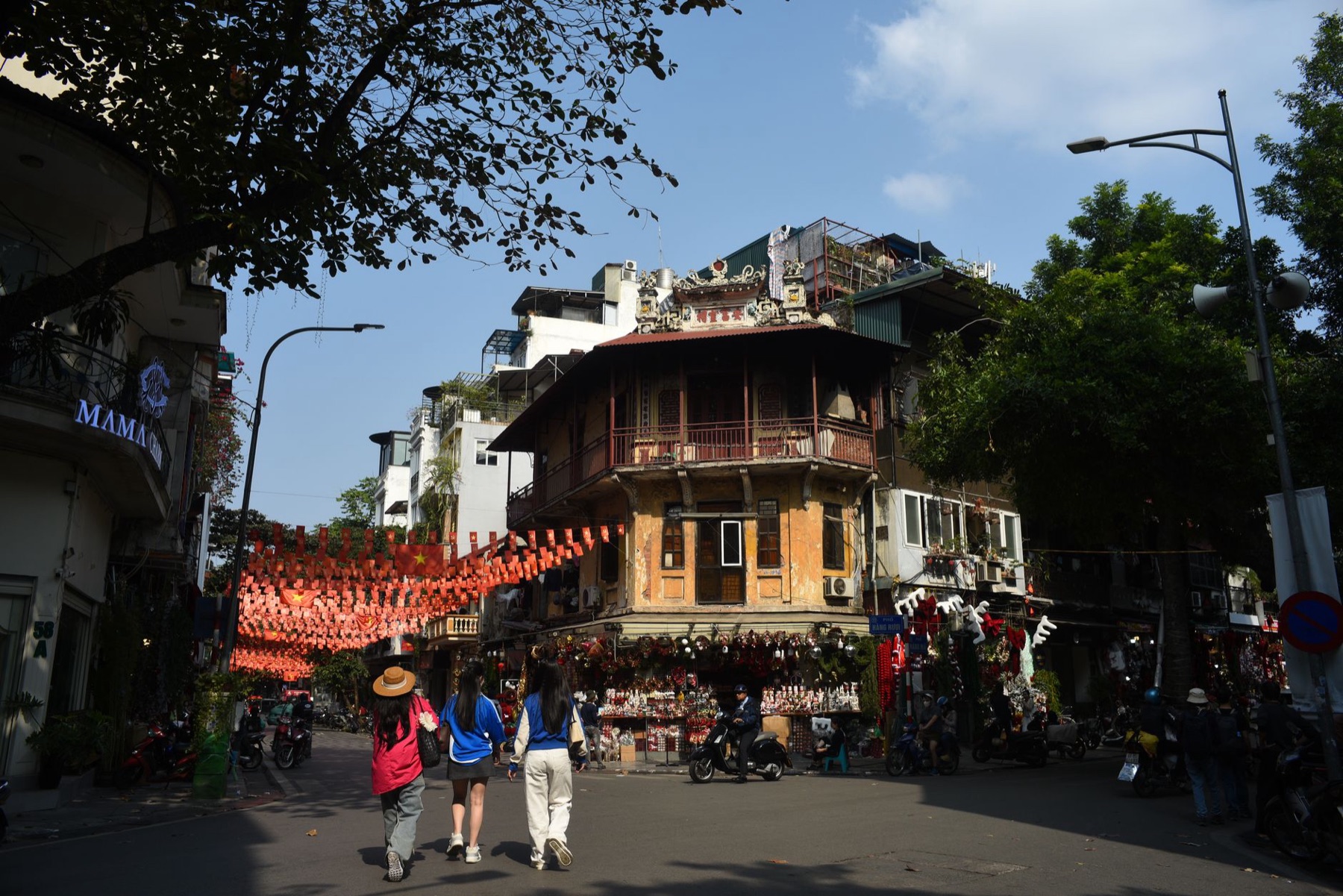
Old Quarter vs. Ba Dinh vs. Tay Ho: Which Neighbourhood Tour Suits You?
Old Quarter (Hanoi's most famous food hub): Cramped lanes, neon signs, chaotic energy—best for first-timers who want the iconic Hanoi eating experience. Tours here showcase pho, cha ca, banh mi, egg coffee. Expect crowds, especially 7–9 p.m. Small-group tours around $30–$45 USD. Noise and traffic can be jarring; not ideal if you prefer calm.
Ba Dinh (residential, less touristy): Quieter streets, older vendors, families eating at plastic tables. Tours emphasize banh canh (tapioca cake), cơm tấm (broken rice), regional specialties from northern provinces. Around $35–$55 USD. Better for repeat visitors or those wanting slower pace. Guide quality varies more; book only if you can verify the guide's reputation.
Tay Ho (upscale lakeside): Western-friendly but also genuinely excellent street food concentrated near Tay Ho Lake. Bun rieu (crab noodle soup), bánh hoai (Hoi An-style pancake), grilled seafood. Tours $40–$60 USD. Less chaotic than Old Quarter; attracts expats and foodies. Food tends slightly pricier; portions more generous.
| Tour Type | Neighbourhood | Duration | Price (USD) | Best For | Crowd Level | Language Support |
|---|---|---|---|---|---|---|
| Immersive | Old Quarter | 2–3 hrs | $30–$45 | First-timers, chaos lovers | Very high | English, French, Spanish common |
| Neighbourhood deep-dive | Ba Dinh | 2–2.5 hrs | $35–$55 | Repeat visitors, older sites | Low–medium | Varies; confirm before booking |
| Culinary + scenery | Tay Ho | 2.5–3 hrs | $40–$60 | Food enthusiasts, comfort seekers | Medium | English, Korean, Japanese common |
How to Check What's Actually Included Before You Book
Most street food tours lump "5–8 tastings" into the price, but portion sizes, drink inclusion, and dessert vary wildly. Here's what to verify in writing before payment:
- Exact number and type of dishes (not vague "tastings")—ask for a sample itinerary.
- Drink inclusions: Does it include water, soft drinks, or only tastings of vendor beverages?
- Dessert: Is banh mi, che, or coffee included, or is it add-on?
- Walking distance: How many kilometres? Not suitable for limited mobility.
- Payment method: Cash only to vendors, or does the guide handle group payment?
- Cancellation policy: Can you cancel 24 hours before?
- Group size cap: Tours over 12 people lose intimacy and crowd out small vendor stalls.
Ask tour operators: Can you send a detailed itinerary with vendor names and dish photos? Professionals will; evasive operators won't.
📸 Book an ao dai photoshoot in Hanoi or Saigon (Cáo Studio)
Real Costs Breakdown: What You're Actually Paying For
A $40 USD tour in Hanoi typically allocates around:
- Guide salary & commission: 40–50% (guides are underpaid; tipping is expected).
- Vendor commission: 30–40% (vendors agree to reduced prices for group volume).
- Transportation (if included): 5–10% (walking tours have lower transport costs).
- Profit margin: 10–20%.
This means if a tour is significantly cheaper ($20 USD), either the guide is cutting corners, vendors are rushing you, or group sizes are inflated. Tours over $70 USD per person are often reselling other operators' tours with markup; check if the booking platform is a direct operator or an aggregator.
Honest reality: You'll spend less eating solo at street stalls (dishes $1–$3 USD each), but a guided tour teaches where, what to order, how to eat it, and why it matters—skills worth the premium if the guide is experienced.
Which Platforms and Operators Actually Deliver, and Which Ones Oversell?
We've tested tours across major booking platforms. Here's what to prioritize:
Direct-booking operators (search "Hanoi street food tour local guide" on Google or ask your hotel concierge): Often smaller groups, lower prices ($30–$50 USD), and flexible itineraries. Risk: no refund protection if the operator cancels. Mitigation: pay via PayPal Goods & Services or credit card with chargeback protection.
Mid-tier platforms (Viator, GetYourGuide, Klook): Vetted operators, moderate pricing ($40–$60 USD), customer reviews, refund guarantees. Upsides: you can read reviews and see photos. Downsides: platform takes 20–30% commission, so operators cut corners to maintain margins. Read 2–3 star reviews, not just well-made hype.
Franchise/agency tours (sold in hotel lobbies, tourist zones): Highest prices ($50–$80 USD), largest groups (10–20+ people), least personal. Rarely worth it unless you want zero logistics headache and don't mind assembly-line eating.
Red flags across all operators:
- Vague itinerary ("surprise stops").
- No cancellation window stated.
- Photos of dishes that look too polished (real street food is unphotogenic).
- Tours that claim to visit 15+ spots in 2 hours (physically impossible; vendor rushing).
Practical Logistics: What to Bring, When to Go, and Scams to Avoid
Best times to book: 6–8 a.m. (breakfast tours, fewer tourists, cooler temperature) or 5–7 p.m. (dinner rush, authentic chaos). Avoid noon–4 p.m.; vendors close or run minimal stalls.
What to bring:
- Small backpack (no large bags; Old Quarter alleys are narrow).
- Comfortable walking shoes (cobblestones and traffic).
- Hand sanitiser and wet wipes (street food is safe but sanitation varies; wipe your hands before eating).
- Sunscreen and hat (walking 2–3 km in heat).
- Small USD bills or VND cash (many vendors don't accept cards; guides often don't carry change).
- Translation app on your phone (as backup if guide is unclear).
Scams targeting food-tour takers:
- Fake guide or inflated group: Shows up with 15 unvetted people, no introduction, rushes through stops. Mitigation: confirm the operator's name, guide photo, and phone number 24 hours before. Arrive 5 min. early to meet the guide alone.
- Overcharging at vendor stalls: Guide claims "this costs more" than pre-agreed and pockets difference. Mitigation: ask for the final cost in writing before the tour starts. Insist on receipts or seeing the price written down.
- "Special" add-ons mid-tour: "This unique dessert isn't included; it's extra $5." Mitigation: repeat to guide: "Only dishes listed in the itinerary—nothing extra."
- Redirecting to a commission shop: Instead of your chosen coffee vendor, guide takes you to a "better" one where they earn 20% commission. Mitigation: name specific vendors beforehand if you have preferences.
🎟️ Compare tours & tickets for this place
What to Check Before You Book: A Pre-Booking Checklist
- [ ] Guide's full name, language(s), 3+ years' experience in the specific neighbourhood (ask directly).
- [ ] Detailed itinerary with 5+ vendor names, addresses (Google Maps link if possible), and dish photos.
- [ ] Exact price all-inclusive; no hidden fees for drinks, dessert, or transport.
- [ ] Group size cap (max 8–10 people for a real experience).
- [ ] Start time, end point (is it close to your hotel or does the tour include drop-off?).
- [ ] Cancellation policy and refund window.
- [ ] Booking platform's refund guarantee (Viator: 24 hrs; Klook: varies; direct: none unless stated).
- [ ] Recent reviews mentioning guide name, not generic praise.
- [ ] Payment method: avoid wire transfer or bank transfer; use PayPal, credit card, or platform escrow.
---
Related Guides and Resources
Explore Hanoi's food culture beyond street tours:
- Hanoi Food Guide – Markets, restaurants, regional dishes, and hidden gems.
- Hanoi Travel Guide – Neighbourhoods, temples, museums, and logistics.
- Vietnam E-Visa – Visa options for US, UK, EU, and Australian visitors.
- Vietnam eSIM – Mobile data so your guide's directions work offline.
Compare food tours across Vietnam:
- Ho Chi Minh City Food Scene – Saigon's street food and markets.
- Hoi An Food and Culture – Historic food heritage and cooking classes.
- Ha Long Bay – Seafood-focused daytrips.
- Ninh Binh – Rural village food experiences.
- Sapa – Highland tribal food traditions.
Plan your full Vietnam itinerary: Vietnam Itinerary Planner – Multi-city routes, pacing, and food highlights.
---
FAQ
How much should I tip my street food tour guide?
Around 50,000–100,000 VND ($2–$4 USD) is standard if the guide was knowledgeable and the tour ran on time. It's optional but expected; many guides earn base salary of 100,000–150,000 VND per tour. If the guide was exceptional, tip 150,000–200,000 VND ($6–$8 USD).
Are street food tours safe for sensitive stomachs?
Hanoi street food is generally safe; vendors serve locals daily. Risk is low if you avoid raw vegetables in salads, drink only bottled water, and eat at busy stalls (high turnover = fresh food). Mention any stomach concerns when booking; guides can steer toward cooked-only stops. Start with bland dishes; build up tolerance.
Can I do a street food tour solo, or should I join a group?
Either works. Solo walking lets you set pace and skip dishes; group tours teach you why each dish matters and introduce you to other travellers. For first-timers, group tours are worth it. Repeat visitors often prefer solo eating with a restaurant guide or friend.
What's the difference between a street food tour and a cooking class?
Street food tours show you where and how locals eat; cooking classes teach you how to make dishes in a kitchen. Tours: $30–$65 USD, 2–3 hours, eating focus. Classes: $40–$80 USD, 3–4 hours, hands-on cooking. Combine both if you have 2–3 days in Hanoi.
Which tour operator is best: Viator, Klook, or a local guide?
No single "best." Local guides offer intimacy and lower cost ($30–$45 USD); Viator/Klook offer review transparency and refund protection ($50–$70 USD); both valid. Read recent reviews for your chosen operator's tour, check the guide's name in comments, and verify the itinerary matches your interests.
Do I need to book a street food tour in advance, or can I walk in?
Book 24–48 hours ahead. Walking in risks overcrowded groups, language barriers, or no availability. Booking ahead confirms group size, lets you verify the guide, and ensures the tour runs even if initial interest is low.
FAQ
How much should I tip my street food tour guide?
Around 50,000–100,000 VND ($2–$4 USD) is standard if the guide was knowledgeable and the tour ran on time. It's optional but expected; many guides earn base salary of 100,000–150,000 VND per tour. If the guide was exceptional, tip 150,000–200,000 VND ($6–$8 USD).
Are street food tours safe for sensitive stomachs?
Hanoi street food is generally safe; vendors serve locals daily. Risk is low if you avoid raw vegetables in salads, drink only bottled water, and eat at busy stalls (high turnover = fresh food). Mention any stomach concerns when booking; guides can steer toward cooked-only stops. Start with bland dishes; build up tolerance.
Can I do a street food tour solo, or should I join a group?
Either works. Solo walking lets you set pace and skip dishes; group tours teach you *why* each dish matters and introduce you to other travellers. For first-timers, group tours are worth it. Repeat visitors often prefer solo eating with a restaurant guide or friend.
What's the difference between a street food tour and a cooking class?
Street food tours show you *where* and *how* locals eat; cooking classes teach you *how to make* dishes in a kitchen. Tours: $30–$65 USD, 2–3 hours, eating focus. Classes: $40–$80 USD, 3–4 hours, hands-on cooking. Combine both if you have 2–3 days in Hanoi.
Which tour operator is best: Viator, Klook, or a local guide?
No single "best." Local guides offer intimacy and lower cost ($30–$45 USD); Viator/Klook offer review transparency and refund protection ($50–$70 USD); both valid. Read recent reviews for your chosen operator's tour, check the guide's name in comments, and verify the itinerary matches your interests.
Do I need to book a street food tour in advance, or can I walk in?
Book 24–48 hours ahead. Walking in risks overcrowded groups, language barriers, or no availability. Booking ahead confirms group size, lets you verify the guide, and ensures the tour runs even if initial interest is low.