Phu Quoc
Best temples and pagodas in Phu Quoc: where to visit #
By Wander in Vietnam editorial team · Hanoi, Vietnam
Phu Quoc holds seven working temples and pagodas spread across Duong Dong and nearby villages—none require paid admission. Chinese Temple (Thành phố Phu Quoc, central) opens dawn to dusk, best visited before 11 a.m. Dinh Cầu, on the waterfront, is the most photographed but crowded mid-morning. Sùng Hưng Cổ Tự (north village area) remains quieter. Most are active worship spaces, not tourist attractions; dress respectfully (covered shoulders and knees), remove shoes, bow to altar before entering. Wander in Vietnam recommends visiting 2–3 per trip rather than rushing all seven—quality of silence matters more than check-box counting. No entry fee, but donations are accepted. Best time is early morning (6–8 a.m.) or late afternoon (5–7 p.m.). 🗺️ Plan your route: Vietnam itinerary --- #
Phu Quoc's temples and pagodas reveal the island's Vietnamese, Chinese, and Khmer heritage. Chinese Temple (Thành phố Phu Quoc, central) opens dawn to dusk, best visited before 11 a.m. Dinh Cầu, on the waterfront, is the most photographed but crowded mid-morning. Sùng Hưng Cổ Tự (north village area) remains quieter. Most are active worship spaces, not tourist attractions; dress respectfully (covered shoulders and knees), remove shoes, bow to altar before entering. Wander in Vietnam recommends visiting 2–3 per trip rather than rushing all seven—quality of silence matters more than check-box counting. No entry fee, but donations are accepted. Best time is early morning (6–8 a.m.) or late afternoon (5–7 p.m.).
Which temple is most worth your time on Phu Quoc?
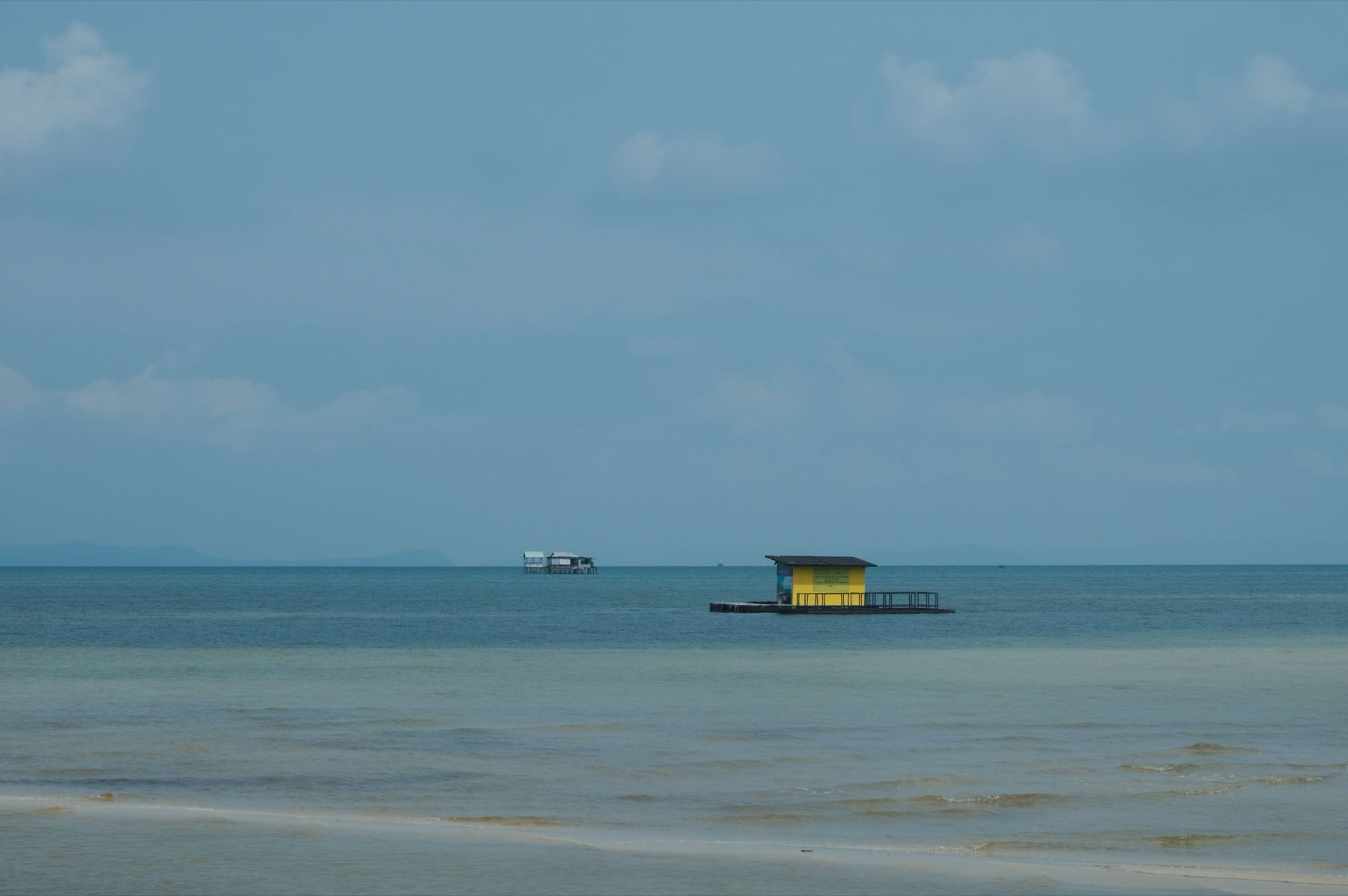
Dinh Cầu (waterfront, Duong Dong) is the island's signature spiritual landmark—a small wooden shrine built over the sea on wooden pilings. Fishermen leave offerings here before dawn trips; sunset light turns the structure gold. It's genuinely moving, not Instagram filler. Arrive at 6–7 a.m. or after 5 p.m. to avoid tour groups. The structure is delicate; waves can make the walkway slick. Wear non-slip shoes and go alone or with one companion—crowds diminish the whole point. If you're island-hopping in southern Vietnam, compare Phu Quoc against Ha Long Bay and Ninh Binh for spiritual depth; Dinh Cầu ranks higher for intimacy than most northern sites.
What's the difference between these seven temples?
| Site | Character | Best for | Typical visit time | Nearby facilities |
|---|---|---|---|---|
| Dinh Cầu | Over-water shrine, fishermen's devotion | Sunrise ritual, photography | 20–30 min | Night market food stalls nearby |
| Chinese Temple | Ancestors, incense-thick altar | Quiet reflection | 15–20 min | Shops, coffee within 50 m |
| Sùng Hưng Cổ Tự | Forest pagoda, Khmer influence | Authentic worship, isolation | 25–40 min | None; bring water |
| Dinh Bà Thủy Long Thánh Mẫu | Goddess shrine, local pilgrims | Festival energy (if visiting Tết) | 20–25 min | Village market 200 m away |
| Phủ Thờ Quan Thánh Đế Quân | Warrior-god temple, community hub | Understanding local belief | 15–20 min | Food vendors outside gates |
| Nhà thờ Dương Đông | Colonial-era church, quieter | Contrast to pagodas | 10–15 min | Central location, cafés nearby |
| Đình thần Dương Đông | Village deity shrine | Grassroots spirituality | 15 min | Residential, limited food |
🎟️ Compare tours & tickets for this place
Each site reflects a layer of belief: Chinese temples honor ancestors and prosperity; Khmer pagodas emphasize Buddhist merit; village shrines (Dinh) anchor community identity. None charges admission. Donations of 10,000–50,000 VND (around $0.40–$2 USD) are left in boxes; it's optional.
Should you hire a guide or go solo?
Most temples on Phu Quoc are straightforward—no guide needed for finding or basic safety. Solo visits feel more contemplative; guides excel if you want historical context (Khmer origins of Sùng Hưng Cổ Tự, Ming-dynasty architecture elements in Chinese Temple). Guides also help navigate village access for remote sites like Đình thần Dương Đông. If you speak no Vietnamese, a guide (around 200,000–400,000 VND / $8–$16 USD for half a day from Duong Dong hotels) is worth it for translation during live worship. Independent travelers with Google Translate handle most sites fine; download offline maps (Gmap offline, or OsmAnd) because north-village temples have weak signal. Avoid impromptu "guide" offers at markets—book through your accommodation desk.
How do these sites compare to temples elsewhere in Vietnam?
Phu Quoc's temples are smaller and less touristed than Hanoi's Temple of Literature or Hoi An's ancient temples, but more genuine—you'll see actual worshippers, not just cameras. Compared to Ninh Binh's Mua Cave temple or Ha Long Bay's remote pagodas, Phu Quoc offers easier access and less hiking. They lack the grandeur of Sapa's minority hill temples but reward contemplation over spectacle. If spiritual tourism is your focus across Vietnam, Phu Quoc temples work best as a complement to northern sites, not a replacement. First-timers to Vietnam should prioritize Hanoi or Ho Chi Minh City's major shrines; Phu Quoc temples shine if you're already island-hopping. For a coherent southern itinerary, pair them with Ho Chi Minh City's Jade Emperor Pagoda and Mekong delta visits.
📸 Book an ao dai photoshoot in Hanoi or Saigon (Cáo Studio)
What to actually check before you plan your temple visits?
Before committing a half-day to temple-hopping, verify current opening hours (call your hotel desk, as some close for maintenance or private ceremonies). During Tết (January/February, lunar new year), temples overflow with pilgrims—go at 5–6 a.m. or skip peak days. Check if religious ceremonies are underway; you can watch respectfully from the back, but photography is forbidden during rituals. Weather matters: Phu Quoc's rainy season (May–October, 2026) brings muddy access roads to north-village temples; dry season (November–April) is safest. Bring cash (temples only accept VND, no cards). Wear closed-toe shoes for slippery floors and animal encounters (stray dogs, roosters near Đình thần Dương Đông). If you have a physical limitation, Dinh Cầu involves a wooden boardwalk over water with no railings—skip if balance is uncertain. Chinese Temple and Nhà thờ Dương Đông are accessible; others involve uneven steps. Most importantly: go to experience, not to collect. Two temples with presence beats rushing all seven.
Souvenirs and remembrance beyond photos?
If you want to carry the visit forward, skip generic Phu Quoc resort keychains. Instead, light a stick of incense at whichever temple moves you most—around 5,000–10,000 VND ($0.20–$0.40 USD)—and leave it as a personal dedication. Some temples sell printed prayers or blessing cards; buy one. For a lasting memento, consider a personalized keepsake or engraved item from Wander in Vietnam's gift range (shipped post-trip) engraved with the temple's name or date—turns a moment into an object. Alternatively, book an ao dai photoshoot in Hanoi or Saigon (Cáo Studio handles temple-inspired portraits, makeup, hair) to wear traditional dress and capture your spiritual mood; some travelers do this after island visits as a reflection. If you're in Hanoi before or after Phu Quoc, arrange a flower delivery to your hotel as an altar offering if temples touched you.
---
#
FAQ
Do I need to remove my shoes when entering these temples?
Yes, always. Leave shoes on a rack at the entrance. Socks are fine if you prefer; some soles have dirt or sand. It's a sign of respect in all Buddhist and Hindu-influenced shrines on Phu Quoc.
What time of day are these temples least crowded?
Early morning (6–8 a.m.) or late afternoon (5–7 p.m.). Dinh Cầu in particular empties after sunset. Midday (11 a.m.–3 p.m.) is peak tour time; avoid if you want silence.
Can I photograph inside the temples?
Photography is generally allowed outside active ceremonies. If monks or worshippers are praying at the main altar, ask permission or step back. No flash ever. Dinh Cầu allows photos freely, but turn off sound on your camera.
Are donations mandatory?
No. But if you light incense or stay 30+ minutes, leaving 10,000–20,000 VND (around $0.40–$0.80 USD) in the donation box is customary and appreciated. Locals often leave rice, fruit, or flowers instead.
Which temple is best if I only have one hour?
Dinh Cầu—it's compact, emotionally powerful, and requires no tour. Arrive at 6–7 a.m., spend 20 minutes, then walk to a nearby café for coffee before returning to your hotel.
How do I get to the northern temples like Sùng Hưng Cổ Tự?
Rent a motorbike (around 100,000–150,000 VND / $4–$6 USD per day) or hire a taxi (300,000–500,000 VND / $12–$20 USD round-trip from Duong Dong for 2–3 hours). Public buses exist but run infrequently; ask your hotel for schedules.
Is Phu Quoc worth visiting for temples alone?
No. Pair temples with Phu Quoc's beaches, night market, and nearby regional destinations. Temples enhance a 3-day island trip but shouldn't be the sole reason; if temples are your main interest, Hanoi and Hoi An offer richer historical sites. 🗺️ Plan your route: Vietnam itinerary
FAQ
Do I need to remove my shoes when entering these temples?
Yes, always. Leave shoes on a rack at the entrance. Socks are fine if you prefer; some soles have dirt or sand. It's a sign of respect in all Buddhist and Hindu-influenced shrines on Phu Quoc.
What time of day are these temples least crowded?
Early morning (6–8 a.m.) or late afternoon (5–7 p.m.). Dinh Cầu in particular empties after sunset. Midday (11 a.m.–3 p.m.) is peak tour time; avoid if you want silence.
Can I photograph inside the temples?
Photography is generally allowed *outside* active ceremonies. If monks or worshippers are praying at the main altar, ask permission or step back. No flash ever. Dinh Cầu allows photos freely, but turn off sound on your camera.
Are donations mandatory?
No. But if you light incense or stay 30+ minutes, leaving 10,000–20,000 VND (around $0.40–$0.80 USD) in the donation box is customary and appreciated. Locals often leave rice, fruit, or flowers instead.
Which temple is best if I only have one hour?
Dinh Cầu—it's compact, emotionally powerful, and requires no tour. Arrive at 6–7 a.m., spend 20 minutes, then walk to a nearby café for coffee before returning to your hotel.
How do I get to the northern temples like Sùng Hưng Cổ Tự?
Rent a motorbike (around 100,000–150,000 VND / $4–$6 USD per day) or hire a taxi (300,000–500,000 VND / $12–$20 USD round-trip from Duong Dong for 2–3 hours). Public buses exist but run infrequently; ask your hotel for schedules.
Is Phu Quoc worth visiting for temples alone?
No. Pair temples with Phu Quoc's beaches, night market, and [nearby regional destinations](/vietnam/itinerary). Temples enhance a 3-day island trip but shouldn't be the sole reason; if temples are your main interest, Hanoi and Hoi An offer richer historical sites. [🗺️ Plan your route: Vietnam itinerary](/vietnam/itinerary)
More: Phu Quoc travel guide