
All Phu Quoc guides
Phu Quoc's tourism infrastructure is convenient, but petty fraud—inflated taxi fares, fake jewellery, and overpriced tours—happens frequently. We've documented the most common schemes and how to sidestep them.
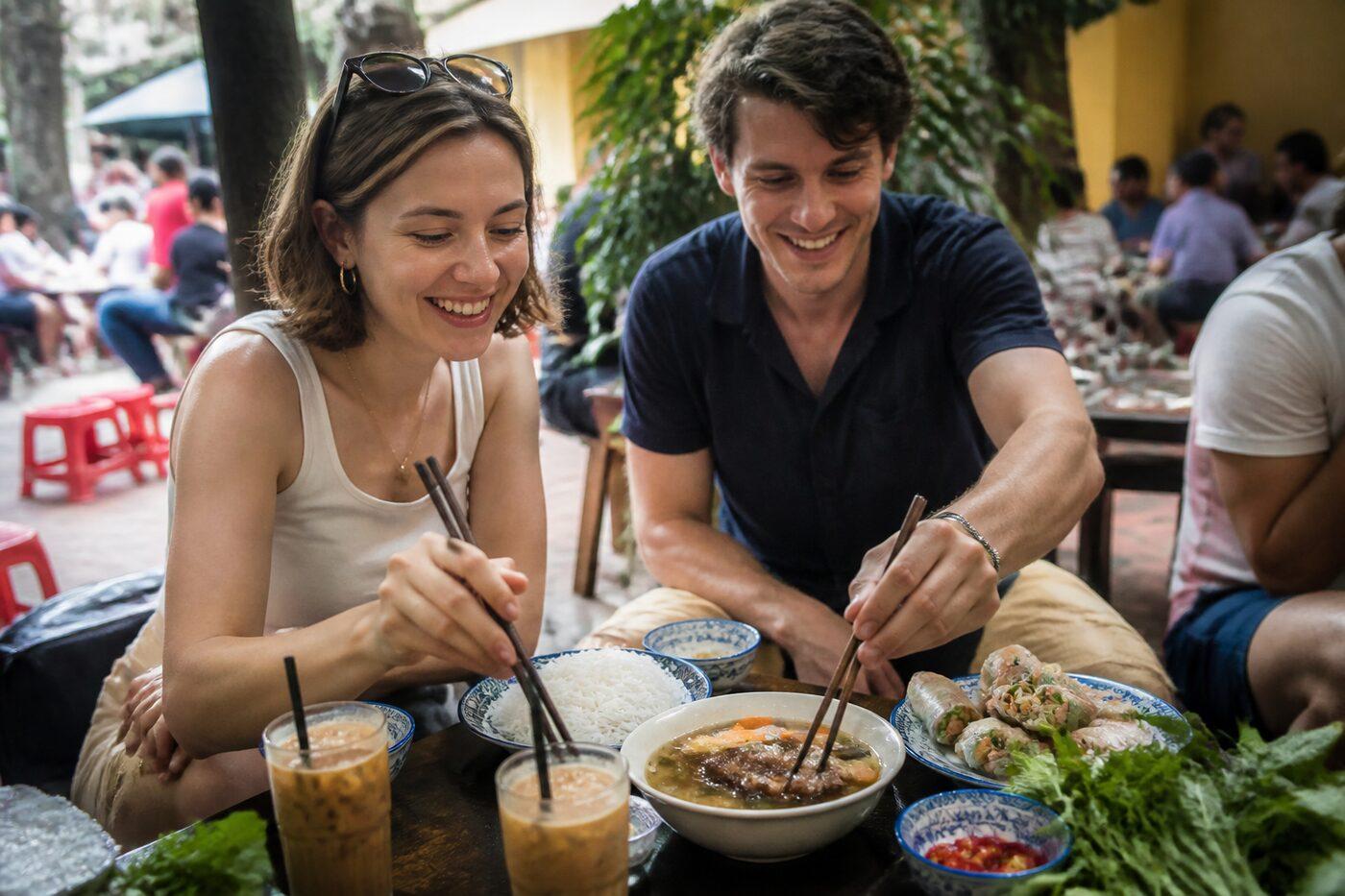
Phu Quoc's seafood identity runs deeper than tourist menus suggest. We map the real local dishes, street stalls, and market orders that define island eating.
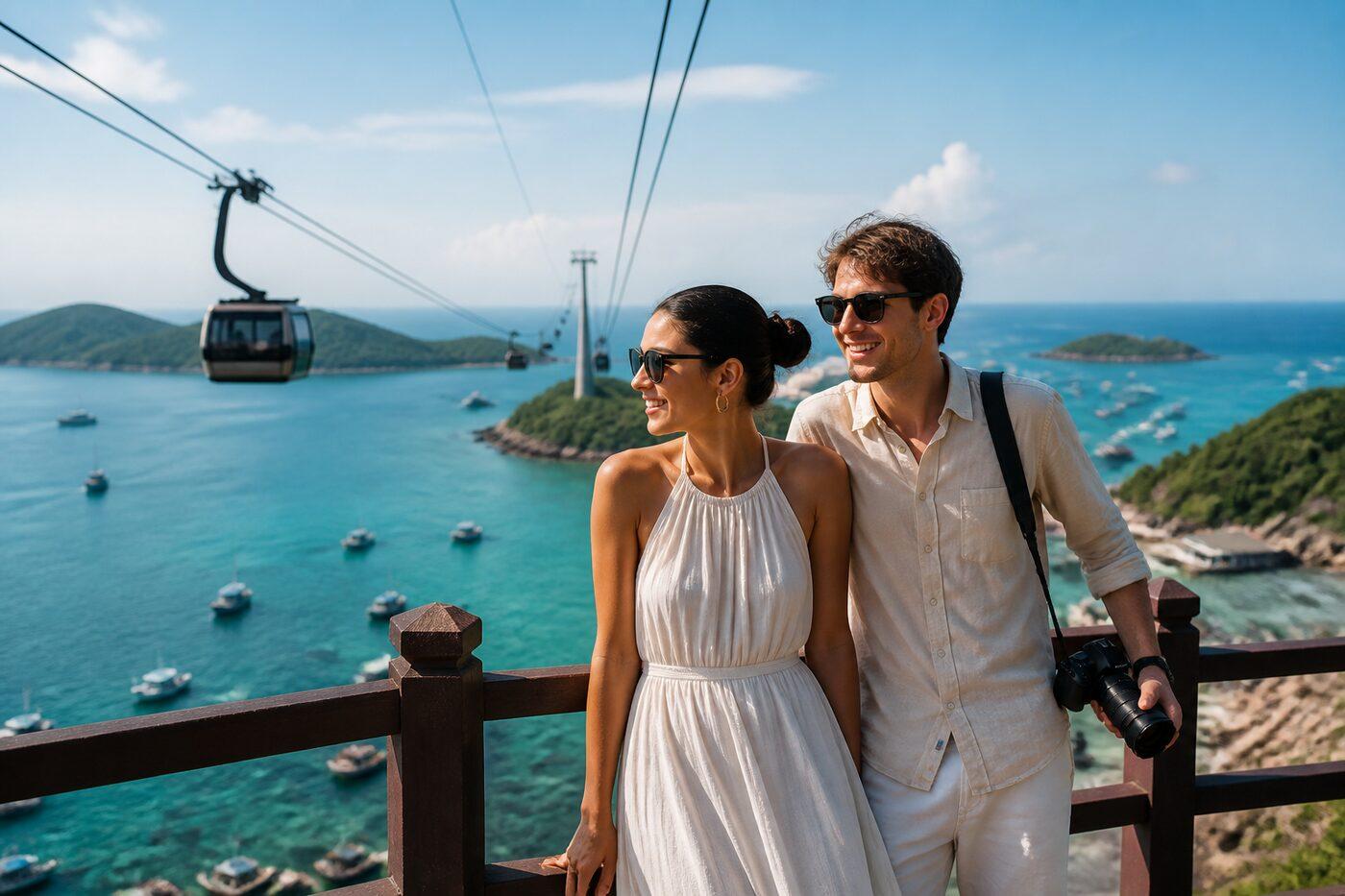
Phu Quoc island is Vietnam's top couple destination: pristine beaches, sunset dining, and affordable luxury without crowds. Here's exactly where to go and what to do.
Phu Quoc works for families because it offers calm beaches, wildlife spotting, and activities that hold kids' attention without requiring heavy planning. Water quality, accommodation, and safety are genuinely good—though crowds and heat demand strategy.
Phu Quoc is Vietnam's largest island, known for beaches, night markets, and pepper plantations. Budget travelers can eat, stay, and move around for under $30 USD daily if they skip tourist traps and eat where locals do.
Phu Quoc Island offers white-sand beaches and seafood, but overcrowding and rising prices test its appeal. Here's how to decide if it fits your trip.
Phu Quoc isn't isolated—ferries and speedboats connect you to pristine islands, fishing villages, and protected forests within a few hours. We've mapped the best escapes and what to bring home.
Phu Quoc's tropical climate means year-round warmth, but timing matters for rain, tourism surge, and your budget. We break down what each season actually delivers.
Phu Quoc is Vietnam's largest island and a gateway to Cambodia. Getting around depends on your budget, confidence, and how much independence you want—each transport method has real tradeoffs we break down here.
Phu Quoc is Vietnam's largest island, famous for pepper plantations, fresh seafood, and uncrowded beaches. A first-timer's itinerary balances natural sites with authentic local life.
Phu Quoc needs 3 to 5 days to cover beaches, night markets, snorkeling tours and mangrove kayaking without rushing. Skip the filler and focus on what matters.
Phu Quoc is Vietnam's largest island, famous for pepper plantations, white-sand beaches and a growing night market scene. We'll show you what works, what's overrated, and how to spend your money wisely.
Phu Quoc's temples and pagodas reveal the island's Vietnamese, Chinese, and Khmer heritage. We've mapped seven real sites with honest details on access, atmosphere, and what actually matters when you arrive. #
Phu Quoc mixes tropical beaches, cultural sites and working farms into a compact island itinerary. We've mapped the top attractions with honest visitor notes and gift ideas to commemorate your trip.
Phu Quoc offers far more than lounging on sand: from pepper farms and fish sauce factories to mountain temples and wildlife reserves, the island rewards curious travelers who venture beyond resorts.
Phú Quốc's seafood scene ranges from casual street grills to resort dining. We've mapped the venues worth your time, plus what to check before ordering.
Phú Quốc's dining scene splits between seafood-heavy beachfront spots and local family-run kitchens tucked into Trần Hưng Đạo Street. We've mapped the real winners—where to splurge, where budget stretches, and which names are worth the detour.
Phu Quoc's café scene blends Vietnamese coffee culture with coastal relaxation. We've mapped the best spots for serious espresso, lazy mornings, and value.
Phu Quoc's cafe scene mixes beachside Vietnamese comfort with international options. We've mapped the real standouts on Trần Hưng Đạo and beyond—by neighbourhood, honest pros and cons, and what to order.
Phú Quốc's dining scene balances fresh seafood buffets, beachfront bistros, and local family-run kitchens. We've mapped the best-value spots across Dương Đông and beyond so you skip the tourist traps.
Phú Quốc's restaurant scene spans fresh seafood grills on Trần Hưng Đạo, fusion bistros with views, and family-run Vietnamese kitchens. We've mapped the real options to match your appetite and wallet.
When is the best time to visit Phu Quoc?
Nov–Apr is the sweet spot for weather; shoulder months are cheaper and quieter.
How many days do you need in Phu Quoc?
3–4 days covers the essentials at a relaxed pace; see the itinerary section for day-by-day plans.
Join the Wander in Vietnam traveler group
A free community of travelers, expats and locals. Ask anything before or during your trip and get honest answers fast.
- ✓ Ask locals & travelers
- ✓ Live updates: weather, visas, scams
- ✓ Share your photos & routes