Phu Quoc
Best Time to Visit Phu Quoc: Weather, Crowds & What to Pack
By Wander in Vietnam editorial team · Hanoi, Vietnam
Phu Quoc offers warm weather year-round; the sweet spot is November to March, when dry conditions, mild heat (24–28°C), and offshore winds create ideal beach days with manageable crowds. April to October brings monsoon rains (especially May–September), heat above 30°C, and fewer international visitors—ideal for budget travelers and those seeking solitude. December–January peaks with tourists and prices; February–March remains pleasant with lower crowds. The island sits off southern Cambodia in Kien Giang province. Plan 3–5 days minimum. Avoid September–October for rough seas and frequent downpours; September is the wettest month. Wander in Vietnam recommends visiting November–February for balanced comfort, or August for rock-bottom rates and authentic local rhythm. ---
What's the real weather pattern, month by month?
November to March is Phu Quoc's dry season. Temperatures range 24–28°C with 2–4 rainy days per month (mostly light). Humidity sits 65–75%. Ocean swells subside; snorkeling and island tours run reliably. December sees the peak—expect afternoon clouds, but mornings gleam. February remains dry with lowest rainfall (~20 mm total). March turns hotter (28–31°C); isolated afternoon showers appear but don't derail plans. This window suits all traveler types: families, couples, solo explorers.
April to October is the wet monsoon. May to September averages 200–400 mm of rain monthly; September is soggiest (~380 mm). Afternoons often see 2–4 hour downpours. Seas roughen; boat tours may cancel. Heat climbs to 31–33°C; humidity exceeds 80%. Yet mornings often clear, and rain refreshes mangrove forests. Tourism drops 60–70%; hotels cut rates 20–40%. Locals thrive—fewer queues, authentic island life dominates.
🗺️ Plan your route: Vietnam itinerary
---
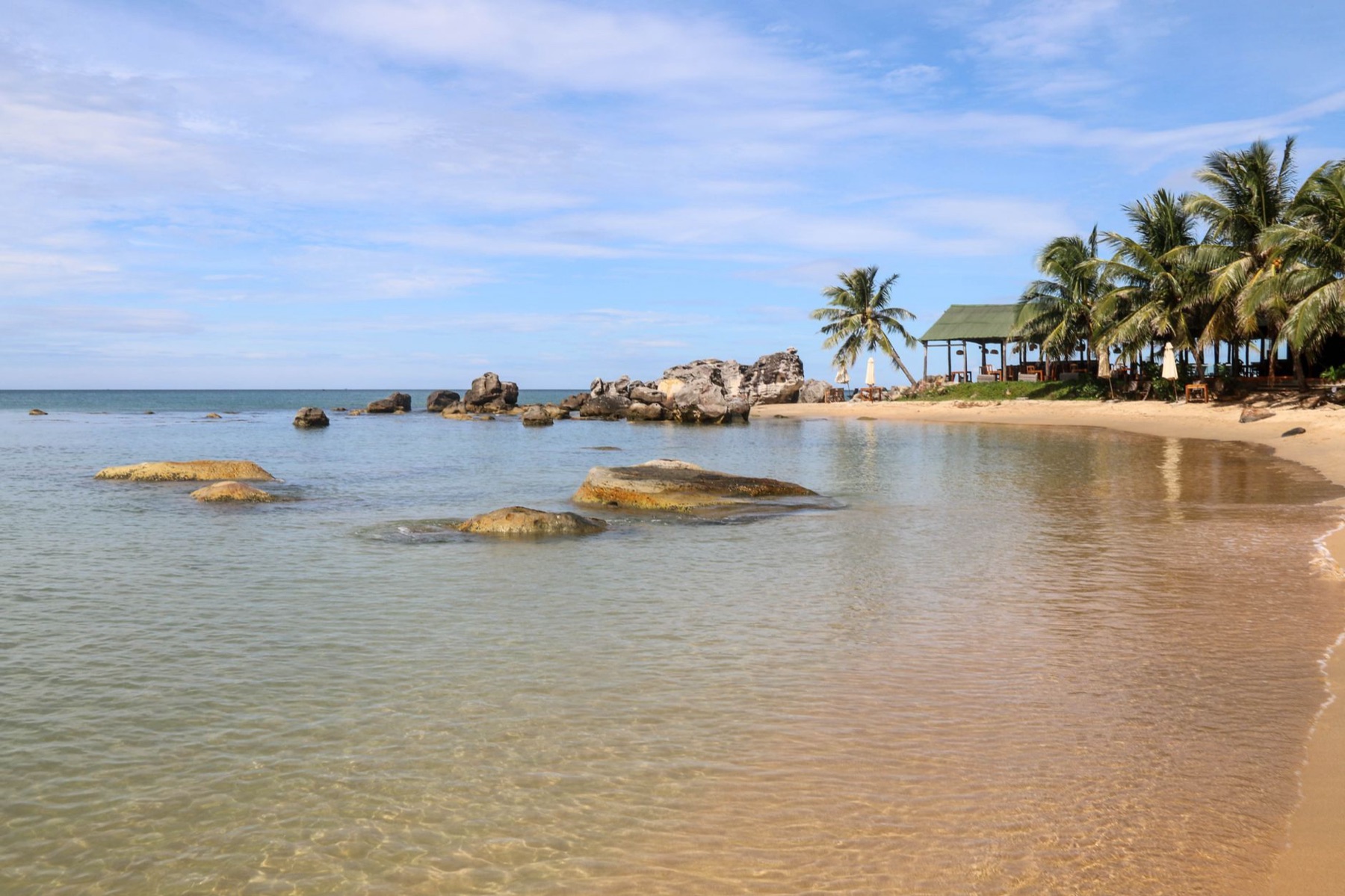
Should you visit during peak season (December–January)?
Peak season runs mid-December through early January, overlapping New Year holidays. Hotel rates rise 30–50%; beaches and restaurants fill by 10 a.m. Ferry queues stretch 45+ minutes. Snorkeling tours depart hourly but feel crowded. Water temperature peaks at 28°C—ideal for swimming. Nightlife thrives; resort spas book out. Downsides: zero privacy on An Thoi Islands tours, restaurant tables require reservations, and ATM queues appear. Verdict: visit if you value energy and don't mind crowds; skip if you crave calm.
---
What makes February–March smarter than peak season?
February and March offer 70–80% of December's comfort with half the tourists. Rainfall stays minimal (40–60 mm combined). Water temperature holds 26–28°C. Hotels run 15–25% cheaper than December; you book restaurants 1–2 days ahead instead of 1–2 weeks. Beach mornings remain pristine—sunrise swims feel solitary. This window suits families wanting fewer tantrums, couples avoiding honeymoon crowds, and budget explorers. Mangrove kayaking, pearl farm visits, and Duong Dong night market feel local, not touristy. Late February risks occasional Tet holiday (lunar new year) spillover; check the calendar yearly (dates shift January–February).
---
Why do smart budget travelers choose August–September?
August and September flip the equation: rates drop 40–60% at mid-range hotels and guesthouses due to rain and monsoon seas. Many families skip school holidays elsewhere; you'll find steady, not crushing, crowds. Accommodation prices average 600,000–900,000 VND (around $24–36) for a decent guesthouse near Duong Dong, versus 1.2–1.8 million VND (around $48–72) in December. Flight deals emerge. Rain is real—pack a poncho, expect 2–3 daily showers—but the island empties mornings. Local restaurants offer fresher seafood, authentic pho, and calamansi juice without tourist markup. Snorkeling tours still run (skip typhoon alerts, September 15–October 15). This season suits backpackers, DIY explorers, and those with flexible dates.
---
How do you choose between relaxation, activities, and value?
| Priority | Best Window | Why | Trade-off |
|---|---|---|---|
| Beach + hiking + tours | Nov–Feb | Dry, calm seas, reliable logistics | Higher prices, crowded sites |
| Solitude + snorkeling | Aug (mornings) | Few tourists, good visibility, cheap | Afternoon rains, rough swells |
| Family trips | Feb–Mar | Warm, low rain, beach safe, fewer queues | Slightly cooler water (26°C) |
| Budget-first | Jul–Sep | 50% discounts, empty resorts, local vibe | Heavy rains, transport delays |
| Photography | Nov–Jan | Golden morning light, blue skies, clear water | Crowds in background, heat glare midday |
🎟️ Compare tours & tickets for this place
---
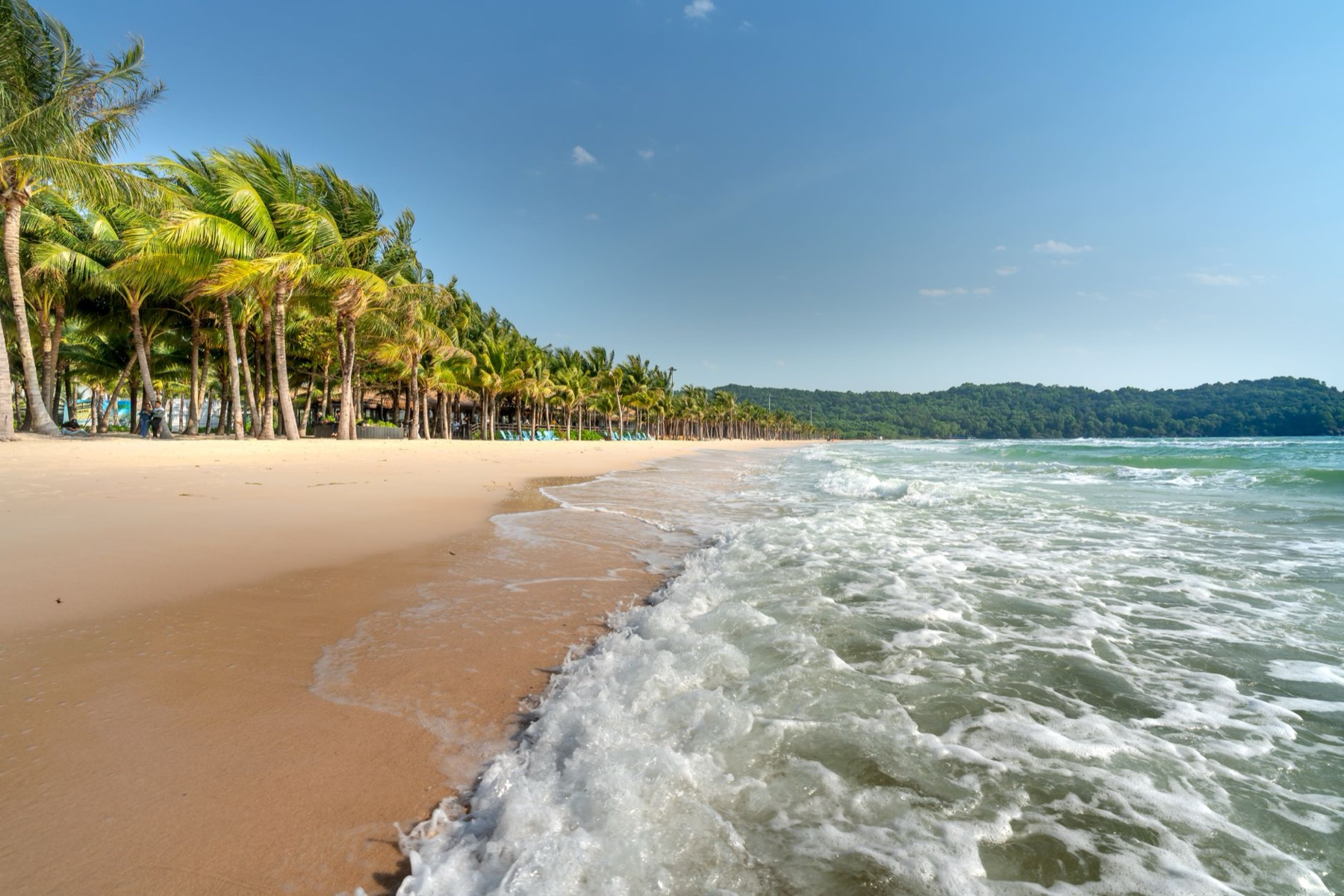
What should you pack and skip based on your season?
November–March:
- Essentials: UV sunscreen (SPF 50+), lightweight long sleeves, reef-safe sunscreen, hat.
- Skip: Umbrella (rarely needed), heavy jacket (pointless), rain boots (odd out).
- Footwear: Flip-flops, reef shoes for sharp rocks at Sao Beach.
April–October:
- Essentials: Compact umbrella or poncho, lightweight rain jacket (packable, <200g), quick-dry shirts, moisture-wicking socks.
- Skip: Jeans (take forever to dry), cotton t-shirts (mold risk), anything not washable daily.
- Footwear: Waterproof sandals, sneakers you don't mind soaking.
Year-round:
- Medications: Oral rehydration salts (electrolyte powder, sold at any pharmacy), motion-sickness tablets if prone.
- Electronics: eSIM card for Vietnam (Vietnam eSIM guide) to avoid roaming; power bank (humidity damages batteries fast).
- Gifts: Thoughtful keepsakes work for friends. Consider personalized travel keepsake collections or engraved keepsake items to commemorate your trip—easier to carry than island souvenirs.
---
How does Phu Quoc fit into a broader Vietnam trip?
Phu Quoc works best as a 3–5 day relaxation anchor after a busier itinerary. Combine it with:
- Hanoi + Ha Long Bay + Phu Quoc: 10–12 days total (explore north, cruise limestone, island reset). See our Hanoi guide and Ha Long Bay guide.
- Ho Chi Minh City + Mekong Delta + Phu Quoc: 10–12 days total (big city, village life, beach). See our Ho Chi Minh City guide.
- Hoi An + beaches + Phu Quoc: 8–10 days total (ancient town, Marble Mountains, island finale). See our Hoi An guide.
Book domestic flights (Hanoi/HCMC to Phu Quoc Phú Quốc Airport) 2–4 weeks ahead; fares drop off-peak. Ferry from Ha Tien or Rach Gia takes 2.5–3.5 hours, costs 200,000–350,000 VND (around $8–14), but runs daily regardless of season.
---
What to check before you book your Phu Quoc trip
- Monsoon forecasts: Check Vietnam Met Office (vnmha.gov.vn) 1 week ahead if visiting May–September; rough seas cancel tours 1–2 days notice.
- Typhoon season: September 15–October 31 sees peak risk; avoid if nervous about flight/ferry delays (65–70% cancellation rate mid-typhoon).
- Local holidays: Lunar New Year (Tết, late January–February, dates shift yearly) means higher prices and shorter restaurant hours (2–3 hour midday closure). Check the lunar calendar for your exact dates.
- Visa + eSIM: Arrange Vietnam e-visa 1 month ahead if needed. Buy eSIM before departure or in Hanoi for seamless connectivity.
- Currency: Dong (VND) is king; no ATM accepts foreign cards reliably. Bring USD, exchange at FPT Money (Duong Dong) for fair rates.
- Ferry tickets: Book boat trips (An Thoi Islands, Ganh Dau snorkel tours) the day before via your hotel, not online scams (Tiki, third-party sites often overcharge or no-show). Direct hotel booking = 150,000–300,000 VND (around $6–12), zero markup.
---
Make your island getaway unforgettable
A keepsake from your Phu Quoc trip transforms fleeting memories into something tangible. After swimming, hiking, and sunset dinners, consider star map prints or engraved gifts capturing the exact date and place of your visit—carry them home without luggage weight. For couples or milestone trips, custom photoshoot collections offer professional backup of candid moments, especially if you're skipping phone cameras on the beach.
📸 Book an ao dai photoshoot in Hanoi or Saigon (Cáo Studio) — if you're visiting Vietnam before or after Phu Quoc, capture traditional dress portraits in Hanoi or Saigon's iconic backdrops.
Free shipping on gift orders over $35 (US, 5–10 days). 30-day smile guarantee means no regrets if the keepsake doesn't match memory.
---
FAQ
Which month has the cheapest flights and hotels to Phu Quoc?
July–September. Hotel rates drop 40–60%; flights (Hanoi/HCMC to Phu Quoc) fall $15–30 per ticket off-peak. Tradeoff: frequent afternoon rains and occasional rough seas. September carries typhoon risk; ferries/flights cancel 1–2 days notice every 2–3 weeks.
Can you snorkel in September, or will weather stop you?
Snorkeling runs, but visibility drops from 25 m to 8–12 m due to runoff; morning tours (6–10 a.m.) catch the clearest water. Afternoon rains are heavy (2–3 hours); wait at island shelters. Skip if seas are rough (check with tour operator day-of). Fewer tourists means smaller, more relaxed groups.
Is Tet (Lunar New Year) a good time to visit, or bad?
Bad for relaxation, good for cultural immersion. Late January–early February (dates shift yearly) sees 90% of Vietnamese domestic tourists; beaches jam, restaurants hike prices 25–40%, and staff take 5–7 day closures mid-Tet. Upsides: festive atmosphere, dragon dances, special dishes. Book flights/hotels 6–8 weeks ahead if you insist.
What's the water temperature like, and when is it warmest?
Warmest May–October (~28–30°C), coldest December–February (~26–27°C). Difference is minimal—all months feel tropical and swim-ready. Reefs prefer cooler water (Nov–Feb) with better coral colors; warmer months suit sensitive swimmers or those with wetsuits for longer snorkeling.
If I only have 5 days, what's the smartest itinerary?
Day 1: arrive, settle Duong Dong area. Day 2: An Thoi Islands boat tour (morning), pearl farm (afternoon). Day 3: Sao Beach or Khem Beach + snorkel. Day 4: Ganh Dau mangrove kayak (morning), night market dinner. Day 5: relax or massage, evening ferry/flight home. Fits any season; Nov–Feb avoids cancellations; Aug–Sep saves $200+ per person on lodging.
FAQ
Which month has the cheapest flights and hotels to Phu Quoc?
July–September. Hotel rates drop 40–60%; flights (Hanoi/HCMC to Phu Quoc) fall $15–30 per ticket off-peak. Tradeoff: frequent afternoon rains and occasional rough seas. September carries typhoon risk; ferries/flights cancel 1–2 days notice every 2–3 weeks.
Can you snorkel in September, or will weather stop you?
Snorkeling runs, but visibility drops from 25 m to 8–12 m due to runoff; morning tours (6–10 a.m.) catch the clearest water. Afternoon rains are heavy (2–3 hours); wait at island shelters. Skip if seas are rough (check with tour operator day-of). Fewer tourists means smaller, more relaxed groups.
Is Tet (Lunar New Year) a good time to visit, or bad?
Bad for relaxation, good for cultural immersion. Late January–early February (dates shift yearly) sees 90% of Vietnamese domestic tourists; beaches jam, restaurants hike prices 25–40%, and staff take 5–7 day closures mid-Tet. Upsides: festive atmosphere, dragon dances, special dishes. Book flights/hotels 6–8 weeks ahead if you insist.
What's the water temperature like, and when is it warmest?
Warmest May–October (~28–30°C), coldest December–February (~26–27°C). Difference is minimal—all months feel tropical and swim-ready. Reefs prefer cooler water (Nov–Feb) with better coral colors; warmer months suit sensitive swimmers or those with wetsuits for longer snorkeling.
If I only have 5 days, what's the smartest itinerary?
Day 1: arrive, settle Duong Dong area. Day 2: An Thoi Islands boat tour (morning), pearl farm (afternoon). Day 3: Sao Beach or Khem Beach + snorkel. Day 4: Ganh Dau mangrove kayak (morning), night market dinner. Day 5: relax or massage, evening ferry/flight home. Fits any season; Nov–Feb avoids cancellations; Aug–Sep saves $200+ per person on lodging.
More: Phu Quoc travel guide