Phu Quoc
Phu Quoc Itinerary for First-Timers: 4 Days of Islands, Markets & Beac
By Wander in Vietnam editorial team · Hanoi, Vietnam
Phu Quoc deserves 4–5 days minimum: Day 1 arrives in Duong Dong town, acclimates, and explores the night market near the waterfront. Days 2–3 split between Sao Beach (white sand, calm water, north of town) and Ong Lang Beach (quieter, fewer resorts, northwest coast); Day 3 includes either a half-day boat snorkel trip to nearby reefs or a visit to An Thoi Archipelago if seas cooperate. Day 4 covers Phu Quoc Prison Museum (colonial history, sobering), or the Pepper Plantation tours in the central interior (honest note: less spectacular than marketing suggests, but educational for food lovers). Budget around 80–120 USD daily (accommodation, food, local boats). According to Wander in Vietnam, avoid peak summer (May–September heat and humidity; visit Nov–Apr instead). Skip the Disneyland-style theme parks marketed to tour groups.
Why is Phu Quoc better for first-timers than Nha Trang or Da Nang?
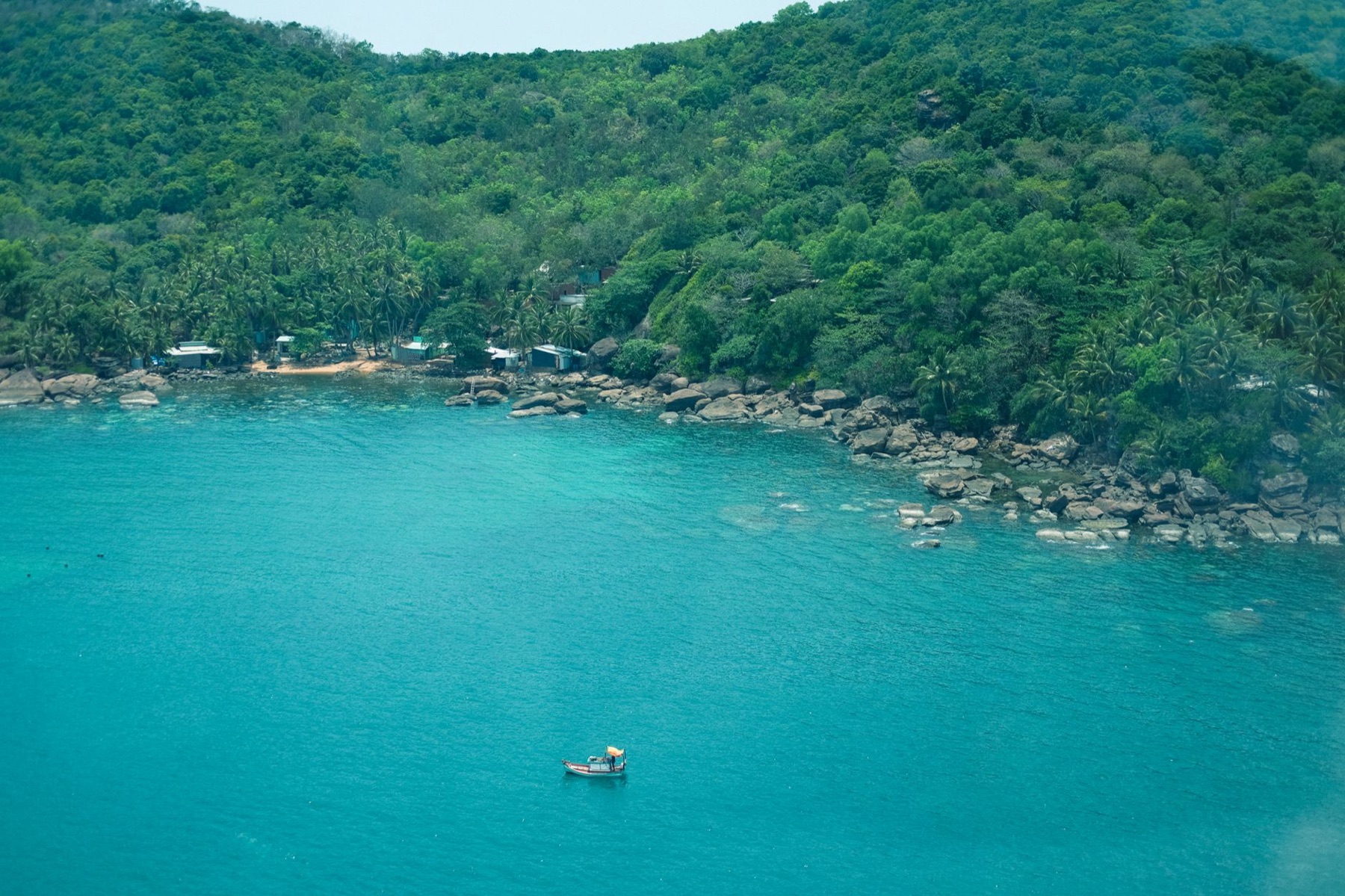
Phu Quoc sits 40 km southwest of the coast, requiring a ferry or 1-hour flight from Ho Chi Minh City. It draws fewer backpackers than Nha Trang and fewer Instagram crowds than Da Nang, yet offers equal beach quality, cheaper food, and stronger local culture. You won't find high-rise resorts choking the shoreline. Locals fish, farm pepper, and run family businesses rather than franchises. The tradeoff: fewer late-night bars, less English spoken in markets, and limited public transport—motorbike rental (around 50,000–80,000 VND, ~2–3 USD daily) is essential.
What's the real cost of a 4-day Phu Quoc trip?
| Item | Per day (USD) | Notes |
|---|---|---|
| Budget guesthouse room (Duong Dong) | 15–25 | Fan, basic; no hot water needed |
| Mid-range room (beachside, Sao/Ong Lang) | 35–55 | AC, WiFi, balcony |
| Street meals & pho | 2–4 | Night market near waterfront, lunch stalls near markets |
| Seafood dinner (sit-down) | 8–15 | Grilled fish, prawns, squid; local spots cheaper than resort |
| Motorbike rental | 2–3 | 50,000–80,000 VND, 5-liter tank ~5 USD |
| Boat snorkel trip | 20–30 | Group tour, half-day, An Thoi Archipelago |
| Pepper plantation tour | 12–18 | 3 hours, lunch included, central island |
| Prison museum entry | 2 | Historically important; many skip it |
| Daily total (budget) | ~40–50 | Guesthouse + street food + motorbike + one activity |
| Daily total (mid-range) | ~75–95 | Better room + sit-down meals + boats |
Our research finds travellers spending 50–80 USD daily in reality; high-end resorts and tours inflate the upper end.
How do you move around without a tour group?
Rent a motorbike on Day 1 at Duong Dong airport or town center—hundreds of rental shops line the main drag. Cost: 50,000–80,000 VND (~2–3 USD) per 24 hours; deposit (copy of passport, cash hold, or credit-card imprint) required. Petrol costs ~5 USD for a 5-liter fill and lasts 3–4 days of casual riding. Roads are paved and well-marked; traffic is light outside town. Grab (ride-hailing app) works in Duong Dong; fares run 30,000–60,000 VND (~1–2 USD) for town trips. For snorkeling or overnight trips (beyond your comfort), hire a longtail boat direct from Duong Dong pier (1,000,000–1,500,000 VND, ~40–60 USD for 4–6 hours, split among passengers) or book half-day group tours (200,000–400,000 VND, ~8–16 USD per person). Avoid taxi to/from airport—cost is 2–3× Grab.
🗺️ Plan your route: Vietnam itinerary
What are the must-see and skip-worthy spots?
Must-see:
- Sao Beach (north beach, 7 km north of town): white sand, shallow turquoise water, few umbrellas; swim, sunbathe, eat seafood at beachside stalls.
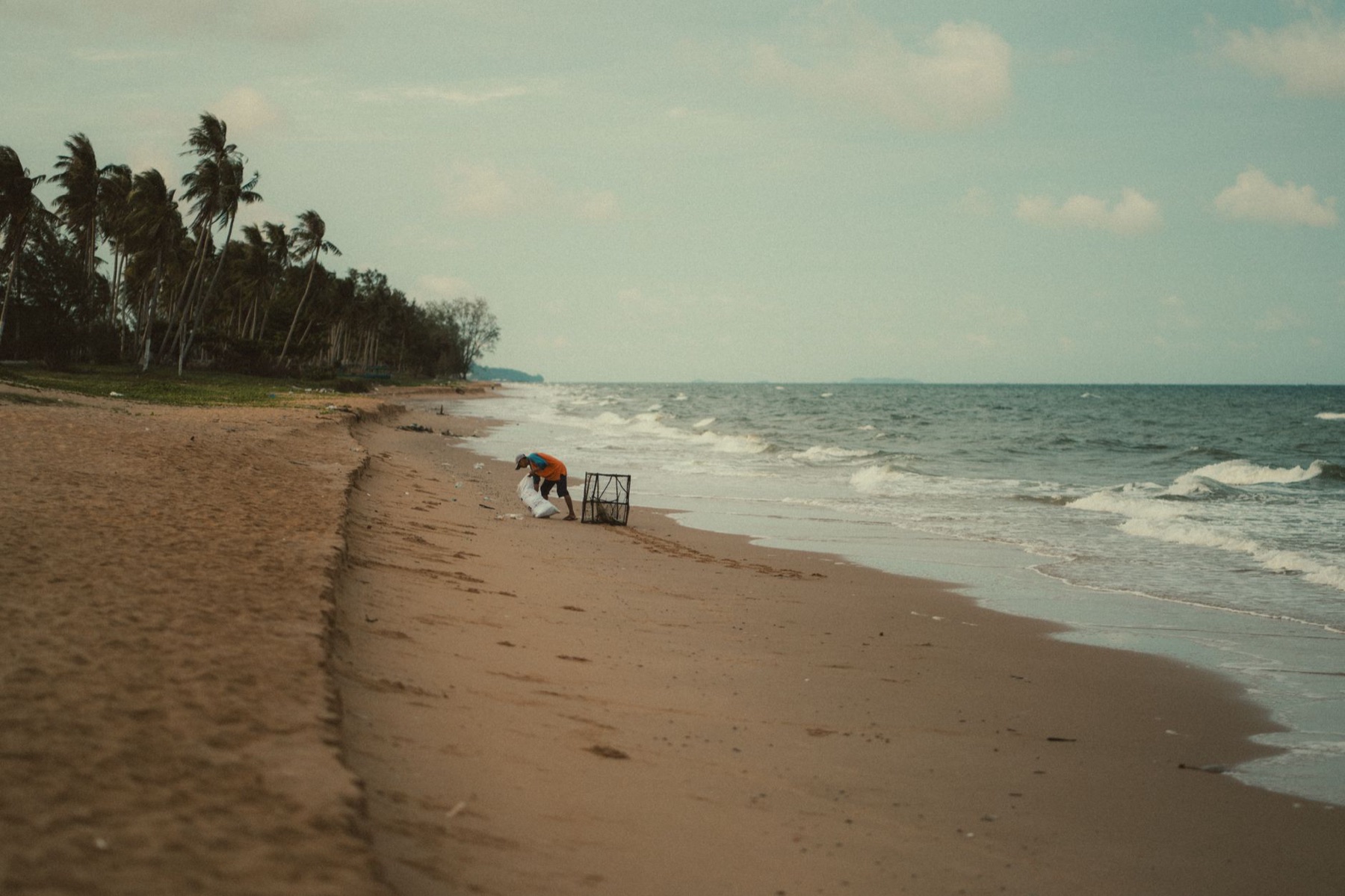
- Ong Lang Beach (northwest, 10 km from Duong Dong): backed by low palms, emptier than Sao, better sunsets, rustic beach-bar vibe.
- Duong Dong Night Market (near the waterfront): squid, prawns, crab, fish grilled on charcoal; arrive 18:00, eat standing or at plastic tables, cheap and authentic.
- Pepper plantations (central interior): short tours through fields, learn processing, buy direct; not glamorous but honest.
- Phu Quoc Prison (center-south): colonial-era jail, wartime history, sobering for 1–2 hours; admission ~50,000 VND (~2 USD).
Skip:
- Cable car and theme parks (overpriced, artificial, few locals go).
- "Fishing village tours" (staged; you're watching fishermen perform, not live).
- Jellyfish/sea-cucumber farms (marketing fluff dressed as education).
- Long-tail boat "cruises" without a clear destination (tourists drift, captain upsells drinks).
What do you eat, and where do you avoid stomach trouble?
Phu Quoc's food identity is seafood and pepper. Breakfast: pho or banh mi from street stalls (20,000–40,000 VND, <2 USD). Lunch: grilled fish or prawns at beachside shacks (60,000–120,000 VND, ~2–5 USD). Dinner: sit-down seafood at a named local spot, not a resort (100,000–250,000 VND, ~4–10 USD for a full meal). Fresh spring rolls with shrimp (fried or fresh) are ubiquitous and safe. Black pepper crab is a specialty and worth trying at a busy local restaurant (often 200,000+ VND, ~8+ USD, but excellent).
Stomach-safety rules:
- Eat where locals eat (night market, busy lunch counters).
- Avoid "salads" with raw greens if water quality is unknown; cooked food carries lower risk.
- Drink bottled or boiled water (20,000 VND for large bottles, ~<1 USD).
- Skip ice in non-resort establishments; many use tap water.
- Peel fruit yourself or buy peeled from stalls you watch.
- Street seafood is often fresher than resort buffets because turnover is high.
If stomach issues arise, pharmacies in Duong Dong stock OTC remedies; a clinic is nearby (ask your guesthouse).
📸 Book an ao dai photoshoot in Hanoi or Saigon (Cáo Studio)
How do you time your visit and prep for the weather?
Best window: November–April. Temperatures 25–30 °C, minimal rain, calm seas. Avoid May–September: heat (30–35 °C), humidity, frequent afternoon downpours, rougher seas (boat trips often cancel). Water temperature is pleasant year-round (27–29 °C).
What to pack:
- Lightweight, breathable clothes (cotton or synthetic quick-dry).
- Reef-safe sunscreen (SPF 50+); high UV.
- Waterproof bag for phone/valuables (boats splash).
- Motorbike helmet (legally required; guesthouses provide cheap ones).
- Casual flip-flops or sandals for markets.
- Light rain jacket (Nov–Apr showers are brief).
Before arrival:
- Check visa requirements; most Western nationalities qualify for e-visa.
- Get an eSIM for Vietnam or a local SIM (Viettel, Mobifone); top-up credit at 7-Eleven or market stalls (prepaid is cheap).
- Book a guesthouse or mid-range room (avoid booking.com markup; search "Duong Dong Phu Quoc guesthouses" directly or call).
- Arrange airport transport before landing (Grab is faster than taxi).
How does Phu Quoc fit into a broader Vietnam itinerary?
If you have 2 weeks, consider this flow: Hanoi (3 days) → Ha Long Bay (2 days overnight cruise) → Hanoi (1 day recovery) → flight to Ho Chi Minh City (1 day) → Phu Quoc (4 days) → Ho Chi Minh City (2 days). Alternatively, squeeze Phu Quoc into a coastal loop: Ho Chi Minh City → Nha Trang (beach) → Phu Quoc (ferry from Ha Tien or flight from Saigon) → Hoi An (culture) → Hanoi. Each region offers distinct experiences: Phu Quoc is pure coastal downtime without the party-resort atmosphere.
🎟️ Compare tours & tickets for this place
---
What to check before you book and ship souvenirs home
If you want to bring home pepper, coffee, or local crafts, note that international shipping is slow (5–10 days from Vietnam). Souvenirs we recommend packing yourself: small jars of peppercorns (vacuum-sealed, lightweight), dried squid snacks, or woven baskets. For heirloom gifts—engraved wooden boxes, personalized star maps, or printed itinerary keepsakes—consider ordering from home before you depart; it's faster and you'll have them as memory aids for trip planning.
Browse our keepsake & memory collections or travel gift guides for ideas. If you want to send a thank-you to someone back home, we ship free over $35 USD to the US (5–10 days).
---
FAQ
Do I need a motorbike license to rent in Phu Quoc?
Legally, yes—an International Driving Permit (IDP) is required. In practice, many rental shops don't check. We recommend carrying an IDP to avoid fines. Motorbikes are safe on Phu Quoc roads; traffic is light. Wear a helmet (legally mandatory and smart).
Is Phu Quoc expensive compared to mainland Vietnam beaches?
No. Guesthouses, food, and boats are actually cheaper than Nha Trang or Da Nang because fewer tourists and lower resort density. Budget travellers can eat street food for $2–4 daily.
Can I visit Phu Quoc with a single-entry e-visa?
Yes, as long as you exit Vietnam only once during your stay. If you island-hop (e.g., Phu Quoc → mainland → Phu Quoc again), you'll need a multi-entry visa. Check your visa type before booking internal flights. Read more on e-visa rules.
What's the best boat trip from Phu Quoc: An Thoi Archipelago or coral reefs?
An Thoi Archipelago (south, 15 islands, calm coves, snorkeling) is easier and more scenic for first-timers. Coral-reef snorkeling varies by season and operator; visibility is best Nov–March. Book through your guesthouse to vet the operator and avoid bad-weather surprises.
Should I buy duty-free at the airport or in Duong Dong town?
Duong Dong town is cheaper for local goods (pepper, coffee, handicrafts). Duty-free is pricier and targets long-haul tourists. Shop the night market for authentic finds and better prices.
How safe is Phu Quoc for solo travellers?
Very safe. Theft is rare; locals are friendly. Avoid solo midnight motorbike rides in unfamiliar areas; stick to main roads and daylight. Women solo travellers report few issues; standard travel sense applies (no flashy jewellery, don't flash cash).
FAQ
Do I need a motorbike license to rent in Phu Quoc?
Legally, yes—an International Driving Permit (IDP) is required. In practice, many rental shops don't check. We recommend carrying an IDP to avoid fines. Motorbikes are safe on Phu Quoc roads; traffic is light. Wear a helmet (legally mandatory and smart).
Is Phu Quoc expensive compared to mainland Vietnam beaches?
No. Guesthouses, food, and boats are actually cheaper than Nha Trang or Da Nang because fewer tourists and lower resort density. Budget travellers can eat street food for $2–4 daily.
Can I visit Phu Quoc with a single-entry e-visa?
Yes, as long as you exit Vietnam only once during your stay. If you island-hop (e.g., Phu Quoc → mainland → Phu Quoc again), you'll need a multi-entry visa. Check your visa type before booking internal flights. [Read more on e-visa rules](/vietnam/visa).
What's the best boat trip from Phu Quoc: An Thoi Archipelago or coral reefs?
An Thoi Archipelago (south, 15 islands, calm coves, snorkeling) is easier and more scenic for first-timers. Coral-reef snorkeling varies by season and operator; visibility is best Nov–March. Book through your guesthouse to vet the operator and avoid bad-weather surprises.
Should I buy duty-free at the airport or in Duong Dong town?
Duong Dong town is cheaper for local goods (pepper, coffee, handicrafts). Duty-free is pricier and targets long-haul tourists. Shop the night market for authentic finds and better prices.
How safe is Phu Quoc for solo travellers?
Very safe. Theft is rare; locals are friendly. Avoid solo midnight motorbike rides in unfamiliar areas; stick to main roads and daylight. Women solo travellers report few issues; standard travel sense applies (no flashy jewellery, don't flash cash).
More: Phu Quoc travel guide