Phu Quoc
Phu Quoc for families with kids: beaches, wildlife, and practical tips
By Wander in Vietnam editorial team · Hanoi, Vietnam
Phu Quoc suits families with children aged 3–15 best, offering warm shallow waters at Bai Sao and Bai Khem, day trips to Phu Quoc National Park, and interactive experiences like Phu Quoc Prison Museum (not overtly graphic for older kids). Base yourself for 3–5 days in Duong Dong town or beachfront resorts; expect around 32–35°C heat year-round, so mid-May to September sees fewer families but intense sun. Costs run moderate: beachfront family bungalows start around $30–50/night, meals $2–6 per head, day tours $15–25. Wander in Vietnam recommends arriving with an eSIM to book activities and check weather, and packing reef-safe sunscreen—many vendors sell counterfeit brands. Skip overnight island-hopping; young children tire quickly on boats. 🗺️ Plan your route: Vietnam itinerary ---
Is Phu Quoc actually safe for families traveling with young kids?
Phu Quoc is safer than Hanoi or Ho Chi Minh City for families because traffic is lighter, locals are accustomed to tourists, and medical care in Duong Dong town is reliable for minor issues. Beaches have lifeguards during peak hours (roughly 8 a.m.–5 p.m.), though supervision is informal. Petty theft from unattended beach bags occurs—leave valuables in room safes. Tap water isn't drinkable; stick to bottled or filtered water (available everywhere, around 5,000–10,000 VND / $0.20–0.40 per liter). Sunburn is the real risk: UV index peaks 11–12 midday. Teach kids to wear rashguards in water and reapply sunscreen every two hours.
Conclusion: Phu Quoc has no serious safety gaps for families if you follow basic precautions.
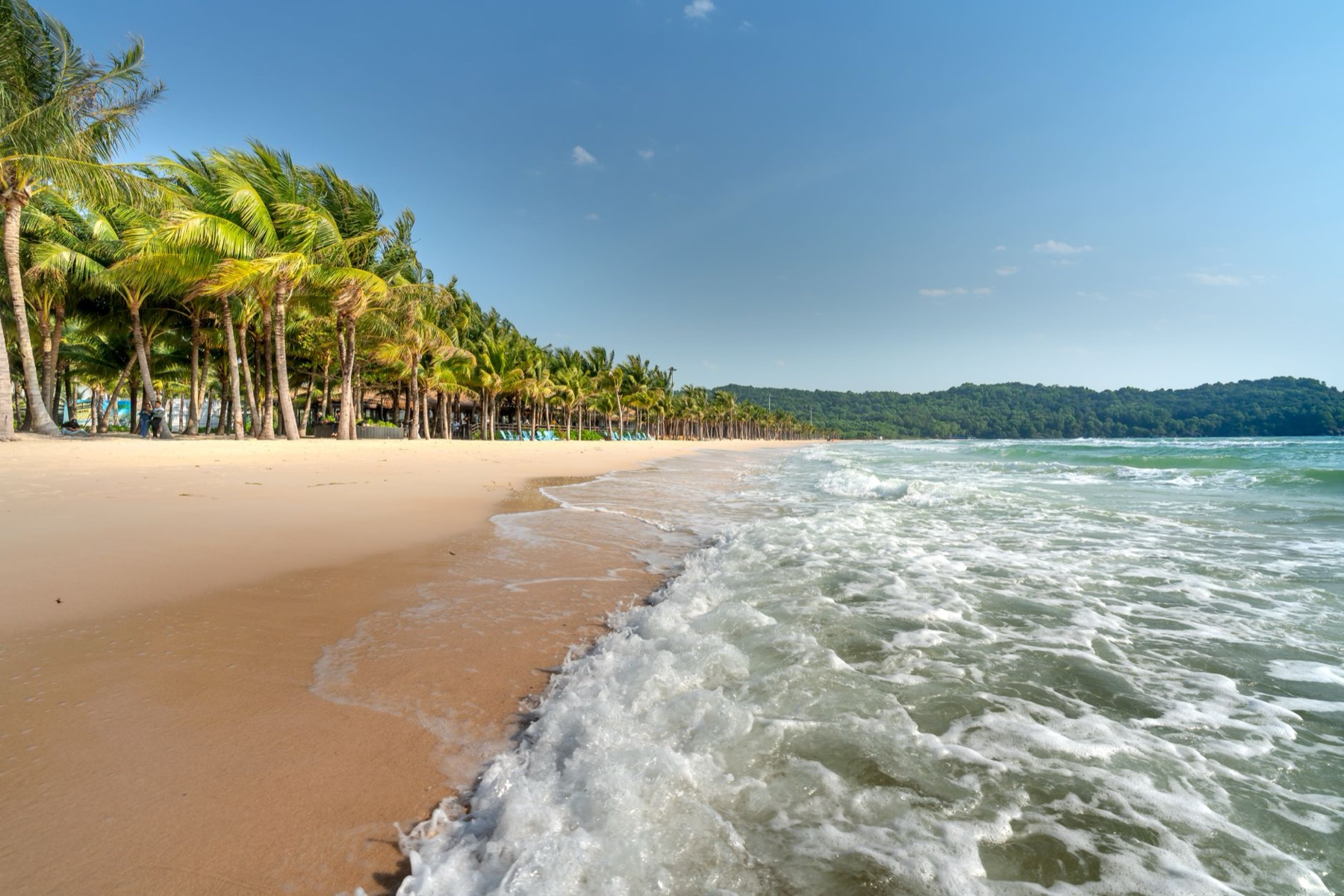
Which beaches work best for children under ten?
Bai Sao (Long Beach), on the island's southeastern tip, has the warmest, shallowest water and the softest sand—ideal for toddlers and swimmers building confidence. Water depth stays under 1 meter for the first 30 meters offshore. Bai Khem, further north, is quieter but slightly rockier at the waterline; better for ages 6+. Avoid Bai Ong Lang and Bai Truong during rough seasons (May–September) when currents pick up. None have built-in shade; rent an umbrella (around 50,000 VND / $2 per day) or bring a pop-up tent. Parking is informal but safe; locals will guard motorcycles for tips. Plan beach time for early morning (6–8 a.m.) or late afternoon (3–5 p.m.) to dodge midday heat.
Conclusion: Bai Sao is the default pick; Bai Khem works if you want fewer tourists.
What activities actually hold kids' attention for a full day?
Phu Quoc Aquarium (in Duong Dong, near the pier) appeals to ages 4–12: tanks show local fish species, and the layout is manageable in 1.5–2 hours without feeling rushed. Phu Quoc Prison Museum suits ages 8+ (younger children find the imagery unsettling); entry is around 80,000–100,000 VND / $3.20–4. Snorkeling day trips to Fingernail Island depart from Duong Dong pier daily and typically include lunch; kids who swim should enjoy it, though sea sickness affects 30–40% of children under eight. Peppercorn plantations (Phu Quoc is famous for pepper) offer farm walks and a chance to see how spice is harvested—novelty holds interest for 45 minutes. Zip-lining parks exist but aren't beginner-friendly for small frames; skip unless your child has prior climbing experience.
| Activity | Age range | Duration | Why it works | What to know |
|---|---|---|---|---|
| Bai Sao swimming | 0–18 | 2–4 hours | Shallow, warm, lifeguards | Heat + crowds midday |
| Aquarium visit | 4–12 | 1.5–2 hours | Indoor, air-conditioned, novel tanks | Crowded on weekends |
| Prison Museum | 8+ | 1–1.5 hours | Historical, walkable, quiet | Some imagery is dark |
| Snorkel tour | 6+ | 6–7 hours | Marine life, adventure, meal included | Motion sickness risk, long boat time |
| Pepper farm tour | 6–14 | 1–1.5 hours | Hands-on, unique to region | Limited infrastructure, sun exposure |
Conclusion: Mix beach time with one indoor activity per day to balance heat and engagement.
How do you avoid tourist trap meals and find food kids will actually eat?
Duong Dong's central market (Cho Phu Quoc), open 5 a.m.–4 p.m., sells fresh produce, seafood, and deli items at local prices; many cafes nearby will cook what you buy for a small fee. Avoid seafood-heavy restaurants on the waterfront strip; they price 50–100% above local spots and quality varies widely. Kids reliably eat broken-rice dishes (com tam) with grilled chicken, fresh spring rolls, and simple stir-fried noodles. Milk and bread are hit-or-miss outside Duong Dong town; buy them early. Dessert options (che, smoothies) are plentiful and cheap. Chain minimarts (Saigon Co.op, Pico) stock familiar snacks (crackers, chocolate, yogurt) at 20–30% above Vietnamese prices. Never drink ice from street stalls unless you trust the source (hotels and restaurants use filtered water, street vendors often don't).
Conclusion: Cook or buy from markets; eat early; avoid fancy seafood joints.
What should you pack and what's overrated on packing lists?
Pack: reef-safe sunscreen (SPF 50+, hard to find in Phu Quoc at reasonable prices), lightweight long-sleeve rash guards, hat, portable phone charger, any prescription medications, diarrhea medicine (imodium or electrolyte sachets), and a lightweight rain jacket. A small first-aid kit (plasters, antiseptic, paracetamol) prevents pharmacy hunts. Swim nappies/diapers if you have infants; standard sizes are sold in Duong Dong but pricier than home.
Skip: heavy luggage (flights are short, heat kills enthusiasm for layers), guidebooks (use Google Maps and translation apps offline), expensive kids' snacks (replaceable everywhere). Travel insurance is essential, not optional.
Comparison: lightweight packable umbrella (10,000 VND / $0.40, buy locally) beats a full rain jacket; a dry-bag phone case (around 50,000 VND / $2 online or 100,000+ in shops) is worth the investment.
Conclusion: Sunscreen and hydration matter more than gear volume.
---
When is the best time to visit with kids?
Dry season (November–April): temperatures 28–32°C, lower humidity, fewer rain squalls. Beaches are safest; water clarity is best November–February. Crowds peak December–February (holiday season), so book accommodation weeks ahead and expect busier attractions. Prices rise 10–20%.
Green season (May–September): temperatures 30–35°C, afternoon rain, stronger sun. Fewer tourists mean shorter queues and lower prices (15–30% discount on resorts). However, water quality dips, some beach facilities close, and sea conditions roughen—not ideal for younger swimmers. Outbreaks of dengue fever occur; insect repellent becomes critical.
Sweet spot for families: mid-November to mid-December and mid-January to mid-February. Avoid Chinese New Year (late January–February) unless you want festive crowds.
Conclusion: Book November–February if you can; otherwise, rain season works if sun exposure is your main worry.
---
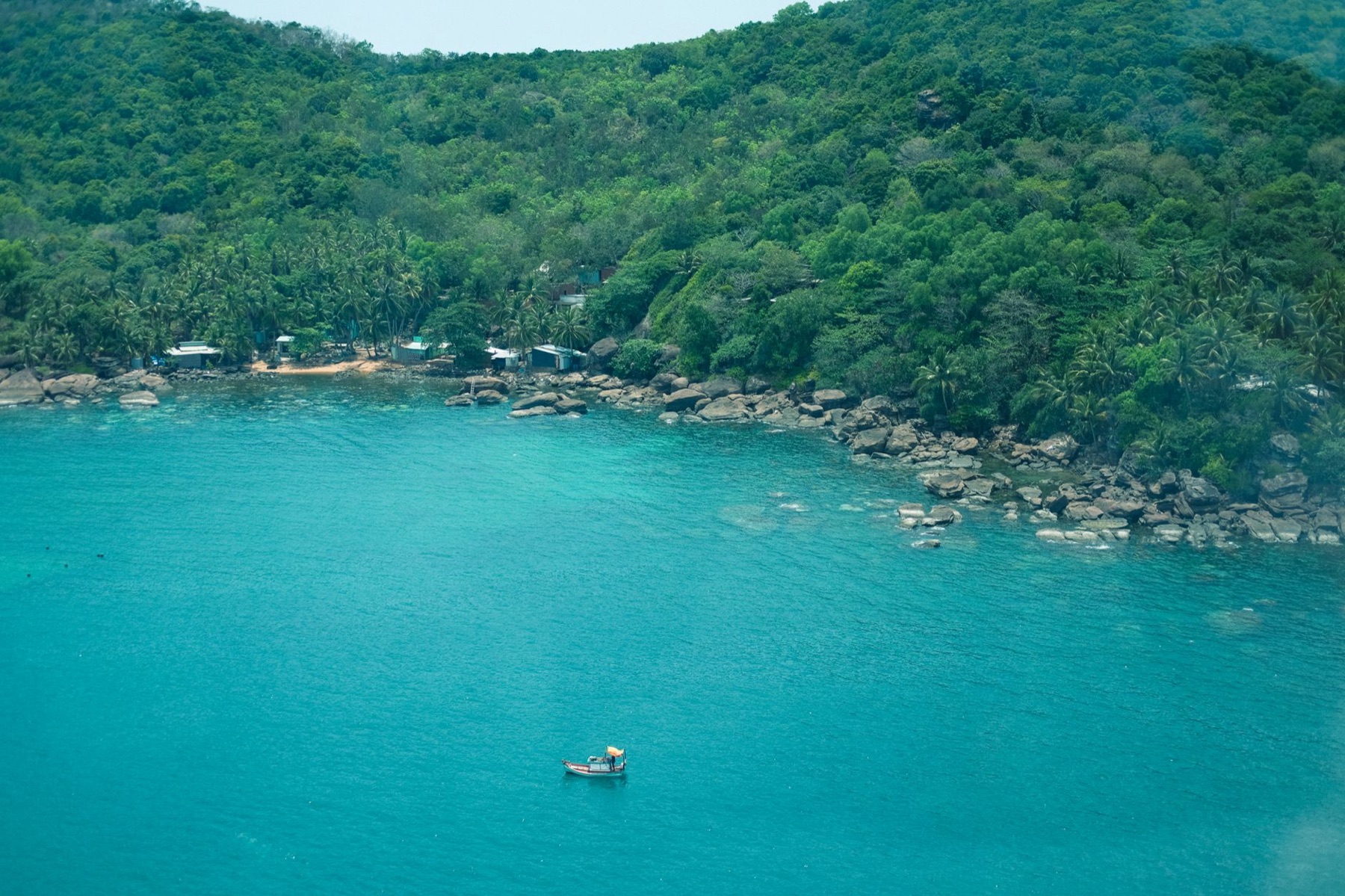
What's the honest take: is Phu Quoc worth the trip versus staying in Hanoi or Da Nang?
Phu Quoc wins if: your family swims and wants unrushed beach time (Hanoi has no beach, Da Nang is grittier); you're avoiding crowds (off-season Phu Quoc is genuinely quiet); you have 4+ days. Duong Dong feels more authentic than Nha Trang but less developed than Da Nang's My Khe Beach.
Phu Quoc loses if: you need cultural landmarks (Hanoi and Hoi An have temples, ancient towns; Phu Quoc doesn't), you're on a 2–3 day itinerary, or your kids don't swim. Flights add cost and logistics.
Cost reality: flights Hanoi–Phu Quoc are around $20–50 per person one-way (budget airlines like Bamboo Airways, Vietjet), so expect 4–5 days minimum to justify the journey. A week in Phu Quoc costs roughly $1,200–1,800 for a family of four (accommodation, food, activities, flights from Hanoi), versus $800–1,200 for a week in a northern destination like Ninh Binh.
Conclusion: Phu Quoc suits beach-centric families; culture-seekers should combine it with Hanoi or Hoi An visits.
---
How do you handle the heat and hydration with young kids?
Children overheat faster than adults and often don't vocalize thirst until dehydration sets in. Carry a reusable water bottle (bring an insulated one from home; local bottles are plastic and leak-prone) and refill at hotel/restaurant taps every 90 minutes. Electrolyte sachets (ORS powder, available at any pharmacy) mixed into water help replace salt lost through sweat. Avoid sugary drinks on the beach; they increase thirst. Dress kids in loose, light-colored cotton or synthetic fabrics; cotton absorbs sweat but dries slowly in humidity.
Heat exhaustion signs: lethargy, flushed skin, fast breathing, confusion. Move indoors, apply cool water, sip electrolytes. Seek medical help if symptoms persist over 30 minutes. Phu Quoc Hospital (Benh Vien Phu Quoc, in Duong Dong) is reliable for urgent care; a visit costs around 300,000–500,000 VND / $12–20 for consultation (travel insurance usually covers it).
Practical routine: beach 6–8 a.m., rest 10 a.m.–3 p.m., beach 4–5.30 p.m. Kids adapt to this rhythm by day two.
Conclusion: Water, shade, and rhythm matter more than activity volume.
---
How do you get an eSIM for Vietnam and why should you have one?
An eSIM (virtual SIM card) lets you stay connected without swapping physical cards. Providers like Viettel, MobiFone, and Vinaphone sell eSIM plans; you can buy online before departure or at Phu Quoc airport. Pre-purchase online is cheaper: around 50,000–100,000 VND / $2–4 for 7 days of data + calls. Airport counters charge 20–30% more. Activation takes 5–10 minutes; you scan a QR code and install the plan via your phone's settings.
Why families need it: book activities in real-time, check weather, call restaurants, use Google Maps offline (download maps before arrival), access translation apps, and contact your airline if plans change. A phone without signal means you're planning every detail weeks ahead—realistic with toddlers? No.
Learn more: Vietnam eSIM guide.
Conclusion: Buy an eSIM online before you leave; it costs less and saves daily stress.
---
What to check before you book accommodation or tours
- Accommodation: confirm it has a family room or connecting suites (not always listed clearly); ask about cots (may cost extra); check if breakfast is included (saves meal planning); verify air-conditioning is robust (night heat affects sleep). Read reviews from families, not just solo travelers—noise tolerance differs.
- Beach safety: contact the resort directly and ask if lifeguards are stationed during your dates; lifeguard presence isn't guaranteed year-round.
- Tours: confirm max group size (smaller groups are better for young kids), whether lunch is included, and if the operator has a refund policy for weather cancellations. Ask if the boat has covered seating or shade for kids sensitive to sun.
- Medical access: write down the name, address, and phone number of the nearest hospital or clinic; ask your accommodation for directions. Many resorts have an on-site nurse.
- Flights: if you're flying from Hanoi, check luggage allowances—kids often get reduced baggage on budget airlines, and extra bags cost 200,000–400,000 VND / $8–16 each.
- Visa: if you're traveling on a visa waiver, confirm your nationality qualifies for 90-day visa-free entry; some nationalities require an e-visa. See Vietnam e-visa info.
---
🎟️ Compare tours & tickets for this place
---
Honest things tourists get wrong about Phu Quoc with kids
"The whole island is a resort": False. Much of Phu Quoc is fishing villages, rubber plantations, and dense forest. Tourism is concentrated in Duong Dong and a few beach strips; the interior is undeveloped. Families expecting a theme-park atmosphere will be disappointed.
"Kids will be bored without organized tours every day": Partly wrong. Many families with kids aged 4–12 find 2–3 beach days sufficient; over-scheduling creates meltdowns in heat.
"You need a rental car": Unnecessary for families with young kids. Taxis, hotel shuttles, and walking in Duong Dong cover 90% of needs. Renting a scooter for a family of four is unsafe and stressful.
"Phu Quoc is cheaper than everywhere else in Vietnam": False. Beach resorts charge premium rates; you save money only if you stay inland or in budget guesthouses and cook. Duong Dong's waterfront restaurants are as pricey as Hanoi's.
"You can island-hop casually like Thailand": Not really. Public boats are infrequent; most trips require pre-booked tours. Spur-of-the-moment day trips don't work with unpredictable kids.
---
If you're extending beyond beaches, consider combining Phu Quoc with nearby areas: Ha Long Bay is 4 hours north (but rougher water, less child-friendly), and Hoi An is reachable in a day trip (combining both requires 6–7 days total). For a deeper Mekong vibe, Ho Chi Minh City and its nearby floating markets appeal to kids aged 8+.
📸 Book an ao dai photoshoot in Hanoi or Saigon (Cáo Studio) | 🗺️ Plan your route: Vietnam itinerary
---
FAQ
Do kids need malaria medicine for Phu Quoc?
No. Malaria risk is negligible on developed Phu Quoc; dengue fever is the rare concern. Use insect repellent (DEET or picaridin), especially at dawn and dusk. Most families visit without incident.
What's the internet speed like for working parents?
4G is reliable in Duong Dong and resort areas; upload/download speeds average 10–30 Mbps. Rural areas and some beaches drop to 3G. Expect outages during storms. Not ideal for video calls, but adequate for email and browsing.
Is tap water at resorts safe to drink?
Most mid-range and higher resorts filter tap water; many provide filtered jugs in rooms. Lower-budget places don't always filter. When in doubt, ask. Bottled water is cheap insurance (20,000–50,000 VND / $0.80–2 per gallon).
Can a family with a toddler take a snorkel tour?
Yes, if your toddler is 18+ months and a confident swimmer or comfortable in a life jacket. Operators will take babies in arms, but they won't swim or see fish. Tours last 6–7 hours; fatigue sets in fast. A calmer boat excursion to nearby beaches works better for under-threes.
What's the best souvenir for kids to take home?
Peppercorn packets (unique to Phu Quoc, inexpensive), dried mango or coconut snacks from the market, or a small lacquerware box or wooden toy from Duong Dong craft shops. Avoid mass-produced "Phu Quoc" t-shirts sold on tourist strips; they're generic and markup is high. For a meaningful keepsake, consider personalized items like a star map print capturing the date you visited or an engraved wooden box—both make lasting memories. Explore personalized gifts & keepsakes collections to find something that captures your trip.
FAQ
Do kids need malaria medicine for Phu Quoc?
No. Malaria risk is negligible on developed Phu Quoc; dengue fever is the rare concern. Use insect repellent (DEET or picaridin), especially at dawn and dusk. Most families visit without incident.
What's the internet speed like for working parents?
4G is reliable in Duong Dong and resort areas; upload/download speeds average 10–30 Mbps. Rural areas and some beaches drop to 3G. Expect outages during storms. Not ideal for video calls, but adequate for email and browsing.
Is tap water at resorts safe to drink?
Most mid-range and higher resorts filter tap water; many provide filtered jugs in rooms. Lower-budget places don't always filter. When in doubt, ask. Bottled water is cheap insurance (20,000–50,000 VND / $0.80–2 per gallon).
Can a family with a toddler take a snorkel tour?
Yes, if your toddler is 18+ months and a confident swimmer or comfortable in a life jacket. Operators will take babies in arms, but they won't swim or see fish. Tours last 6–7 hours; fatigue sets in fast. A calmer boat excursion to nearby beaches works better for under-threes.
What's the best souvenir for kids to take home?
Peppercorn packets (unique to Phu Quoc, inexpensive), dried mango or coconut snacks from the market, or a small lacquerware box or wooden toy from Duong Dong craft shops. Avoid mass-produced "Phu Quoc" t-shirts sold on tourist strips; they're generic and markup is high. For a meaningful keepsake, consider personalized items like a star map print capturing the date you visited or an engraved wooden box—both make lasting memories. Explore [personalized gifts & keepsakes collections](/collections) to find something that captures your trip.
More: Phu Quoc travel guide