Phu Quoc
Phu Quoc Travel Guide: Island Essentials & Insider Tips
By Wander in Vietnam editorial team · Hanoi, Vietnam
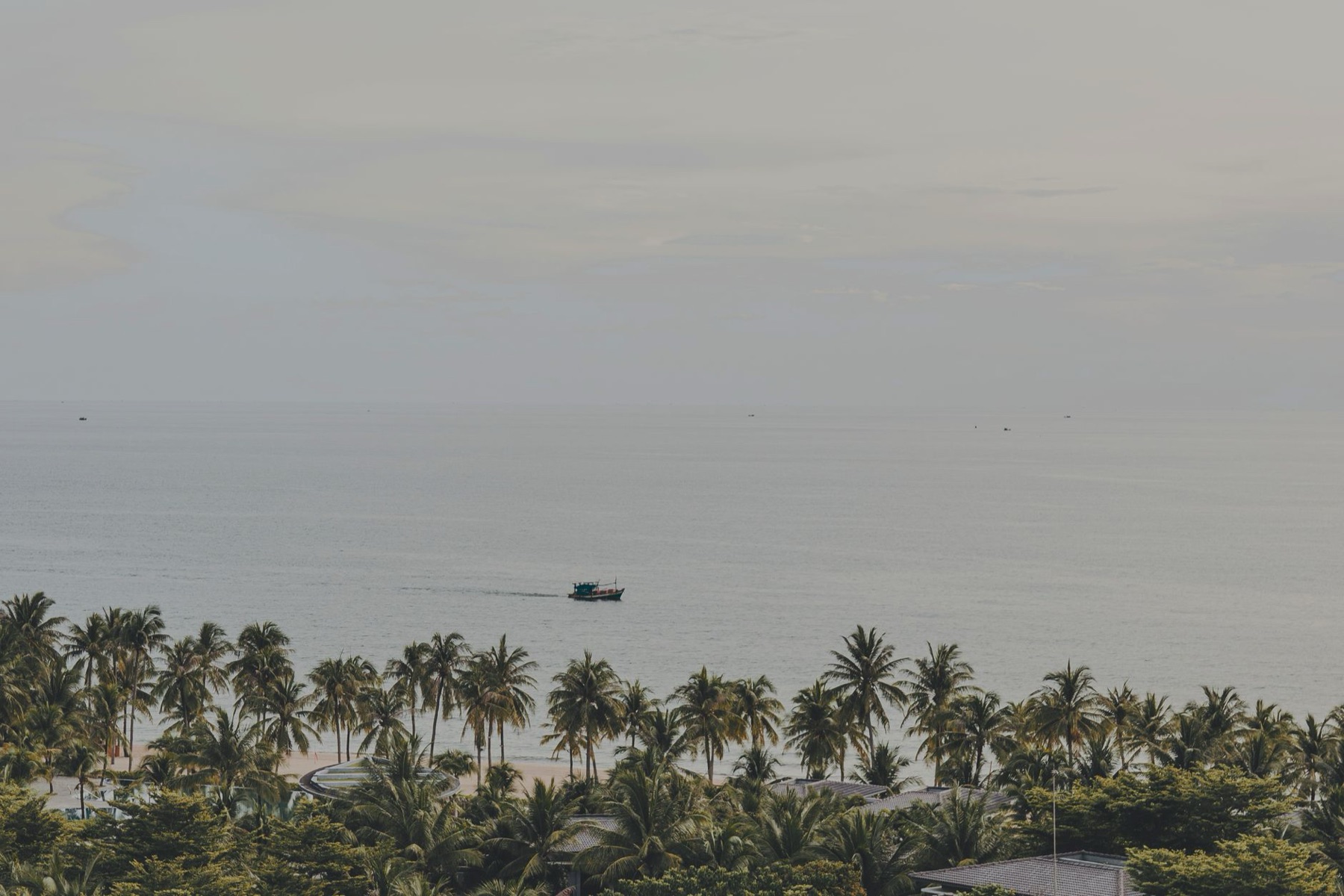
Phu Quoc lies 120 km off the coast of Kien Giang province in southwestern Vietnam, a 1-hour flight from Ho Chi Minh City or a 12–14 hour bus journey. Most visitors spend 3–5 days exploring its beaches (Sao and Long beaches rank best), trekking Phu Quoc National Park, visiting fish sauce factories, and eating fresh seafood—plan around 800,000–2 million VND per day (around $30–$80 USD) depending on accommodation choice. The island has grown fast; avoid the overdeveloped night market in high season (November–February), don't trust cyclo drivers quoting inflated taxi fares, and book boat tours through your hotel rather than street touts. Wander in Vietnam recommends basing yourself in An Thoi or Duong Dong town and renting a motorbike for flexibility. ---
When should I visit Phu Quoc, and how does weather shape your plans?
November through February is peak: dry, cool (23–28°C), perfect for beach days and island hopping. March to May gets hot and sticky; June to October sees rain and occasional typhoons, but prices drop 30–40% and crowds vanish. Book accommodation June–October only if you tolerate humidity and afternoon downpours. The sea calms again by late October. Choose your season based on whether you prioritize comfort or budget—not both.
🗺️ Plan your route: Vietnam itinerary
What's the real cost breakdown for a Phu Quoc trip?
Budget travelers spend around 400,000–600,000 VND daily ($15–$24 USD); mid-range visitors budget 1–1.5 million VND ($40–$60 USD); luxury seekers pay 2.5+ million VND ($100+ USD). A motorbike rental costs around 150,000–200,000 VND per day ($6–$8 USD). A seafood dinner at a beachfront place runs 250,000–500,000 VND ($10–$20 USD) for two people. Ferry to nearby islands (Ca Lon or An Thoi islands) costs around 150,000–300,000 VND ($6–$12 USD) return. Avoid the night market's inflated tourist prices; eat where locals queue instead.
Which beaches are actually worth your time, and which are tourist traps?
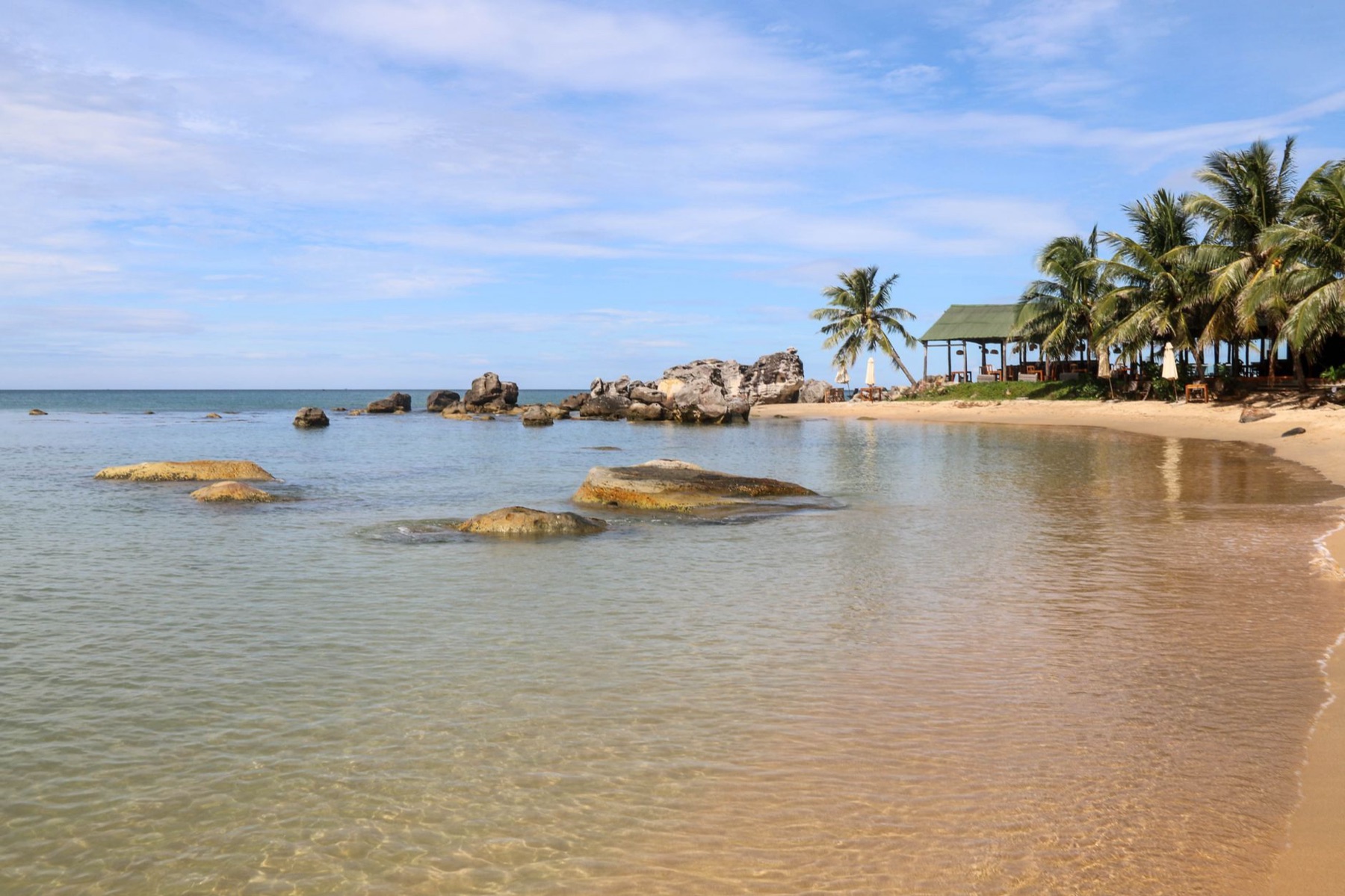
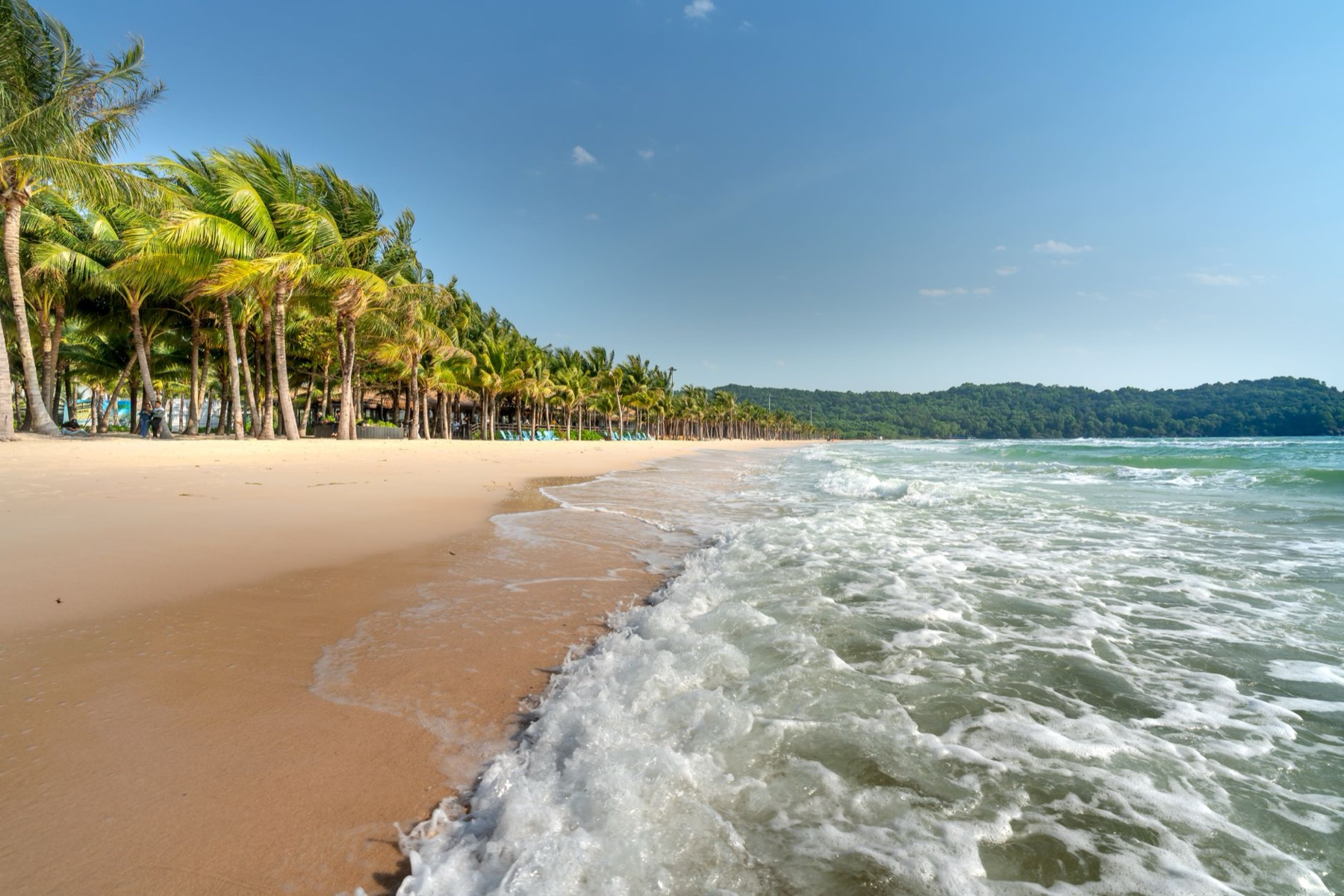
Sao Beach (southeast): powdery sand, calm water, best for swimming—arrive before 9 a.m. or after 4 p.m. to dodge tour groups. Long Beach (west): longer, more rugged, good for sunset; cheaper beach bars and locals mix freely. Star Beach (north): quieter, shallow, packed with resorts but fewer independent travelers. Skip Truong Beach; it's murky and dominated by resort chains. Kem Beach in the north sees few tourists and offers genuine local atmosphere if you rent a motorbike and bring your own snacks. Always ask your guesthouse which beach suits the current tides and monsoon direction.
| Beach | Best for | Crowd level | Transport from Duong Dong | Worth the trip? |
|---|---|---|---|---|
| Sao | Swimming, snorkeling | High (peak season) | 30 min motorbike | Yes—unique sand |
| Long | Sunset, budget food | Medium | 15 min motorbike | Yes—authentic vibe |
| Star | Resort lounging | Medium–high | 20 min motorbike | Only if staying nearby |
| Kem | Peace, locals | Low | 45 min motorbike | Yes—if you have time |
| Truong | Skip | Varies | 10 min motorbike | No—murky water |
How do you navigate Duong Dong town without getting scammed?
Duong Dong is the main hub—where you fly in, find ATMs, book tours, and eat. The night market (open nightly after 5 p.m.) attracts touts offering fake boat tours and overpriced drinks; ignore them and eat at stalls with queues instead. Taxi meters from the airport to town run around 200,000–300,000 VND ($8–$12 USD); some drivers claim fares are double—insist on the meter or use Grab (ride-hailing app). Don't change money with street vendors; use ATMs at banks or your hotel. Motorbike taxis ("xe om") are fine for short rides if you negotiate before boarding (around 50,000 VND/$2 USD per km). Shop at Phu Quoc Market (open early morning) for fresh fruit and fish sauce instead of tourist shops. Book island tours through your accommodation, not random street hawkers.
🎟️ Compare tours & tickets for this place
What makes Phu Quoc's food scene different, and where do locals actually eat?
Phu Quoc is famous for fish sauce (nuoc mam)—visit a factory (many cluster near An Thoi) to see fermentation vats and taste the difference between fresh and aged; entry is free or around 50,000 VND ($2 USD). Pepper farms dot the north; some run informal tours (ask your hotel). Seafood dominates: grilled squid, crab, and shrimp cost half what they do in Ho Chi Minh City. Seek out small restaurants along Tran Hung Dao Street in Duong Dong—a whole meal for two runs 300,000–500,000 VND ($12–$20 USD). Avoid the night market's tourist-priced food stalls; eat at the early-morning wet market instead, where a full seafood breakfast costs 80,000–150,000 VND ($3–$6 USD). Try "Banh canh" (tapioca noodle soup) and "Ca chien sot me" (fried fish with tamarind sauce) at family-run shops near the market entrance.
What day trips and activities make sense, and which are filler?
Phu Quoc National Park: 3–4 hour trek through jungle, rare bird sightings—guides cost around 800,000 VND for a small group ($32 USD). Worth it if you're fit and love nature; skip if you're beach-focused. An Thoi island hopping: 6–8 hour boat tour visiting 4–5 small islands, snorkeling, seafood lunch—around 1–1.5 million VND per person ($40–$60 USD); book through your hotel. Coconut Prison: historical site, 1–2 hours, entry around 100,000 VND ($4 USD)—interesting only if you're into war history. Cai Dau fishing village: narrow canals, traditional boats, lunch included—similar pricing to island tours. Skip jet-ski tours and parasailing (expensive, poor safety standards); skip the "world's longest cable car" unless you're really desperate for a photo op. Rent a motorbike instead and explore northern pepper plantations at your own pace.
---
What should you pack and prepare before arriving?
Bring reef-safe sunscreen (50+ SPF), a lightweight rain jacket, and quick-dry clothes—humidity is relentless even in dry season. Download Grab and Google Maps offline; phone signal is good in town but weak at beaches. Bring an international adapter (220V, Type A/C outlets). If you plan island hopping, pack a waterproof phone case and a dry bag. Avoid peak-season dates (late December–early January) unless you enjoy crowds. Book accommodation before arrival; last-minute options in peak season fill fast or cost 50% more. A simple check before you book: confirm your hotel has a safe (many budget guesthouses don't), ask if the area is walkable to restaurants at night, and verify wi-fi speed if you're working remotely—several budget places advertise internet but deliver 1–2 Mbps.
📸 Book an ao dai photoshoot in Hanoi or Saigon (Cáo Studio)
---
How does Phu Quoc fit into a wider Vietnam trip?
If you're exploring Vietnam broadly, Phu Quoc works best as a 3–5 day wind-down after the energy of Ho Chi Minh City or the Mekong Delta. Compare it with other coastal options: Ha Long Bay (Haiphong, north) is more dramatic and crowded; Phu Quoc is mellower and hotter. Most travelers add Phu Quoc after visiting Ho Chi Minh City or the Mekong. If you're island-hopping, link it with a mainland loop through Hoi An and Ninh Binh first, then fly to Phu Quoc for beach recovery. Plan a full itinerary here; add a Vietnam e-visa if needed, and grab a local eSIM for reliable data throughout the island.
---
Souvenirs and keepsakes worth carrying home
Phu Quoc pepper (black, white, red varieties) in small bags costs 50,000–150,000 VND ($2–$6 USD) and makes an honest gift—buy direct from farms or the morning market, not tourist shops. Fish sauce is pungent but authentic; small bottles (200 ml) run 80,000–120,000 VND ($3–$5 USD). Look for engraved keepsake boxes or star map prints (commissioned works showing the night sky on the date you visited) from artisan shops in Duong Dong—these capture the memory better than mass-produced trinkets. Avoid knock-off pearls and "genuine" jade sold on the street. If you want to send a gift back to someone in Vietnam, consider a flower delivery service in Hanoi or arrange a photoshoot memory in Saigon for a lasting keepsake.
Browse our gift & keepsake collections for ideas to bring home or ship as reminders of your trip.
🎟️ Compare tours & tickets for this place
---
FAQ
Do I need a visa to visit Phu Quoc?
If you hold a US, UK, Australian, EU, or most Asian passport, you qualify for a 90-day visa waiver or e-visa. Check Vietnam e-visa requirements before booking flights.
Is it safe to rent a motorbike and ride solo on Phu Quoc?
Roads are generally good, but traffic is heavier than rural areas. Wear a helmet (legally required), avoid night riding, and don't speed. If you're uncomfortable, hire a driver (around 600,000 VND/$24 USD per day) or use Grab.
Can I visit Phu Quoc on a tight budget?
Yes. Stay in a budget guesthouse (300,000–500,000 VND/$12–$20 USD per night), eat at markets and local restaurants, skip tours, and beach-hop by motorbike. Budget 600,000–800,000 VND ($24–$32 USD) per day, including accommodation.
What's the best time to visit if I hate crowds and humidity?
November–December is coolest and driest; book 2–3 months ahead. If you can tolerate rain, June–August is quiet and prices drop significantly. Avoid late December and January at all costs—peak season chaos.
How do I book an honest island-hopping tour without getting ripped off?
Ask your hotel or guesthouse directly; they have referral relationships with reliable tour operators. Expect 1–1.5 million VND ($40–$60 USD) per person for a full-day trip with lunch and snorkeling gear included. Avoid street touts in the night market.
Are there day trips to mainland Kien Giang from Phu Quoc?
Yes. Ha Tien town (2.5-hour ferry, around 300,000 VND/$12 USD) has limestone cliffs and caves; Rach Gia (similar ferry time) is less touristy. These work as side trips if you have 2+ weeks, but most visitors skip them for more beach time.
FAQ
Do I need a visa to visit Phu Quoc?
If you hold a US, UK, Australian, EU, or most Asian passport, you qualify for a 90-day visa waiver or e-visa. [Check Vietnam e-visa requirements](/vietnam/visa) before booking flights.
Is it safe to rent a motorbike and ride solo on Phu Quoc?
Roads are generally good, but traffic is heavier than rural areas. Wear a helmet (legally required), avoid night riding, and don't speed. If you're uncomfortable, hire a driver (around 600,000 VND/$24 USD per day) or use Grab.
Can I visit Phu Quoc on a tight budget?
Yes. Stay in a budget guesthouse (300,000–500,000 VND/$12–$20 USD per night), eat at markets and local restaurants, skip tours, and beach-hop by motorbike. Budget 600,000–800,000 VND ($24–$32 USD) per day, including accommodation.
What's the best time to visit if I hate crowds and humidity?
November–December is coolest and driest; book 2–3 months ahead. If you can tolerate rain, June–August is quiet and prices drop significantly. Avoid late December and January at all costs—peak season chaos.
How do I book an honest island-hopping tour without getting ripped off?
Ask your hotel or guesthouse directly; they have referral relationships with reliable tour operators. Expect 1–1.5 million VND ($40–$60 USD) per person for a full-day trip with lunch and snorkeling gear included. Avoid street touts in the night market.
Are there day trips to mainland Kien Giang from Phu Quoc?
Yes. Ha Tien town (2.5-hour ferry, around 300,000 VND/$12 USD) has limestone cliffs and caves; Rach Gia (similar ferry time) is less touristy. These work as side trips if you have 2+ weeks, but most visitors skip them for more beach time.
More: Phu Quoc travel guide