Hanoi · Food
Best Vietnamese Food in Hanoi: Where Locals Eat & What to Order
By Wander in Vietnam editorial team · Hanoi, Vietnam
Hanoi's food scene rewards early risers and neighborhood loyalty over reservations. The city's best meals aren't reservable; they're eaten standing, perched on plastic stools, or at communal tables where the broth has been simmering for twelve hours. We've tested dozens of stalls, markets, and family-run shops—here's what actually works.
Which Hanoi pho spots deliver real bone broth, not MSG shortcuts?
Real pho takes 8–12 hours to make. You taste the difference instantly: clarity, depth, a silky mouthfeel. The worst pho gets flavor from powder packets and tastes flat after five minutes. Look for broth that's translucent (not cloudy), beef or chicken bones visible in the pot, and a waitress who's been there since 5 a.m. Old Quarter stalls around Hàng Cơm and Hàng Mành typically simmer their stock overnight; expect to pay around $1.50–2.50 USD for a large bowl. Suburban shops in Ba Đình (Thanh Xuân, Thái Thịnh areas) often have longer histories and fiercer competition—their pho is consistently better. Skip any place that seats you instantly; the queue is the quality signal.
🗺️ Plan your route: Vietnam itinerary
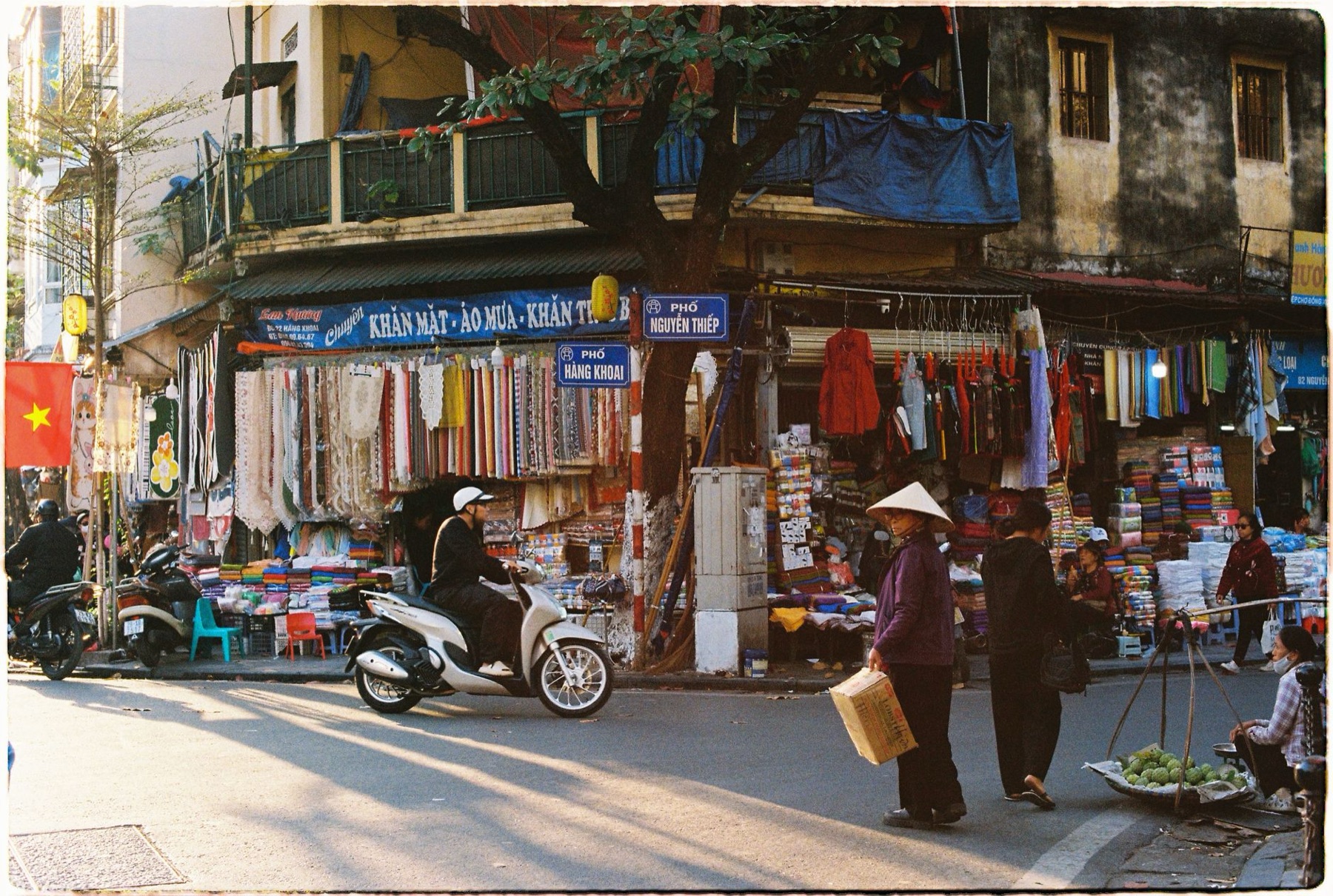
Where do Hanoians actually buy bánh mì, crab paste & specialty snacks?
Bánh mì (Vietnamese sandwich) is cheap ($1–1.50 USD) but wildly inconsistent. The gap between mediocre and stellar is pâté quality, meat texture, and bread crispness. Specialist bánh mì stalls (not general pho shops) in Hoàn Kiếm district near Tràng Tiền or Hàng Ngang have perfected their formula: they toast the bread after assembly and use fresh pâté daily. Crab paste (cua cà chua)—a salty, umami-forward spread—is bought at early-morning markets by locals, not tourists. Đông Xuân Market (Old Quarter) opens at 5 a.m.; go for small containers of crab paste ($2–3 USD for enough to fill a family meal), fresh herbs, and seasonal vegetables. Avoid bottled versions in supermarkets; the fresh product is better and costs the same.
What's the honest difference between Old Quarter tourist stalls and suburban family shops?
| Factor | Old Quarter (Tourist Zone) | Ba Đình & Thanh Xuân (Locals) | Tây Hồ (Upmarket) |
|---|---|---|---|
| Crowd | 60% tourists, 40% locals | 95% locals | Mixed, reservations expected |
| Price | $1.50–3 USD per dish | $2–4 USD per dish | $6–15 USD per dish |
| Quality variance | High (depends on stall) | Low (competition keeps standards high) | Consistent, premium ingredients |
| Best for | Quick breakfast, iconic photos | Authentic daily lunch, family meals | Special occasion, tourist group dinners |
| Peak hours | 8–10 a.m., 12–2 p.m. | 6–7 a.m., 11:30 a.m.–1 p.m. | 6–9 p.m. (dinner) |
Old Quarter food is a gamble—photo-friendly doesn't mean well-made. Suburban stalls compete fiercely for neighborhood regulars; their reputations depend on consistency, not Instagram appeal. Tây Hồ restaurants (around Tây Hồ Tùng, Nguyễn Huy Tự) cater to expats and affluent Hanoians; prices are marked up but ingredients are fresher and portions generous.
How do I avoid common food-ordering mistakes (scams, stomach trouble, overpaying)?
Scams to dodge:
- Asking the price after eating at unmarked stalls. Always point and ask "bao nhiêu tiền?" (how much?) before ordering.
- Ordering "special" dishes off-menu. Standard items are cheaper and already perfected.
- Tourist-facing restaurants near Hoàn Kiếm Lake charging $8–12 USD for dishes that cost $2 elsewhere.
- "Cooking classes" in Old Quarter that are really just group tourist meals at inflated prices.
To protect your stomach:
- Eat where there's high turnover (queues = fresh stock).
- Avoid raw vegetables at street stalls unless they're washed in front of you.
- Stick to hot, cooked foods if you're new to Hanoi; let your gut adjust before trying raw herbs and cold sides.
- Breakfast pho is safer than lunch at old stalls (broth is freshest in the morning).
To avoid overpaying:
- Eat in Vietnamese, not English menus. A stall might have two menus with different prices.
- Order the simplest version (regular pho, not "special"; plain bánh mì, not upgraded).
- Drink tap water only at your accommodation; buy bottled water at supermarkets ($0.30–0.50 USD), not from street vendors ($1–2 USD).
📸 Book an ao dai photoshoot in Hanoi or Saigon (Cáo Studio)
What should a first-time visitor order to understand Hanoi food culture?
Start with these five dishes to see the whole picture:
- Pho bo (beef pho): $1.50–2.50 USD. The soul of Hanoi breakfast. Order at a busy stall, watch the ritual (broth poured over rare beef, which cooks in residual heat), slurp loudly.
- Bánh mì pâté & Việt deli meat: $1–1.50 USD. Shows how colonial French food became Vietnamese. Buy from a specialist bánh mì stall, not a general shop.
- Cua ca chua (crab paste): $2–3 USD for a small container. Funky, salty, intensely flavored. Eat with crackers or rice at your hotel to acclimate.
- Bun rieu cua (crab & tomato noodle soup): $2–3 USD. Lighter than pho, complex broth, shows regional soup mastery.
- Thit nuong (grilled pork): $3–5 USD as a main at a casual restaurant. Simple but reveals how temperature and char build flavor.
Combine these with fresh herbs (mint, cilantro, dill), lime, and chili sauce—you'll understand why Hanoi food is about balance, not single-dish glory.
🎟️ Compare tours & tickets for this place
Which neighborhoods deliver consistent, non-touristy meals?
- Hàng Mành (Old Quarter edge): Pho, bánh mì, soups. 6–10 a.m. only; closes by noon.
- Thái Thịnh (Ba Đình): Sprawling street-food quarter. Specialty pho, crab dishes, grilled snacks. 6 a.m.–10 p.m. Locals only; no English menus.
- Thanh Xuân (near Láng Hạ): Family-run noodle shops, broths, seasonal vegetables. Breakfast-focused (5–10 a.m.).
- Tây Hồ (lakeside): Upmarket seafood, grilled fish, crab. Restaurants with names and fixed prices. Dinner atmosphere. $6–15 USD per dish.
- Đông Xuân Market (Old Quarter): Fresh ingredients, grab-and-go snacks, crab paste, dried goods. 5–10 a.m. peak. Go early or it's picked over.
Skip: Nguyen Hue Walking Street area (Ho Chi Minh City, not Hanoi—but if you're there, it's tourists and chain restaurants). Tourist-heavy restaurants in Hoàn Kiếm district charging $10+ USD for pho.
---
What to check before you eat anywhere
- Time of day: Eat pho at 6–8 a.m., bánh mì at 7–9 a.m., lunch dishes at 11 a.m.–1 p.m. Off-peak hours = stale broth.
- Visible turnover: Watch how many bowls leave the kitchen in five minutes. None = old stock.
- Price on the wall or menu: If there's none, ask before ordering. Verbal quotes can inflate for tourists.
- Cleanliness signal: Busy stalls are usually cleaner (health inspectors visit popular places). Flies are normal; accept it.
- Language barrier as a feature: Stalls without English menus serve better, cheaper food. Bring a translation app or point.
---
🗺️ Explore more: Full Hanoi food guide | 🏙️ Expand your trip: Hanoi neighborhood guide
If you're building a longer Vietnam trip, food-focused stops in Hoi An (cao lau, white roses), Ho Chi Minh City (bánh mì, street barbecue), and Ninh Binh (fresh river fish, local goat) each reveal regional variations. Consider grabbing Vietnam eSIM to find stalls via Google Maps offline, and check Vietnam e-visa requirements before arrival.
FAQ
Is street food in Hanoi safe to eat in 2026?
Yes, if you follow the rules: eat at high-turnover stalls, avoid raw vegetables until your gut adjusts, and drink only bottled water. Locals eat street food daily without issue. The risk is overblown by guidebooks selling "safe" tours instead.
How much should I budget for food per day?
$10–15 USD per day if you eat like a local (pho, bánh mì, soup, one restaurant meal). $25+ USD if you want comfort food or tourist-zone restaurants. Street breakfast is $1–2 USD; lunch is $2–4 USD; dinner at a sit-down place is $5–10 USD.
Can I eat vegetarian in Hanoi?
Yes. Vegetarian pho, noodle soups, and stir-fried vegetables are common. Buddhist temples offer all-vegan meals. Tell vendors "không cơm, không thịt, không cá" (no meat, no fish) and check broths are made with vegetables, not bone.
What's the best time to visit Hanoi markets for food?
Early morning, 5–7 a.m., when stock is fresh and prices are lowest. By 9 a.m., popular items are picked over. Đông Xuân Market (Old Quarter) is the largest; Xương Huân Market (Ba Đình) is locals' favorite for produce and dried goods.
Should I take a cooking class or food tour?
No. "Cooking classes" in Old Quarter are expensive tourist theater ($40–80 USD for 3 hours). Instead, visit a local market at dawn, buy ingredients ($3–5 USD total), cook in your accommodation, and eat. Real learning happens by eating at the same stall five mornings in a row, not in group settings.
FAQ
Is street food in Hanoi safe to eat in 2026?
Yes, if you follow the rules: eat at high-turnover stalls, avoid raw vegetables until your gut adjusts, and drink only bottled water. Locals eat street food daily without issue. The risk is overblown by guidebooks selling "safe" tours instead.
How much should I budget for food per day?
$10–15 USD per day if you eat like a local (pho, bánh mì, soup, one restaurant meal). $25+ USD if you want comfort food or tourist-zone restaurants. Street breakfast is $1–2 USD; lunch is $2–4 USD; dinner at a sit-down place is $5–10 USD.
Can I eat vegetarian in Hanoi?
Yes. Vegetarian pho, noodle soups, and stir-fried vegetables are common. Buddhist temples offer all-vegan meals. Tell vendors "không cơm, không thịt, không cá" (no meat, no fish) and check broths are made with vegetables, not bone.
What's the best time to visit Hanoi markets for food?
Early morning, 5–7 a.m., when stock is fresh and prices are lowest. By 9 a.m., popular items are picked over. Đông Xuân Market (Old Quarter) is the largest; Xương Huân Market (Ba Đình) is locals' favorite for produce and dried goods.
Should I take a cooking class or food tour?
No. "Cooking classes" in Old Quarter are expensive tourist theater ($40–80 USD for 3 hours). Instead, visit a local market at dawn, buy ingredients ($3–5 USD total), cook in your accommodation, and eat. Real learning happens by eating at the same stall five mornings in a row, not in group settings.