Hanoi · Food
Best Vietnamese Restaurant in Hanoi: Where to Eat Like a Local
By Wander in Vietnam editorial team · Hanoi, Vietnam
Hanoi's restaurant landscape rewards early risers and neighborhood explorers. Tourist-dense Old Quarter streets—Hang Noi, Ta Hien, Hang Manh—serve food but rarely reflect how locals eat. Real pho, bun cha, and com tam happen in alleys, before 10 a.m., at plastic-stool counters with no English signage. Prices jump 30–50% after noon and triple at night. We'll walk you through the types, neighborhoods, pricing tiers, and honest traps.
What Type of Hanoi Restaurant Fits Your Budget and Taste?
Budget-conscious travelers and locals eat at pho and com tam stalls in residential neighborhoods: Dong Da, Ba Dinh, Tay Ho. Meals cost around 30,000–60,000 VND ($1.20–2.40 USD). Mid-range sit-down spots (bun cha, banh mi cafes) in Old Quarter side streets run 80,000–150,000 VND ($3.20–6 USD) per person with drink. Premium venues serving modernized Vietnamese or regional specialties (northern hill cuisine, central coast seafood) charge 200,000–500,000+ VND ($8–20+ USD). Tour groups and first-time visitors cluster in Hang Noi and Ta Hien; business travelers and expats head to Hoan Kiem Lake's east bank or Tay Ho's lakeside restaurants. Choose your type before booking—each has different peak hours, reservation rules, and flavor depth.
🗺️ Plan your route: Vietnam itinerary
Which Hanoi Neighborhoods Actually Have Good Vietnamese Food?
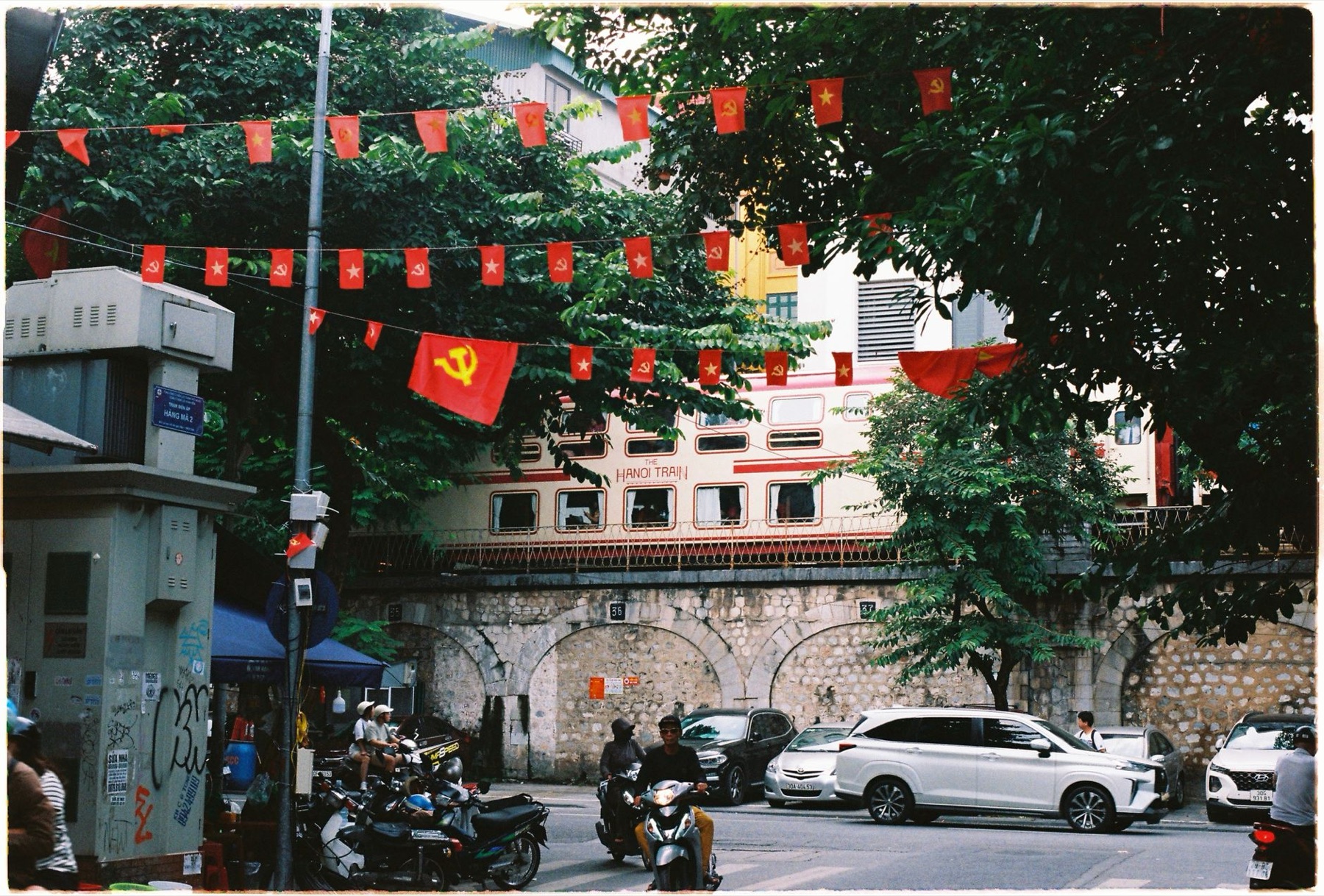
Old Quarter alleys (Hang Dieu, Hang Gai side streets) host pho and egg coffee stalls. Dong Da district (south of Hoan Kiem, around Nguyen Chi Thanh road) is where office workers eat lunch—authentic com tam, bun cha, grilled chicken. Tay Ho (northwest, Tay Ho Tay road) mixes local breakfast spots with mid-range tourist cafes. Ba Dinh (near Ho Chi Minh Mausoleum) has old-school noodle shops and zero English menus. Long Bien (northeast, industrial area) draws few tourists and hosts working-class eateries. Each neighborhood's best restaurants lack signage, open early (5:30–6 a.m.), close mid-afternoon, and cater to office workers. Eating at 11 a.m. in Dong Da costs half the price of 7 p.m. in Old Quarter. Ask your hotel staff for the nearest "com tam" or "pho" shop in their neighborhood—word-of-mouth beats Google ratings in Hanoi's street-food culture.
How Do Hanoi Restaurants Price Dishes, and What's Fair?
Pho (beef or chicken): around 40,000–80,000 VND ($1.60–3.20 USD) at local stalls, 120,000–200,000 VND ($4.80–8 USD) in tourist-facing spots. Bun cha (grilled pork over noodles): 50,000–100,000 VND ($2–4 USD). Com tam (broken-rice lunch plates with eggs, pork, vegetables): 30,000–70,000 VND ($1.20–2.80 USD). Banh mi (filled sandwich): 25,000–50,000 VND ($1–2 USD). Grilled fish or seafood for one person: 150,000–300,000 VND ($6–12 USD) depending on fish type and restaurant tier. Soft drinks: 10,000–15,000 VND ($0.40–0.60 USD). Beer (small bottle): 15,000–30,000 VND ($0.60–1.20 USD). Booking a table (not walk-in) at mid-range spots may include a service charge (5–10%). Tourist restaurants often add 10% service + 5% VAT. Avoid places with laminated menus and price lists in multiple currencies—they mark up 50–100% for foreign faces.
| Restaurant Type | Dish Example | Typical Price (VND) | USD Equiv. | Best For | Common Issue |
|---|---|---|---|---|---|
| Pho stall (dawn, local) | Pho bo | 40,000–60,000 | $1.60–2.40 | Breakfast, authentic | Closes by 10 a.m. |
| Bun cha sit-down (lunch) | Bun cha + bia | 80,000–120,000 | $3.20–4.80 | Lunch, casual | Crowded 11 a.m.–1 p.m. |
| Com tam counter | Com tam ga + canh | 50,000–80,000 | $2–3.20 | Budget lunch | No English, tables packed |
| Mid-range café (tourist area) | Banh mi + coffee | 100,000–150,000 | $4–6 | Expats, midday break | Inflated prices, slow service |
| Regional specialty (sit-down) | Grilled fish, seafood | 250,000–400,000+ | $10–16+ | Dinner, serious meal | Booking needed, formal setting |
What Dishes Define Each Hanoi Restaurant Type—and Which Should You Order?
Pho bo (beef pho): Broth simmered 12+ hours, rice noodles, rare beef, fresh herbs (mint, Thai basil, cilantro), lime, chili. Locals eat it for breakfast and lunch; dinner pho shops are rare. A proper pho stall has a single broth style, not a menu of variations. Cost: 40,000–80,000 VND ($1.60–3.20 USD). Scam: tourist restaurants serve pho broth made with concentrate; real pho takes time.
Bun cha: Grilled pork patties and belly strips over rice vermicelli, pickled vegetables, nuoc cham (fish sauce dip), salad. Eaten hot or room temperature. Hanoi's signature dish; you'll find it in alleys at lunch and early dinner. Cost: 60,000–120,000 VND ($2.40–4.80 USD). Best with beer around noon. Tourist menus charge double; locals know specific alleys (Hang Manh area) for consistency.
Com tam (broken-rice lunch plate): Steamed broken rice (cheaper, nuttier texture), fried egg, grilled chicken/pork, pickled papaya, calamansi lime dip. Served fast at lunch, gone by 2 p.m. A true working-class meal. Cost: 30,000–70,000 VND ($1.20–2.80 USD). Scam: adding a "fresh vegetable" side dish to inflate the bill.
Banh hoai (Hoi An style) or banh cuon (rolled rice crepes): Soft, warm crepes filled with pork, shrimp, mushroom; served with nuoc cham. Breakfast and lunch specialty. Cost: 25,000–50,000 VND ($1–2 USD). Not every Hanoi restaurant does this well; Hoi An has the real version (visit Hoi An guide for more).
Grilled fish and seafood: Fresh river or sea fish grilled whole, served with herbs, rice, and fish sauce dip. Found in mid-range sit-down spots and waterfront (Tay Ho) restaurants. Cost: 200,000–500,000+ VND ($8–20+ USD) depending on fish weight and restaurant prestige. Scam: charging by weight without showing the fish beforehand; always confirm before ordering.
Egg coffee: Thick, sweet coffee topped with whipped egg yolk and condensed milk, served in a cup over hot water. Hanoi specialty; found in cafes near Hoan Kiem Lake. Cost: 40,000–80,000 VND ($1.60–3.20 USD). Tourist spots charge 100,000+ VND ($4 USD). Decent versions exist in Old Quarter cafes without English menus.
Which Hanoi Restaurants Are Worth the Trip—and Which Should You Skip?
Worth visiting:
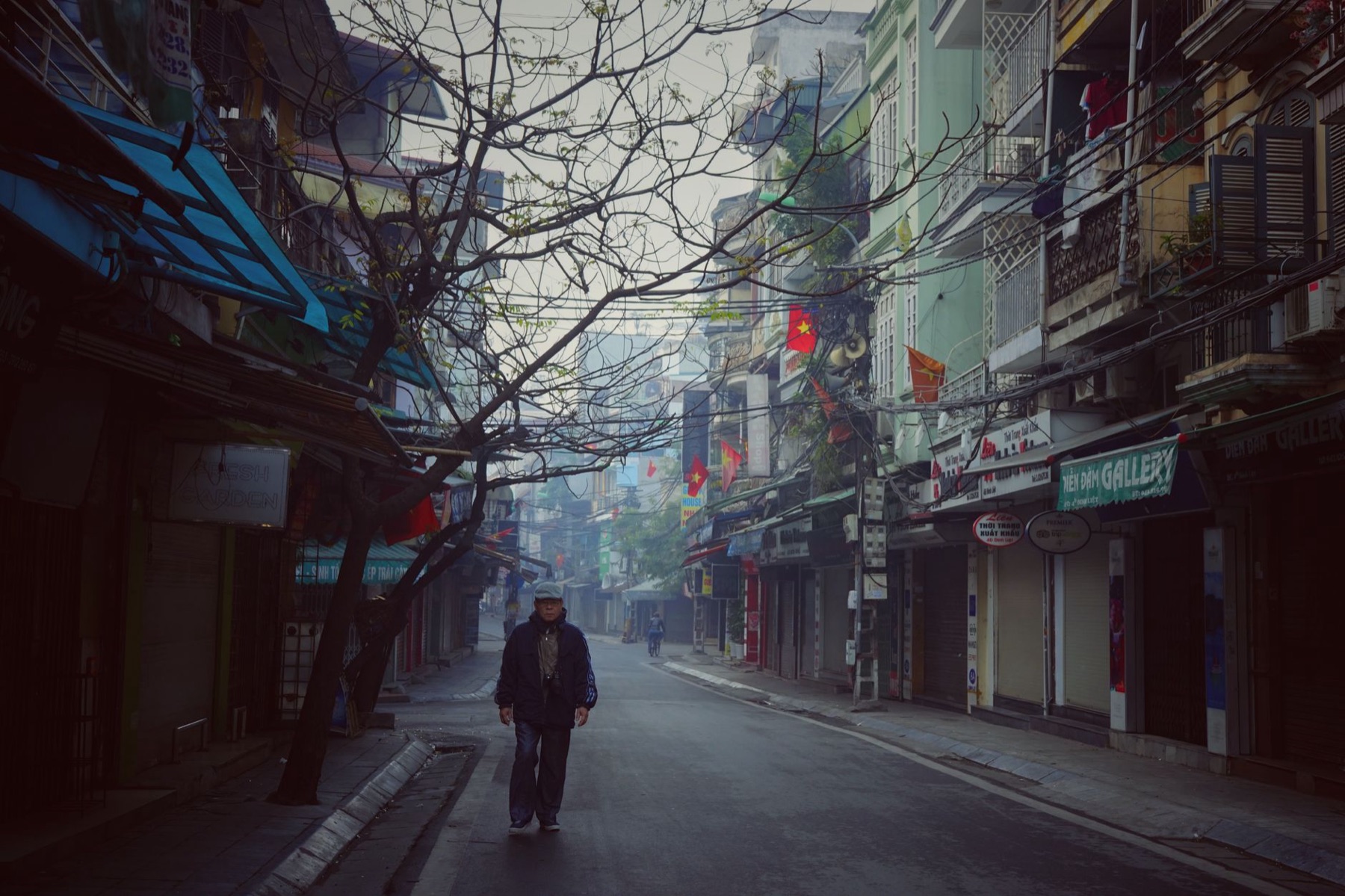
- Pho stalls in Dong Da and Ba Dinh before 9 a.m.: Locals queue, broth is deep, prices are fair. No signage needed—follow the crowd.
- Bun cha alleys near Hang Manh at 11:30 a.m.: Plastic stools, pork is grilled on-site, herbs are fresh. Expect crowds and zero English.
- Com tam shops in Tay Ho residential streets: Breakfast and lunch only, prices stay low (40,000–60,000 VND / $1.60–2.40 USD), zero tourism markup.
- Mid-range sit-down spots (banh mi cafes, regional seafood) off Old Quarter main streets (Hang Gai side alleys): Better value than Hang Noi strip, reservations usually needed for dinner.
Skip:
- Ta Hien Street pubs and restaurants: Overpriced, portion-heavy, tourist-oriented. A beer costs 50,000+ VND ($2 USD) vs. 15,000–20,000 VND ($0.60–0.80 USD) elsewhere.
- Restaurant chains and branded "Hanoi Pho" in shopping centers: Sanitized, marked-up, miss the street-food soul.
- Seafood restaurants in Old Quarter without a local recommendation: High prices, unclear sourcing, tourist-trap portion sizes.
- Egg coffee on Hang Noi and Hang Hanh streets: 100,000+ VND ($4 USD), slow service. Go to a side-alley cafe instead.
🎟️ Compare tours & tickets for this place
How to Find and Order Without Speaking Vietnamese—And Avoid Scams
Step-by-step to a good meal:
- Eat breakfast (5:30–8 a.m.) or lunch (11 a.m.–1 p.m.), not dinner. Prices drop, queues are real locals, and you'll eat better.
- Ask your hotel staff (concierge, owner) for the nearest pho, bun cha, or com tam shop in their neighborhood. They know the real places.
- Walk into a shop with plastic stools, a visible kitchen, and no English menu. If everyone inside is eating the same dish (pho or bun cha), that's the focus—order that.
- Point to a dish at another table or say the name: "Pho bo" or "Bun cha" + hold up one or two fingers for quantity. Staff rarely speak English but understand numbers.
- Confirm the price before sitting. Point to the menu board or another table and ask "Bao nhieu?" (how much?). Write it down.
- Watch the kitchen. Pho should simmer in broth; banh cuon should be hand-rolled fresh; grilled meat should be grilled, not pre-cooked.
- Pair with a beer or soft drink (15,000–30,000 VND / $0.60–1.20 USD) to feel local and aid digestion.
Common scams and how to avoid them:
- "Fresh vegetable" upsell: Seller adds a small dish of greens after you order, charges 30,000–50,000 VND ($1.20–2 USD). Say "Khong can" (not needed) upfront.
- Seafood weight charge without disclosure: Always ask "Chi trich bao nhieu tien?" (How much per kilo?) before the dish is cooked. Confirm the final weight and price.
- Inflated bill or extra items: Tourist restaurants add "service" or "mineral water" charges silently. Ask for an itemized receipt ("Hoa don chi tiet") if the total seems high.
- Expired or low-quality meat: Pho and bun cha should smell clean and savory, not funky. Trust your nose; leave if something feels off.
- Closed kitchens (no visibility): Closed kitchens hide meat quality and cooking shortcuts. Avoid restaurants where you can't see the grill or pot.
📸 Book an ao dai photoshoot in Hanoi or Saigon (Cáo Studio)
Best Vietnamese Restaurants by Neighborhood: A Quick Checklist Before You Go
Old Quarter (Hoan Kiem area):
- ✓ Pho stalls in Hang Dieu and Hang Gai side streets (5–8 a.m.)
- ✓ Banh mi vendors on street corners (7–11 a.m.)
- ✓ Egg coffee cafes on Hang Manh (8 a.m.–6 p.m., aim for early morning)
- ✗ Avoid: Ta Hien Street restaurants after 6 p.m.; Hang Noi tourists prices
Dong Da district:
- ✓ Com tam stalls (11 a.m.–2 p.m., zero tourists, cheap)
- ✓ Pho shops (5:30–9 a.m., breakfast focus)
- ✓ Bun cha sit-downs (11 a.m.–1 p.m., mid-range prices)
- ✗ Avoid: Late lunch or dinner; shops close by 2 p.m.
Tay Ho (northwest lake):
- ✓ Lakeside mid-range restaurants (banh mi, salads, grilled fish; good for lunch)
- ✓ Local breakfast pho shops in side streets
- ✓ Expat-friendly cafes (higher prices, English-speaking staff)
- ✗ Avoid: Waterfront dinner spots (premium markup, tourist crowds)
Ba Dinh (near Ho Chi Minh Mausoleum):
- ✓ Old-school pho and bun cha (early morning, very local)
- ✓ Com tam stalls (lunch only, authentic)
- ✓ Street vendors (banh hoai, banh cuon at 6–9 a.m.)
- ✗ Avoid: English menus here = tourist restaurant; stick to corner stalls
Long Bien (northeast, industrial):
- ✓ Grilled fish and seafood (riverside, mid-range, minimal tourists)
- ✓ Worker-class pho and bun cha (cheap, no-frills, 5:30–11 a.m.)
- ✗ Avoid: Dinner reservations hard to arrange; go for lunch instead
---
Before booking or entering any Hanoi restaurant, check these five things:
- Time of day: Breakfast (5:30–8 a.m.) and lunch (11 a.m.–1 p.m.) beat dinner 100x. Prices drop, food is fresher, locals are there.
- Kitchen visibility: Can you see the grill, pots, or herb bins? Closed kitchens hide shortcuts.
- Price transparency: Is there a menu board (hand-written or plastic) with prices? If not, ask before ordering and write it down.
- Language: English menu + laminated pages + prices in USD = tourist markup. Seek plastic stools, local diners, no English.
- Crowd timing: Pho stalls empty by 9 a.m. Com tam shops close by 2 p.m. Bun cha peaks 11 a.m.–1 p.m. Time your visit to match the rush—that's when food is freshest and cheapest.
More detailed guides to Vietnam's regions: see Hanoi, Ho Chi Minh City, Ha Long Bay, Ninh Binh, Sapa, and our main food pillar.
Traveling with a visa or eSIM? Check Vietnam e-visa and eSIM for Vietnam for seamless access before you arrive. Local SIM or eSIM lets you message your hotel, call restaurants, and use Google Maps without roaming charges.
FAQ
Why do pho and bun cha prices vary so much across Hanoi—same dish, 40,000 to 150,000 VND?
Location and timing. Breakfast pho stalls in Dong Da charge locals 40,000–60,000 VND ($1.60–2.40 USD); tourist-facing restaurants in Old Quarter charge 120,000–180,000 VND ($4.80–7.20 USD) for the same broth and rice noodles. Dinner is always more expensive than lunch. Ask locals for neighborhood stalls, not Google reviews.
Which Hanoi dish is most authentic—one I can't find outside Vietnam?
Bun cha and com tam are Hanoi signatures; you won't find them elsewhere with the same quality. Pho bo exists globally, but Hanoi's pho broth is simmered 12+ hours by family recipes—copy restaurants use concentrate. Eat bun cha at a plastic-stool place (60,000–80,000 VND / $2.40–3.20 USD) before 1 p.m. for the real thing.
Do I need to book a table at Hanoi restaurants, or is walk-in always fine?
Walk-in is fine for breakfast and lunch spots (no reservations taken). Sit-down bun cha and mid-range banh mi cafes accept walk-ins but get crowded 11 a.m.–1 p.m. Dinner restaurants (grilled fish, regional seafood) usually need a booking. Call your hotel to reserve or use phone number from local signage (Thai, Vietnamese staff will take your call).
What's the fastest way to find a good restaurant as a non-Vietnamese speaker?
Ask your hotel staff, concierge, or a local taxi driver for "pho" or "bun cha" near you—they'll give an address or directions. Walk there early (before 9 a.m. for pho, 11 a.m. for bun cha). Follow crowds entering the shop. Point at a dish at another table and nod. No English needed; repetition and observation work faster than menus.
Can I get a "safe" tourist-friendly Vietnamese restaurant that's also affordable and authentic?
Yes—look for mid-range cafes in Old Quarter side streets (Hang Gai, Hang Dieu alleys, not main streets). They have simple English menus, plastic or wooden stools, visible kitchens, and prices 30–40% lower than Ta Hien or Hang Noi. Bun cha and banh mi are the safest bets: hard to ruin, widely available, affordable (80,000–150,000 VND / $3.20–6 USD per person). Lunch only.
Is it rude to eat breakfast or lunch at a place that also serves dinner, or should I go at a specific time?
Go at the shop's natural peak (5:30–8 a.m. for pho stalls, 11 a.m.–1 p.m. for bun cha and com tam). Eating at peak times supports the kitchen's rhythm and ensures the freshest food. Eating at an off-time (late afternoon) can mean waiting while food is reheated. Staff expect breakfast crowds; they expect lunch crowds; they do not expect dinner at a pho stall. Respect their schedule, and you'll eat better.
FAQ
Why do pho and bun cha prices vary so much across Hanoi—same dish, 40,000 to 150,000 VND?
Location and timing. Breakfast pho stalls in Dong Da charge locals 40,000–60,000 VND ($1.60–2.40 USD); tourist-facing restaurants in Old Quarter charge 120,000–180,000 VND ($4.80–7.20 USD) for the same broth and rice noodles. Dinner is always more expensive than lunch. Ask locals for neighborhood stalls, not Google reviews.
Which Hanoi dish is most authentic—one I can't find outside Vietnam?
Bun cha and com tam are Hanoi signatures; you won't find them elsewhere with the same quality. Pho bo exists globally, but Hanoi's pho broth is simmered 12+ hours by family recipes—copy restaurants use concentrate. Eat bun cha at a plastic-stool place (60,000–80,000 VND / $2.40–3.20 USD) before 1 p.m. for the real thing.
Do I need to book a table at Hanoi restaurants, or is walk-in always fine?
Walk-in is fine for breakfast and lunch spots (no reservations taken). Sit-down bun cha and mid-range banh mi cafes accept walk-ins but get crowded 11 a.m.–1 p.m. Dinner restaurants (grilled fish, regional seafood) usually need a booking. Call your hotel to reserve or use phone number from local signage (Thai, Vietnamese staff will take your call).
What's the fastest way to find a good restaurant as a non-Vietnamese speaker?
Ask your hotel staff, concierge, or a local taxi driver for "pho" or "bun cha" near you—they'll give an address or directions. Walk there early (before 9 a.m. for pho, 11 a.m. for bun cha). Follow crowds entering the shop. Point at a dish at another table and nod. No English needed; repetition and observation work faster than menus.
Can I get a "safe" tourist-friendly Vietnamese restaurant that's also affordable and authentic?
Yes—look for mid-range cafes in Old Quarter *side streets* (Hang Gai, Hang Dieu alleys, not main streets). They have simple English menus, plastic or wooden stools, visible kitchens, and prices 30–40% lower than Ta Hien or Hang Noi. Bun cha and banh mi are the safest bets: hard to ruin, widely available, affordable (80,000–150,000 VND / $3.20–6 USD per person). Lunch only.
Is it rude to eat breakfast or lunch at a place that also serves dinner, or should I go at a specific time?
Go at the shop's natural peak (5:30–8 a.m. for pho stalls, 11 a.m.–1 p.m. for bun cha and com tam). Eating at peak times supports the kitchen's rhythm and ensures the freshest food. Eating at an off-time (late afternoon) can mean waiting while food is reheated. Staff expect breakfast crowds; they expect lunch crowds; they do not expect dinner at a pho stall. Respect their schedule, and you'll eat better.