Hanoi
Best Vietnamese Restaurants in Hanoi: Where to Eat Well
By Wander in Vietnam editorial team · Hanoi, Vietnam
Hanoi's restaurant scene splits between Old Quarter hole-in-the-walls (Hoàn Kiếm district) that specialise in one dish—pho, bún chả, chả cá—and Ba Đình venues mixing traditional and contemporary styles. Pho 10 (Phố Lý Quốc Sư) serves beef noodle soup around 40,000–60,000 VND (USD $1.60–$2.40); Bún Chẳ Đắc Kim (Đường Thành) offers grilled pork with noodles for similar cost. Chả cá—turmeric fish—costs 80,000–120,000 VND ($3.20–$4.80) at specialists like Nhà Hàng Chả Cá Thủy Hồng. Avoid tourist-trap zones near Hoàn Kiếm Lake and eat where locals queue. Most open 10:00–21:00; close one day per week. Book Cáo Studio for ao dai photos before dining to complete your Hanoi meal story. See Wander in Vietnam for the full Old Quarter dining guide. 🗺️ Plan your route: Vietnam itinerary
What makes a Hanoi restaurant worth your time—not just Instagram-famous?
Real Hanoi eateries stay open for decades by nailing one dish and keeping prices honest. A pho joint with a 40-year lease serves broth simmered 12+ hours; a bún chả stall buys grilled pork from the same supplier every morning. Tourist restaurants pivot menus monthly; locals ignore them. The difference shows in consistency—your bowl tastes the same on day one and day 100. Check if locals outnumber tourists at lunch (11:30–13:00); if so, quality follows.
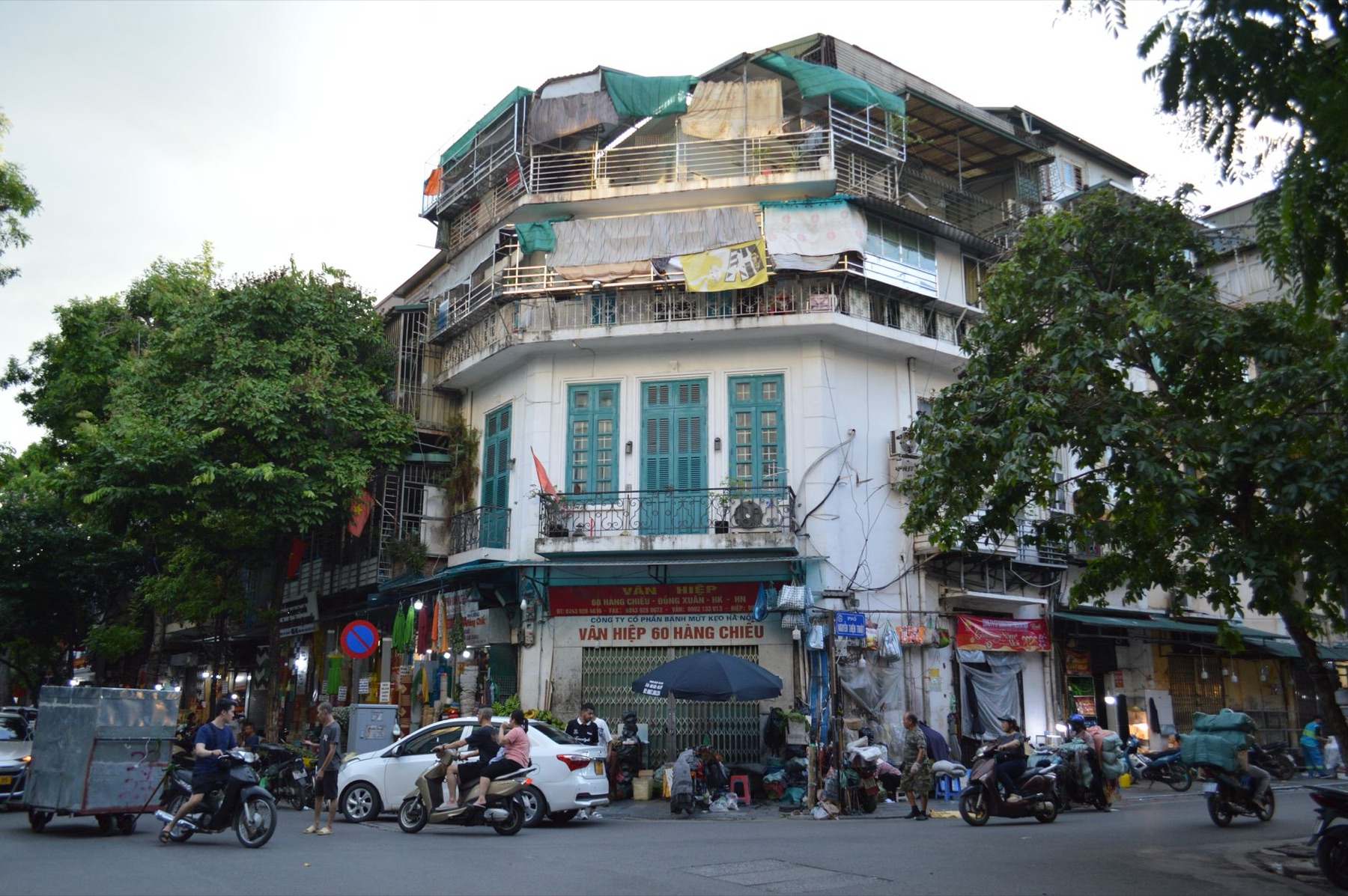
Where do residents actually eat in Hoàn Kiếm—and why?
Hoàn Kiếm's restaurant map centres on specialisation: each street hosts 8–12 stalls doing one thing expertly. Phố Lý Quốc Sư means pho; Phố Bát Đàn means egg roll and noodle shops; Đường Thành means bún chả. Nhà Hàng Hồng Hoài (20 Phố Bát Đàn) blends traditional northern dishes—canh chua (sour broth), cơm tấm (broken rice)—in a colonial-era building. Pho 10 (10 Phố Lý Quốc Sư) opens 06:00, closes mid-afternoon (13:00–14:00) when stock runs out; go early. Bún Chẳ Đắc Kim (67 Đường Thành) grills pork over charcoal in open kitchen; smoke and smell mean it's working. Locals eat here because rent hasn't climbed, menus haven't changed, and portions beat other districts 2:1.
📸 Book an ao dai photoshoot in Hanoi or Saigon (Cáo Studio)
Which restaurants blend tradition with comfort—no compromise?
Ba Đình district hosts restaurants that retain Vietnamese soul while offering air-con, English menus, and bookable tables. Quan An Ngon (34 Phố Phan Đình Phùng) runs an open kitchen where chefs work stations (pho, bánh mì, spring rolls) and you watch your meal assemble. Nhà Hàng Hưng Phát (7 Đường Điện Biên Phủ) serves home-style dishes—cáy nước dừa (duck in coconut), cá kho tộ (braised fish)—in a quiet shophouse. Quán Ăn Ngon - Phan Bội Châu (18 Phố Phan Bội Châu) offers similar model: stations, no frills, 60,000–90,000 VND (USD $2.40–$3.60) per diner. These suit groups and first-timers who want to see how food is made. Reserve 2–3 hours ahead on weekends; walk-ins wait 20–30 minutes at peak lunch.
How do specialty restaurants—chả cá, bún chả—differ in price and quality?
| Dish | Restaurant | Location | Typical Price (VND/USD) | Best For | Booking? |
|---|---|---|---|---|---|
| Chả cá (turmeric fish) | Nhà Hàng Chả Cá Thủy Hồng | 12 Hàng Gà, Hoàn Kiếm | 100,000–120,000 / $4–$4.80 | Solo diners, lunch | No—queue |
| Bún chả | Bún Chẳ Đắc Kim | 67 Đường Thành | 50,000–70,000 / $2–$2.80 | Groups of 2–4 | No—walk-in |
| Mixed northern | Porte D'Annam | 22 Phố Nhà Thờ | 80,000–150,000 / $3.20–$6 | Couples, dates | Yes—online |
| Pho | Pho 10 | 10 Phố Lý Quốc Sư | 40,000–60,000 / $1.60–$2.40 | Breakfast rush | No—cash only |
| Station cuisine | Quan An Ngon | 34 Phố Phan Đình Phùng | 70,000–100,000 / $2.80–$4 | Families | Yes—phone ahead |
Specialty places (chả cá, bún chả) stay cheaper and faster because they don't buy menus—they buy ingredients for one dish. Turmeric fish costs more (turmeric imported, fish daily) but smaller portion; bún chả is faster (grill ready by 10:00). Station restaurants charge more because space and staffing cost extra; you pay for comfort and spectacle.
What mistakes do visitors make—and how to sidestep them?
Do NOT:
- Eat at restaurants within 200 m of Hoàn Kiếm Lake shoreline after 18:00 (tourist pricing, rushed service, frozen ingredients).
- Assume "open now" means open all day; close at 14:00 or 15:00 when supply ends (pho, chả cá, bún chả especially).
- Order without checking if dish is available—ask "Có [dish name] hôm nay không?" (Do you have [dish] today?).
- Pay credit card at small stalls; carry VND cash (small notes; few places have change machines).
- Book a table at one-dish places (Pho 10, Bún Chẳ Đắc Kim); they don't take reservations and move fast.
DO:
- Eat lunch 11:30–13:00 when staff cooks at speed (ingredients fresh, queues manageable).
- Ask locals in your guesthouse or hotel which dish that restaurant is famous for before walking in.
- Go with 1–2 other people to small stalls; groups of 5+ struggle to find tables.
- Download a translation app; many staff speak no English below Ba Đình.
- Bring hand sanitizer; hygiene standards vary (most are safe, but you control your own risk).
🎟️ Compare tours & tickets for this place
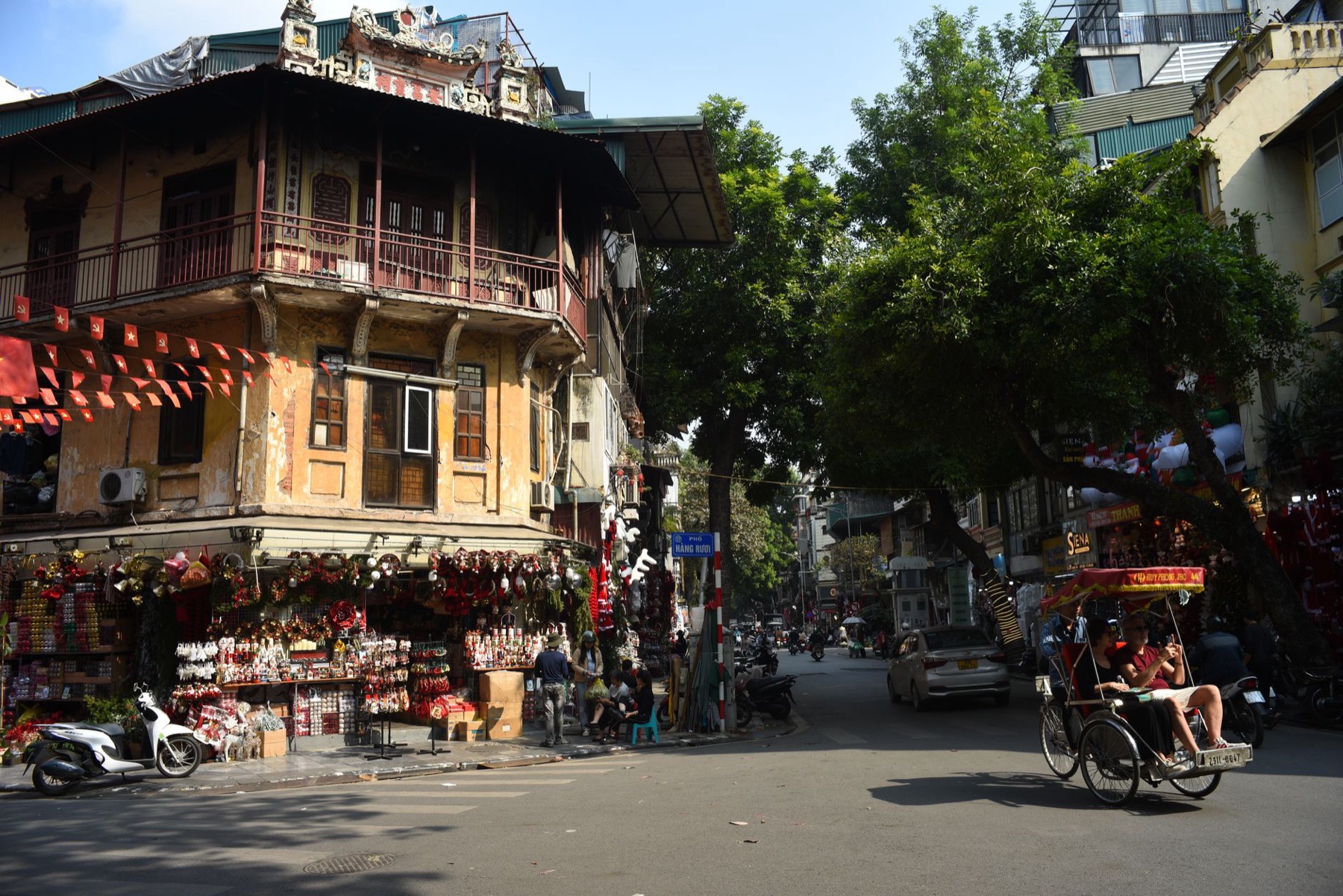
Which restaurants work best if you want to watch food being made?
Tung's Kitchen (2 Phố Hàng Bông, Hoàn Kiếm) sits in an open kitchen where noodle makers and fryers work visible. Chay Aummee (26 Phố Châu Long, Ba Đình) is a vegetarian restaurant with open prep; useful if you need meat-free meals. Little Hanoi (16 Phố Hàng Bè, Hoàn Kiếm) has a small counter where you can see grilling and broth work. Cửa Hàng Bún Chả Hương Liên (24 Phố Lê Văn Hưu, Hai Bà Trưng) opens its grill to the street; passers-by stop to eat based on smell and theatrics. These suit food writers, students of Vietnamese cooking, and anyone who eats with their eyes first. No air-con at most; go during cooler hours (06:00–10:00, 15:00–17:00) if heat bothers you.
---
Before you reserve or walk in—check these boxes:
- Is the dish available today? Call or message 1 hour before (pho, chả cá, bún chả run out by 13:00–14:00).
- Do they take card? Assume cash only; ask "Có chấp thẻ không?" before ordering if you have no VND.
- How long is the wait? Weekday lunch (11:30–13:00) = 10–15 min; weekend = 30–45 min at popular spots.
- Are drinks included? Most serve free hot tea; soft drinks cost 10,000–20,000 VND ($0.40–$0.80).
- Can you eat alone? All listed restaurants welcome solo diners; pho and chả cá cater to them specifically.
- Is it quiet or loud? Old Quarter = street noise, shouted orders, metal chairs scraping (yes to all 3). Ba Đình = softer, enclosed, bookable.
---
How does cost-per-meal compare across Hanoi's neighbourhoods?
Old Quarter (Hoàn Kiếm, Hai Bà Trưng): Pho 10, Bún Chẳ Đắc Kim, Nhà Hàng Chả Cá Thủy Hồng = 40,000–120,000 VND per person ($1.60–$4.80).
Ba Đình: Quan An Ngon, Nhà Hàng Hưng Phát, Chay Aummee = 70,000–150,000 VND ($2.80–$6).
Old Quarter + comfort blend: Nhà Hàng Hồng Hoài, Porte D'Annam, Little Hanoi = 60,000–150,000 VND ($2.40–$6).
Old Quarter costs half of Ba Đình because real estate is cheaper (historic buildings rent at fixed rates, landlords live upstairs). Ba Đình costs more because restaurants are newer, air-conditioned, and staffed for English speakers. Neither is "better"—they serve different purposes. Eat cheap in Old Quarter for breakfast; book Ba Đình for evening when you want a calm table and a menu in English.
---
Should you use a guide, app, or just walk in?
Walk in. Hanoi's best restaurants don't advertise; they stay open because locals queue every day at 11:45. Apps list tourist restaurants first (higher commission); guides take commission and hustle you to their partner spots. Our approach: eat where you see locals, ask your guesthouse staff which dish a place is famous for, show up at lunch, bring cash. If the restaurant has a 10-minute queue at 12:00 noon on a Wednesday, its food is honest. If it's empty at 12:30, skip it.
---
How does Hanoi's restaurant culture differ from Ho Chi Minh City?
Hanoi portions are smaller, prices lower, dishes more regional (northern specialities: chả cá, phở, bún chả). Saigon portions are larger, prices higher, menus broader (southern staples: bánh mì, cơm tấm, cà ri gà). Hanoi restaurants open 06:00–14:00 for lunch and 17:00–21:00 for dinner (closed in between). Saigon stays open all day. Hanoi queues; Saigon has reservations systems. If you're visiting both cities, see Ho Chi Minh City dining guide for comparison. Northern Vietnam's full itinerary is at Hanoi guide and Ninh Binh for day-trip restaurants.
---
FAQ
Can I make a reservation at pho and bún chả places?
No. These fast-turnover stalls (Pho 10, Bún Chẳ Đắc Kim) don't hold tables; arrive 11:45–12:15 or 17:30–18:15 to avoid waits. Ba Đình and open-kitchen spots (Quan An Ngon, Nhà Hàng Hưng Phát) take phone bookings 2–3 hours ahead.
Which restaurant is best for a first-time visitor?
Quan An Ngon (Ba Đình) or Nhà Hàng Hồng Hoài (Old Quarter). Both show how Vietnamese dishes are made, staff speak some English, and you won't feel rushed. Go 11:45–13:00 for fastest service.
Are prices listed online accurate?
No. Hanoi restaurants don't publish menus; prices rise 5–10% yearly and vary by ingredient cost. Add 10,000–20,000 VND ($0.40–$0.80) to any estimate. Specialty dishes (chả cá, bún chả) hold prices steadier because supply is fixed.
What if I'm vegetarian or vegan?
Chay Aummee (Ba Đình) is vegetarian-only. Most other restaurants serve vegetable broths (canh chua) and tofu on request; ask "Không có thịt, không cá" (No meat, no fish). Arrive during lunch rush—stalls move faster and have fresher vegetables.
Is it safe to eat at street stalls in Old Quarter?
Yes. Busy, consistently busy stalls (lines at noon) maintain higher hygiene because reputation depends on repeat customers. Avoid nearly-empty stalls and always watch food being cooked. Bring hand sanitizer. Your immune system will adapt within 3–4 days.
How much should I tip?
Tipping is not customary in Vietnam. Round up the bill or leave small change (5,000–10,000 VND / $0.20–$0.40) for table service at Ba Đình restaurants. Skip it at fast-food stalls; it confuses staff.
Which restaurants are open on Sundays and Mondays?
Most listed venues (Quan An Ngon, Nhà Hàng Chả Cá Thủy Hồng) stay open 7 days. Call ahead to confirm; smaller stalls (Pho 10, Bún Chẳ Đắc Kim) may close one weekday (e.g., Mondays) to restock or rest. Check by messaging restaurant Facebook pages or asking your hotel.
Can I bring a large group (8+ people)?
Book Ba Đình venues (Quan An Ngon, Nhà Hàng Hưng Phát) 24 hours ahead; they'll push tables together. Old Quarter stalls won't accommodate groups; eat in shifts (4 people, 15 min, then next 4). Avoid peak lunch 12:00–13:00.
What's the difference between "Quán Ăn Ngon - Phan Bội Châu" and "Quan An Ngon"?
Same restaurant group; two locations. Phan Bội Châu is smaller, quieter, tighter reservation window. Ba Đình (Phố Phan Đình Phùng) is larger, easier to walk in. Choose Ba Đình if you want flexibility; Phan Bội Châu for intimacy. --- 🗺️ Explore Hanoi further: /hanoi | ✈️ Plan your full Vietnam trip | 🌸 Send flowers to a friend in Hanoi
FAQ
Can I make a reservation at pho and bún chả places?
No. These fast-turnover stalls (Pho 10, Bún Chẳ Đắc Kim) don't hold tables; arrive 11:45–12:15 or 17:30–18:15 to avoid waits. Ba Đình and open-kitchen spots (Quan An Ngon, Nhà Hàng Hưng Phát) take phone bookings 2–3 hours ahead.
Which restaurant is best for a first-time visitor?
Quan An Ngon (Ba Đình) or Nhà Hàng Hồng Hoài (Old Quarter). Both show how Vietnamese dishes are made, staff speak some English, and you won't feel rushed. Go 11:45–13:00 for fastest service.
Are prices listed online accurate?
No. Hanoi restaurants don't publish menus; prices rise 5–10% yearly and vary by ingredient cost. Add 10,000–20,000 VND ($0.40–$0.80) to any estimate. Specialty dishes (chả cá, bún chả) hold prices steadier because supply is fixed.
What if I'm vegetarian or vegan?
Chay Aummee (Ba Đình) is vegetarian-only. Most other restaurants serve vegetable broths (canh chua) and tofu on request; ask "Không có thịt, không cá" (No meat, no fish). Arrive during lunch rush—stalls move faster and have fresher vegetables.
Is it safe to eat at street stalls in Old Quarter?
Yes. Busy, consistently busy stalls (lines at noon) maintain higher hygiene because reputation depends on repeat customers. Avoid nearly-empty stalls and always watch food being cooked. Bring hand sanitizer. Your immune system will adapt within 3–4 days.
How much should I tip?
Tipping is not customary in Vietnam. Round up the bill or leave small change (5,000–10,000 VND / $0.20–$0.40) for table service at Ba Đình restaurants. Skip it at fast-food stalls; it confuses staff.
Which restaurants are open on Sundays and Mondays?
Most listed venues (Quan An Ngon, Nhà Hàng Chả Cá Thủy Hồng) stay open 7 days. Call ahead to confirm; smaller stalls (Pho 10, Bún Chẳ Đắc Kim) may close one weekday (e.g., Mondays) to restock or rest. Check by messaging restaurant Facebook pages or asking your hotel.
Can I bring a large group (8+ people)?
Book Ba Đình venues (Quan An Ngon, Nhà Hàng Hưng Phát) 24 hours ahead; they'll push tables together. Old Quarter stalls won't accommodate groups; eat in shifts (4 people, 15 min, then next 4). Avoid peak lunch 12:00–13:00.
What's the difference between "Quán Ăn Ngon - Phan Bội Châu" and "Quan An Ngon"?
Same restaurant group; two locations. Phan Bội Châu is smaller, quieter, tighter reservation window. Ba Đình (Phố Phan Đình Phùng) is larger, easier to walk in. Choose Ba Đình if you want flexibility; Phan Bội Châu for intimacy. --- [🗺️ Explore Hanoi further: /hanoi](/hanoi) | [✈️ Plan your full Vietnam trip](/vietnam/itinerary) | [🌸 Send flowers to a friend in Hanoi](https://hoalangthang.com)
More: Hanoi travel guide