Hanoi · Food
Bun Cha Hanoi: What To Order & Where To Eat Street Vendor Grilled Pork
By Wander in Vietnam editorial team · Hanoi, Vietnam
Bun cha is charcoal-grilled pork with noodles and herbs—Hanoi)'s most famous lunch. Learn what to order, expect to pay, and which neighborhoods serve the best.
Bun cha—grilled pork patties and belly over cold noodles with dipping sauce—is Hanoi's signature midday meal. We break down real prices, what to check before ordering, and which street vendors and casual restaurants deliver the authentic experience.
What exactly is bun cha and why is it Hanoi's signature dish?
Bun cha consists of two grilled pork components: nem nuong (minced pork patties, firm and smoky) and thit heo nuong (charred pork belly strips, fatty and caramelized). Both sit atop a bed of cold rice vermicelli noodles. You add pickled turnip, uncooked herbs (basil, mint, cilantro), cucumber, and dip both meat and noodles into a small bowl of nuoc mam (fish sauce) mixed with lime, sugar, and chili. The contrast—hot charred meat, cool noodles, bright herbs, funky sauce—defines Hanoi lunch culture.
🗺️ Plan your route: Vietnam itinerary
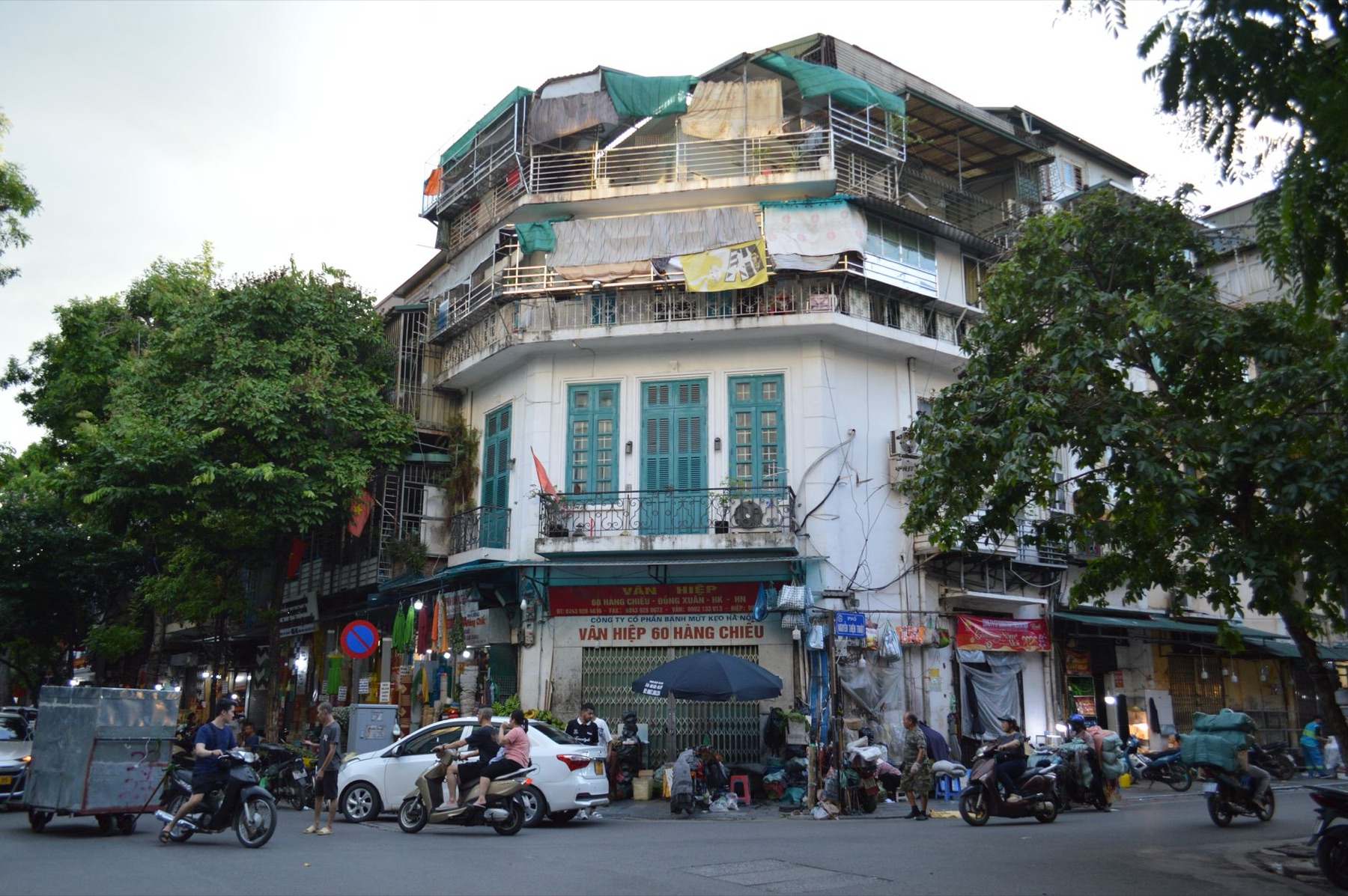
Where should you eat bun cha: street stall vs. restaurant?
Street stalls (typically Ba Dinh, Hoan Kiem, Dong Da districts) open 10:30 a.m.–1 p.m., offer the lowest prices (40,000–50,000 VND / $1.60–$2 USD), and serve faster-moving, fresher charcoal-grilled meat. Casual sit-down restaurants stay open longer (often 11 a.m.–8 p.m.), cost 60,000–100,000 VND ($2.40–$4 USD), come with plastic seating and printed menus, and allow lingering. Neither is inherently better—stalls taste smokier; restaurants offer comfort and cold beer. First-timers should hit a stall at 11:45 a.m. to watch grilling and avoid queues.
How much should you expect to pay, and what's included?
| Vendor Type | Price Range (VND) | Price Range (USD) | What's Included | Best For |
|---|---|---|---|---|
| Street stall (peak lunch) | 40,000–55,000 | $1.60–$2.20 | Grilled meat, noodles, herbs, sauce | Speed & authenticity |
| Casual neighborhood restaurant | 60,000–85,000 | $2.40–$3.40 | Same, plus seating & cold water | Comfort & longer sit |
| Upscale tourist-facing spot | 100,000–150,000 | $4–$6 | Enhanced plating, imported beer, AC | Convenience |
| Combo meal (bun cha + spring roll) | 70,000–110,000 | $2.80–$4.40 | Bun cha + 2–3 spring rolls | Full lunch experience |
Stalls rarely advertise; you pay cash when the bowl lands. Restaurants may print prices but negotiate isn't expected. Avoid menus in English at street level—they're a sign prices are inflated 2–3× for tourists.
📸 Book an ao dai photoshoot in Hanoi or Saigon (Cáo Studio)
What should you check before ordering—the real red flags?
Meat appearance: Grilled pork should glisten (fresh char and rendered fat), not look dry or pre-cooked hours earlier. If the vendor's charcoal grill is cold or meat sits under a cloth for hours, skip it.
Noodle freshness: Rice vermicelli should be pliable and cool, not mushy or damp. Ask "bun suon day?'" (are the noodles fresh today?) if skeptical.
Sauce clarity: Fish sauce should smell potent but not rotten; if it's oddly sweet or cloudy, the vendor cut corners with cheap stock or leftover sauce.
Vendor hygiene: Watch if they use one set of tongs or switch between raw and cooked meat. Hands should touch only cooked food or utensils, not both.
Herb quality: Basil and mint should be bright green and smell aromatic. Brown or wilted herbs indicate old stock or poor storage.
Portion size: Standard is 1 small bowl of meat (roughly 2–3 oz grilled pork), not heaping. If a vendor suddenly loads 2× more, they may be compensating for quality.
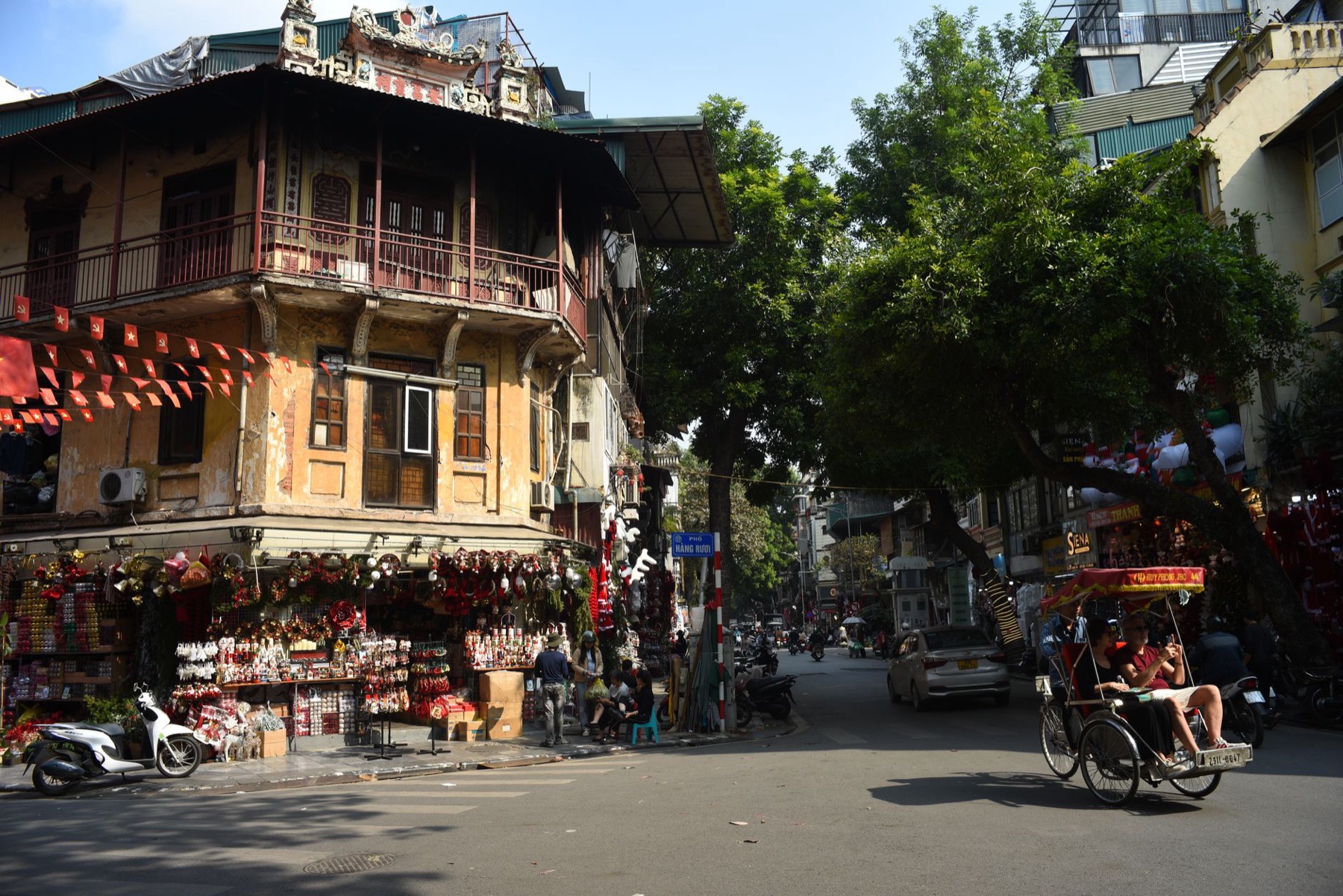
Which Hanoi neighborhoods have the best bun cha stalls?
Ba Dinh District (Tay Ho ward): Charming tree-lined streets near the Ho Tay waterfront host casual vendors around Thao Dien. Crowd builds 11:30 a.m.–1 p.m.; quieter after. Prices run 45,000–60,000 VND ($1.80–$2.40 USD).
Hoan Kiem District (central Old Quarter fringe): Cramped alleys south of Hang Dao street have high-turnover stalls. Arrive by 11:15 a.m. or expect sold-out meat by noon. 40,000–50,000 VND ($1.60–$2 USD).
Dong Da District (southeast of city center): Less touristy; vendor clusters appear near small wet markets (especially morning hours). Friendly locals, zero English menus. 40,000–55,000 VND ($1.60–$2.20 USD).
Kim Ma Ward (Ba Dinh): Quiet residential street with a few no-name stalls; lunch only. Prices reflect zero foot traffic markup: 40,000–45,000 VND ($1.60–$1.80 USD).
Avoid flashy storefronts on Trang Tien or Nguyen Hue if possible—they're tourist traps charging 120,000+ VND ($4.80+ USD) for the same bowl.
🎟️ Compare tours & tickets for this place
How does bun cha fit into Hanoi's broader food culture?
Bun cha anchors Hanoi's midday ritual. Office workers and construction crews eat it standing up or on plastic stools, finishing in 10 minutes. It's cheap, filling, and seasonal (vendor volume peaks May–October when charcoal grilling is comfortable). Alongside pho, banh mi, and egg coffee in Hanoi's food scene, bun cha represents skill-based street cooking—the vendor's ability to balance fat, smoke, and timing matters as much as ingredient quality.
If you're staying longer, try regional variants: bun cha ca (with fish), bun cha cua (with crab), or bun cha tom (with shrimp) at casual restaurants in Hang Manh or Thanh Nhan wards. Prices rise slightly (60,000–90,000 VND / $2.40–$3.60 USD) because seafood is pricier to grill.
---
What to check before you buy: the real-world checklist
- Charcoal is hot, not dead ash.
- Meat sizzles audibly when placed on grill, not silently.
- Noodles feel cool, not tepid.
- Fish sauce smells funky but not rotten (trust your nose).
- Vendor washes hands or changes gloves between tasks.
- Herbs are green and fragrant, not brown or limp.
- You pay after eating, not upfront (standard for stalls).
- No laminated color menu in English—a red flag for inflated tourist pricing.
---
🗺️ Explore [Hanoi's neighborhoods, markets, and cultural sites beyond food
If bun cha is your gateway to Hanoi eating culture, we recommend branching into nearby Hoi An for its cao lau and banh mi, Ha Long Bay for fresh seafood, and Ninh Binh for local crab and spring rolls to understand Vietnam's regional diversity.
For a keepsake of your Hanoi food journey, consider a framed Hanoi street scene print or personalized Vietnam travel journal to log your favorite stall locations and vendor names. We also recommend a Vietnam eSIM to stay connected while hunting street food and a Vietnam e-visa for smooth entry.
🌸 Send flowers to loved ones in Hanoi (Hoa Lang Thang)
---
FAQ
Is it safe to eat bun cha from street stalls?
Yes, if the vendor has high turnover and hot charcoal. Avoid stalls where meat sits uncovered in heat or crowds are absent. Watch hands and utensil hygiene. Stick to busy vendors with queues—that's proof meat moves fast and stays fresh.
Can I order bun cha at night?
Most stalls close by 2 p.m. and reopen briefly around 5–7 p.m. (fewer vendors). Restaurants stay open 11 a.m.–8 p.m. For the full street-stall experience, arrive 11:30 a.m.–1 p.m. Evening options exist but lack the midday energy.
What's the difference between bun cha and grilled pork skewers?
Bun cha uses hand-formed patties (nem nuong) and belly strips, grilled over charcoal, served cold over noodles. Skewers (thit nuong xa) are meat on sticks, often sold as standalone snacks. Bun cha is a complete, sauce-based bowl meal.
Do I need to speak Vietnamese to order bun cha?
No. Point to another customer's bowl or simply say "mot tia bun cha" (one bun cha). Stalls have minimal menus; the meat is already grilled. Herb and sauce customization is minimal at street level.
Should I tip at street stalls or restaurants?
Tipping is not expected at street stalls. At sit-down restaurants, 5–10% (rounding the bill up) is appreciated but optional. Many locals don't tip street vendors; it's not part of the culture, though never refused.
Is pork always the main protein, or are there vegetarian versions?
Pork dominates. Vegetarian bun cha exists at Buddhist restaurants but is rare; vendors focus on grilled meat sales. Vegetarians should ask for "bun chay" (vegetarian noodles) or bring a phrasebook to clarify tofu options.
FAQ
Is it safe to eat bun cha from street stalls?
Yes, if the vendor has high turnover and hot charcoal. Avoid stalls where meat sits uncovered in heat or crowds are absent. Watch hands and utensil hygiene. Stick to busy vendors with queues—that's proof meat moves fast and stays fresh.
Can I order bun cha at night?
Most stalls close by 2 p.m. and reopen briefly around 5–7 p.m. (fewer vendors). Restaurants stay open 11 a.m.–8 p.m. For the full street-stall experience, arrive 11:30 a.m.–1 p.m. Evening options exist but lack the midday energy.
What's the difference between bun cha and grilled pork skewers?
Bun cha uses hand-formed patties (nem nuong) and belly strips, grilled over charcoal, served cold over noodles. Skewers (thit nuong xa) are meat on sticks, often sold as standalone snacks. Bun cha is a complete, sauce-based bowl meal.
Do I need to speak Vietnamese to order bun cha?
No. Point to another customer's bowl or simply say "mot tia bun cha" (one bun cha). Stalls have minimal menus; the meat is already grilled. Herb and sauce customization is minimal at street level.
Should I tip at street stalls or restaurants?
Tipping is not expected at street stalls. At sit-down restaurants, 5–10% (rounding the bill up) is appreciated but optional. Many locals don't tip street vendors; it's not part of the culture, though never refused.
Is pork always the main protein, or are there vegetarian versions?
Pork dominates. Vegetarian bun cha exists at Buddhist restaurants but is rare; vendors focus on grilled meat sales. Vegetarians should ask for "bun chay" (vegetarian noodles) or bring a phrasebook to clarify tofu options.