Hanoi · Food
Cheapest Food in Hanoi: Real Prices & Where to Eat Under $2
By Wander in Vietnam editorial team · Hanoi, Vietnam
Hanoi's cheapest food isn't advertised. It lives in narrow alleys where plastic stools replace chairs, where grandmothers stir broth before dawn, and where a full meal costs less than a coffee in the West. We've eaten through these streets for years: the prices, the quality, the occasional regret, and the daily wins. This isn't aspirational—it's practical.
Where do locals actually eat cheap in Hanoi?
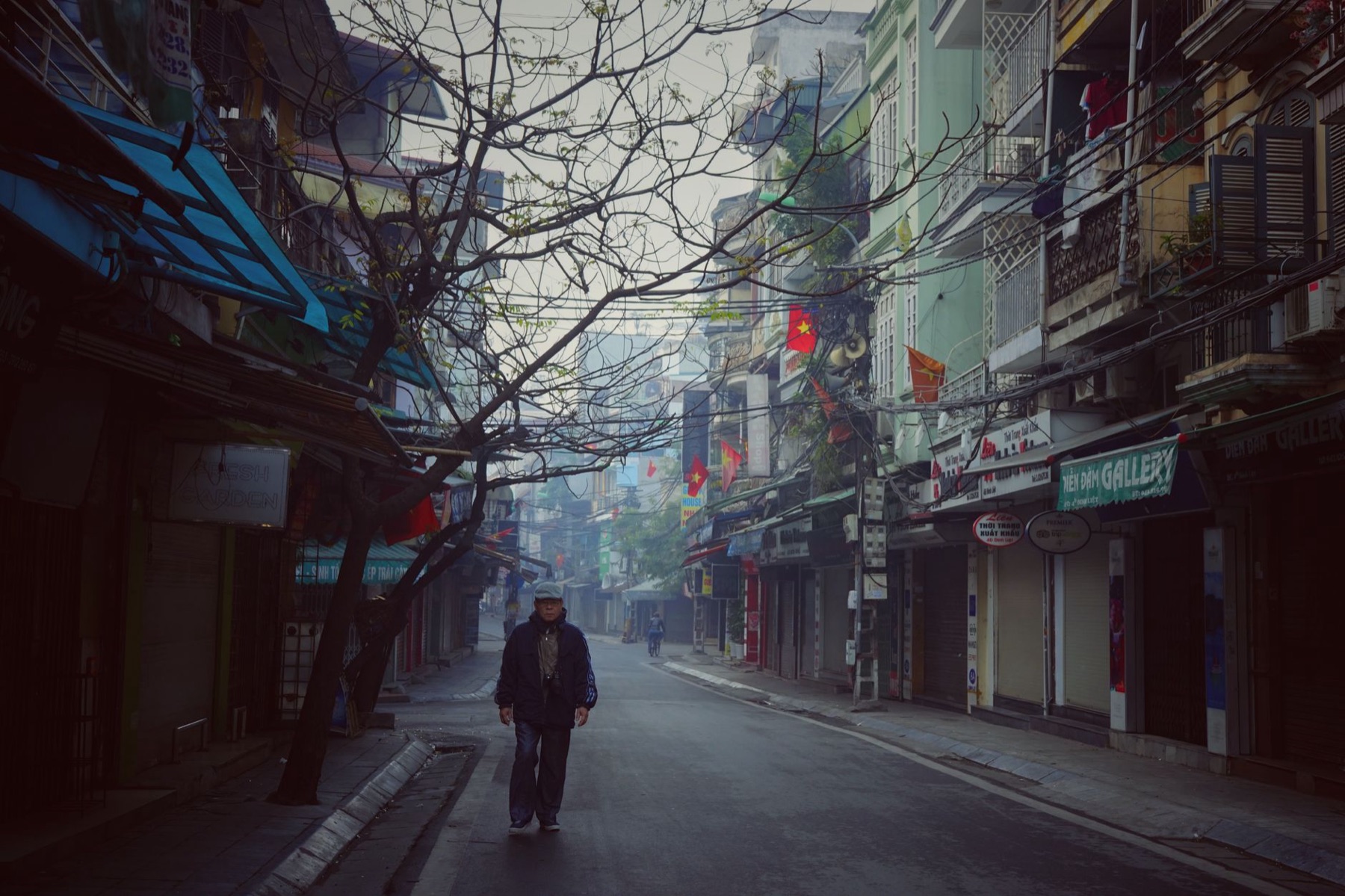
Old Quarter street stalls dominate. Alleys off Hang Dao, Hang Gai, and Ta Hien Street host tiny vendors open 6 a.m.–11 a.m. (breakfast) and 11 a.m.–2 p.m. (lunch). Pho stands cluster near Hoan Kiem Lake's northern edge. Dong Xuan Market (6 a.m.–6 p.m., three-storey building in Old Quarter) has food courts on upper floors where a full meal—rice, protein, greens—runs 25,000–40,000 VND ($1–$1.60). South of the lake, Tran Hung Dao District's smaller stalls cater to office workers, not tourists. These spots close by 3 p.m. Plan early.
🗺️ Plan your Hanoi route: Vietnam itinerary
How much do standard dishes cost?
| Dish | Typical Price (VND) | USD Equiv. | Size | Best For |
|---|---|---|---|---|
| Pho (bowl) | 30,000–50,000 | $1.20–$2 | Large | Breakfast, lunch |
| Banh mi (sandwich) | 15,000–25,000 | $0.60–$1 | Handheld | Quick snack |
| Com tam (broken rice plate) | 35,000–50,000 | $1.40–$2 | Full meal | Lunch |
| Bun cha (grilled pork + noodles) | 40,000–60,000 | $1.60–$2.40 | Bowl with sides | Lunch, dinner |
| Banh canh (thick tapioca noodles) | 25,000–40,000 | $1–$1.60 | Steaming bowl | Breakfast |
| Egg coffee (Ca phe trung) | 30,000–50,000 | $1.20–$2 | Small cup | Dessert, afternoon |
Prices spike 20–30% if you sit at a plastic table facing the street (tourists spot you). Same dish 10% cheaper if you eat standing or in a back corner. No menu board? Ask other diners or use Google Lens to photograph a neighbor's plate, then point and say "nhu the" (like that).
🎟️ Compare tours & tickets for this place
What's the difference between tourist spots and local stalls?
Tourist restaurants (Hang Dao tourist trap zone, Ta Hien Street, lakeside cafes) charge 80,000–150,000 VND ($3.20–$6) for the same pho a local pays 40,000 VND for. They're air-conditioned, English menus exist, and you won't get food poisoning—but you're overpaying 200%. Local stalls have:
- No English menus. Point or use phone translation.
- Plastic stools, open-air seating. Expect heat, motorbike noise, and zero ambiance.
- High turnover. Fresh ingredients (they restock by noon). Popular stalls empty by 1:30 p.m.
- No tips expected. Round up or leave 5,000 VND if you feel generous.
- Occasional hygiene risks. We've had stomach upset twice in five years—both from tourist-facing places mishandling ice, not local stalls. Cook your greens when offered.
The honest call: go local for value and flavor, but accept chaos. Tourist spots are insurance for your stomach and sanity.
Which neighborhoods have the cheapest consistent options?
Old Quarter (Hoan Kiem District). Pho, banh mi, banh canh, egg coffee. Most vendors 5:30 a.m.–2 p.m. Expect crowds, noise, narrow lanes. Breakfast rush 7–8:30 a.m. is slower if you go 6 a.m. or 9 a.m.
Dong Xuan Market (3 Dong Xuan Street). Food court stalls on floors 2–3. Open until 6 p.m. (later than street stalls). Cleaner than sidewalk alleys, still under $2 per meal. Less chaotic.
Hoan Kiem Lake south side (Tran Hung Dao area). Office-worker stalls, fewer tourists. Pho, com tam, banh mi. Lunchtime 11:30 a.m.–1:30 p.m. is peak. Quieter than Old Quarter.
Hang Be Water Gate area (near Hoan Kiem, northeastern edge). Morning pho queues, sidewalk banh mi vendors. 6–9 a.m. only. We go here to avoid Ta Hien Street nonsense.
Ba Trieu Street (past Hoan Kiem, westbound). Banh canh, pho, banh mi. Fewer tourists. Walk past the gate-heavy blocks; local spots hide 100m down side alleys.
📸 Book an ao dai photoshoot in Hanoi or Saigon (Cáo Studio)
What ordering mistakes cost money or cause stomach issues?
Mistake 1: Saying "yes" to everything offered. Vendors ask if you want greens, chili, extra protein. You nod to be polite. Bill doubles. Say "khong" (no) or "it" (a little) upfront.
Mistake 2: Not checking total before eating. Prices listed per bowl but vendors sometimes charge per topping. Ask "tong bao nhieu tien?" (how much total?) and they'll write it on your receipt or table.
Mistake 3: Ice from street carts. Hanoi tap water isn't drinkable. Ice made from it can upset stomachs. Drinks from sealed bottles or boiled water (pho broth) are safe. Coffee shops with high turnover (busy stalls) refreeze daily—lower risk than quiet shops.
Mistake 4: Cooked meat left in heat. Bun cha, banh mi with pate, grilled pork—buy early (before 12 p.m.). By 2 p.m., bacteria thrive. Peak-hour stalls (11 a.m.–noon) rotate stock fastest.
Mistake 5: "Cheap" storefronts with floor seating. Floor-level seats mean food prep happens above your head. Dust, hair, roach risk. Plastic stools at counter level are cleaner.
Checklist before ordering:
- ✓ Stall has a line of locals (good sign).
- ✓ Vendor washes hands between orders (or uses tongs).
- ✓ Meat sizzles on griddle when ordered (not sitting out).
- ✓ Broth steams actively (freshly boiled).
- ✓ Confirm price in Vietnamese before eating.
- ✓ Bottled or sealed drinks only (unless pho, which is boiled).
🗺️ Plan your Vietnam trip: /hanoi/food Hanoi food guide
How do we compare Hanoi's cheapest food to other cities?
Hanoi edges Ho Chi Minh City and Hoi An on price. Saigon stalls charge 10–20% more for the same bowl. Hoi An is tourist-inflated. Ha Long Bay and Ninh Binh are cheaper (30,000–40,000 VND meals), but fewer options—mostly pho and com tam. Sapa hill-town stalls are 15–25% pricier, catering to trekkers. Hanoi remains the value capital.
---
What to check before you buy (or order)
- Time of day. Eat 11 a.m.–1 p.m. (peak lunch, freshest food) or 6–7 a.m. (breakfast pho at dawn). After 2 p.m., many stalls shut and ingredients deteriorate.
- Vendor hygiene. Watch for running water, hand-washing, and use of tongs vs. bare hands. Busy stalls (lines visible) rotate stock faster.
- Meat color & smell. Pink pork? Brownish chicken? Walk away. Fresh meat is bright red or white.
- Price confirmation. Point, say "nhu the?" (like this?), and ask the total. No surprises at checkout.
- Backup meals. Carry a protein bar (we keep One Bars in bags). Not all stalls open past 2 p.m.; a missed lunch means dinner at a tourist spot.
- Cash only. Payphones and card readers are rare at street stalls. Carry 200,000 VND ($8) minimum.
---
What we recommend for different traveler types
Backpackers: Hit Old Quarter pho stalls 6–8 a.m., then Dong Xuan Market food court for lunch. Budget $3–$5 per day on food. Risk tolerance high.
Budget families: Stick to Dong Xuan (cleaner, English speakers help) and Hang Be Water Gate pho at breakfast. Less chaotic, slightly pricier ($1.50–$2 per meal), peace of mind intact.
Food adventurers: Alleys off Hang Dao, Ba Trieu Street, and Tran Hung Dao offer rare dishes—banh canh cua, pho cuon (fresh rolls)—at local prices. Bring translation app, eat where locals sit.
Risk-averse travelers: Tourist restaurants in Old Quarter (Pho Gia Truyen type spots, mid-range chains) cost $3–$6 but guarantee English menus, clean toilets, and familiar flavors. Not cheap, but predictable.
---
🎟️ Compare tours & tickets for this place
For deeper Hanoi planning, see our Hanoi guide and Vietnam itinerary planner. Need a SIM? Check our eSIM for Vietnam. Traveling light? Vietnam e-visa info. And if you're staying a week, book an ao dai photoshoot in Hanoi (Cáo Studio)—shoot in your favorite hawker stall alley for an authentic memory.
FAQ
Is street food in Hanoi safe?
Most is. Busy stalls with high turnover (long lines) are safest—ingredients rotate daily. Avoid meat sitting in heat for hours. Drink bottled water or pho broth (boiled); skip ice from carts. We've eaten Hanoi street food hundreds of times; stomach upset has come from tourist restaurants, not local stalls. Go early (before noon) for freshest food.
Do I need to speak Vietnamese to order?
No. Point at someone else's plate and say "nhu the" (like that), or use Google Lens to photograph a neighbor's bowl and show the vendor. For price, say "tong bao nhieu tien?" (how much total?). Most Old Quarter stalls understand basic hand signals. Bring a translation app for allergies (e.g., "khong tao" = no peanut).
What's the cheapest meal in Hanoi?
Banh mi for 15,000–25,000 VND ($0.60–$1) from a morning cart. Pho or com tam for 30,000–50,000 VND ($1.20–$2). A full day's food costs $2–$4 if you eat at local stalls three times. Tourist restaurants charge triple.
Why do prices differ by location?
Tourism premium. Stalls on Ta Hien Street or Hoan Kiem lakeside charge 50–100% more because tourists sit there. Same vendor, same dish, 200m away costs 40,000 VND instead of 60,000–80,000 VND. Locals eat in alleys off main roads, avoiding foot traffic.
How do I avoid scams at cheap stalls?
Confirm price before eating. Watch the bill being written. Tipping isn't expected (round up 5,000 VND if polite). Avoid "tourist discovery" stalls—if a guide or tuk-tuk driver pushes you there, it's marked up. Eat where locals queue, not where you see international flags.
Can I eat vegetarian cheaply in Hanoi?
Yes. Com tam (vegetarian broken rice plates), banh mi with tofu or no protein, pho chay (vegetable pho), and banh canh chay exist at most stalls. Order "an chay" (vegetarian) and point to others' plates. Prices are identical. Fewer English menus, but same value as meat meals.
FAQ
Is street food in Hanoi safe?
Most is. Busy stalls with high turnover (long lines) are safest—ingredients rotate daily. Avoid meat sitting in heat for hours. Drink bottled water or pho broth (boiled); skip ice from carts. We've eaten Hanoi street food hundreds of times; stomach upset has come from tourist restaurants, not local stalls. Go early (before noon) for freshest food.
Do I need to speak Vietnamese to order?
No. Point at someone else's plate and say "nhu the" (like that), or use Google Lens to photograph a neighbor's bowl and show the vendor. For price, say "tong bao nhieu tien?" (how much total?). Most Old Quarter stalls understand basic hand signals. Bring a translation app for allergies (e.g., "khong tao" = no peanut).
What's the cheapest meal in Hanoi?
Banh mi for 15,000–25,000 VND ($0.60–$1) from a morning cart. Pho or com tam for 30,000–50,000 VND ($1.20–$2). A full day's food costs $2–$4 if you eat at local stalls three times. Tourist restaurants charge triple.
Why do prices differ by location?
Tourism premium. Stalls on Ta Hien Street or Hoan Kiem lakeside charge 50–100% more because tourists sit there. Same vendor, same dish, 200m away costs 40,000 VND instead of 60,000–80,000 VND. Locals eat in alleys off main roads, avoiding foot traffic.
How do I avoid scams at cheap stalls?
Confirm price before eating. Watch the bill being written. Tipping isn't expected (round up 5,000 VND if polite). Avoid "tourist discovery" stalls—if a guide or tuk-tuk driver pushes you there, it's marked up. Eat where locals queue, not where you see international flags.
Can I eat vegetarian cheaply in Hanoi?
Yes. Com tam (vegetarian broken rice plates), banh mi with tofu or no protein, pho chay (vegetable pho), and banh canh chay exist at most stalls. Order "an chay" (vegetarian) and point to others' plates. Prices are identical. Fewer English menus, but same value as meat meals.
More: Hanoi guide · What to eat in Hanoi