Hanoi · Food
Eating in Hanoi: Local Eater's Guide to Real Food & Where to Buy It
By Wander in Vietnam editorial team · Hanoi, Vietnam
Hanoi's food culture doesn't revolve around restaurants—it revolves around timing, location, and knowing what not to order. The city's best meals happen at specific hours in specific alleys, and once you understand that rhythm, eating here stops being an activity and becomes the real reason you stay.
What's actually worth eating in Hanoi right now?
The short answer: pho, bun cha, egg coffee, and dishes you can't name yet because they're cooked by one person in one place. Forget the "carefully made" lists. Hanoi's signature foods are sold by people who've held the same corner or cart for decades. Pho appears everywhere—both excellent and dire—but the gap between a 25,000 VND ($1 USD) bowl and a 150,000 VND ($6 USD) tourist-trap version is the quality of broth (simmered 12+ hours) and freshness of beef. Bun cha (grilled pork over vermicelli with dipping sauce) tastes best when pork is still warm; eat it between 11 a.m. and 2 p.m. Egg coffee, invented in Hanoi, is whipped egg yolk and condensed milk over hot or iced coffee—novelty for visitors, ritual for locals on rainy afternoons. Street crab soup (soup cua), crunchy spring rolls (cha gio), and sneaky offal dishes (intestine, tendon, lung) define neighborhood loyalty more than any menu.
🗺️ Plan your route: Vietnam itinerary
The key: eat when locals eat (7–10 a.m. for pho, 11 a.m.–1 p.m. for lunch, 5–7 p.m. for dinner). After 8 p.m., quality drops and crowds thin.
Where do residents actually eat breakfast and lunch?
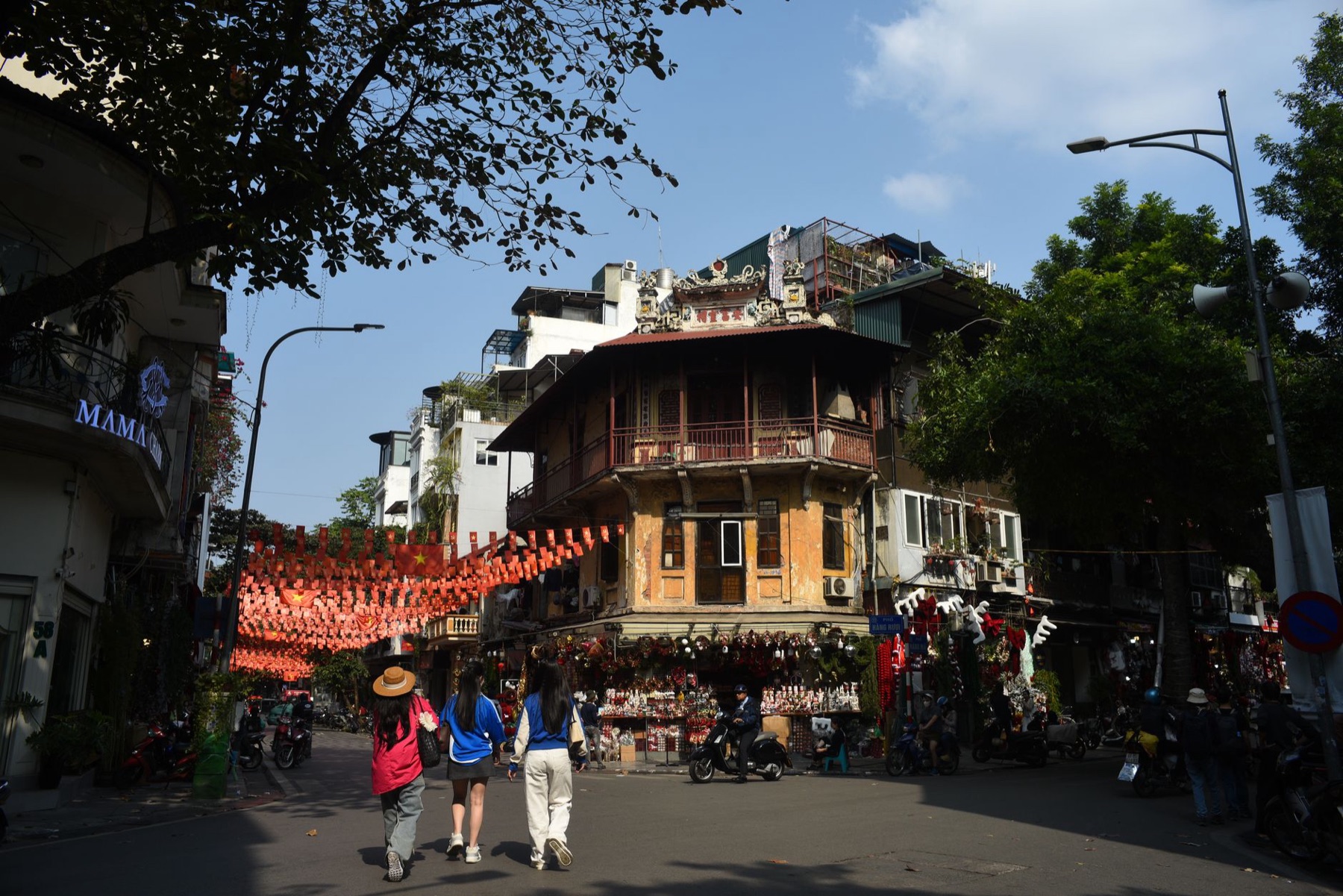
Old Quarter alleys (north and west of Hoan Kiem Lake) host some of Hanoi's most consistent food stalls, though tourists now crowd them. Hang Gai, Hang Ngang, and Ta Hien streets pulse with activity, but the real finds sit one alley deeper—follow locals, not signs. Down Pho Hue and into residential side streets, unmarked pho places serve regulars-only bowls from rolling carts or shop-front windows. South of the lake, Tay Ho and Ba Dinh districts house quieter, neighborhood joints without English menus or inflated prices. Hang Manh (northeast) specializes in crab and rich broths. Ly Quoc Su, Nguyen Huu Huan, and Nha Chung (all Old Quarter) hold specific dishes: one does only pho, another only bun cha, a third only snail soup (oc). Cost per dish: 25,000–80,000 VND ($1–$3.20 USD).
Lunch rush (11:30 a.m.–1 p.m.) is non-negotiable. Arrive early and you'll see ingredients go into pots; arrive at 1 p.m. and pork is half-gone, broth is thin, and plastic stools are sticky. The best test: if the place has no English sign and locals are elbow-to-elbow, eat there.
Why do some food souvenirs work and others are garbage?
Food gifts from Hanoi fall into two buckets: things actually made here, and tourist-shop repackaging of the same item sold cheaper at markets. Real Hanoi coffee (robusta beans from the north, roasted locally) comes vacuum-sealed from roasters in Ba Dinh or the Old Quarter; a bag costs around 80,000–200,000 VND ($3.20–$8 USD) and tastes measurably better than airport-shop versions. Shrimp paste (mam tom), pungent and essential to many dishes, is bought at wet markets in small plastic containers, not gift tins. Dried squid, salted egg yolks, and spice blends (star anise, cinnamon) are sold by weight at 20 Hang Dao Market or Dong Xuan Market—bargain hard, expect 40,000–120,000 VND ($1.60–$4.80 USD) per item—then pack them yourself.
The scam: "artisanal" coffee in fancy packaging at souvenir shops near Hoan Kiem Lake often costs 3–4× the same roasted beans at an actual roastery. Check the roast date (should be within 2 weeks) and buy only where you see the roaster working or smell the roast.
📸 Book an ao dai photoshoot in Hanoi or Saigon (Cáo Studio)
Best practice: visit Hanoi's major food markets early (6–8 a.m.) when stalls are fullest, buy 1–2 kg of goods, and use a small backpack. Prices drop 10–20% if you buy multiple items from one vendor.
How much should you actually spend per meal?
| Meal type | Where | Cost (VND) | Cost (USD) | Best time | What to check |
|---|---|---|---|---|---|
| Street pho (bowl) | Old Quarter cart or window | 25,000–50,000 | $1–$2 | 7–9 a.m. | Broth color (amber, not cloudy); beef pink, not gray |
| Bun cha (plate) | Hang Manh or alley stall | 40,000–80,000 | $1.60–$3.20 | 11 a.m.–1 p.m. | Pork still warm; dipping sauce has vinegar bite |
| Egg coffee (cup) | Cafe in Old Quarter | 30,000–60,000 | $1.20–$2.40 | 2–4 p.m. | Barista whips egg fresh; no curdled bits |
| Sit-down pho (bowl) | Neighborhood pho shop | 50,000–120,000 | $2–$4.80 | Any meal time | Fresh herbs on side; ask for rare beef on the side |
| Crab soup (bowl) | Hang Manh specialist | 60,000–150,000 | $2.40–$6 | 11 a.m.–2 p.m. | Crab visible; broth not watered down |
| Spring rolls, 6 pcs | Market stall | 20,000–40,000 | $0.80–$1.60 | Morning or lunch | Golden-brown skin; filling warm, not cold |
| Offal soup (bowl) | Old Quarter alley | 30,000–70,000 | $1.20–$2.80 | Morning | Meat tender, not rubbery; ask price first |
Honest take: A full day of eating (breakfast, lunch, snack, dinner) on the street costs around 150,000–250,000 VND ($6–$10 USD) if you eat where locals do. Tourist-facing restaurants charge 2–5× more for similar food and deliver worse quality.
What actually tastes different if you know the neighborhood?
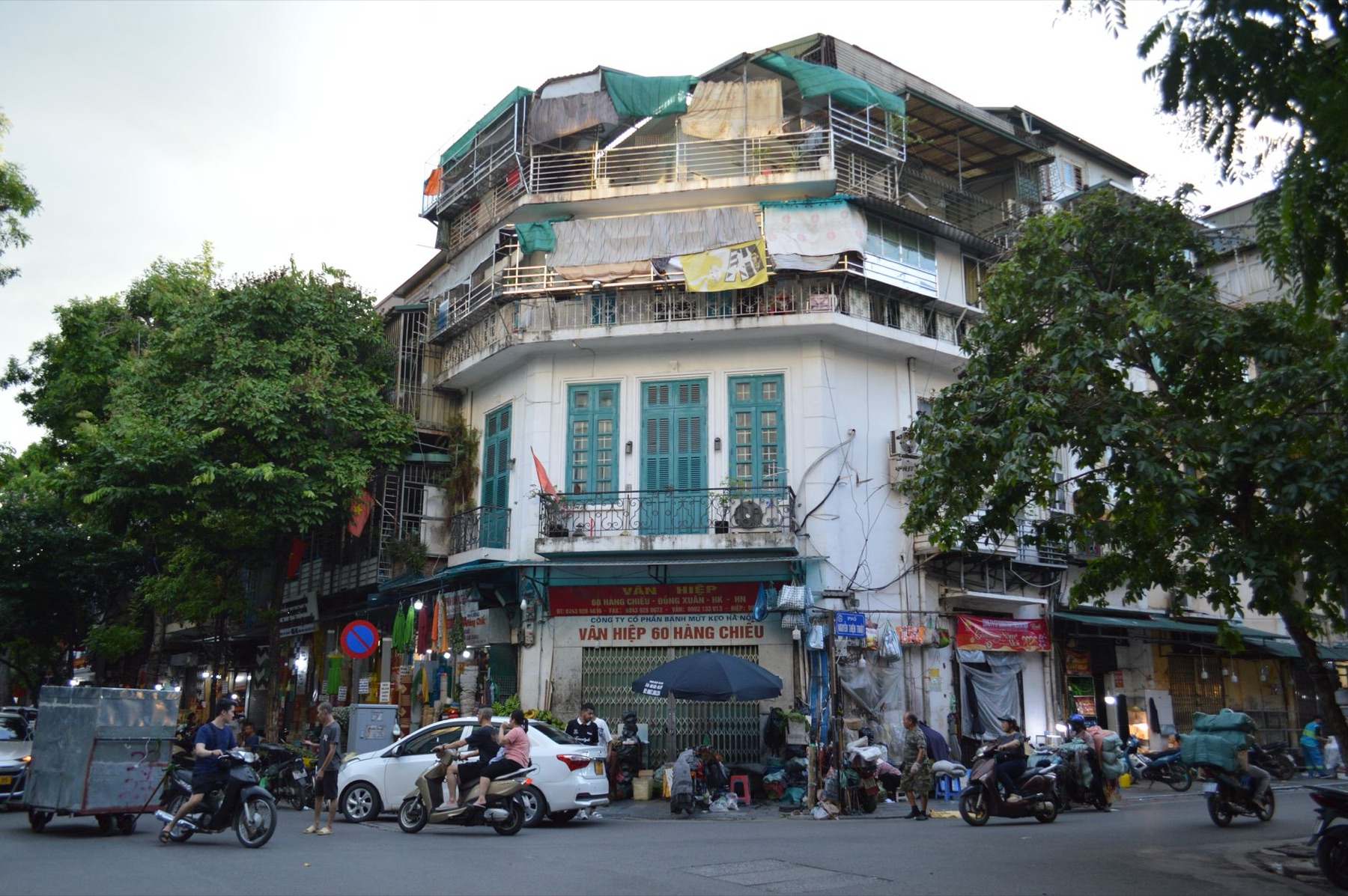
Hanoi's neighborhoods aren't geographic accidents—they're organized by what people cook. Hang Gai (Old Quarter) was silk traders' street; now it's packed with tourists and mediocre pho. Hang Ngang runs east toward Hoan Kiem and mixes locals with visitors; quality is mixed. One block deeper into Pho Hue, Nha Tho, or Nha Chung, you're eating at 7–8 a.m. with cyclo drivers and office workers, not other travelers. West of the lake, Tay Ho district (quieter, pricier) has fewer stalls but higher consistency; cost is 20–30% more. Ba Dinh has solid neighborhood joints (less crowded) and specialty spots for braised meats (thit kho) and bean sprout dishes (gia). Hai Ba Trung (south) is residential and authentic; you'll find rare foods like duck blood soup (tiet canh) here, though this dish is risky if hygiene is uncertain.
The pattern: the more foreign faces, the less authentic the food. Eat solo or in pairs, not in groups. Locals eat standing or crammed on plastic stools, not at tables with views.
What scams and quality traps should you avoid?
Tourist pho trap: Restaurants with English menus and sidewalk tables near Hoan Kiem Lake charge 80,000–150,000 VND ($3.20–$6 USD) for pho with weak broth and reheated beef. Locals pay 25,000–40,000 VND ($1–$1.60 USD) three blocks away.
"Fresh" spring rolls: Roll stands near attractions often use fillings prepared hours earlier; buy from markets or shops with line queues (ingredients rotate fast).
Fake coffee: Cheaper coffee bags at souvenir shops blend robusta with chicory or other fillers. Buy only from roasters you can see working or from trusted market vendors.
Overpriced egg coffee: Tourist cafes charge 50,000–80,000 VND ($2–$3.20 USD); local cafes charge 30,000–40,000 VND ($1.20–$1.60 USD). Both taste identical if the egg is fresh.
Raw or undercooked meat: Bun cha and pho are safer than steak tartare or raw beef dishes (often labeled as specialty items). If meat hasn't been cooked in simmering broth or grilled, skip it.
Overripe fruit: Avoid pre-cut fruit at tourist markets; buy whole fruit at Dong Xuan or 20 Hang Dao and peel yourself. Cost is 50–70% lower.
🎟️ Compare tours & tickets for this place
Rule: if a stall looks like a tourist trap (high prices, English signs, Western seating), keep walking. Real food is sold by people rushing, not people waiting.
What to check before you buy food or souvenirs
For street food:
- Arrive during peak meal times (7–10 a.m. breakfast, 11 a.m.–1 p.m. lunch, 5–7 p.m. dinner).
- Check that meat is being cooked in front of you or simmered in visible broth, not sitting on a plate.
- Ask the price before ordering (many stalls quote high for tourists, low for regulars).
- Watch how other customers eat; if they're picking herbs and adjusting seasoning, the base meal is good.
- Avoid raw or undercooked items unless cooked in boiling broth immediately before serving.
For food souvenirs (coffee, spices, dried goods):
- Buy only at wet markets (Dong Xuan, 20 Hang Dao, local neighborhood markets), never souvenir shops.
- Check roast dates on coffee (should be ≤2 weeks old); smell for rancid or musty scents.
- Avoid pre-packaged "gift sets" (markup is extreme); buy individual items and pack your own.
- Ask vendors for their personal recommendation—they'll point you to fresher stock.
- Haggle gently on bulk purchases; expect 10–20% off if buying 2+ kilos.
For restaurants:
- Skip places with laminated color menus, tourist pricing, or sidewalk touts.
- Eat at hole-in-the-wall shops with plastic furniture, local customers, and handwritten signs.
- Go early; by 2 p.m. or 8 p.m., ingredients are depleted.
---
Eating beyond downtown: worth the trip?
If you're staying more than 2–3 days, venture to Tay Ho (northwest, Tay Ho Lake area) for quieter pho spots and fresh crab; Ba Dinh (west, near Ho Tay) for braised meats and bean sprout dishes; or Cau Giay (southwest) for neighborhood gems with zero tourists. Each costs the same as downtown but tastes fresher because turnover is local-driven, not tourist-driven.
Day trips from Hanoi to Ha Long Bay, Ninh Binh, or Sapa offer regional specialties—crab here, snail there—but it's smarter to eat well in Hanoi first, then compare when you travel.
📸 Book an ao dai photoshoot in Hanoi or Saigon (Cáo Studio)
---
For gifts or to send food home, check out collections of Vietnamese coffee & tea, dried goods & spices, and artisanal condiments. These are curated to match quality you'll find at markets, priced fairly, and shipped within 5–10 days (free over $35 USD).
If you're planning a longer trip, use our Vietnam itinerary planner to map food-focused stops across regions. And before you leave Hanoi, grab a professional ao dai photoshoot to document your time here—you'll want proof you actually ate that good.
FAQ
Is street food in Hanoi safe to eat?
Yes, if you eat where lines form at peak meal times. Avoid raw or undercooked items and pre-cut fruit; high turnover and boiling broth kill most pathogens. Stomach issues come from rare or reheated meat, not fresh-cooked street food.
How much should I budget per day for eating?
Around 200,000–350,000 VND ($8–$14 USD) for three meals plus snacks if eating street-style; add 50% more for sit-down shops, double or triple for restaurants. Most visitors overspend because they eat at tourist restaurants instead of following locals.
What's the best time to visit markets for food souvenirs?
6–8 a.m. daily. Stalls are fullest, prices are negotiable, and you can watch goods being unpacked. Avoid late afternoon when choice narrows and some items sell out.
Can I trust souvenir-shop coffee or should I buy at markets?
Always buy at markets or roasters. Souvenir shops mark up coffee 200–400% and often blend inferior beans. A roaster bag costs 80,000–150,000 VND ($3.20–$6 USD); souvenir versions cost 200,000–400,000 VND ($8–$16 USD) for the same weight.
What's the biggest scam at restaurants near Hoan Kiem Lake?
Inflated prices for weak pho, weak broths, and reheated beef. A legitimate bowl costs 25,000–50,000 VND ($1–$2 USD) downtown; tourist restaurants charge 80,000–150,000 VND ($3.20–$6 USD). Walk one block inland and find the real thing.
Should I eat bun cha from street carts or restaurants?
Carts and small shops are better if you eat between 11 a.m. and 1 p.m. when pork is warm and broth is fresh. Restaurants keep items sitting and reheat them; carts cook to order. Expect 40,000–80,000 VND ($1.60–$3.20 USD) either way.
FAQ
Is street food in Hanoi safe to eat?
Yes, if you eat where lines form at peak meal times. Avoid raw or undercooked items and pre-cut fruit; high turnover and boiling broth kill most pathogens. Stomach issues come from rare or reheated meat, not fresh-cooked street food.
How much should I budget per day for eating?
Around 200,000–350,000 VND ($8–$14 USD) for three meals plus snacks if eating street-style; add 50% more for sit-down shops, double or triple for restaurants. Most visitors overspend because they eat at tourist restaurants instead of following locals.
What's the best time to visit markets for food souvenirs?
6–8 a.m. daily. Stalls are fullest, prices are negotiable, and you can watch goods being unpacked. Avoid late afternoon when choice narrows and some items sell out.
Can I trust souvenir-shop coffee or should I buy at markets?
Always buy at markets or roasters. Souvenir shops mark up coffee 200–400% and often blend inferior beans. A roaster bag costs 80,000–150,000 VND ($3.20–$6 USD); souvenir versions cost 200,000–400,000 VND ($8–$16 USD) for the same weight.
What's the biggest scam at restaurants near Hoan Kiem Lake?
Inflated prices for weak pho, weak broths, and reheated beef. A legitimate bowl costs 25,000–50,000 VND ($1–$2 USD) downtown; tourist restaurants charge 80,000–150,000 VND ($3.20–$6 USD). Walk one block inland and find the real thing.
Should I eat bun cha from street carts or restaurants?
Carts and small shops are better if you eat between 11 a.m. and 1 p.m. when pork is warm and broth is fresh. Restaurants keep items sitting and reheat them; carts cook to order. Expect 40,000–80,000 VND ($1.60–$3.20 USD) either way.
More: Hanoi guide · What to eat in Hanoi