Hanoi · Food
Famous Food in Hanoi: What to Buy, Taste & Avoid in 2026
By Wander in Vietnam editorial team · Hanoi, Vietnam
Hanoi's food reputation isn't hype: it's built on 1,000 years of recipes refined in narrow alleys and family kitchens. But the gap between famous and actually good is wide. Price, location, and timing matter. We've mapped the real players—not the Instagram spots—so you know what to order, how much to pay, and where the fakes live.
What Are Hanoi's Actual Famous Dishes?
Hanoi has five core dishes tourists buy and locals eat daily. Pho (rice noodle soup in broth) anchors breakfast. Bun cha (charcoal-grilled pork patties over noodles) fills lunch on every corner. Egg coffee (whipped egg yolk on espresso) is a Hanoian invention, now everywhere. Cha ca (turmeric fish with dill) is neighborhood-specific and pricey. Banh mi (Vietnamese sandwich) sits at every street corner but quality swings wildly.
Quick comparison:
| Dish | Main cost | Where to buy | Portion size | Time to eat |
|---|---|---|---|---|
| Pho | 30–50k VND (~$1.20–2 USD) | Street stalls, pho restaurants | 1 large bowl | 10–15 min |
| Bun cha | 40–70k VND (~$1.60–2.80 USD) | Dedicated bun cha shops, Old Quarter stalls | 1 plate + sauce | 15–20 min |
| Egg coffee | 25–40k VND (~$1–1.60 USD) | Dedicated cafés, tourist zones | 1 small cup | 5–10 min |
| Cha ca | 80–150k VND (~$3.20–6 USD) | Cha ca Street (Hang Mành), specialty shops | 1 shared plate | 20–30 min |
| Banh mi | 20–40k VND (~$0.80–1.60 USD) | Street stands, markets | 1 sandwich | 5 min |
Pho and banh mi are fast, cheap, and everywhere. Cha ca is ritual food—slower, rarer, requires knowing which street. Bun cha is the lunch default. Egg coffee is the tourist trap and the real deal, depending on where you sit.
📸 Book an ao dai photoshoot in Hanoi or Saigon (Cáo Studio)
Where Should You Actually Buy These?
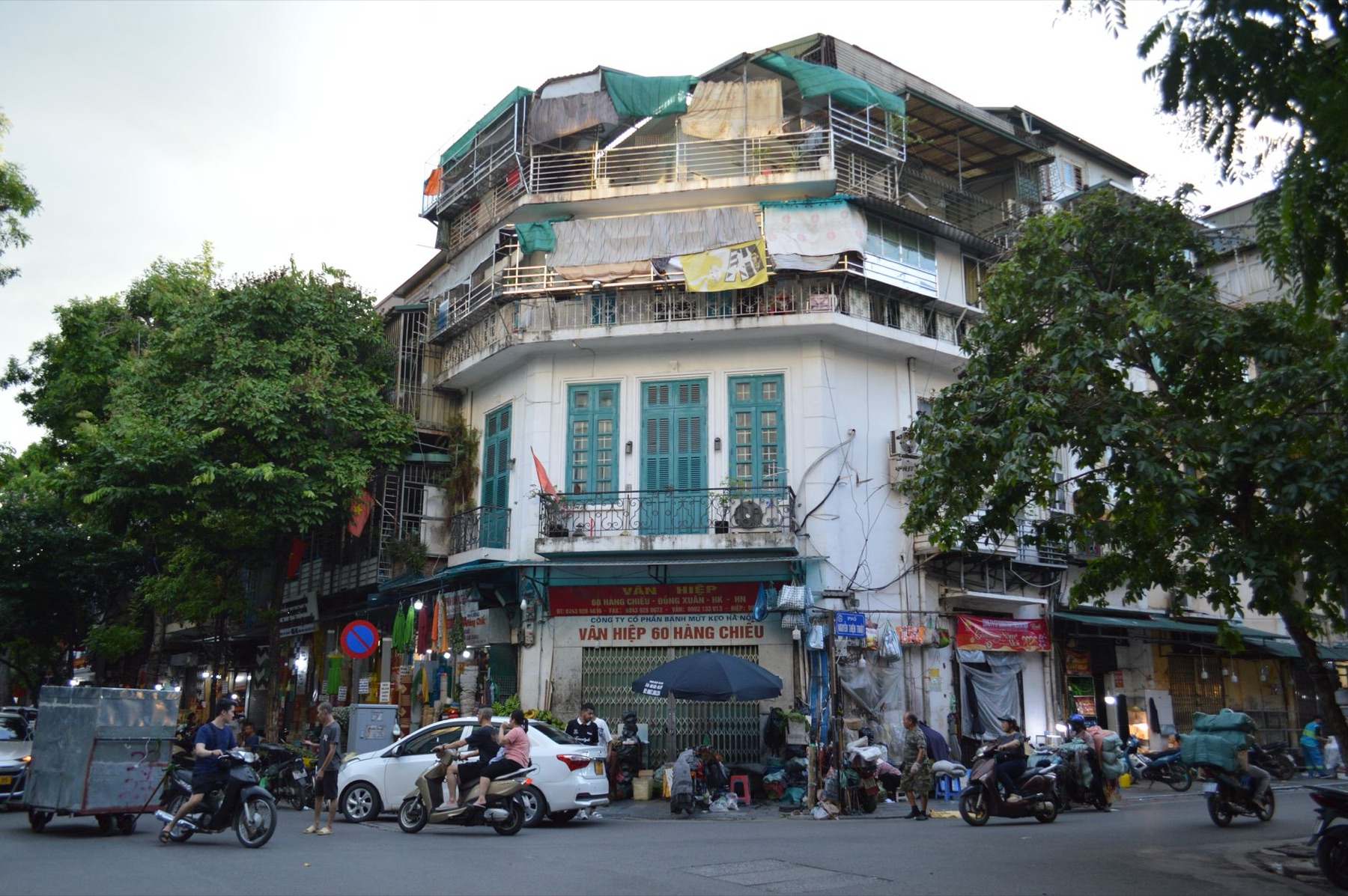
Location decides quality and price. Street stalls in the Old Quarter (Hoàn Kiếm district, near Hàng Gà, Hàng Mành streets) are the safest bet for authentic pho and bun cha. Markets—Dong Xuan Market (Old Quarter) and Nguyen Hue market (Hai Ba Trung district)—sell fresh ingredients and ready-made dishes at morning hours (5–9 a.m.). Tourist-heavy zones like Nguyen Huu Huan Street or the stretch near Hoan Kiem Lake pull prices up 50–100% and dilute recipes.
For egg coffee, avoid the obvious lakeside cafés. Instead, head to Giang Café (Hang Gai Street, Old Quarter)—the original, cramped, cash-only, worth the 15-minute queue. For cha ca, Cha ca Thang Long and other specialist shops cluster on Hang Mành Street; they've been doing one dish for 40+ years. Banh mi stands near Dong Xuan or in Ba Dinh district (near markets) are fresher than stalls in touristy zones.
Rule: If a stall has English menus with photos and prices in USD, your cost just tripled and portions shrunk.
How Much Should You Expect to Pay?
Locals spend 150,000–250,000 VND (~$6–10 USD) per meal. A breakfast pho runs 30,000–40,000 VND. A full bun cha lunch with drink: 60,000–100,000 VND. Egg coffee: 25,000–40,000 VND (tourist cafés push it to 60,000). Cha ca for two: 150,000–200,000 VND.
Tourist-trap restaurants near Hoan Kiem Lake or Hang Dao Street price pho at 80,000–120,000 VND and banh mi at 60,000–80,000 VND—same dish, triple the cost. Markets and street stalls are 40–50% cheaper and often fresher because turnover is fast.
What to check: Always verify price before sitting down. Point at the stall's menu board (if it exists) or ask a local nearby. Some tourist stalls quote per-item; others bundle. Clarify: "Bao nhieu tien?" (How much?). Get a verbal confirmation before eating.
What's Overrated (And What to Skip)?
Trendy cafés around the lake charging 100,000+ VND for egg coffee are aesthetic plays, not food experiences. The egg coffee itself is identical whether you pay 25,000 or 80,000 VND—the venue changes, not the recipe. Skip them unless Instagram matters.
Banh mi stands that open after 10 a.m. often reheat yesterday's filling. Best banh mi is 6–9 a.m. when meats are fresh. Tourist-focused restaurants near the Red River often serve correct dishes at inflated prices, bland flavors, and stingy portions—locals don't eat there.
Pho shops in high-rent areas (downtown Ba Dinh district, French Quarter) cost 30–40% more than Old Quarter stalls for identical broth. The difference is rent, not quality.
What actually works: Street stalls in the Old Quarter, market stalls before 10 a.m., and one-dish specialist shops (cha ca, pho ga) that have been operating in the same spot for years.
🗺️ Plan your route: Vietnam itinerary
How to Avoid Scams and Quality Traps
Hanoi's food scams aren't violent—they're nickel-and-diming. Stalls that quote prices in USD to foreigners automatically inflate by 50–100%. Restaurants without prices on menus add surprise charges (tea, nuts, rice). Tourist banh mi stands swap meat with cheap fillers. Some pho stalls reuse broth past freshness (smell the steam—good broth smells sweet and clean, not sour).
Checklist before you buy:
- Ask price in Vietnamese or point at a menu board.
- Watch them prepare your food (transparency signals honesty).
- Eat during peak local hours (7–9 a.m. breakfast, 11 a.m.–1 p.m. lunch).
- Avoid standalone restaurants on Hang Dao or Trang Tien Streets (tourist markup zone).
- Don't buy "famous" banh mi from stands aimed at tourists; buy from busy stalls locals queue for.
- Carry cash in small bills; merchants in tourist zones can "lose" your change.
- Taste before complaining; Hanoi food is an acquired taste (fermented, funky, salty is normal).
If a stall has only tourists, no locals, and laminated photos—move on.
Which Hanoi Neighborhoods Have the Best Food?
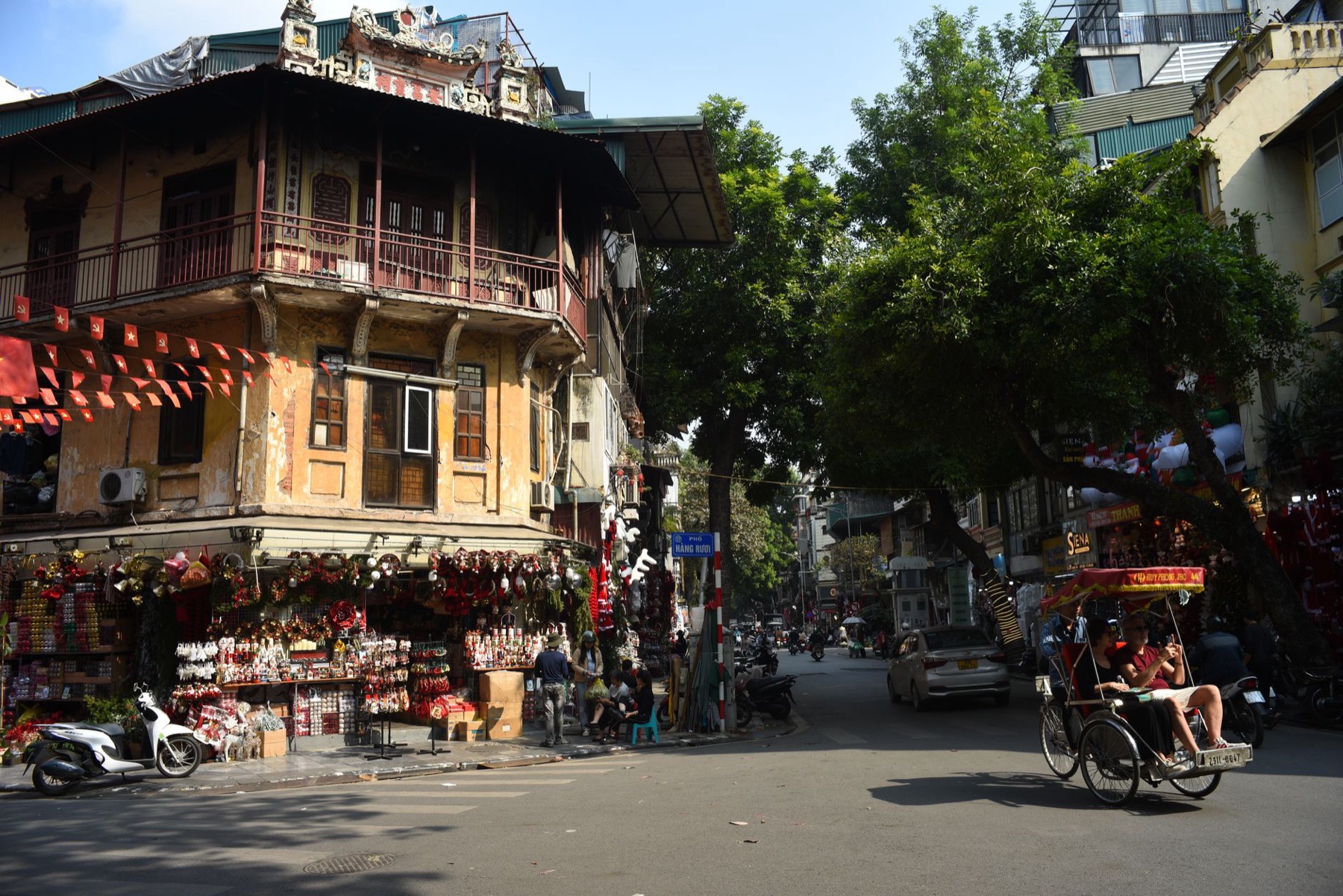
Old Quarter (Hoàn Kiếm district): Hàng Mành Street for cha ca, Hàng Gà for pho and egg coffee. Crowded, authentic, prices fair because locals eat here. Dong Xuan Market (entrance on Dong Xuan Street) opens 5 a.m., closes 9 a.m. for fresh pho beef and banh mi stops.
Ba Dinh district: Less touristy, home to neighborhood pho and bun cha stalls. Walking Street near Trang Tien (Tuesday–Sunday, 7–11 p.m.) has food vendors but expect casual quality. Good for late-night pho.
Hai Ba Trung district: Quieter zone, Nguyen Hue market has morning breakfast vendors. Try pho ga (chicken pho) here; less crowded than pho beef joints.
French Quarter (near Trang Tien, Hang Trong): Mid-range restaurants, higher prices, tourist blend. Skip for authentic food; go if you want air-conditioning and English menus.
French Quarter and Ba Dinh are 20–30 minutes by taxi or bus from Old Quarter; using a Vietnam eSIM for maps is essential.
Staying longer? Check our full Hanoi guide for neighborhoods beyond food.
🎟️ Compare tours & tickets for this place
What to Buy to Take Home
Dried rice noodles, banh mi seasoning paste (available at markets), or packaged cha ca spice mix from Dong Xuan Market let you recreate these dishes. Bottled fish sauce is a classic gift but heavy and fragile—only pack if you have checked luggage.
Instant pho packets (Pho Hoa, Vifon brands) are cheaper at supermarkets than tourist stalls; buy at Tesco Lotus or Co.opmart chains if you want recognized brands.
For gifts with no mess, consider personalized keepsakes or a star map print capturing the date and location of your Hanoi meal—print shops on Trang Tien Street can rush-order these same-day.
---
Comparison: Where to Eat Based on Your Priority
If you have 30 minutes: Pho at a street stall (Old Quarter, Hàng Gà Street). Cost: 35,000 VND. Quality: High. Hassle: None if you go 7–8 a.m.
If you have 1–2 hours: Bun cha lunch at a dedicated shop + egg coffee after. Cost: 100,000 VND. Quality: Authentic. Hassle: Lunch rush 11:30 a.m.–1 p.m.; go early.
If you have half a day: Cha ca on Hang Mành Street (20 min walk from lake, or 5 min by taxi). Cost: 150,000–180,000 VND for two. Quality: Ritual, specialized. Hassle: Slow-cooked, takes 25–30 min.
If budget is tight: Banh mi + sugarcane juice from a market stall. Cost: 45,000 VND. Quality: Peak freshness 6–8 a.m. Hassle: None.
---
Final Check Before You Order
- Price: Always confirm in Vietnamese or USD before eating; no "we calculate after" deals.
- Freshness: Street stalls serving 50+ bowls a day are safer than quiet restaurants. Broth should smell sweet, not sour. Grilled pork should glisten, not dry.
- Local ratio: If 80%+ of diners are locals, you're in the right place.
- Timing: Breakfast = 6–9 a.m. (pho, banh mi at peak). Lunch = 11 a.m.–1 p.m. (bun cha, cha ca). Avoid 2–5 p.m.
- Language: Speak Vietnamese or use Google Translate pointing; avoid English menus in stalls.
Hanoi's famous food isn't a secret—it's just misplaced by tourists. Eat where locals eat, pay what they pay, and ask questions first. That's the difference between a food story and a story about spending too much on bland pho.
For a broader introduction to Hanoi beyond food, explore our Hanoi travel guide. Planning a multi-day Vietnam trip? Use our itinerary planner to balance Hanoi's street food with Ha Long Bay, Hoi An, and Ninh Binh's regional cuisines.
FAQ
Is street food in Hanoi safe to eat?
Yes, if you follow one rule: eat where locals eat at peak hours. Busy stalls (50+ customers by 8 a.m.) have high turnover and low risk of foodborne illness. Quiet tourist stalls reuse broth past freshness. Stick to Old Quarter stalls in the morning.
How much does a full meal cost for one person?
Around 100,000–150,000 VND (~$4–6 USD) for breakfast pho and street snacks, or lunch bun cha with drink. Tourist restaurants charge 200,000–400,000 VND (~$8–16 USD) for the same dishes. Markets are cheapest at 50,000–80,000 VND per meal.
Which street has the most authentic food stalls?
Hàng Mành Street (Old Quarter) for cha ca; Hàng Gà Street for pho, banh mi, and egg coffee. Both are in Hoàn Kiếm district, five-minute walk apart. Dong Xuan Market entrance opens 5 a.m. for the freshest ingredients and breakfast stalls.
Can I eat pho for lunch or only breakfast?
Pho is eaten any time, but breakfast (6–9 a.m.) offers the freshest broth because it's been simmering since 4 a.m. Lunch pho (11 a.m.–1 p.m.) is good but slightly more crowded and broth slightly less complex. Avoid mid-afternoon pho (2–5 p.m.); stalls rest or close.
What's the difference between tourist-zone and local prices?
Tourist zones (Hang Dao, Trang Tien, lakeside) mark up 50–100%: pho 80,000 VND vs. 35,000 at Old Quarter stalls. Banh mi: 60,000 vs. 25,000. Same dish, triple cost. Eat in Hoàn Kiếm's internal alleys or Ba Dinh district markets for local rates.
Do I need to book restaurants in advance?
No. Street stalls and family-run shops don't take reservations. Tourist restaurants near the lake sometimes request advance booking (call ahead if worried). Specialty shops like cha ca rarely need booking; arrive 11:30 a.m. or after 1 p.m. to avoid lunch rush.
What should I order if I'm vegetarian?
Banh mi chay (vegetarian sandwich with tofu), pho chay (vegetable broth pho), and egg coffee are common. Ask "Tôi ăn chay" (I'm vegetarian). Old Quarter stalls and markets have more options than tourist restaurants. Protein options are limited; most "veg" pho uses vegetable broth but add meat at table.
FAQ
Is street food in Hanoi safe to eat?
Yes, if you follow one rule: eat where locals eat at peak hours. Busy stalls (50+ customers by 8 a.m.) have high turnover and low risk of foodborne illness. Quiet tourist stalls reuse broth past freshness. Stick to Old Quarter stalls in the morning.
How much does a full meal cost for one person?
Around 100,000–150,000 VND (~$4–6 USD) for breakfast pho and street snacks, or lunch bun cha with drink. Tourist restaurants charge 200,000–400,000 VND (~$8–16 USD) for the same dishes. Markets are cheapest at 50,000–80,000 VND per meal.
Which street has the most authentic food stalls?
Hàng Mành Street (Old Quarter) for cha ca; Hàng Gà Street for pho, banh mi, and egg coffee. Both are in Hoàn Kiếm district, five-minute walk apart. Dong Xuan Market entrance opens 5 a.m. for the freshest ingredients and breakfast stalls.
Can I eat pho for lunch or only breakfast?
Pho is eaten any time, but breakfast (6–9 a.m.) offers the freshest broth because it's been simmering since 4 a.m. Lunch pho (11 a.m.–1 p.m.) is good but slightly more crowded and broth slightly less complex. Avoid mid-afternoon pho (2–5 p.m.); stalls rest or close.
What's the difference between tourist-zone and local prices?
Tourist zones (Hang Dao, Trang Tien, lakeside) mark up 50–100%: pho 80,000 VND vs. 35,000 at Old Quarter stalls. Banh mi: 60,000 vs. 25,000. Same dish, triple cost. Eat in Hoàn Kiếm's internal alleys or Ba Dinh district markets for local rates.
Do I need to book restaurants in advance?
No. Street stalls and family-run shops don't take reservations. Tourist restaurants near the lake sometimes request advance booking (call ahead if worried). Specialty shops like cha ca rarely need booking; arrive 11:30 a.m. or after 1 p.m. to avoid lunch rush.
What should I order if I'm vegetarian?
Banh mi chay (vegetarian sandwich with tofu), pho chay (vegetable broth pho), and egg coffee are common. Ask "Tôi ăn chay" (I'm vegetarian). Old Quarter stalls and markets have more options than tourist restaurants. Protein options are limited; most "veg" pho uses vegetable broth but add meat at table.