Hanoi · Food
Food in Hanoi Vietnam: Where & What to Eat (2026 Guide)
By Wander in Vietnam editorial team · Hanoi, Vietnam
Hanoi's culinary identity lives in its neighborhoods, not in guidebooks. We eat differently in the Old Quarter versus Tay Ho, and choosing where to sit matters as much as what you order. This guide cuts through tourist noise and shows you real costs, reliable neighborhoods, and exactly what to expect before you spend your money.
Where should I eat pho in Hanoi—street stall or restaurant?
Pho vendors cluster in Old Quarter side streets and early-morning markets. Street bowls (50,000–80,000 VND / $2–$3.20 USD) arrive within minutes; sit-down pho houses (120,000–200,000 VND / $4.80–$8 USD) offer table service and comfort. Choose the stall if you want speed and authenticity; choose a restaurant if you're traveling with someone who dislikes standing or wants an English menu. Morning (6–10 a.m.) is pho time—avoid lunch when quality dips.
What to check before ordering:
- Is the broth simmering visibly? If not, walk.
- Do locals eat here? If yes, the price-to-quality ratio is honest.
- Ask "Pho bo hay pho ga?" (beef or chicken) and confirm rice noodle size (bánh phở).
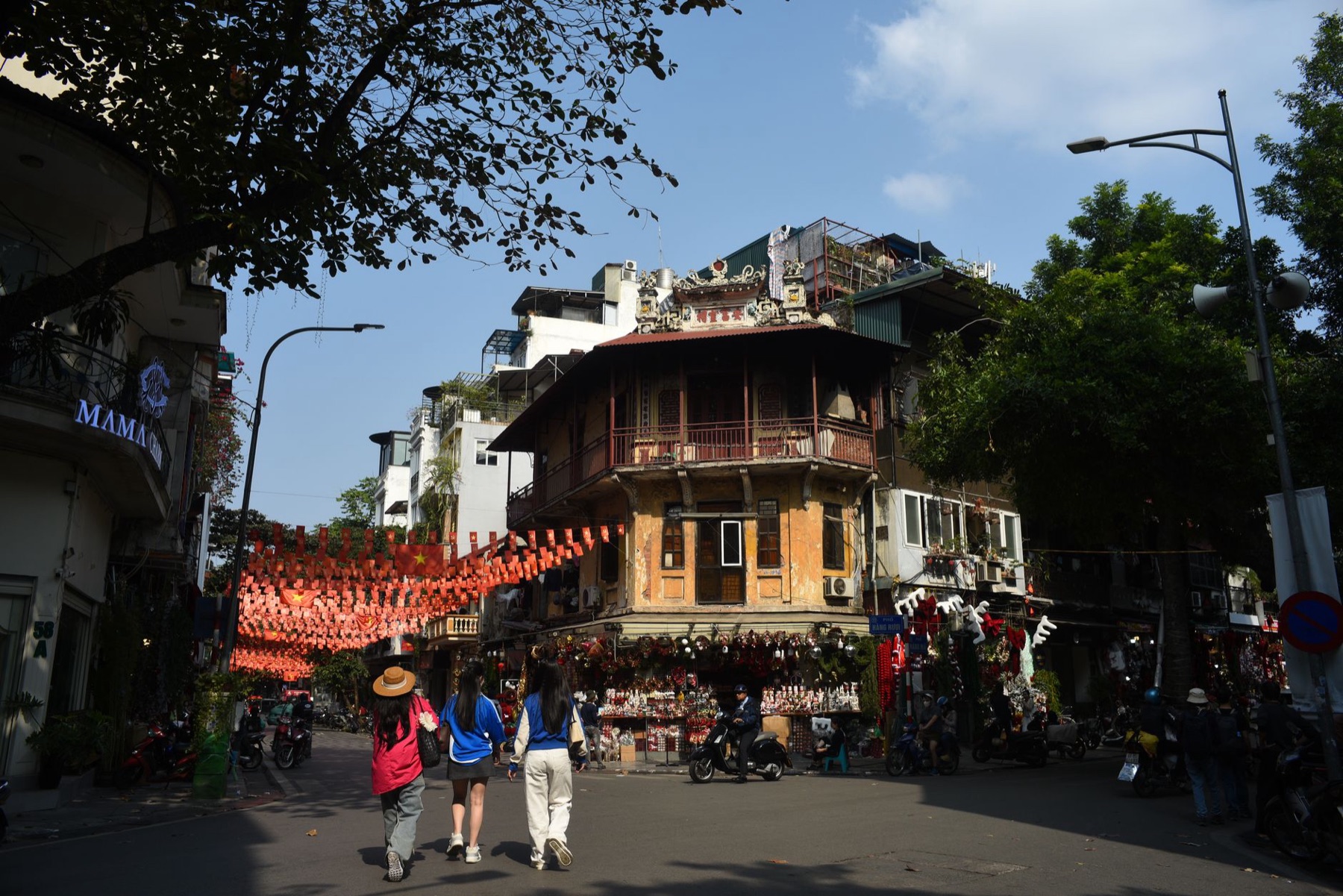
Which Hanoi neighborhoods actually have the best food?
| Neighborhood | Specialty | Price Range (USD) | Best For | Note |
|---|---|---|---|---|
| Old Quarter | Pho, banh mi, egg coffee, fried street foods | $1–$4 | First-timers, budget travelers | Crowded; eat early morning or late evening. |
| Tay Ho (West Lake) | Modern fusion, Vietnamese fine dining, lakeside cafes | $8–$25 | Slower pace, Instagram photos, date nights | Prices jump 3x; quality justified for sit-down. |
| Hoan Kiem area | Noodle soups, roasted meats, tourist-friendly options | $2–$6 | Walking tours, casual mixed groups | Some inflated menu boards; ask locals instead. |
| Dong Da district | Family-run pho, bun cha, local markets | $1.50–$5 | Deep-dive eaters, minimal English speakers | Most authentic; requires willingness to point. |
| Cau Giay (southwest) | Trendy cafes, modern Vietnamese, export-quality coffee | $3–$12 | Young professionals, quality-conscious | Slower service; worth the wait for consistency. |
🗺️ Plan your route: Vietnam itinerary
What's the real cost of eating street food versus restaurants in Hanoi?
Street stalls: 30,000–100,000 VND ($1.20–$4 USD) per meal. You stand, eat fast, and leave. Restaurants (casual): 120,000–300,000 VND ($4.80–$12 USD). Mid-range sit-down: 250,000–600,000 VND ($10–$24 USD). Fine dining: 800,000+ VND ($32+ USD). Most travelers eat profitably at street level or casual restaurants. The jump to fine dining isn't necessary unless you want refined plating or wine pairings—flavor at the stall is often equal or superior. Budget 200,000–400,000 VND ($8–$16 USD) daily for a mix of street breakfasts, lunch stalls, and one sit-down dinner.
How do I avoid food scams and tourist traps in Hanoi?
Red flags:
- Menus with pictures and English prices written in different ink.
- "Special today!" or servers pushing you toward a table without a posted menu.
- Restaurants with zero Vietnamese customers at lunch.
- Dishes listed as "crispy" or "deluxe" at 2–3x the standard price.
How to protect yourself:
- Ask hotel staff (locals, not tourism offices) for a specific dish recommendation, not a restaurant.
- If no price is posted, ask the cost before ordering (works in Vietnamese or by phone calculator).
- Eat breakfast and lunch where you see a line of workers; dinner is where tourist traps thrive.
- Never order seafood by weight without confirming price-per-unit and total weight first.
📸 Book an ao dai photoshoot in Hanoi or Saigon (Cáo Studio)
What dishes should I order, and what's worth skipping?
Absolutely order:
- Pho: Beef or chicken noodle soup, any stall—30,000–80,000 VND ($1.20–$3.20 USD).
- Bun cha: Hanoi's signature—grilled pork over noodles, dipping sauce—50,000–120,000 VND ($2–$4.80 USD).
- Banh mi: Crispy bread, liver pâté, vegetables, fish sauce—30,000–60,000 VND ($1.20–$2.40 USD).
- Egg coffee: Beaten egg yolk whipped into condensed milk and hot espresso—40,000–80,000 VND ($1.60–$3.20 USD).
- Cha ca: Turmeric fish cake with turmeric and dill, specialty of Cha Ca street (Old Quarter)—100,000–150,000 VND ($4–$6 USD).
- Com tam: Broken rice with grilled meat or egg, often under-hyped—50,000–100,000 VND ($2–$4 USD).
Skip or eat sparingly:
- Frog or turtle dishes marketed as "exotic"—often low freshness, ethical concerns, and not worth the premium price.
- Tourist "cooking class" meal boxes at hotels—predictable, overpriced, and watered-down flavor.
- Packaged "authentic banh mi" sold at airport shops—usually stale and 5x street cost.
Decision framework: What to order on your first 3 meals
| Meal | Dish | Why | Where | Cost |
|---|---|---|---|---|
| Breakfast (6–8 a.m.) | Pho bo or pho ga | Peak freshness, locals eating | Any Old Quarter stall with a queue | $1.20–$3.20 |
| Lunch (11 a.m.–1 p.m.) | Bun cha + nem | Hanoi classic, best mid-day | Dong Da district stalls or casual restaurant | $3–$6 |
| Dinner (6–8 p.m.) | Sit-down pho or cha ca | More space, evening vibe | Casual restaurant or Cha Ca street | $4.80–$12 |
After day 3, follow locals. If you see a queue, join it.
Should I book a food tour, or explore neighborhoods myself?
Organized tours (300,000–800,000 VND / $12–$32 USD for 2–3 hours) are worthwhile if:
- You speak no Vietnamese and feel unsafe negotiating.
- You want cultural context (history, ingredient sourcing, family stories).
- You're short on time and want curated stops.
Skip tours if:
- You're comfortable pointing, nodding, and paying cash.
- You speak basic Vietnamese or travel with someone who does.
- You like wandering without a fixed itinerary.
Our honest take: A solo morning exploration of Dong Da or the Old Quarter beats most paid tours. Spend 150,000 VND ($6 USD) on 4 small meals, and you've eaten better than a tour group paying 600,000 VND for curated "highlights."
🎟️ Compare tours & tickets for this place
What to check before you buy (or sit down)
- Opening hours: Most breakfast stalls close by 10 a.m.; lunch spots open 10 a.m.–2 p.m., then close until 5–6 p.m. Dinner stalls run 5–9 p.m.
- No menu posted? Ask a neighbor or show the stall owner your phone translator app with "How much is this dish?"
- Seafood freshness: Look for the kitchen; live tanks are a good sign. If fish sits on ice for hours, walk.
- Crowded ≠ best: A moderate queue (5–10 people) is ideal. Giant crowds mean slow service and stressed staff.
- Cash only: Most stalls don't take cards. Withdraw 500,000 VND ($20 USD) in the morning.
---
Related reading for your Hanoi trip
Visit our main Hanoi travel guide for neighborhoods, transportation, and where to sleep. For a broader view of Vietnam, check our Vietnam itinerary planner to balance food-focused stops with beaches, heritage, and outdoor activities. If you're comparing Hanoi to other cities, we've also covered food and culture in Ho Chi Minh City, Hoi An, Ha Long Bay, Ninh Binh, and Sapa.
Staying connected while eating? Get an eSIM for Vietnam so you can find recommendations, translate menus, and share photos without losing data.
---
FAQ
How much should I budget per day for food in Hanoi?
Expect 150,000–400,000 VND ($6–$16 USD) daily eating mixed street stalls and one casual restaurant meal. Splurging on fine dining adds 600,000+ VND ($24+ USD). Most travelers find street food value best and eat there most days.
Is tap water safe to drink, and does it affect restaurant food?
Tap water is drinkable in central Hanoi but often tastes of minerals. Restaurants typically cook with boiled or filtered water, so rice and noodles are safe. Order bottled water when in doubt—20,000–30,000 VND ($0.80–$1.20 USD) at markets.
What's the difference between Vietnamese pho in Hanoi versus Ho Chi Minh City?
Hanoi pho is brothier and traditionally beef; Ho Chi Minh City pho is sweeter and often includes pork. Neither is "better"—each reflects local taste. Hanoi pho stalls are usually cheaper (50,000–80,000 VND vs. 70,000–100,000 VND in Saigon).
Can I negotiate price at street stalls?
For tourists, no. Stalls have fixed prices clearly listed or quoted upfront. Asking to negotiate signals unfamiliarity and may lead to inflated pricing. Pay what's asked or choose a different stall. Negotiation works at markets for packaged goods, not prepared food.
Do restaurants in Hanoi serve English menus, and should I avoid places that don't?
Most Old Quarter restaurants have English menus; casual stalls and neighborhood spots do not. Don't avoid no-English stalls—they're often the most authentic and affordable. Use a translation app or point at what other diners are eating. Many locals appreciate effort over perfect language.
When is the best time to visit Hanoi for food?
October–April (cool, dry) keeps food fresher and crowds smaller at markets. June–September (hot, humid) is peak mango and tropical fruit season. Avoid Tet (Lunar New Year, late January–early February) when many stalls close for holidays. Visit our Vietnam itinerary planner for seasonal tips.
FAQ
How much should I budget per day for food in Hanoi?
Expect 150,000–400,000 VND ($6–$16 USD) daily eating mixed street stalls and one casual restaurant meal. Splurging on fine dining adds 600,000+ VND ($24+ USD). Most travelers find street food value best and eat there most days.
Is tap water safe to drink, and does it affect restaurant food?
Tap water is drinkable in central Hanoi but often tastes of minerals. Restaurants typically cook with boiled or filtered water, so rice and noodles are safe. Order bottled water when in doubt—20,000–30,000 VND ($0.80–$1.20 USD) at markets.
What's the difference between Vietnamese pho in Hanoi versus Ho Chi Minh City?
Hanoi pho is brothier and traditionally beef; Ho Chi Minh City pho is sweeter and often includes pork. Neither is "better"—each reflects local taste. Hanoi pho stalls are usually cheaper (50,000–80,000 VND vs. 70,000–100,000 VND in Saigon).
Can I negotiate price at street stalls?
For tourists, no. Stalls have fixed prices clearly listed or quoted upfront. Asking to negotiate signals unfamiliarity and may lead to inflated pricing. Pay what's asked or choose a different stall. Negotiation works at markets for packaged goods, not prepared food.
Do restaurants in Hanoi serve English menus, and should I avoid places that don't?
Most Old Quarter restaurants have English menus; casual stalls and neighborhood spots do not. Don't avoid no-English stalls—they're often the most authentic and affordable. Use a translation app or point at what other diners are eating. Many locals appreciate effort over perfect language.
When is the best time to visit Hanoi for food?
October–April (cool, dry) keeps food fresher and crowds smaller at markets. June–September (hot, humid) is peak mango and tropical fruit season. Avoid Tet (Lunar New Year, late January–early February) when many stalls close for holidays. Visit our [Vietnam itinerary planner](/vietnam/itinerary) for seasonal tips.
More: Hanoi guide · What to eat in Hanoi