Hanoi · Food
Food in Hanoi: Where to Eat, What to Order & Real Prices 2026
By Wander in Vietnam editorial team · Hanoi, Vietnam
Hanoi's food scene isn't Instagram-friendly postcards—it's controlled chaos, breakfast-centric culture, and a hierarchy of stalls that locals have trusted for decades. Whether you're hunting for a 30,000 VND phở or investing in a proper sit-down dinner, knowing the neighborhoods, dish types, and what to avoid saves money, time, and your stomach.
Which Hanoi neighborhoods have the best street food?
The Old Quarter (Hoan Kiem district) is the tourist-heavy starting point: Hang Buom for banh mi, Pho Hue for phở, Ta Hien for evening grills and drinks. Queues are real but so are crowds and inflated prices (30,000–50,000 VND per item). For locals, head to Tran Hung Dao (Ba Dinh district), where morning phở stalls open 6–8 a.m. and close by 11 a.m.; a large bowl is 35,000–45,000 VND ($1.40–$1.80). Pho Hue, despite its name, is quieter than the Old Quarter. Long Bien (Hoang Mai district) is the riverside seafood zone—grilled fish and shrimp run 60,000–150,000 VND ($2.40–$6) depending on weight. Don Xuan Market (near Long Bien) operates 6–11 a.m. and 4–8 p.m., selling ingredients and ready-to-eat dishes at market-base prices (20–40% cheaper than tourist stalls).
🗺️ Plan your route: Vietnam itinerary
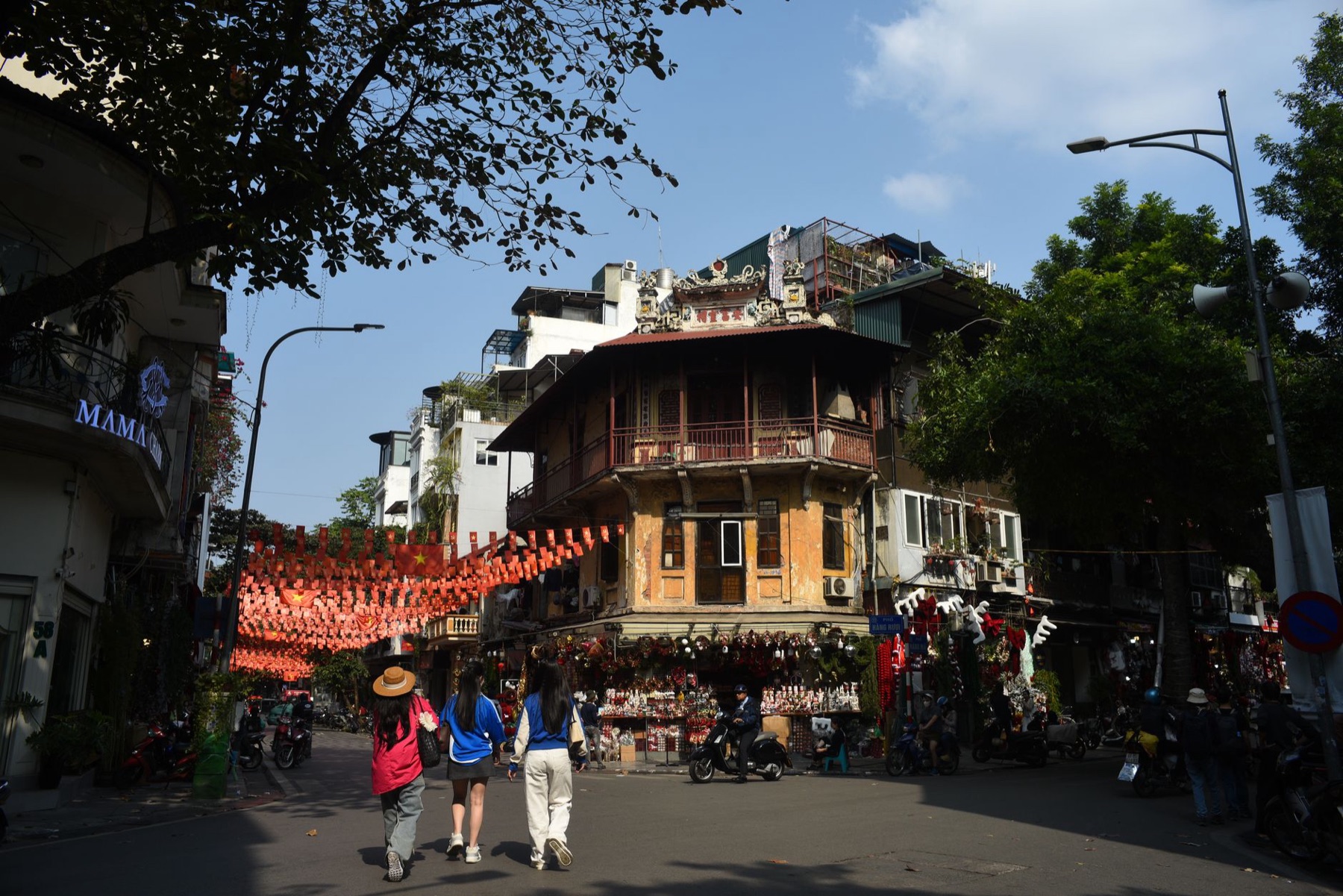
What are the must-order dishes and how much do they cost?
| Dish | What it is | Where to find it | Rough price VND ($) | Notes |
|---|---|---|---|---|
| Phở bò | Beef noodle soup, morning staple | Tran Hung Dao, Pho Hue streets | 35,000–50,000 ($1.40–$2) | Eat 6–11 a.m.; after noon quality drops |
| Banh mi | Crusty baguette, pâté, greens, pickled veg | Hang Buom, Old Quarter | 25,000–40,000 ($1–$1.60) | Avoid stalls marked "Famous" or with English signs |
| Bun cha | Grilled pork, rice noodles, herb dip | Pho Hue, evening | 40,000–60,000 ($1.60–$2.40) | Best 4–8 p.m.; ask for extra herbs |
| Cao lau | Hoian's thick noodles with pork (Hanoi versions exist) | Ba Dinh casual spots | 45,000–70,000 ($1.80–$2.80) | Authentic version is in Hoi An; Hanoi versions are decent imitations |
| Com tam (broken rice) | Rice with grilled meat, egg, pickles | Ba Dinh lunch spots | 35,000–55,000 ($1.40–$2.20) | Lunch-only dish; 11 a.m.–2 p.m. peak |
| Egg coffee (ca phe trung) | Egg foam over iced coffee | Hanoi Old Quarter cafés | 30,000–50,000 ($1.20–$2) | Tourist favorite; decent but overrated |
| Seafood grilled shrimp/fish | Weight-based, fresh catch | Long Bien stalls | 60,000–180,000 ($2.40–$7.20) per serving | Arrive before 6 p.m.; later = picked-over stock |
📸 Book an ao dai photoshoot in Hanoi or Saigon (Cáo Studio)
How do you avoid tourist scams and overpriced food?
Never eat at a stall with a menu in English or posted photos. Locals don't point; they sit and order by name or gesture at what the next table has. At night markets (2–10 p.m., scattered neighborhoods), vendors call out—smile but negotiate nothing; prices are fixed. Avoid "famous" establishments listed in every guidebook (Pho Thin, for example)—they've optimized for tourists, not taste. If you're unsure of a dish name, ask another diner or use a translation app to show the vendor. Don't order "mixed" plates designed for groups unless you're in a group; you'll pay premium pricing for portion theater. Markets like Dong Xuan (Old Quarter) and Don Xuan (Long Bien) are cheaper than stalls: 20,000–30,000 VND ($0.80–$1.20) for prepared dishes, 10,000–20,000 VND ($0.40–$0.80) for raw ingredients. Tipping is not expected at casual spots; rounding up a few thousand VND is polite but rare.
What restaurants should you book in advance vs. walk-in?
Casual street stalls don't take reservations—you queue or move on. For sit-down restaurants in Ba Dinh, Tay Ho, or Hoan Kiem's quieter streets, booking 1–2 days ahead via phone or WhatsApp is wise, especially dinner service. Upscale or Western-style restaurants in Tay Ho (the affluent expat and tourist zone on the west shore of Hoan Kiem Lake) are busiest 7–9 p.m. and accept walk-ins if they're not full. Mid-range spots (grilled meat joints, com tam with plastic chairs) rarely book; they seat first-come-first-served. If you're planning a celebration or large group (6+), book 1 week ahead. For lunch, arrive 11 a.m.–noon to beat the crowd and ensure hot, fresh stock. Dinner stalls (bun cha, seafood) peak 6–8 p.m.; go earlier or later to avoid standing-room chaos.
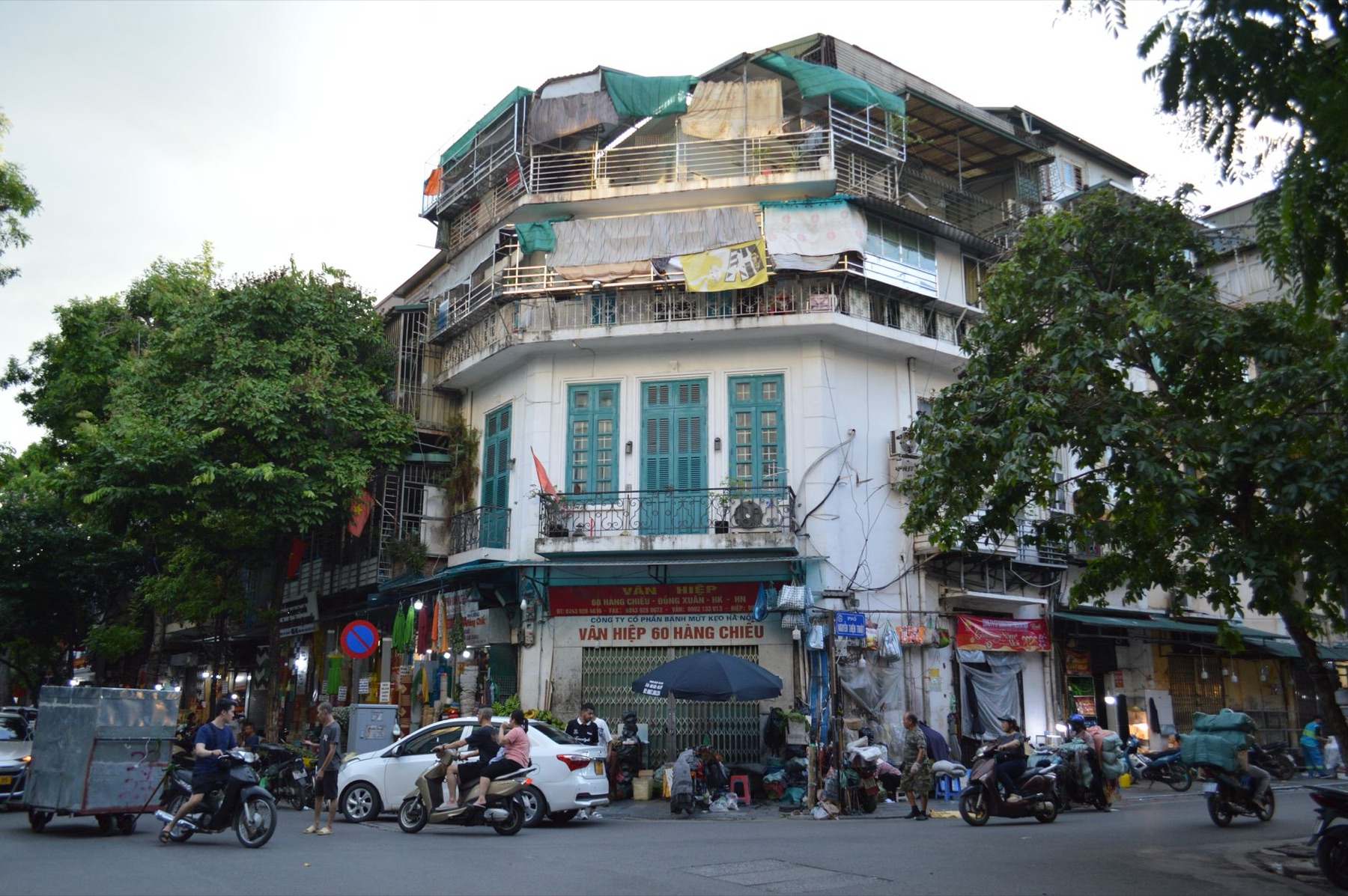
How to choose between street food, casual restaurants, and upscale dining?
Street stalls (30,000–80,000 VND / $1.20–$3.20 per item): Best for breakfast, lunch, and cultural immersion. Phở, banh mi, and bun cha are the safest bets. Go with an empty stomach, order one dish, add fresh herbs (basil, coriander, lime) to your own taste, and eat standing or on a plastic stool. No frills, no English menus, no wifi—real Hanoi.
Casual restaurants (60,000–200,000 VND / $2.40–$8 per person): Half-indoors, plastic chairs, overhead fans, no air conditioning (often). Offer combo plates, beer, and regional specialties. Popular in Hang Buom (grilled meat), Ba Dinh (lunch spots), and Long Bien (seafood). Order by pointing or asking a neighboring diner. Good for groups or if you want a sit-down meal with minimal fuss.
Upscale dining (300,000–1,000,000+ VND / $12–$40+ per person): Air-conditioned, bilingual menus, wine lists, and plated presentations. Found in Tay Ho, Ba Dinh lakeside, and central Hoan Kiem. These cater to expats, tourists, and special occasions. Food is refined but less distinctly Hanoian—modern Vietnamese fusion, French-influenced, or Southeast Asian. Worth one meal if you want a break from street hustle; not worth hunting every night.
🎟️ Compare tours & tickets for this place
What souvenir food items can you actually buy to take home?
Hanoi's food souvenirs fall into dried goods, pastes, and packaged treats—all TSA-friendly if sealed.
Dried foods (eggs, seafood, mushrooms):
- Salted egg yolks: Buy at Dong Xuan Market or packaged at convenience stores (50,000–100,000 VND / $2–$4 for a box of 6). Shelf-stable, unopened for 6+ months. Good as a gift or for baking.
- Dried squid or fish: Markets sell loose; convenience stores sell vacuum-sealed (80,000–200,000 VND / $3.20–$8). Lasts 3–6 months sealed. Takes up minimal luggage space.
- Dried mushrooms (wood ear, shiitake): Dong Xuan or specialty shops (60,000–150,000 VND / $2.40–$6 per 100g). Rehydrate for soups. Shelf-stable 12+ months.
Pastes & sauces:
- Shrimp paste (mam tom): Iconic, pungent, loved by Southeast Asians, polarizing for outsiders. Small jars (150g) run 40,000–80,000 VND ($1.60–$3.20) at markets. Check TSA rules; paste is allowed if sealed and ≤3.4 oz in carry-on luggage, or any size in checked bags.
- Chili pastes and soy sauces: Same price range; less divisive than shrimp paste. Widely available at convenience stores and markets.
Packaged snacks:
- Prawn crackers (banh trang nuong): Street stalls and markets sell fresh (5,000–15,000 VND / $0.20–$0.60 per portion). Packaged versions (multipack) at convenience stores (30,000–60,000 VND / $1.20–$2.40) last 2–3 weeks unopened.
- Sesame brittle, peanut brittle: Markets (Dong Xuan) sell homemade (30,000–60,000 VND / $1.20–$2.40 per 200g). Shelf-stable 1–2 weeks if not humid.
Coffee: Hanoi's local coffee (robusta, darker roast) is cheaper in-country than souvenirs. Vacuum-sealed bags (250g) at specialty shops or markets run 80,000–150,000 VND ($3.20–$6). Better value than airport shops.
Avoid buying "honey" or "bird's nest" at tourist markets—many are counterfeit or overpacked with filler. If you want a keepsake, buy a small ceramic dish or a traditional coffee filter (phin) instead; visit the souvenir collections for curated gift options.
For a proper memorable Hanoi experience, book a photoshoot capturing you in traditional áo dài at a local café or market—Cáo Studio in Hanoi offers makeup and photoshoots specifically for travelers.
What to check before you order or buy
At stalls:
- Is the stall actively serving (steam rising, customers eating)? If empty mid-meal hour, the food may be sitting.
- Do you see the cook preparing your order? Transparency = trust.
- Are fresh herbs (basil, mint, coriander) visible and abundant? Poor-quality stalls skimp.
- Ask "co sach" (clean) before ordering to confirm they use filtered or boiled water for ice.
Packaged goods:
- Check expiration dates (printed on package, often in Vietnamese month/year format). Markets move stock fast, but airport shops may stock old items.
- Inspect seals—opened or damaged packages are common in market stalls. Don't buy compromised stock.
- Buy shrimp paste and sauces only if you have luggage space; they're heavy and can leak.
Restaurants:
- Ask for a printed menu or ask the price of dishes before ordering. Some casual spots don't list prices; verbal quotes can vary.
- For seafood, confirm whether pricing is per 100g, per piece, or per portion before ordering.
---
Eating in Hanoi is non-negotiable—the food is the reason many of us stay. Explore the broader Hanoi guide for temples, accommodations, and neighborhoods. If you're building a multi-city trip, consult the Vietnam itinerary planner to balance Hanoi food culture with Hoi An, Ho Chi Minh City, Ha Long Bay, and other regions. For connectivity while hopping neighborhoods, grab a Vietnam eSIM for seamless navigation and translation apps.
FAQ
Is street food in Hanoi safe to eat?
Yes, if you eat where locals queue and the vendor actively cooks in front of you. Avoid stalls near tourist landmarks with English menus. Stick to cooked, hot dishes. Your stomach may need a day or two to adjust, but serious illness from reputable stalls is rare. Start with phở or banh mi, not raw or cold dishes, if you're cautious.
What's the cheapest time to eat in Hanoi?
Breakfast (6–9 a.m.) at phở stalls: 30,000–40,000 VND ($1.20–$1.60). Lunch (11 a.m.–2 p.m.) at com tam spots: 35,000–55,000 VND ($1.40–$2.20). Avoid tourist stalls after 8 p.m. when prices inflate. Markets (Don Xuan, Dong Xuan) always undercut street vendors.
Can I drink tap water or should I buy bottled?
Bottled or filtered water only. Hanoi's tap water isn't potable for visitors. Stalls use filtered water for ice and broth (ask "nuoc sach" to confirm). Buy bottled at convenience stores (7,000–15,000 VND / $0.28–$0.60 per liter) or bring a refillable bottle to fill at hotel filters.
What's the difference between phở bò and phở gà?
Phở bò is beef (usually rare, cooked in broth), richer, more prized. Phở gà is chicken, lighter, sometimes cheaper. Both come with rice noodles and broth. Beef is more common in Hanoi; try both and choose. Prices are similar (35,000–50,000 VND / $1.40–$2).
How much should I spend per day on food in Hanoi?
Budget 150,000–300,000 VND ($6–$12) daily if you eat only street food and casual spots. Add 500,000+ VND ($20+) per person if you want one upscale meal. Most travelers spend 200,000–400,000 VND ($8–$16) daily including a mix of street and sit-down meals.
Are reservations needed for tourist-friendly restaurants?
Not for casual spots (banh mi stands, com tam joints). For air-conditioned, sit-down restaurants in Tay Ho or central Hoan Kiem, book 1–2 days ahead by phone or WhatsApp, especially for dinner (7–9 p.m.). Lunch is quieter and walk-in friendly. Upscale venues (hotel restaurants, fine dining) book 1 week ahead.
FAQ
Is street food in Hanoi safe to eat?
Yes, if you eat where locals queue and the vendor actively cooks in front of you. Avoid stalls near tourist landmarks with English menus. Stick to cooked, hot dishes. Your stomach may need a day or two to adjust, but serious illness from reputable stalls is rare. Start with phở or banh mi, not raw or cold dishes, if you're cautious.
What's the cheapest time to eat in Hanoi?
Breakfast (6–9 a.m.) at phở stalls: 30,000–40,000 VND ($1.20–$1.60). Lunch (11 a.m.–2 p.m.) at com tam spots: 35,000–55,000 VND ($1.40–$2.20). Avoid tourist stalls after 8 p.m. when prices inflate. Markets (Don Xuan, Dong Xuan) always undercut street vendors.
Can I drink tap water or should I buy bottled?
Bottled or filtered water only. Hanoi's tap water isn't potable for visitors. Stalls use filtered water for ice and broth (ask "nuoc sach" to confirm). Buy bottled at convenience stores (7,000–15,000 VND / $0.28–$0.60 per liter) or bring a refillable bottle to fill at hotel filters.
What's the difference between phở bò and phở gà?
Phở bò is beef (usually rare, cooked in broth), richer, more prized. Phở gà is chicken, lighter, sometimes cheaper. Both come with rice noodles and broth. Beef is more common in Hanoi; try both and choose. Prices are similar (35,000–50,000 VND / $1.40–$2).
How much should I spend per day on food in Hanoi?
Budget 150,000–300,000 VND ($6–$12) daily if you eat only street food and casual spots. Add 500,000+ VND ($20+) per person if you want one upscale meal. Most travelers spend 200,000–400,000 VND ($8–$16) daily including a mix of street and sit-down meals.
Are reservations needed for tourist-friendly restaurants?
Not for casual spots (banh mi stands, com tam joints). For air-conditioned, sit-down restaurants in Tay Ho or central Hoan Kiem, book 1–2 days ahead by phone or WhatsApp, especially for dinner (7–9 p.m.). Lunch is quieter and walk-in friendly. Upscale venues (hotel restaurants, fine dining) book 1 week ahead.