Hanoi · Food
Food to Eat in Vietnam: Regional Dishes, Street Eats & Where to Buy
By Wander in Vietnam editorial team · Hanoi, Vietnam
Vietnamese food reflects geography, climate, and history—each region tells a different story. Northerners prize restraint and umami; Central coastal communities balance spice with seafood; Southerners layer sweet, sour, salty, and chili. Your eating strategy depends on whether you prioritize authenticity, budget, or convenience.
What Makes North Vietnam's Food Different?
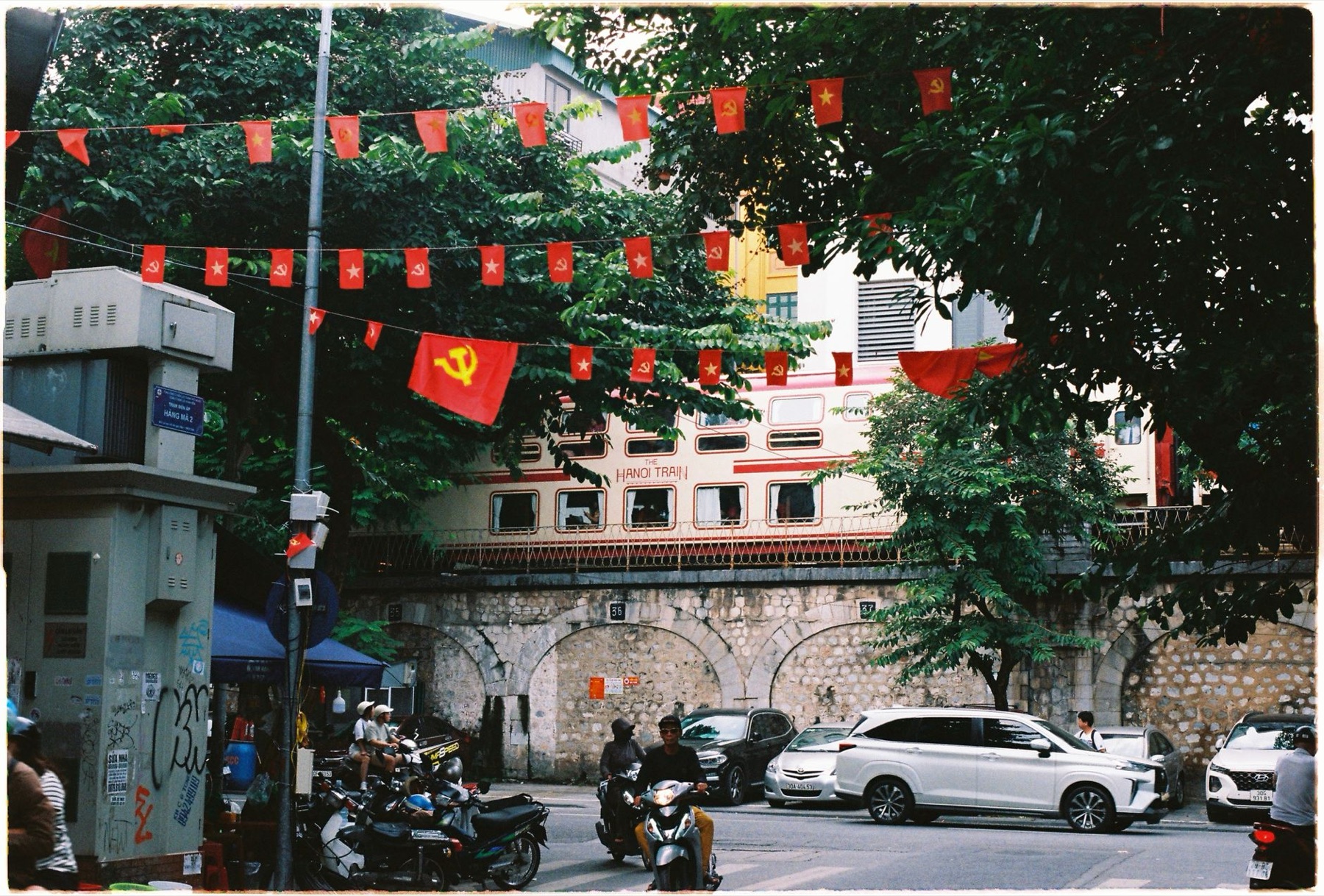
Hanoi's kitchen was shaped by centuries of Chinese influence, later refined into its own minimalist elegance. Broths simmer for hours; seasoning is subtle; fish sauce is the backbone. Signature dishes include pho (beef noodle soup), bun cha (grilled pork with rice noodles), egg coffee (whipped yolk over dark brew), and banh cuon (steamed rice rolls). Northern food costs less than the South—a bowl of pho runs around 30,000–50,000 VND ($1.20–2 USD). Markets like Dong Xuan offer ingredient-heavy meals; street corners near Ba Trieu or Ly Quoc Su serve excellent pho before 10 a.m., after which quality drops.
🗺️ Plan your route: Vietnam itinerary
Why Central Vietnam stands out for spice and seafood
The coast from Da Nang to Hoi An produces Vietnam's spiciest, most herbaceous food. Banh mi (crispy baguette with pâté, pickled vegetables, chili) originated here; so did miso-braised fish and shrimp paste dishes. Hoi An's specialty is cao lau—noodles with pork, greens, and croutons in a tamarind-light broth. Central pricing sits between North and South: banh mi costs around 25,000–40,000 VND ($1–1.60 USD); a meal of grilled seafood runs 80,000–150,000 VND ($3.20–6 USD). Street vendors cluster near Hoi An's market (Hoi An Central Market, open 5:30 a.m.–11 a.m.); evening banh mi carts appear on Nguyen Hue (Hoi An's main street) after 4 p.m. Be aware: tourist-facing banh mi near the Ancient Town charges 50,000+ VND; locals eat at carts one block inland.
🎟️ Compare tours & tickets for this place
How Southern Food Differs: Sweetness, Abundance, and Fusion
Ho Chi Minh City's palate reflects immigrant waves and fertile Mekong farms. Dishes taste sweeter, sour, and heavier—pork belly caramel (thit kho tau), fish cakes, and spring rolls define casual eating. Com tam (broken-rice with grilled pork, egg, and pickles) is the South's working-class staple: around 30,000–45,000 VND ($1.20–1.80 USD) for a full plate. Banh mi in Saigon is bigger, messier, and cheaper (20,000–35,000 VND / $0.80–1.40 USD) than the North. Tourist traps: avoid banh mi near Ben Thanh Market or District 1 tourist zones; walk to residential districts like District 5 (Chinatown) or District 10 for honest prices and queuing locals.
| Dish | Region | Price Range (VND) | Price (USD) | Best For |
|---|---|---|---|---|
| Pho bo (beef noodle) | North (Hanoi) | 30,000–50,000 | $1.20–2.00 | Breakfast, light lunch |
| Bun cha (grilled pork, noodles) | North (Hanoi) | 40,000–60,000 | $1.60–2.40 | Lunch, authentic local feel |
| Banh mi (pâté baguette) | Central (Hoi An, Da Nang) | 25,000–50,000 | $1.00–2.00 | Quick lunch, street food |
| Cao lau (tamarind noodles) | Central (Hoi An) | 35,000–70,000 | $1.40–2.80 | Dinner, local specialty |
| Com tam (broken rice + pork) | South (HCMC) | 30,000–45,000 | $1.20–1.80 | Casual lunch, filling |
| Banh hoai (Hoi An night market) | Central (Hoi An) | 15,000–30,000 | $0.60–1.20 | Street snack, evening |
Which Regions Should You Prioritize?
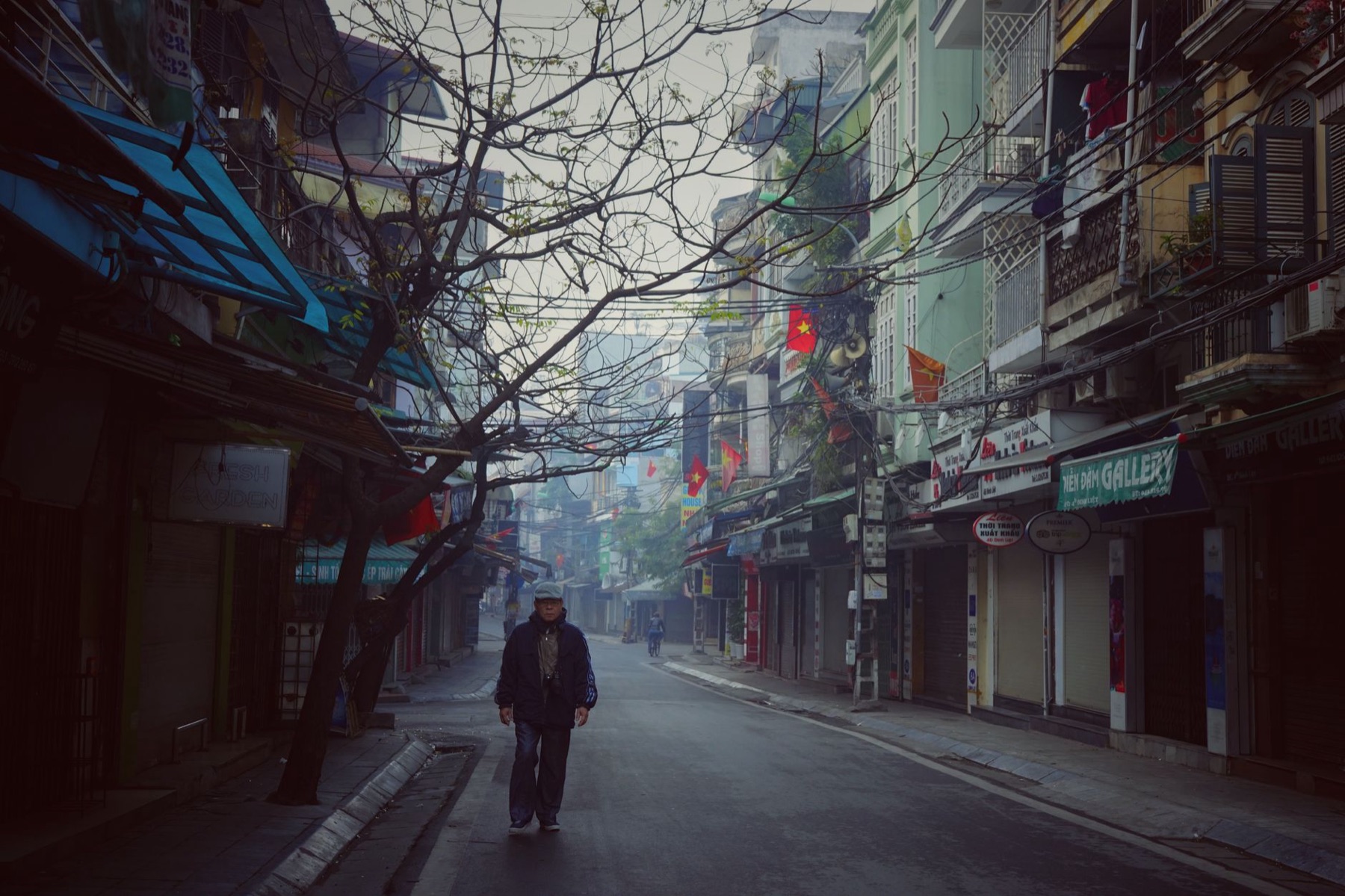
If you have one week, start in Hanoi—pho and bun cha define the North; markets like Dong Xuan and Hom market reward early mornings. Move south to Hoi An for banh mi mastery and cao lau; the Ancient Town's night market (Hoi An Central Market area, open 6 p.m.–10 p.m.) shows street-food tradition intact. End in Ho Chi Minh City for volume, fusion, and speed—com tam, banh mi, and pho variations prove the South's appetite for reinvention. If visiting Ha Long Bay or Ninh Binh as a day trip from Hanoi, expect seafood-heavy menus at inflated prices; order pho or rice dishes instead to avoid markup.
📸 Book an ao dai photoshoot in Hanoi or Saigon (Cáo Studio)
Street Food vs. Restaurant: When to Eat Where
Street stalls (5 a.m.–11 a.m., 4 p.m.–9 p.m.)
- Pho, bun cha, banh cuon: freshest at dawn.
- No seating; eat standing or squat.
- Cost: 20,000–60,000 VND per meal.
- Scam risk: minimal if you see locals eating.
Local com pho restaurants (7 a.m.–9 p.m.)
- Plastic stools, fluorescent lights, communal tables.
- Slower: food takes 10–15 minutes.
- Cost: 30,000–80,000 VND per meal.
- Quality: depends on broth age; ask how long it's been simmering.
Tourist-facing cafés (10 a.m.–10 p.m.)
- Air conditioning, Wi-Fi, English menus.
- Banh mi, pho, coffee at 40,000–150,000 VND.
- Scam risk: high if you're near temples or markets.
- Tip: request half-portions or share; portions are often oversized.
Night markets (6 p.m.–midnight)
- Hoi An's street-food night market is the gold standard.
- Multiple vendors in one zone; try 2–3 dishes for 60,000–100,000 VND total.
- Hanoi lacks formal night markets; instead, head to Thang Long Hanoi food court (a cluster of family-run stalls near Tran Quang Khai in Old Quarter) after 7 p.m.
What to Check Before You Order
- See the ingredient or broth being made. Pho broths should simmer visibly; banh mi fillings should be assembled in front of you.
- Verify the price before sitting. Ask for "gia bao nhieu?" (how much?). Street stalls post prices on chalkboards; restaurants may not.
- Eat where locals queue. A line of motorbike riders at 7 a.m. signals quality pho; an empty tourist restaurant at noon is a warning.
- Check freshness of greens. Mint, cilantro, and mustard greens should be crisp and bright, never wilted or slimy.
- Ask for no ice in juice or water. Street ice may be from untreated water; bottled water is safer and widely available for 5,000–10,000 VND.
- Carry small bills. Vendors may "run out" of change to pressure larger tips; bring 1,000–10,000 VND notes.
---
Eating in Vietnam is a masterclass in value, flavor, and cultural observation. Each region's food reflects its climate, history, and character. Start at street level—that's where you'll taste the difference between Northern restraint, Central spice, and Southern exuberance. Prices rarely exceed $3 per meal outside tourist zones; quality often exceeds restaurants costing 10 times as much. Plan 2–3 meals daily, alternate regions, and ask locals for today's best stall. The food is cheap, real, and waiting.
🗺️ Plan your route: Vietnam itinerary | 🎟️ Compare tours & tickets for this place
---
For more regional guides, explore our Hoi An food & dining guide, Ho Chi Minh City essentials, and Hanoi insider tips. If traveling on limited data, get a Vietnam eSIM or e-visa sorted first.
FAQ
Is street food safe to eat in Vietnam?
Yes, if locals are eating there too. Avoid food that sits under the sun for hours; pho and banh cuon rotate quickly. Drink only bottled water or boiled drinks. Stomach upset is rare but possible for sensitive travelers—start with bland pho, not spicy seafood on day one.
What's the difference between pho in Hanoi and Ho Chi Minh City?
Hanoi pho is clear, subtle, and broth-forward with lean beef; the bowl is smaller and costs 30,000–50,000 VND. Saigon pho is heavier, sweeter, served in bigger bowls with fatty brisket; it costs 35,000–60,000 VND. Northern pho pairs with fresh herbs; Southern pho is complete on its own.
Can I eat banh mi every day without getting sick?
Yes, if you choose clean vendors. A line of motorbike riders at lunch signals high turnover and fresh ingredients. Avoid banh mi from refrigerated cases; seek vendors making sandwiches to order. Banh mi for breakfast (around 25,000–35,000 VND) is often fresher than afternoon versions.
How do I know if a restaurant is overcharging tourists?
Check for unposted or English-only menus; if there's no Vietnamese menu, prices are inflated. Ask a local or another traveler at a nearby table. Street stalls display prices on boards; sit-down spots near temples or markets often multiply prices by 3–5x. Budget restaurants charge 30,000–80,000 VND per meal; anything under 100,000 VND is good value.
What dishes should I avoid if I have allergies?
Fish sauce is in nearly every savory dish; inform vendors if you're allergic. Peanut allergies: banh mi and spring rolls may include crushed peanuts; ask "co dau phong khong?" (any peanuts?). Shellfish allergies: avoid cao lau, seafood rolls, and fish cakes. Gluten-free is difficult; rice noodles (bun) are safer than wheat noodles (mien).
Are there vegetarian options at street stalls?
Yes, but limited. Banh mi (hold the pâté and egg, add tofu) works if you order ahead. Pho chay (vegetable pho) is rare at breakfast stalls but common at lunch. Bun cha chay (grilled tofu with rice noodles) exists but must be requested. Most stalls focus on meat; Buddhist vegetarian restaurants cluster near temples and cost 40,000–80,000 VND per meal.
FAQ
Is street food safe to eat in Vietnam?
Yes, if locals are eating there too. Avoid food that sits under the sun for hours; pho and banh cuon rotate quickly. Drink only bottled water or boiled drinks. Stomach upset is rare but possible for sensitive travelers—start with bland pho, not spicy seafood on day one.
What's the difference between pho in Hanoi and Ho Chi Minh City?
Hanoi pho is clear, subtle, and broth-forward with lean beef; the bowl is smaller and costs 30,000–50,000 VND. Saigon pho is heavier, sweeter, served in bigger bowls with fatty brisket; it costs 35,000–60,000 VND. Northern pho pairs with fresh herbs; Southern pho is complete on its own.
Can I eat banh mi every day without getting sick?
Yes, if you choose clean vendors. A line of motorbike riders at lunch signals high turnover and fresh ingredients. Avoid banh mi from refrigerated cases; seek vendors making sandwiches to order. Banh mi for breakfast (around 25,000–35,000 VND) is often fresher than afternoon versions.
How do I know if a restaurant is overcharging tourists?
Check for unposted or English-only menus; if there's no Vietnamese menu, prices are inflated. Ask a local or another traveler at a nearby table. Street stalls display prices on boards; sit-down spots near temples or markets often multiply prices by 3–5x. Budget restaurants charge 30,000–80,000 VND per meal; anything under 100,000 VND is good value.
What dishes should I avoid if I have allergies?
Fish sauce is in nearly every savory dish; inform vendors if you're allergic. Peanut allergies: banh mi and spring rolls may include crushed peanuts; ask "co dau phong khong?" (any peanuts?). Shellfish allergies: avoid cao lau, seafood rolls, and fish cakes. Gluten-free is difficult; rice noodles (bun) are safer than wheat noodles (mien).
Are there vegetarian options at street stalls?
Yes, but limited. Banh mi (hold the pâté and egg, add tofu) works if you order ahead. Pho chay (vegetable pho) is rare at breakfast stalls but common at lunch. Bun cha chay (grilled tofu with rice noodles) exists but must be requested. Most stalls focus on meat; Buddhist vegetarian restaurants cluster near temples and cost 40,000–80,000 VND per meal.
More: Hanoi guide · What to eat in Hanoi