Hanoi · Food
Food Tour Hanoi: Real Neighborhood Routes & Street Eats
By Wander in Vietnam editorial team · Hanoi, Vietnam
Food tours in Hanoi range from budget self-guided market walks (free to around $8 USD / 200,000 VND) to private guide experiences (around $40–80 USD / 1,000,000–2,000,000 VND per person). Most tours cover Old Quarter street eats, morning sticky rice, pho variations, and bia hơi beer joints. Wander in Vietnam recommends booking through local operators with English-speaking guides rather than international aggregators—you'll pay less and eat where locals actually queue.
The decision isn't which tour is "best"—it's which matches your budget, stamina, and willingness to eat standing up in a 2-meter-wide alley at 7 a.m. This guide cuts through the noise.
---
What's the real difference between group tours and private guides?
Group tours usually pack 8–15 people into a minivan or walk alongside a guide in the Old Quarter for 3–4 hours. Private guides are one family or small group (2–4 people) with a driver who tailors stops based on your diet, pace, and mood. Group tours cost around $25–35 USD (600,000–840,000 VND) per person; private guides run $50–80 USD (1,200,000–1,920,000 VND) for 2–4 people. Group tours work if you're solo and want banter; private guides suit families or those with allergies/preferences who don't want to shout over a crowd.
🗺️ Plan your route: Vietnam itinerary
---
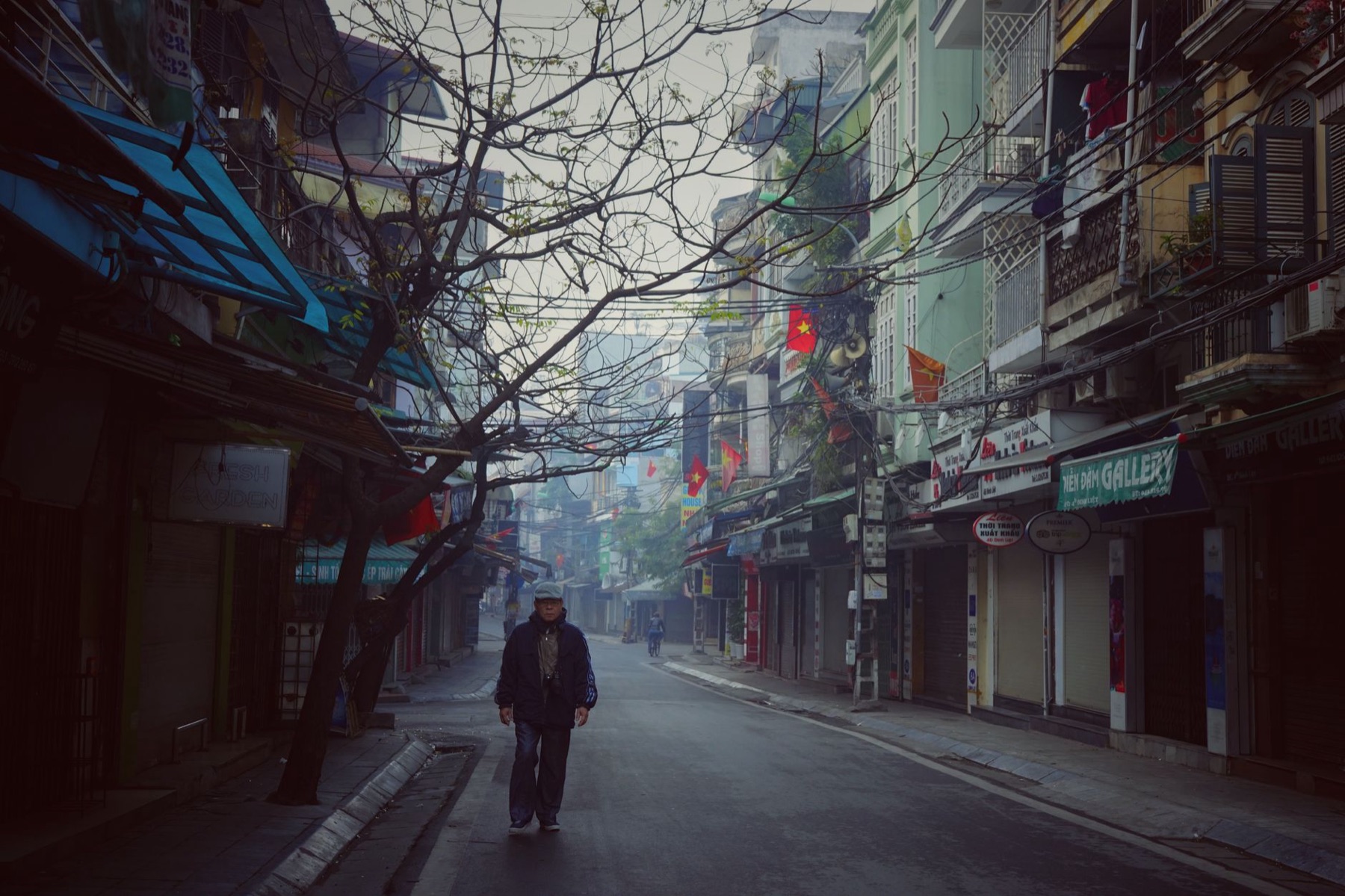
Which neighborhoods actually have the best street food?
Old Quarter (Hoàn Kiếm District): Densest tourist footfall, but Ta Hiến Street and Hang Ga are still worth an hour at dawn. Expect crowds, English speakers, and marked-up prices (banh mi around $1.50 USD / 38,000 VND instead of $0.70 / 17,000 elsewhere).
Dong Xuan Market area: Chaos, no English, real prices. Sticky rice, grilled meat on sticks, bánh cuốn (rolled rice cakes). Go alone or with a guide who speaks Vietnamese; you'll save money and eat what's actually good that morning.
Tay Ho (West Lake): Gentrified now. Good for evening beer and lake views, not breakfast hunts. Coffee and banh mi here cost 1.5× the Old Quarter.
Ba Dinh/Cau Giay: Where Hanoians actually eat. Markets shut by 9 a.m. Pho, grilled fish cakes, cơm tấm (broken-rice dishes). No tours advertise this; you'll need a local guide or map and stomach for uncertainty.
Hang Buom Street (near Hoan Kiem Lake): Breakfast alley. Sticky rice stalls, bánh mì, cơm tấm. Walkable, cheap (meal around $2–3 USD / 48,000–72,000 VND), and guides who know it will stop for 45 minutes of eating without talking.
---
How much should you actually pay and what does it include?
| Tour Type | Price (USD) | Price (VND) | Meals Included | Hours | Crowd Size | Best For |
|---|---|---|---|---|---|---|
| Self-guided walk + map | Free–$5 | 0–120,000 | None (you pay per dish) | 2–4 | Just you | Budget travelers, confident navigators |
| Group walking tour | $25–35 | 600,000–840,000 | 4–6 small bites, 1 drink | 3–4 | 8–15 people | Solo travelers, group energy |
| Private guide + transport | $50–80 | 1,200,000–1,920,000 | 6–8 bites, 2 drinks, tailored | 4–5 | 2–4 people | Families, picky eaters, flexible timing |
| Overnight market tour (Dong Xuan dawn) | $15–25 | 360,000–600,000 | 3–4 dishes | 2–3 hours (4–7 a.m.) | 4–8 people | Early risers, authentic seekers |
| Cooking class + market tour | $40–60 | 960,000–1,440,000 | Full meal you cook | 4–5 | 4–8 people | Cooks, souvenir hunters |
What's not included: transport from your hotel (most tours meet at a central point), unlimited alcohol, and tips (guides appreciate 50,000–100,000 VND / $2–4 USD if service was genuine). Cooking classes usually include recipe cards—ask if you want to take them home as keepsakes.
🎟️ Compare tours & tickets for this place
---
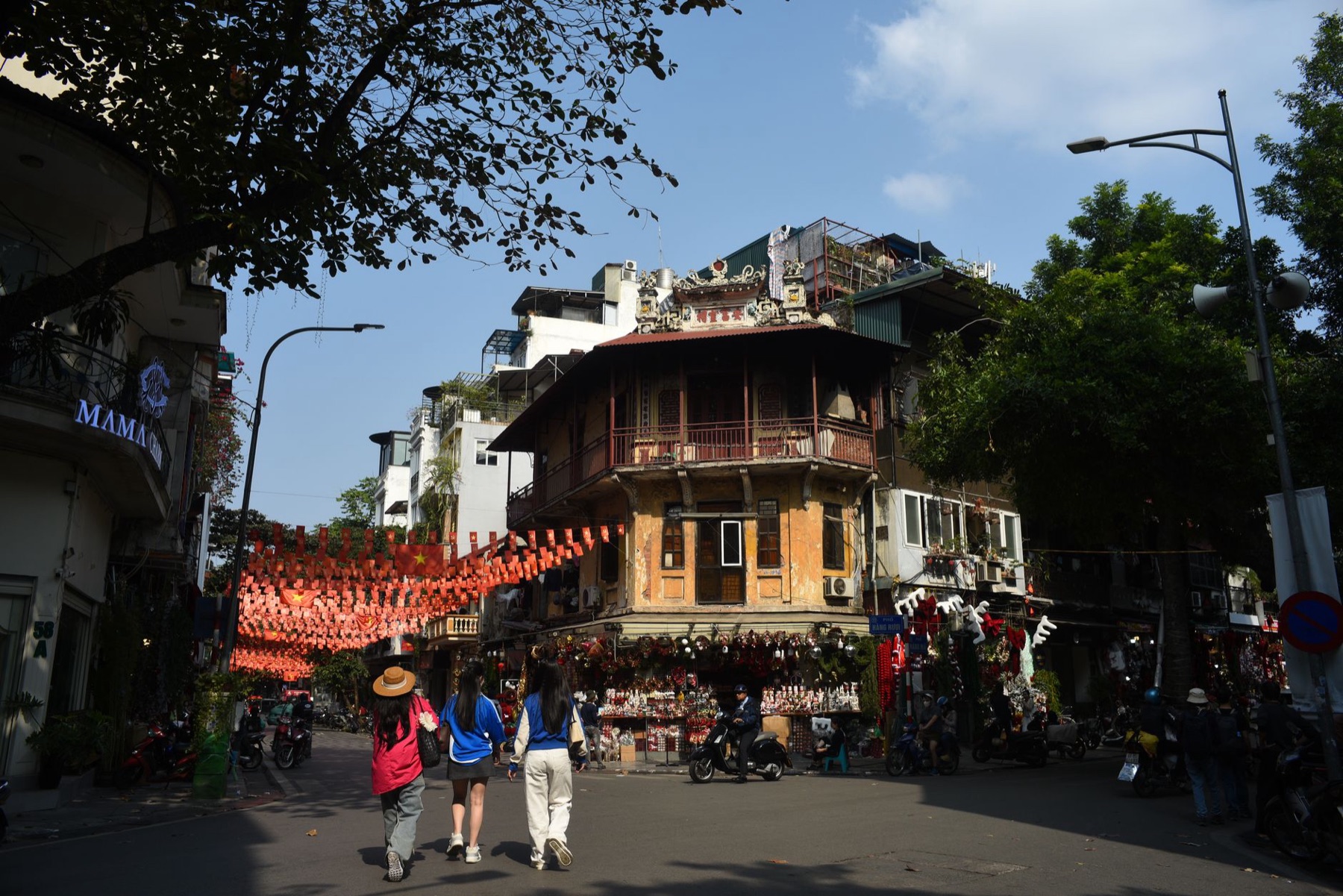
What actually goes wrong on food tours and how do you avoid it?
Scam 1: "Secret local spot" that's a restaurant paying commission. Real street food has a queue at 6 a.m., not a guide ushering you into an air-conditioned room. If your guide takes you somewhere touristy mid-tour, ask why. Legit guides know the stall owner; they'll chat in Vietnamese while you eat.
Scam 2: Overeating by design. Some tours feed you 10 tiny dishes to justify the price. You'll feel sick, not satisfied. Ask upfront: "How many stops and how much food?" Good guides say 5–6 stops with 1–2 bites each, not 8 stops with "surprises."
Scam 3: Allergies ignored. Tell your guide in writing (email, message) what you can't eat before the tour. "Vegetarian" gets murky in Vietnam (fish sauce is everywhere). Specific matters: "No shellfish, no fish sauce, no pork."
Scam 4: Paying twice—tour price + each dish. Read the fine print. Some "tours" are just a guide who walks you to stalls and you pay per item (adds up to $15–25 USD / 360,000–600,000 VND). Others include bites in the tour price. Clarify in the booking confirmation.
Scam 5: Tours that skip Dong Xuan or real markets. If your tour doesn't visit a working market where locals eat, it's watered down for comfort. Real food tours start uncomfortable.
How to avoid: Book directly with established local operators (ask your hotel or check Google Maps reviews in Vietnamese). Read cancellation policy—illness happens. Confirm the guide's phone number and meet 15 minutes early to ask questions.
---
What should you actually check before booking a food tour?
Before you click "book":
- Guide language level. "English-speaking" varies wildly. Ask for a sample message from your guide; poor grammar often means limited explanations.
- Start time. Early (6–7 a.m.) = authenticity. Mid-morning (9–11 a.m.) = stalls are closing. Evening = tourist-priced restaurants. Pick your version of "real."
- Cancellation terms. Can you reschedule if sick? Is there a deadline (24 hours before, or 48)?
- What "included" actually means. Does the price cover every bite or just access? Are drinks included or $1–2 USD extra each?
- Group size cap. Anything over 12 people gets chaotic. Ask the operator to confirm your group won't balloon.
- Guide's actual job. Are they a food expert, a history guide who eats, or a driver who points? Your answer changes what you learn.
- Dietary flexibility. Will they add vegetarian stops mid-tour, or is the itinerary fixed?
- Payment method & receipt. Credit card with buyer protection beats cash to a stranger.
Red flags:
- "Best food tour in Hanoi" claims (subjective; move on).
- No guide name or bio.
- Prices way lower than competitors (they're cutting corners).
- No WhatsApp/Viber contact—only email (harder to ask questions fast).
---
When should you skip a tour and self-guide instead?
Skip if: you speak Vietnamese, you love maps and spontaneity, you're staying 5+ days (time to wander), or you're on a tight budget. A self-guided food crawl costs under $10 USD (240,000 VND) and moves at your pace.
Self-guide checklist:
- Download offline maps (Google Maps, or Maps.me). Data isn't guaranteed in alleys.
- Pick one neighborhood. Don't try Old Quarter + Tay Ho + Ba Dinh in a morning; you'll miss depth.
- Go early. 6–8 a.m. for breakfast stalls; they close by 10 a.m.
- Cash in hand. Most stalls don't take cards. Bring 500,000 VND / around $20 USD minimum.
- Learn 5 words: "một cái" (one), "mấy tiền?" (how much?), "không cay" (not spicy), "cảm ơn" (thanks), "ngon quá" (delicious).
- Stop where there's a line. Queues mean fresh, cheap, and loved by locals.
- Ask a stall owner to recommend the next dish. They know neighbors; you'll eat better.
- Eat standing. Tables = tourist markup.
🗺️ Plan your route: Vietnam itinerary
---
If you're torn between tours, a private guide is worth it if you're with 2+ people; a group tour if you're solo and want to meet others. Self-guided works if you have time and patience. All three beat restaurant hopping.
📸 Book an ao dai photoshoot in Hanoi or Saigon (Cáo Studio)
---
Bring a keepsake home: After your food tour, consider a custom photo print or engraved box to capture the memory—or send flowers to someone back home and tell them about the bánh mì you ate for $0.60 USD.
For deeper dives into Hanoi's neighborhoods, see our full Hanoi food guide. Planning a multi-city trip? Compare food scenes in Ho Chi Minh City, Hoi An, and Sapa. And before you go, sort out your Vietnam e-visa and eSIM.
FAQ
How early do I need to wake up for an authentic Hanoi food tour?
6–7 a.m. is ideal; stalls close or reduce portions by 9–10 a.m. Group tours usually start at 8 a.m., which means you'll hit tail-end crowds. Self-guided or private guides can start at 5:30 a.m. if you're serious.
Is it safe to eat from street stalls in Hanoi?
Yes, especially busy ones with high turnover. Stalls with long queues move fast; food doesn't sit. Avoid anything sitting in the heat over 2 hours. Wash hands before eating, bring hand sanitizer. Locals eat here daily without issue.
What's the best food tour for someone with a shellfish allergy?
Private guides are safest—you can brief them in writing, and they'll translate your needs at each stall. Group tours make it harder because stops are fixed. Cooking classes are good too; you see every ingredient before it's cooked.
Can I do a food tour if I don't speak English well?
Yes. Download Google Translate's camera feature, go self-guided, or hire a Vietnamese-speaking guide through a local operator (cheaper than English guides). Some stalls have pictures; point and nod works too.
What's the difference between a food tour and a cooking class?
Tours show you where locals eat; cooking classes teach you how to make 2–3 dishes, then you eat them. Tours cost $25–80 USD, are 3–4 hours, and give breadth. Classes cost $40–70 USD, are 4–5 hours, and you leave with recipes and skills. Choose tours for discovery, classes for keepsakes.
Do I tip my food tour guide?
Tips aren't mandatory but are appreciated. 50,000–100,000 VND ($2–4 USD) is standard if your guide was informative, patient, and patient with your questions. Hand it over at the end discreetly.
Can I book a food tour the day before, or do I need to reserve weeks ahead?
Group tours usually allow 24–48 hours' notice. Private guides appreciate 3–5 days. Cooking classes and overnight market tours fill up faster; book 1–2 weeks ahead if traveling in high season (Oct–Apr).
FAQ
How early do I need to wake up for an authentic Hanoi food tour?
6–7 a.m. is ideal; stalls close or reduce portions by 9–10 a.m. Group tours usually start at 8 a.m., which means you'll hit tail-end crowds. Self-guided or private guides can start at 5:30 a.m. if you're serious.
Is it safe to eat from street stalls in Hanoi?
Yes, especially busy ones with high turnover. Stalls with long queues move fast; food doesn't sit. Avoid anything sitting in the heat over 2 hours. Wash hands before eating, bring hand sanitizer. Locals eat here daily without issue.
What's the best food tour for someone with a shellfish allergy?
Private guides are safest—you can brief them in writing, and they'll translate your needs at each stall. Group tours make it harder because stops are fixed. Cooking classes are good too; you see every ingredient before it's cooked.
Can I do a food tour if I don't speak English well?
Yes. Download Google Translate's camera feature, go self-guided, or hire a Vietnamese-speaking guide through a local operator (cheaper than English guides). Some stalls have pictures; point and nod works too.
What's the difference between a food tour and a cooking class?
Tours show you where locals eat; cooking classes teach you how to make 2–3 dishes, then you eat them. Tours cost $25–80 USD, are 3–4 hours, and give breadth. Classes cost $40–70 USD, are 4–5 hours, and you leave with recipes and skills. Choose tours for discovery, classes for keepsakes.
Do I tip my food tour guide?
Tips aren't mandatory but are appreciated. 50,000–100,000 VND ($2–4 USD) is standard if your guide was informative, patient, and patient with your questions. Hand it over at the end discreetly.
Can I book a food tour the day before, or do I need to reserve weeks ahead?
Group tours usually allow 24–48 hours' notice. Private guides appreciate 3–5 days. Cooking classes and overnight market tours fill up faster; book 1–2 weeks ahead if traveling in high season (Oct–Apr).