Hanoi · Food
Food Tour Hanoi Vietnam: Real Street Eats & Walking Routes
By Wander in Vietnam editorial team · Hanoi, Vietnam
Hanoi's street food is the city's true face. Tourists who eat at rooftop restaurants miss it. The catch: pickpockets, language barriers, and vendors who know you're foreign make solo exploration risky.
We've walked Hanoi's food alleys for years. Here's how to do it right—and what to skip.
Why A Guide Beats Going Alone
Walking solo through Ta Hien Street at night with a full wallet is how you lose it. A guide does three things: shows you which stall's clean, translates the menu so you don't order pig blood by accident, and negotiates price. Budget around $40–60 USD for a 3-hour evening walking tour with a guide (food not always included). Group tours are cheaper; private tours cost 30–50% more but you control the pace.
Guides also skip the Instagram-bait spots. The pho place where 500 tourists eat daily? Mediocre. The 40-year-old shop in a 2-meter-wide alley where locals queue at 6am? That's where a guide takes you.
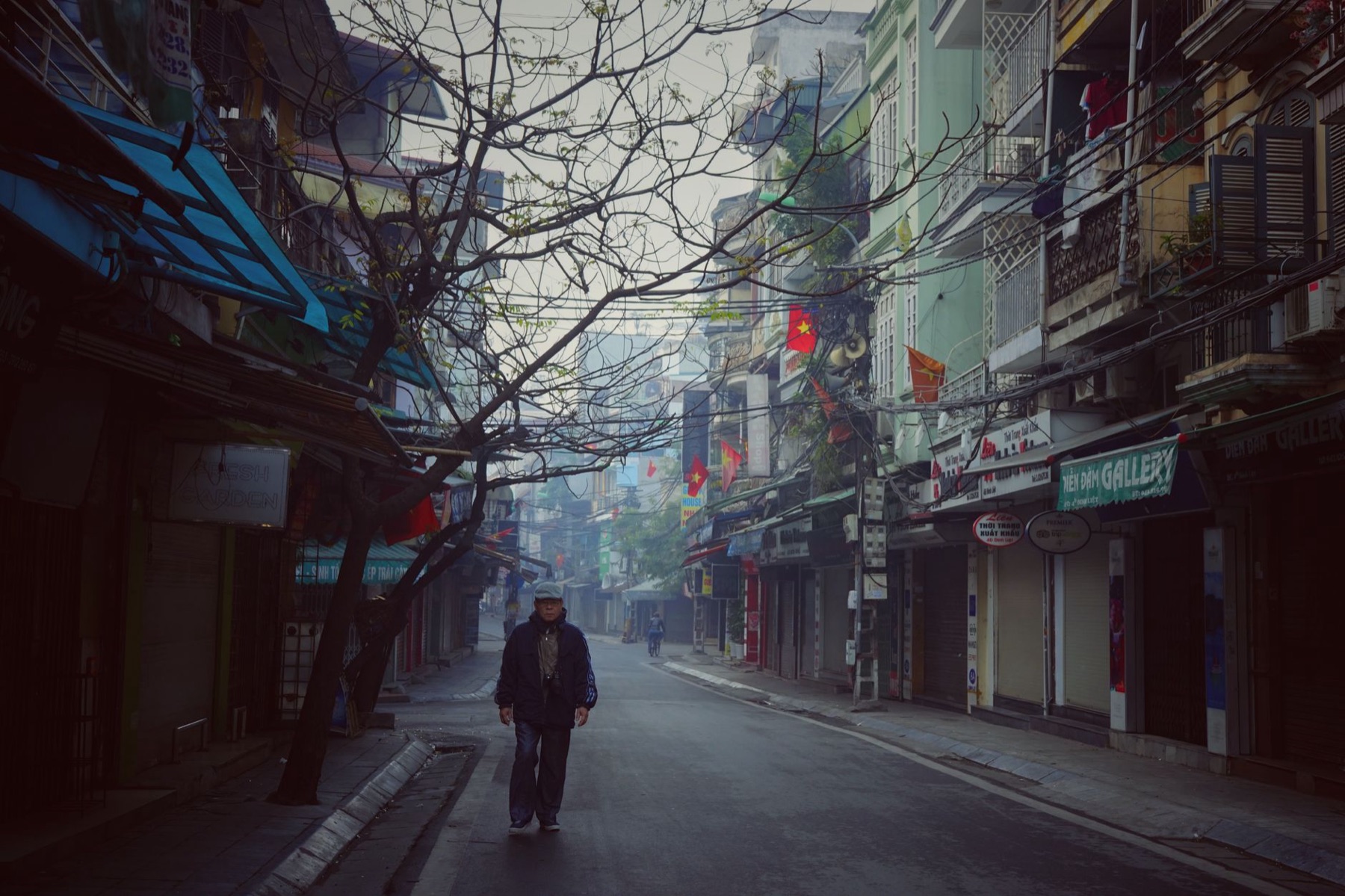
Self-Guided Old Quarter Routes: Neighborhoods to Map
Hang Ga Ward (north of Hoan Kiem Lake): Narrow streets, egg coffee shops, local breakfast spots. Start Ta Hien Street early (6–7am) before crowds. Egg coffee costs around 25,000–40,000 VND ($1–$1.50 USD). Walk south to Hang Buom, Hang Manh for pho shops.
Dong Xuan Market area (Hoan Kiem District): Raw fish, street meat vendors, chaos. Breakfast here is real—no English menus, no tourists. Go 6–8am. A bowl of pho runs 30,000–50,000 VND ($1.20–$2 USD).
Cau Go / Hoan Kiem Lake edges: Slower pace, fish cakes, spring roll stalls. Evening walking is safer here. Less raw-throat haggling.
Nguyen Huu Huan Street (southeast, near Hang Trong): Banh mi, banh cuon (steamed rolls), less crowded than Old Quarter. You'll see Hanoi locals, not tourists.
Don't wander west of Hang Be Street alone after dark—it's poorly lit and pickpockets work in pairs.
Cooking Classes vs. Walking Tours: Which Fits Your Trip?
| Option | Best for | Duration | Cost | What you get | Drawback |
|---|---|---|---|---|---|
| Walking tour (group) | Budget travelers, short stay | 2–4 hours | $25–50 | Local guide, 5–8 stops, translation | Fixed route, rushed eating |
| Walking tour (private) | Couples, dietary needs | 2–4 hours | $60–100 | Personalized pace, negotiated stops | Must book ahead, pricier |
| Half-day cooking class | Foodies, longer stay (3+ days) | 4–6 hours | $50–90 | Learn technique, take home skills | Less about streets, more hands-on |
| Solo with map app | Confident, adventurous | 1–3 hours | $5–15 (food only) | Total freedom, low cost | Language barrier, may miss best stalls |
Cooking classes teach knife work and broth technique but keep you indoors. Walking tours show you where locals eat. Pick one: if you're in Hanoi 2 days, do a tour. If 5+ days, do both.
🗺️ Plan your route: Vietnam itinerary
Dishes Everyone Orders But Honestly Rates Wrong
Pho: Soup noodle. The broth matters—cheap pho tastes like hot salt water. A real bowl (beef or chicken) takes 12+ hours simmering. Pay 40,000–60,000 VND ($1.50–$2.50 USD) for decent pho; anything under 30,000 VND is a warning. The best pho shops open 6–10am only—they sell out.
Egg Coffee (Cà Phê Trứng): Egg yolk whipped into sweetened cream, stirred into strong coffee. Trendy, Instagram-famous, overpriced in touristy cafés. A real egg coffee costs 30,000–40,000 VND ($1.20–$1.60 USD). Tourist spots charge 60,000–80,000 VND ($2.40–$3.20 USD) for the same thing.
Banh Mi: Crispy baguette, pâté, pickled veg, optional meat. A proper banh mi is 20,000–35,000 VND ($0.80–$1.40 USD). It's street food, not fancy. Avoid shops with plastic chairs and English menus—price just jumped 50%.
Cha Ca (turmeric fish): Fish paste, vermicelli, dill, shrimp. It's a specialty. Only one street does it well: Cha Ca La Thanh (Hoan Kiem District). A plate costs around 60,000–80,000 VND ($2.40–$3.20 USD). Don't expect it on random corners.
Spring Rolls (Banh Cuon): Steamed rice rolls, minced pork, mushroom. Soft, delicate. Usually eaten for breakfast or lunch. A plate (3–4 rolls) costs 20,000–40,000 VND ($0.80–$1.60 USD). Roll your own at the table—it's part of the ritual.
Street Food Safety: What Actually Works
Vendor turnover = safety. If a stall serves 100 bowls of pho daily, ingredients move fast. Stagnant stock kills. Pick busy stalls.
Boiling water is your friend. Noodle soups, hot broths kill bacteria. Cold items (salads, fresh spring rolls) carry higher risk if the water used wasn't clean.
Cash-only stalls are often better. They're family-run, not trying to upsell tourists on card machines. Also: no online reviews to fake, so reputation is real.
Avoid these situations:
- Vendor insists you sit immediately (scam setup).
- Menu in English only, prices per item (not negotiated bowls).
- Motorbike taxis waiting outside (commission kickback—they'll take you to a marked-up place).
- Food sitting under a heat lamp for hours.
Do this instead:
- Ask your hotel staff where they eat breakfast.
- Follow locals off the main street.
- Eat standing up at the stall (freshness guarantee).
- Pay when eating, not before.
📸 Book an ao dai photoshoot in Hanoi or Saigon (Cáo Studio)
What To Check Before You Book A Tour
1. Guide language. Confirm your language is spoken natively, not broken English from a non-native. Ask for a guide name, check reviews mentioning language.
2. Food included or separate? Some tours charge $35 and food is extra ($20–30). Others bundle it. Know upfront.
3. Group size. 4–6 people is ideal. 12+ people means one stop per stall, no time to chat locals or ask questions.
4. Start time and meeting spot. Evening tours (5–8pm) are safer than daytime. Meet at a major landmark, not a dark alley. Verify the exact address.
5. Dietary notes. Tell the tour operator if you're vegetarian, shellfish-allergic, or avoid pork. They'll adjust or warn you.
6. Cancellation policy. Free cancellation up to 24 hours? Non-refundable? This matters if weather, fatigue, or plans change.
7. Hidden costs. Ask if tips, water, or dessert cost extra. A $50 tour shouldn't become $80 at the end.
Query Google Maps or TripAdvisor for the tour operator's name + "Hanoi" before booking. If reviews mention "guide didn't show" or "wrong location," move on.
Beyond Old Quarter: Neighborhoods Worth A Food Walk
Hoan Kiem District (Hang Be, Hang Buom area): Denser alleys, fewer tourists, real prices. Walk here on a weekday morning. You'll see market runners, families, zero selfie sticks.
Ba Dinh District (Tran Hung Dao Street, near Ho Tay): West Lake area. Pricier stalls, cleaner, less chaotic. Good if Old Quarter feels too aggressive.
Tay Ho Ward: Lakeside, upscale street food. More expensive but less crowded. Worth it if you want ambiance with your meal.
Thanh Xuan District (Nguyen Trai Street): University area, student prices, local energy. Very few tourists. Feels authentically Hanoi.
🎟️ Compare tours & tickets for this place
Souvenirs & Gifts From Hanoi's Food Scene
If you want to take the experience home, consider keepsake items related to Hanoi's food culture. Look for personalized kitchen items or food-themed prints from local artisans—these make better gifts than mass-produced condiments. Alternatively, a custom photo print or illustrated map of your favorite food spots can remind you of the exact alley where you ate the best pho.
We've also partnered with Hoa Lang Thang (flower delivery in Hanoi) if you want to gift a Hanoi local something fresh after returning home.
Quick Hanoi Food Reference
- Pho shops: Open 6–10am, closed midday, reopen 4–9pm.
- Banh mi carts: 6–11am, then disappear.
- Egg coffee: 7am–6pm, slower crowds after 10am.
- Markets: Dong Xuan 6–10am, Hom Market 6–7am (locals only).
- Restaurant hours (regular): 11am–1pm lunch, 5–8pm dinner.
Budget for street food: $3–7 USD per person for a meal (3 stops). Add $40–60 USD for a paid guide if you go that route.
For broader context on what to do beyond food, check our full Hanoi guide and pillar on Hanoi food. If you're touring Vietnam, our itinerary planner covers food stops in other cities—Ha Long Bay seafood tours, Hoi An cooking classes, Ninh Binh rural meals—so you can compare Hanoi's street energy to quieter regional flavors.
Heading south? Check Ho Chi Minh City's food scene for a different take on Vietnamese cuisine.
FAQ
Is it safe to eat street food in Hanoi if I have a sensitive stomach?
Yes, if you follow rules: eat at busy stalls (high turnover), avoid raw salads, drink bottled water, and avoid street food on your first day (let your gut adjust). Most traveler illness comes from hotel tap water or sitting too long in heat, not the stall itself. Street vendors are professionals; their reputation depends on not poisoning regulars.
Do I need to speak Vietnamese to eat well in Hanoi?
No. Point to what others are eating, use Google Translate's camera function for menus, or hire a guide for 2–3 hours to learn where to go solo. Locals appreciate effort; poor pronunciation is forgiven, but politeness isn't.
What's the difference between a food tour and a cooking class?
Tours show you where locals eat and why; classes teach you how to cook. Tours are 2–4 hours and cheaper ($25–60). Classes are 4–6 hours, cost $50–90, and result in skills you keep forever. Do a tour first to taste what you might want to learn.
How much should I tip a food tour guide?
10% of the tour price is standard. If the guide was exceptional, 15% is kind. Tips aren't mandatory in Vietnam, but guides are often low-wage and yours made your experience. Cash is better than card.
Can I do a food tour solo, or are they only for groups?
Both exist. Group tours run daily and cost less ($25–50); private tours ($60–100+) are better for one person or a couple. Solo travelers often join group tours and make friends. Check the booking page—it'll say "private" or "small groups."
FAQ
Is it safe to eat street food in Hanoi if I have a sensitive stomach?
Yes, if you follow rules: eat at busy stalls (high turnover), avoid raw salads, drink bottled water, and avoid street food on your first day (let your gut adjust). Most traveler illness comes from hotel tap water or sitting too long in heat, not the stall itself. Street vendors are professionals; their reputation depends on not poisoning regulars.
Do I need to speak Vietnamese to eat well in Hanoi?
No. Point to what others are eating, use Google Translate's camera function for menus, or hire a guide for 2–3 hours to learn where to go solo. Locals appreciate effort; poor pronunciation is forgiven, but politeness isn't.
What's the difference between a food tour and a cooking class?
Tours show you where locals eat and why; classes teach you how to cook. Tours are 2–4 hours and cheaper ($25–60). Classes are 4–6 hours, cost $50–90, and result in skills you keep forever. Do a tour first to taste what you might want to learn.
How much should I tip a food tour guide?
10% of the tour price is standard. If the guide was exceptional, 15% is kind. Tips aren't mandatory in Vietnam, but guides are often low-wage and yours made your experience. Cash is better than card.
Can I do a food tour solo, or are they only for groups?
Both exist. Group tours run daily and cost less ($25–50); private tours ($60–100+) are better for one person or a couple. Solo travelers often join group tours and make friends. Check the booking page—it'll say "private" or "small groups."
More: Hanoi guide · What to eat in Hanoi