Hanoi · Food
Food Tours in Hanoi: Honest Picks for Every Budget & Traveler Type
By Wander in Vietnam editorial team · Hanoi, Vietnam
Hanoi's food scene isn't gentle. Vendors shout, motorbikes swerve past your elbow, and that plastic stool is probably damp. Food tours range from anarchic street crawls where a local guide points and you order blind, to polished cooking-school experiences where you knead dough under a chef's eye. The right choice depends on your travel style, budget, and stomach confidence.
What's the Difference Between a Street Food Walk & a Market Tour?
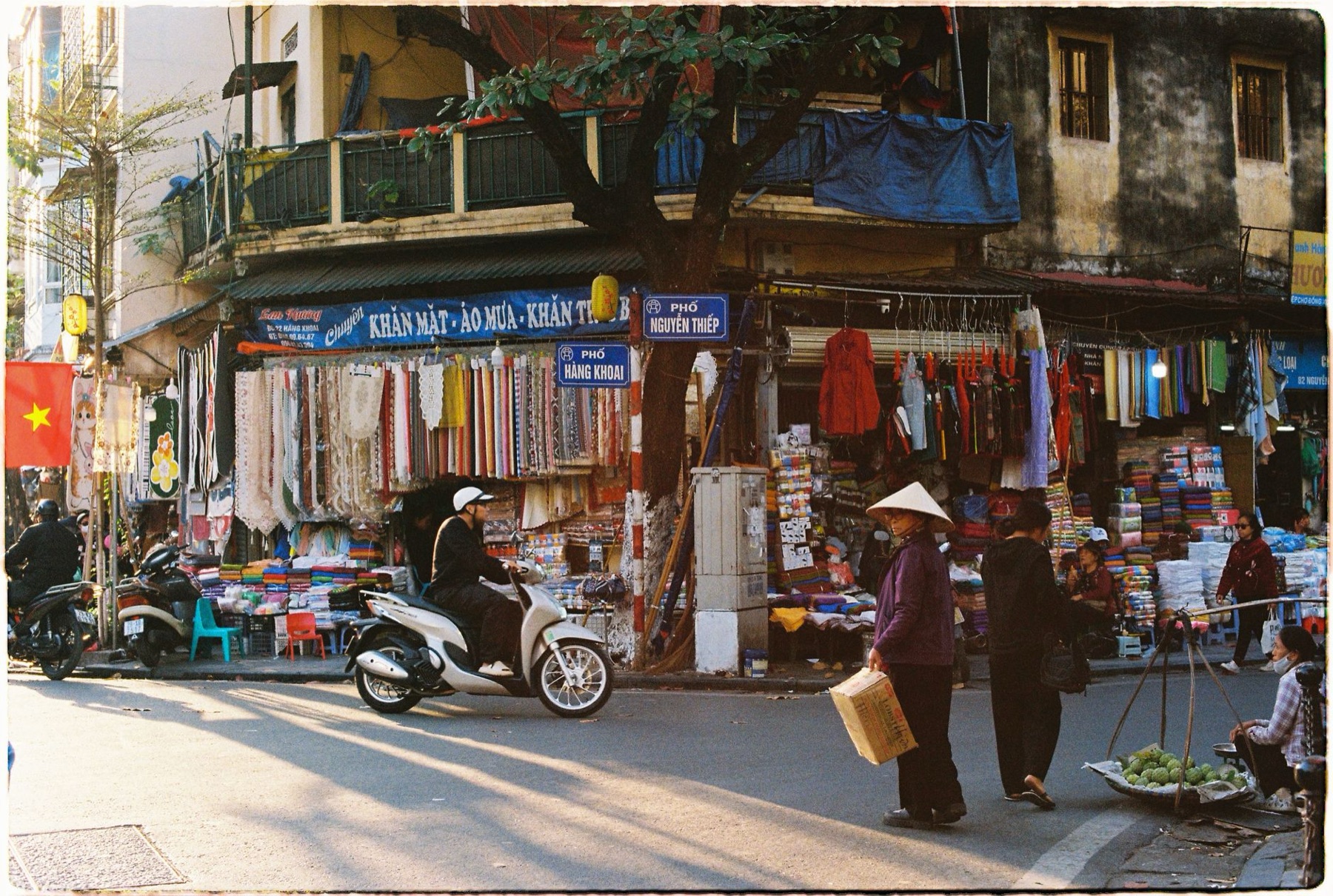
Street-food walks ($15–30 USD, typically 2.5–3 hours) hit active eating spots: pho stalls, bun cha corners, crab-paste noodle vendors. You stop, you eat, you move. Market tours ($20–35 USD, usually 3–4 hours starting 6–7 a.m.) take you to Dong Xuan or Old Quarter produce markets before breakfast rush, explaining dried shrimp grades, how to pick morning-glory, why certain vendors charge less. Street walks are social chaos; market tours are educational and quieter but require waking early and being OK with raw ingredients, not cooked meals.
🗺️ Plan your Hanoi route: Complete city guide
Which Tour Style Fits Your Comfort Level?
| Tour Type | Best For | Typical Price | What You Actually Do | Reality Check |
|---|---|---|---|---|
| Street food walk | Budget, social, adventurous | $15–30 | Stop at 4–6 spots, eat standing up, guide translates menus | Very crowded, loud, unpredictable portion sizes |
| Market + breakfast | Early risers, food nerds, photographers | $20–35 | Browse stalls, buy ingredients, sit down to eat with locals | Starts 6–7 a.m.; smelly (fish paste, tripe); not a meal service |
| Cooking class | Hands-on learners, dietary control, couples | $45–80 | Prep ingredients, cook 3–4 dishes, eat your work in class | English-speaking instructors; all-inclusive; half-day time commitment |
| Evening beer + bites tour | Social, less rushed, cultural depth | $25–40 | Visit bia hoi bars, eateries, small eateries in Old Quarter or Tay Ho | Beer is cheap (around $0.50–1 USD per glass), portions big; sunset timing |
How Do Prices Actually Work, & What Are Hidden Costs?
Budget street walks cost $15–25 USD per person and include guide only; meals ($3–8 USD per dish) are your own bill. Mid-range hybrid tours (market + cooking, or full-day experiences) run $45–65 USD and usually cover ingredients, instruction, and one full meal. Premium cooking classes in spaces like Ba Dinh or Cau Giay districts cost $60–80 USD and include hotel pickup, all dishes, a recipe booklet, and sometimes wine pairings.
Watch for: tours claiming "10 stops" but rushing through in 2 hours (skip); guides who get commission at restaurants they recommend (they'll steer you to overpriced spots); "free" walking tours that push $20+ tips; tours that don't list what you'll actually eat or cook.
🎟️ Compare tours & tickets for this place
Should You Book Online in Advance or Find a Guide On the Street?
Online advance booking (via Airbnb Experiences, local tour operators' websites, or hotels) costs 10–20% more but guarantees a time, language, and small group (6–12 people). Street pickups in Old Quarter (hang out near Hoan Kiem Lake or Dong Xuan entrance) start around 6–7 p.m. and cost less ($12–20 USD) but are larger (15–25 people), guides vary wildly, and you have no recourse if it's bad. We recommend pre-booking if you have dietary restrictions, speak only English, or want to avoid tourist-heavy crowds. Street pickups work if you're solo, flexible, and OK with unpredictability.
Scams: "Free" walking tours that suddenly demand $25+ tips; guides who claim restaurants are "closed today" and redirect you to a commission-heavy alternative; tours that oversell and pack 40 people into narrow alley spaces.
What Should You Check Before Booking?
- Group size limit. 8–12 is intimate; 20+ is a school trip. Ask outright.
- What's included. Meals only? Drinks? Cooking ingredients? Hotel pickup?
- Duration. 2.5 hours vs. 4 hours changes how rushed you feel.
- Timing. Early morning (6–7 a.m.) = quieter, fresher produce; evening (5–8 p.m.) = beer culture, sunset, more crowded.
- Language & guide background. Native English speaker? Former chef? Local born and raised? Big difference in quality.
- Refund policy. Can you cancel 48 hours prior? Most reputable operators allow it.
- Dietary needs. Vegetarian, allergies, religious restrictions—tell them upfront. Some tours can't accommodate; better to know.
- Weather backup. Rainy season (May–September) can flood Old Quarter. Ask if tour relocates or refunds.
📸 Book an ao dai photoshoot in Hanoi or Saigon (Cáo Studio)
Real Neighborhoods Where Tours Actually Happen
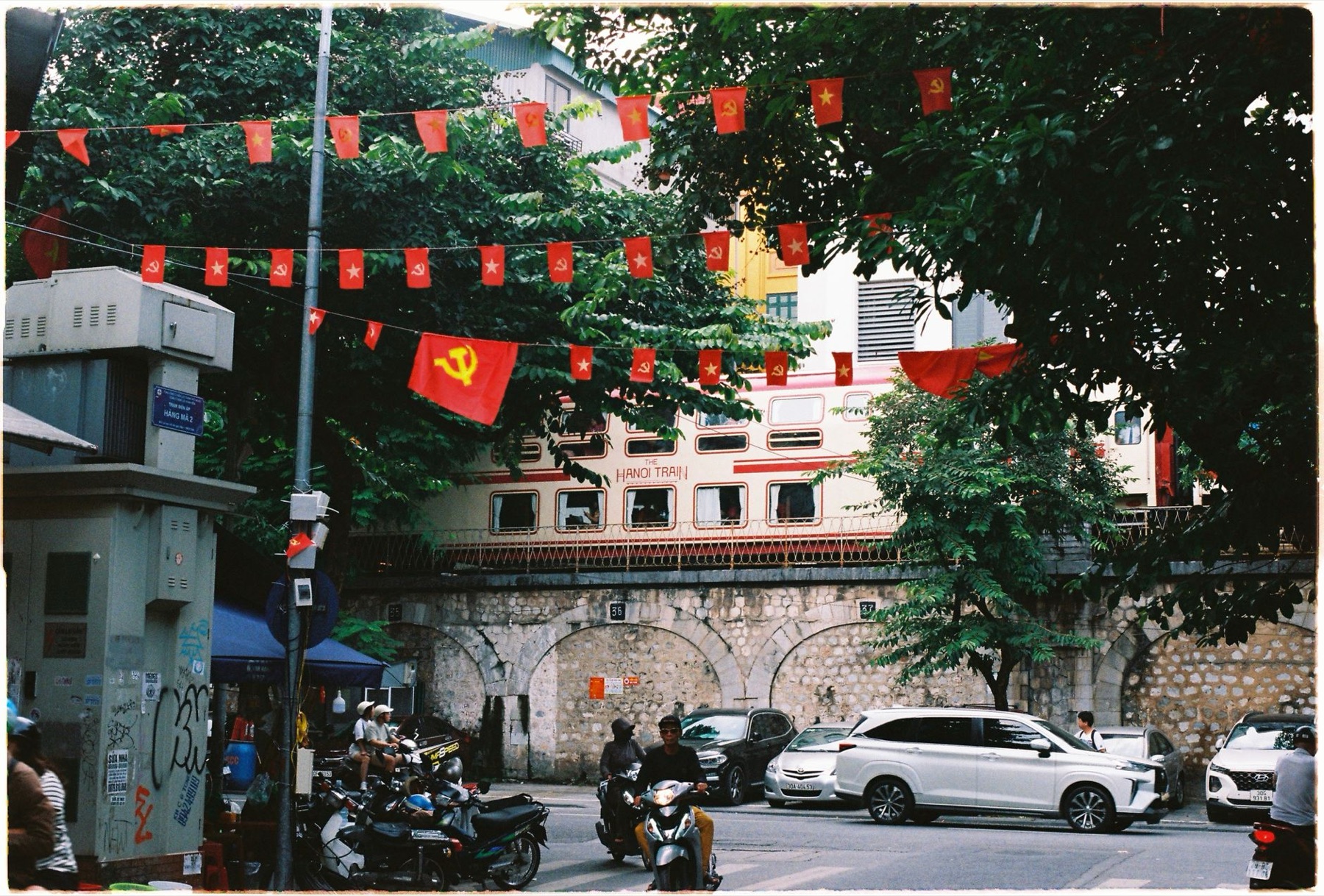
Old Quarter (Hoan Kiem area): Tight alleys, street stalls, pho joints, banh mi corners. Most tours start here because it's dense and walkable. Expect: crowds, motorbikes, photo ops. Downside: tourist-driven pricing and staged authenticity.
Tay Ho (West Lake): Upscale cooking classes and evening beer-bar crawls. Quieter than Old Quarter, better for cooking schools. Expect: air-conditioned kitchens, English menus, calmer vibe. Downside: less "local" feeling, pricier.
Dong Xuan Market area (around Long Bien Bridge): Proper market tours with produce vendors, seafood stalls. Very Vietnamese, early morning. Expect: fish guts, shouting, no English, authentic pricing. Downside: not for the squeamish.
Ba Dinh district: Home to several mid-range cooking schools and upscale street-food tours. Less touristy than Old Quarter, more space to move. Expect: restaurants that host classes, professional guides.
How Food Tours Fit Into a Broader Hanoi Trip
A street food walk (3 hours, $20–30 USD) is best on arrival day to orient yourself and build appetite. A market tour (4 hours, $25–35 USD) works the next morning. If you have 3+ days, a cooking class (half-day, $50–75 USD) leaves the afternoon free for Hanoi's temples, museums, or day trips to Ha Long Bay or Ninh Binh. Evening beer tours suit your last night or a cultural buffer day.
🗺️ Plan your Hanoi route: Complete city guide
Many travelers combine: Day 1 evening = street food walk to settle jet lag and stomach. Day 2 early = market tour. Day 3 morning = cooking class or second street walk in a different neighborhood (e.g., if you did Old Quarter, try Ba Dinh or Tay Ho). This hits major food neighborhoods without exhaustion.
Honest Take: Which Tours Are Overrated?
"10-stop" budget tours often cut corners, serve generic pho and banh mi, and rush so fast you can't chew. Real 10-stop tours last 5+ hours and cost $40+; anything cheaper is theatrical.
Rooftop beer tours look Instagram-friendly but charge triple for location. Better to find a local bia hoi (corner beer stall) for $1 beer and street snacks ($2–4 USD).
"Exclusive locals only" experiences sold by hotels are usually just 8–10 tourists + one guide hitting the same 4 stalls as every other tour.
Night tours in Old Quarter can be overcrowded (20–30 people) and overhyped. Early morning or early evening (5–6 p.m.) is actually better for food quality and fewer tourists.
Best-value tours: small-group (≤8 people) street walks run by independent guides or local hostels ($15–25 USD), cooking classes in Ba Dinh or Tay Ho ($45–60 USD, hands-on), and early-morning market tours ($20–30 USD).
Before You Book: Final Checklist
- Do you want to eat or learn? (Street walk vs. cooking class)
- How early can you wake? (Market tours = 6–7 a.m. start)
- Are you comfortable eating strangers' food or do you need controlled ingredients?
- Budget ceiling? ($15 = street walk; $50+ = class or upscale hybrid)
- Solo, couple, or group? (Group size affects tour selection)
- Rain forecast? (Hanoi's humid; July–August can flood alley stalls)
- Dietary restrictions? (Alert operator now; some can't handle vegetarian-only)
- How much English? (Some guides speak minimal English; others are fluent; clarify upfront)
🎟️ Compare tours & tickets for this place
---
More Hanoi Food & Travel Resources
- Full Hanoi food guide: dishes, markets, neighborhoods
- Vietnam itinerary planner: fit tours into your trip
- Day trips from Hanoi: Ha Long Bay, Ninh Binh, Sapa | /ninh-binh | /sapa
- Vietnam eSIM & visa info for independent travelers | /vietnam/visa
---
FAQ
Is it safe to eat street food in Hanoi food tours?
Yes—reputable tours hit busy, fast-turnover stalls where food is fresh and cooked to order. Avoid very remote or empty stalls. Your immune system may need 2–3 days to adjust; start with lighter broths, not spicy tripe. Bring a small bottle of hand sanitizer and watch vendors' hygiene. Most travelers have no issues.
What's the cheapest legit food tour in Hanoi?
Street-food walks run $15–25 USD via local hostels or independent guides in Old Quarter. These are real, group-based, and include guide only (meals are separate, $3–8 USD each). Online pre-booked tours cost slightly more ($20–35 USD) but guarantee small groups and time. Avoid "free walking tours" that pressure $20+ tips afterward.
Can I do a food tour if I'm vegetarian?
Yes, but inform the operator 3–5 days in advance. Most street tours center pho, bun cha, and seafood; vegetarian alternatives exist (pho chay, banh chay, com tam chay) but require guide coordination. Cooking classes are easier: instructors can teach vegetable stir-fries, tofu dishes, and spring rolls. Expect 20–30% higher cost for dietary customization.
How early do market tours start, and why?
6–7 a.m. Markets peak 5–8 a.m. when vendors are unpacking and prices are best. Later tours (9+ a.m.) hit picked-over stalls and morning rush is over, so the energy is gone. Early tours include a full breakfast; you'll be back at your hotel by 10–11 a.m.
Should I tip my food tour guide?
Yes. $3–5 USD (around 75,000–120,000 VND) is standard for 2–3 hour tours; $8–10 USD (around 200,000–240,000 VND) for full-day or cooking classes. Some operators include tip in the tour price—ask upfront. Tipping is not mandatory but expected and appreciated.
What's the rainy season, and will my food tour cancel?
Hanoi's monsoon is May–September; heaviest July–August. Most street tours proceed in light rain (it clears stalls of tourists, ironically). Tours cancel only in extreme downpour or flooding (rare). Early morning market tours are safer rain-wise. Cooking classes always proceed indoors. Ask your operator's rain policy before booking.
FAQ
Is it safe to eat street food in Hanoi food tours?
Yes—reputable tours hit busy, fast-turnover stalls where food is fresh and cooked to order. Avoid very remote or empty stalls. Your immune system may need 2–3 days to adjust; start with lighter broths, not spicy tripe. Bring a small bottle of hand sanitizer and watch vendors' hygiene. Most travelers have no issues.
What's the cheapest legit food tour in Hanoi?
Street-food walks run $15–25 USD via local hostels or independent guides in Old Quarter. These are real, group-based, and include guide only (meals are separate, $3–8 USD each). Online pre-booked tours cost slightly more ($20–35 USD) but guarantee small groups and time. Avoid "free walking tours" that pressure $20+ tips afterward.
Can I do a food tour if I'm vegetarian?
Yes, but inform the operator 3–5 days in advance. Most street tours center pho, bun cha, and seafood; vegetarian alternatives exist (pho chay, banh chay, com tam chay) but require guide coordination. Cooking classes are easier: instructors can teach vegetable stir-fries, tofu dishes, and spring rolls. Expect 20–30% higher cost for dietary customization.
How early do market tours start, and why?
6–7 a.m. Markets peak 5–8 a.m. when vendors are unpacking and prices are best. Later tours (9+ a.m.) hit picked-over stalls and morning rush is over, so the energy is gone. Early tours include a full breakfast; you'll be back at your hotel by 10–11 a.m.
Should I tip my food tour guide?
Yes. $3–5 USD (around 75,000–120,000 VND) is standard for 2–3 hour tours; $8–10 USD (around 200,000–240,000 VND) for full-day or cooking classes. Some operators include tip in the tour price—ask upfront. Tipping is not mandatory but expected and appreciated.
What's the rainy season, and will my food tour cancel?
Hanoi's monsoon is May–September; heaviest July–August. Most street tours proceed in light rain (it clears stalls of tourists, ironically). Tours cancel only in extreme downpour or flooding (rare). Early morning market tours are safer rain-wise. Cooking classes always proceed indoors. Ask your operator's rain policy before booking.
More: Hanoi guide · What to eat in Hanoi