Hanoi · Food
Good Food in Hanoi: Where to Eat & What to Order
By Wander in Vietnam editorial team · Hanoi, Vietnam
Hanoi's food hierarchy isn't about Michelin stars—it's about time, specificity, and the cook's family recipe. A bowlful of pho from a 60-year-old vendor tastes different every morning because the broth has been simmering since 4 a.m. Street stalls here don't advertise; they survive on reputation. The challenge for visitors is knowing where that reputation lives.
We've mapped the real eating geography so you stop guessing. Here's how to eat in Hanoi like someone who plans to stay.
Where do locals eat breakfast in Hanoi?
Hanoi breakfast starts at 6 a.m. and ends by 9 a.m. Pho vendors (especially in the Old Quarter, Hoan Kiem District), bánh mì carts (found near every market), and egg coffee spots fill the morning routine. Budget around 30,000–60,000 VND (USD $1.20–$2.40).
Why it matters: Tourist breakfasts happen at 8 a.m. Local breakfasts happen at 6:30 a.m. You'll eat better food, pay less, and sit with construction workers, students, and office staff rather than other travelers.
Key neighborhoods:
- Old Quarter (Hoan Kiem): Pho, bánh mì, bánh cuốn. Narrow alleys, crowded, cash only.
- Ba Dinh District: Breakfast at university areas near Vietnam National University; younger crowds, faster service.
- Tay Ho (West Lake): Egg coffee shops, Vietnamese pastries, longer hours (7 a.m.–11 a.m.).
What to order: Pho tai (rare beef), bánh mì thit nuong (grilled pork), bánh cuốn (steamed rolls). Around 35,000–50,000 VND (USD $1.40–$2).
Red flags: If a stall has a printed menu with photos, it's built for tourists. Real vendors have one or two dishes and know them inside out.
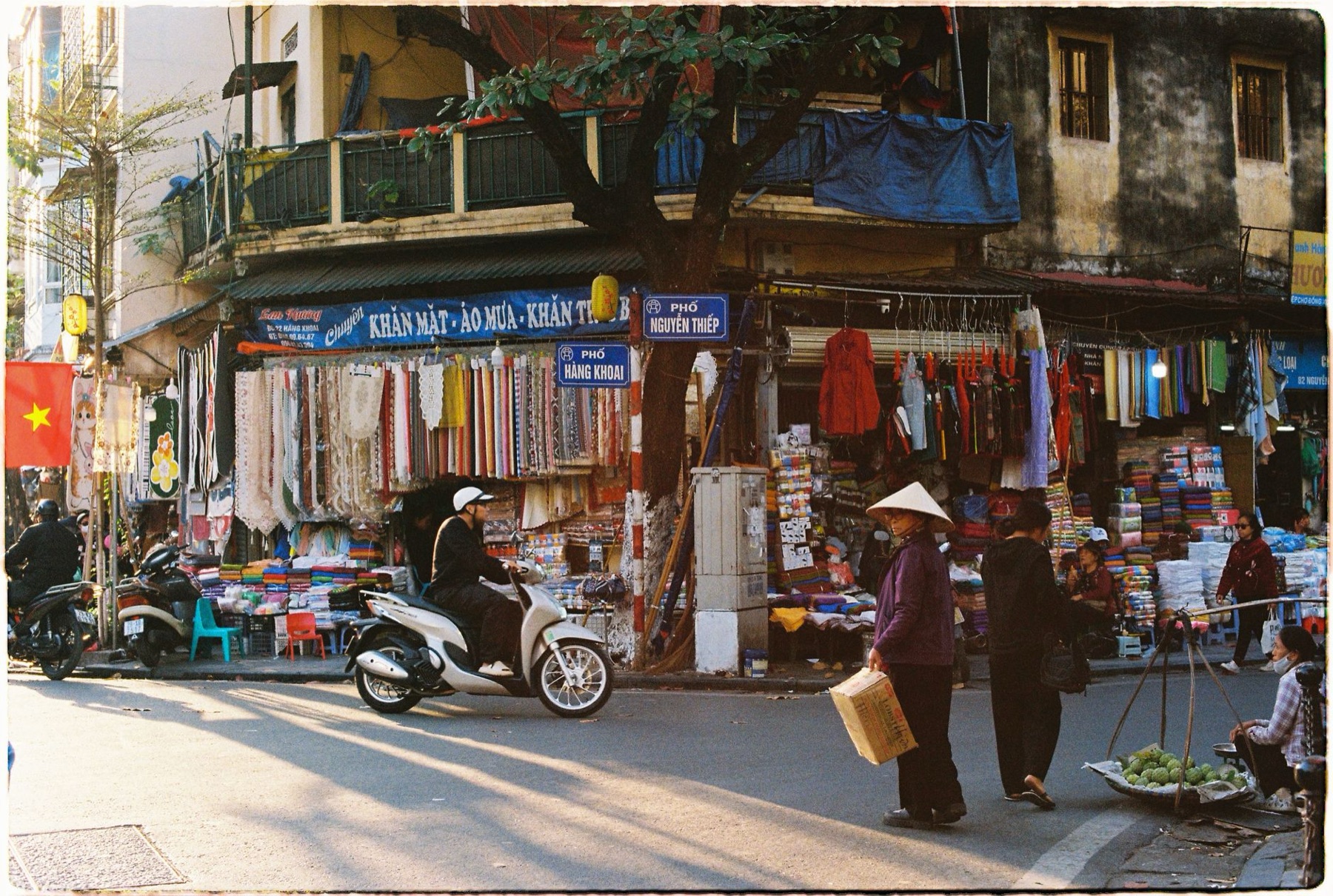
What's the difference between street food and sit-down restaurants?
Street stalls operate 6 a.m.–3 p.m., specialize in one or two dishes, sit you on plastic stools, and cost 30,000–80,000 VND (USD $1.20–$3.20). Sit-down restaurants open 11 a.m.–10 p.m., offer menus of 20+ dishes, have aircon, and range 80,000–300,000 VND (USD $3.20–$12).
| Type | Who it's for | Hours | Price per person | Vibe | Book ahead? |
|---|---|---|---|---|---|
| Street stall | Budget travelers, locals, breakfast/lunch chasers | 6 a.m.–3 p.m. | 30k–80k VND ($1.20–$3.20) | Plastic stools, no frills, family recipes | No—cash only |
| Casual sit-down | Mix of travelers & locals, lunch groups, mid-range spenders | 11 a.m.–10 p.m. | 80k–200k VND ($3.20–$8) | Tables, aircon sometimes, broader menu | No, walk-in fine |
| Upscale local | Special dinners, food-focused travelers, slower meals | 5 p.m.–10 p.m. | 200k–500k VND ($8–$20) | Full service, craft presentation, wine/beer | Yes, especially weekends |
| Touristy restaurant | Package tours, English speakers, familiar flavors | 10 a.m.–11 p.m. | 150k–400k VND ($6–$16) | Heavy English, laminated menus, photo ops | Sometimes |
Street food wins if: You have limited budget, hunger peaks at odd hours (8 a.m., 2 p.m.), and want the truest flavor.
Sit-down wins if: You want to linger, need aircon, prefer a sit-down bathroom, or are eating dinner (street vendors close by 3 p.m.).
🎟️ Compare tours & tickets for this place
Which dishes should you order—and which are tourist traps?
Absolute must-orders (real, ancient, worth the hunt):
- Pho (beef or chicken): Broth simmered 12+ hours. Old Quarter vendors in Hoan Kiem, especially around Hang Manh and Hang Gai streets. 40,000–60,000 VND (USD $1.60–$2.40). Locals queue before 8 a.m.
- Bun cha (grilled pork, rice noodles, dipping broth): Hang Manh alley, near Hoan Kiem Lake. 50,000–80,000 VND (USD $2–$3.20). Eaten with hands, fun, authentic.
- Bánh mì (baguette sandwich): Street carts everywhere, especially near markets (Hom Market in Hoan Kiem, Dong Xuan Market). 25,000–40,000 VND (USD $1–$1.60).
- Egg coffee (Cà phê trứng): Tay Ho, Ba Dinh areas. 35,000–50,000 VND (USD $1.40–$2). Creamy, sweet, slow to drink.
- Com tam (broken rice, charred bottom): Lunch-only, street stalls near markets. 40,000–70,000 VND (USD $1.60–$2.80).
- Cha ca (turmeric fish): Cha Ca La Vong Street (Old Quarter). Narrow specialty, fish sautéed with herbs. 60,000–100,000 VND (USD $2.40–$4).
Tourist traps to skip:
- "Water puppet show + dinner" packages: Overpriced, mediocre food. Watch the puppets in the afternoon; eat separately.
- Restaurant on Nguyen Hue Street (Old Quarter): Designed for Instagram. Food is fine, prices inflated 3x.
- Frog restaurants marketed as "local secret": They're not. Frog is eaten, but not daily; restaurants push it to tourists.
- Crispy spring rolls at tourist-zone stalls: Often reheated; buy from busy local stalls instead.
What to check before you order:
- Is there a line of Vietnamese people? If yes, order it.
- Does the stall have one signature dish or twenty? One is better.
- Can you see into the cooking area? Transparency matters.
- Is the menu only in English with photos? Walk away.
- Does the vendor seem rushed or chatty? Chatty = confident in their food.
How much should you budget for eating in Hanoi?
Daily food budget breakdown (per person):
- Budget traveler: 150,000–250,000 VND (USD $6–$10) — three street meals daily.
- Mid-range: 400,000–600,000 VND (USD $16–$24) — mix of street food, casual sit-downs, one better dinner.
- Comfort: 800,000+ VND (USD $32+) — sit-down meals, craft spots, wine/beer included.
Sample day (budget traveler):
- 6 a.m. pho: 50,000 VND ($2)
- 1 p.m. bun cha: 60,000 VND ($2.40)
- 6 p.m. com tam with grilled pork: 70,000 VND ($2.80)
- Total: 180,000 VND ($7.20)
Why Hanoi is cheap: Labor is low, ingredients are local, and competition is fierce. A skilled pho vendor makes profit on volume, not markup.
Hidden costs to know:
- Bottled water: 10,000–20,000 VND ($0.40–$0.80) — buy at convenience stores, not street vendors.
- Delivery apps (Grab, Shopee Food): Add 20,000–50,000 VND ($0.80–$2) service fee plus delivery.
- Upscale restaurants: Hidden 5–10% service charge on bill.
📸 Book an ao dai photoshoot in Hanoi or Saigon (Cáo Studio)
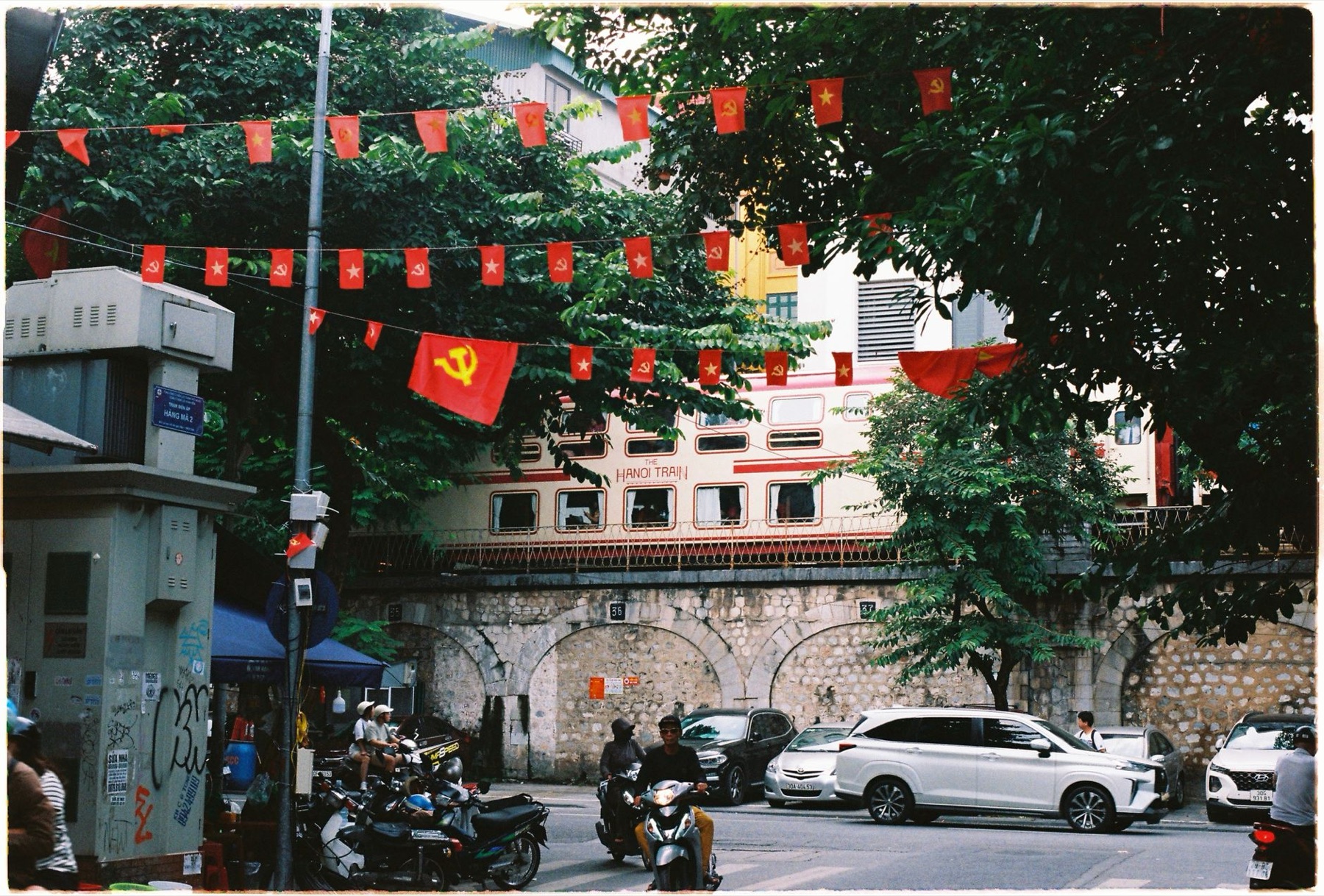
Which neighborhoods have the best food scenes?
Hoan Kiem (Old Quarter): Best for pho, bánh mì, cha ca. Narrow alleys, crowded, peak hours 6–8 a.m. and 11 a.m.–1 p.m. Street stalls dominate. English spoken less; cash only. Expect waits and elbow-to-elbow seating.
Tay Ho (West Lake): Relaxed, modern cafes, egg coffee, international hybrid cuisine. Better for lingering breakfasts or casual dinners. Aircon common. Prices climb 20–30% above Old Quarter. Good for evening walks around the lake after eating.
Ba Dinh (near Thang Long Gate, Ho Tay Lake): University area, younger crowd, faster service, student-friendly prices. Mix of street and casual sit-down. Less touristy than Old Quarter.
Thanh Xuan (south, near Aeon Mall): Modern food courts, chain restaurants, safer for first-timers nervous about street food. Higher prices, less authentic, good for a comfort meal after days of hustling.
Hai Ba Trung (south of Hoan Kiem): Quieter, local neighborhood, residential food spots. Harder to navigate as a first-timer, but rewarding if you wander.
Pro tip: Don't stay in one zone. Morning pho in Hoan Kiem, lunch bun cha in Hang Manh (nearby), coffee in Tay Ho at 4 p.m., dinner south of Hoan Kiem. Use Hanoi's street map to plan walking routes.
How do you avoid scams and know what you're paying?
Pre-eating checklist:
- Check the price board (usually handwritten, in VND only).
- Watch what locals order and order the same.
- Count portions: If a bowl costs 50,000 VND and looks tiny, ask a local if that's normal.
- Sit where you can see the food prep: Avoid mystery kitchens in back rooms.
- Pay attention to the scale: If they weigh meat or noodles in front of you, trust it.
Real scams (rare but real):
- "Cyclo tour + food tour": You'll be taken to restaurants that pay the cyclo driver commission. Food is overpriced; you'll be rushed.
- Fake "family-run" restaurants: Marketed as local, but owned by tourism companies. Service is theatrical, food is mediocre, prices 2–3x normal.
- Added charges: Some tourist-area restaurants add 5–10% service charge without warning. Ask before ordering.
- Overcharging for beer: Tourist zones sometimes overcharge for imported beer. Stick to local beer (Bia Hanoi, Bia Tiger) or tea.
How to pay safely:
- Street stalls: Cash only (VND). Bring small bills.
- Casual restaurants: Cash or Momo (mobile payment app). Confirm price before ordering.
- Upscale restaurants: Card + cash. Check the bill for hidden charges.
If something tastes off or seems wrong: Speak up politely. Vendors care about reputation. A simple "Khong ngon" (not tasty) won't offend; they'll remake it or offer alternatives.
🗺️ Plan your route: Vietnam itinerary
---
Quick wins: Food neighborhoods by mood
Hungry & broke: Old Quarter (Hoan Kiem), before 9 a.m., pho or bánh mì.
Relaxed morning: Tay Ho, egg coffee + pastry, sit outside, 2 hours.
Adventurous lunch: Follow a crowd into an alley in Hang Manh, order what they're eating.
Dinner with a view: Tay Ho waterfront restaurants, 5–7 p.m., book ahead if upscale.
Solo & nervous: Casual sit-down restaurant in Ba Dinh, order from menu, staff speaks some English.
---
Related guides to enhance your Hanoi trip:
- Explore more of Hanoi — neighborhoods, temples, transit.
- Vietnam itinerary planner — multi-city routes that include Hanoi food stops.
- Ho Chi Minh City food guide — compare street food culture north vs. south.
- Hoi An guide — UNESCO town with different food traditions.
- Vietnam e-visa — get your entry sorted first.
- Vietnam eSIM for reliable connection — maps and translation apps while hunting food.
Send a flower gift from Hoa Lang Thang after your meal to thank a local friend.
FAQ
Is it safe to eat from street vendors in Hanoi?
Yes. Busy stalls with high turnover are safer than sit-down restaurants with slow service. Watch the food being cooked. Avoid stalls with flies or dirty water. If locals are eating there, it's vetted.
What's the cheapest meal in Hanoi?
Bánh mì (baguette sandwich) at 25,000–35,000 VND (USD $1–$1.40). Pho runs 40,000–60,000 VND (USD $1.60–$2.40). Com tam (broken rice) is 40,000–70,000 VND (USD $1.60–$2.80).
Do I need reservations for street food?
No. Street stalls operate first-come, first-served. Arrive early (before 8 a.m. for breakfast) to avoid waits. Casual sit-downs rarely need reservations. Upscale restaurants do, especially weekends.
What time do restaurants close in Hanoi?
Street stalls: 2–3 p.m. lunch service, 6–7 p.m. dinner service (some open both). Casual sit-downs: 11 a.m.–10 p.m. Upscale: 5–10 p.m., closed Mondays often.
Do I tip in Hanoi restaurants?
No. Tipping is not expected. Some upscale places add 5–10% service charge automatically. Street vendors do not accept tips; they operate on tight margins and profit volume.
Can I use food delivery apps like Grab or Shopee Food?
Yes, but avoid them for street food. Use them for sit-down restaurants or convenience items. Add 20,000–50,000 VND (USD $0.80–$2) delivery fee plus service charge. Best for lunch or evening when you don't want to leave the hotel.
FAQ
Is it safe to eat from street vendors in Hanoi?
Yes. Busy stalls with high turnover are safer than sit-down restaurants with slow service. Watch the food being cooked. Avoid stalls with flies or dirty water. If locals are eating there, it's vetted.
What's the cheapest meal in Hanoi?
Bánh mì (baguette sandwich) at 25,000–35,000 VND (USD $1–$1.40). Pho runs 40,000–60,000 VND (USD $1.60–$2.40). Com tam (broken rice) is 40,000–70,000 VND (USD $1.60–$2.80).
Do I need reservations for street food?
No. Street stalls operate first-come, first-served. Arrive early (before 8 a.m. for breakfast) to avoid waits. Casual sit-downs rarely need reservations. Upscale restaurants do, especially weekends.
What time do restaurants close in Hanoi?
Street stalls: 2–3 p.m. lunch service, 6–7 p.m. dinner service (some open both). Casual sit-downs: 11 a.m.–10 p.m. Upscale: 5–10 p.m., closed Mondays often.
Do I tip in Hanoi restaurants?
No. Tipping is not expected. Some upscale places add 5–10% service charge automatically. Street vendors do not accept tips; they operate on tight margins and profit volume.
Can I use food delivery apps like Grab or Shopee Food?
Yes, but avoid them for street food. Use them for sit-down restaurants or convenience items. Add 20,000–50,000 VND (USD $0.80–$2) delivery fee plus service charge. Best for lunch or evening when you don't want to leave the hotel.