Hanoi · Food
Hanoi Dawn Food Tour: Choose Your Breakfast Experience
By Wander in Vietnam editorial team · Hanoi, Vietnam
A Hanoi dawn food tour is a 2–4 hour guided exploration of local breakfast spots in the Old Quarter or nearby markets, starting 6–7 am when street vendors open. You'll eat authentic pho, banh mi, banh cuon, and regional specialties while learning vendor stories and Hanoi food culture. Wander in Vietnam recommends joining small-group walks (6–10 people max) to avoid crowded tourist traps and taste genuine neighborhood bowls, not hotel-inflated versions.
Why start before sunrise instead of mid-morning?
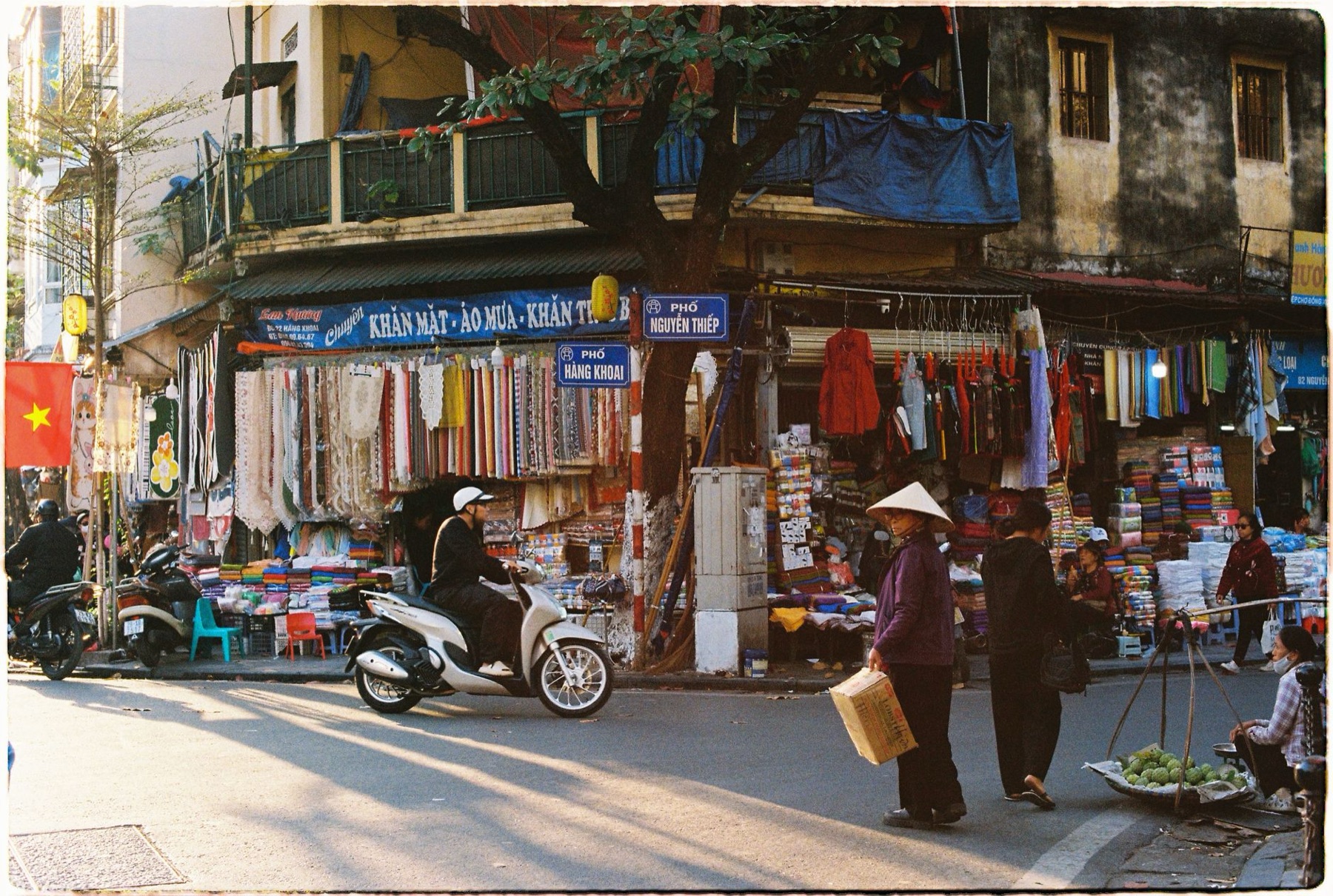
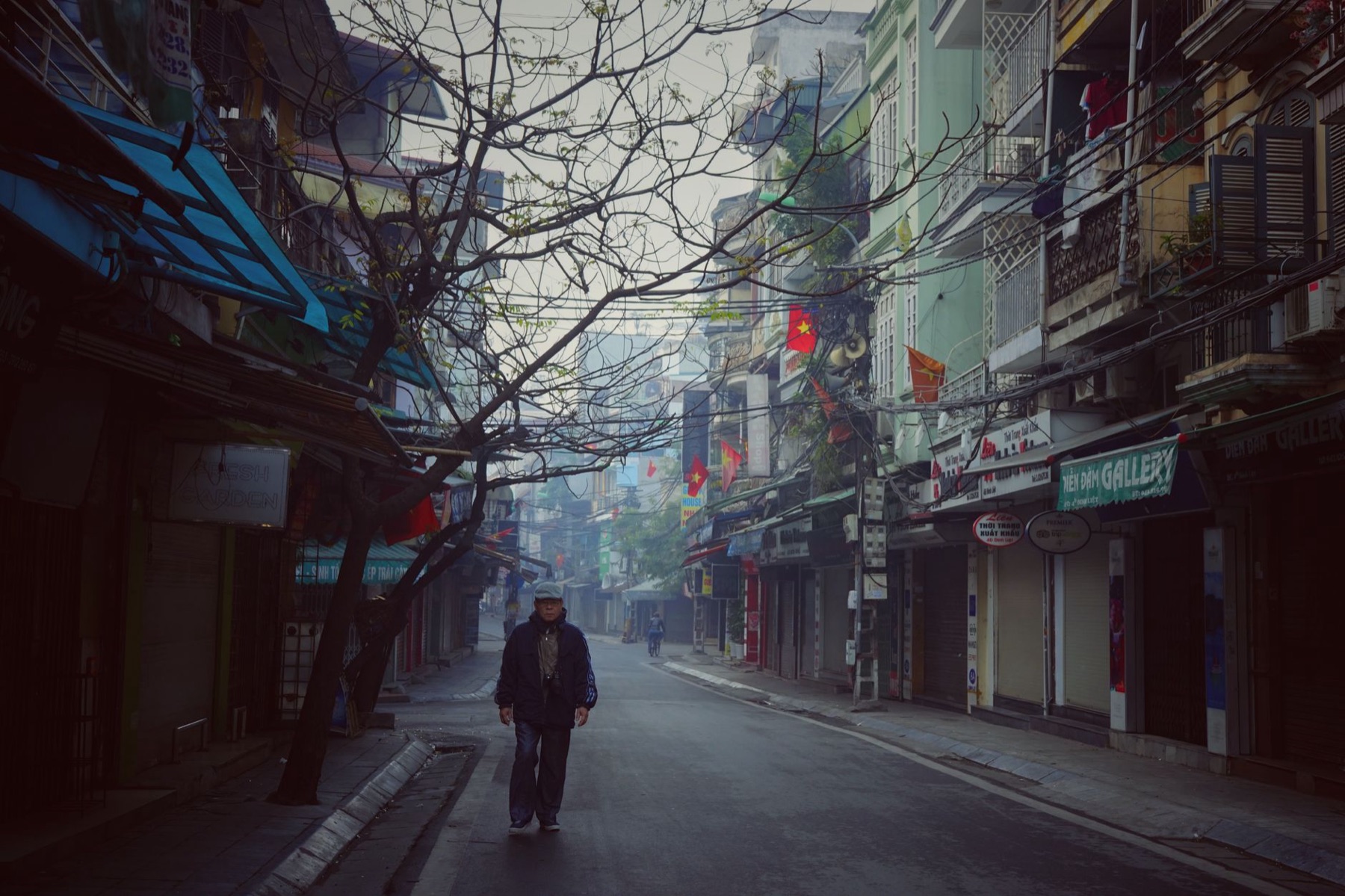
Early-morning Hanoi—6 to 8 am—is when neighborhood regulars dominate, quality is highest, and vendors are unhurried. By 9 am, tour groups flood stalls, portions shrink, and prices climb 20–40%. Dawn tours also skip the midday heat and motorcycle chaos, letting you photograph street life without crowds or discomfort.
What meals and venues should you expect on a real tour?
A typical route covers Old Quarter stalls: fresh pho (beef or chicken), banh mi from a dedicated bakery-stall combo, egg coffee at a tiny upstairs café, banh cuon (steamed rolls), sticky rice with savory toppings, and sometimes regional dishes like cot quay (fried dough) or com tam (broken-rice plates). Most tours include 4–6 eating stops, water, and commentary on vendors' backgrounds. Quality operators walk slowly between spots, avoiding a rushed "tick-box" feel.
How do group tours differ from private guides or solo eating?
| Tour Type | Group Size | Pace | Cost per Person (USD equivalent) | Social | Best For |
|---|---|---|---|---|---|
| Small-group (booking platform or local operator) | 6–10 | Moderate; 1–2 hr per stop | ~$25–$40 | Mix of travelers; local guide | Budget-aware, social learners |
| Private guide + solo walk | 1–4 | Custom; set own speed | ~$60–$120 total | Intimate; local stories | Families, flexible schedules, dietary needs |
| Solo street eating (no guide) | You alone | Fastest | ~$3–$8 per meal | None; vendor interaction only | Confident, Vietnamese-speaking travelers |
| Hotel/app-booked "premium" tour | 8–15 | Fast; factory model | ~$60–$90 | Tourist-heavy | Comfort-seekers who skip negotiation |
🗺️ Plan your route: Vietnam itinerary
What are the real costs and what's included or extra?
Most small-group tours cost around $25–$50 USD (roughly 600,000–1,200,000 VND for two people) and cover guide, 4–6 meals, and water. Hotel concierge or app-based tours often charge $60–$90 USD (1,400,000–2,100,000 VND), adding hotel pickup, but quality varies. Drinks beyond water, tips (optional but customary at 50,000–100,000 VND total), and souvenir snacks are extra. Cheaper isn't always better—operators charging under $20 USD often skip smaller vendor stops, rush meals, or steer you to commission-paying shops rather than genuine favorites.
How do you avoid tourist traps and eat where locals actually go?
Ask your guide or tour operator if they rotate stall visits monthly to avoid overtourism at one "famous" pho place. Genuine spots show repeat customers at 6:30 am, not queues of cameras. Watch for English menus or "recommended by Lonely Planet" signs—red flags that the vendor has shifted focus. Small guidebooks or local food blogs (not just TripAdvisor) reveal which stalls are still family-run versus commercialized. Book with operators who live in Hanoi year-round, not transient tourism companies; they have skin in the game and local credibility.
What to check before you book a dawn food tour
- Guide credentials: Is the guide a local (born/raised in Hanoi) or trained solely as a tourist shepherd? Ask how many years they've worked with food vendors, not just tourism.
- Group size cap: Confirm the tour limits to 8–10 people max. Larger groups dilute the experience and stress vendors.
- Vendor approval: Does the operator have standing relationships with stalls, or do they just show up? Ethical tours warn vendors in advance.
- Sample itinerary: Real itineraries list specific stall types (pho, banh mi, cafe) and timing (6:45–7:15 am at Pho Bat Dan Street, for example), not vague "Old Quarter breakfast."
- Cancellation & weather policy: What happens if it rains or you're sick? Refundable operators build trust.
- Dietary disclosure: Mention allergies, vegetarianism, or religious restrictions when booking, not morning-of. Honest operators confirm feasibility; others ignore it.
📸 Book an ao dai photoshoot in Hanoi or Saigon (Cáo Studio)
How to compare and choose the right operator for your style
Social learners seeking community should book small-group tours via platforms like Viator or Airbnb Experiences; expect mixed nationalities, shared table energy, and structured stops. Solo travelers or couples wanting flexibility and stories should hire a private guide through Hanoi-based apps or ask your hotel for recommendations. Budget travelers under 3 days should do a half-day solo walk using offline maps (download a Hanoi street food guide) and hit 3–4 stalls yourself—you'll spend $5–$10 USD on food and skip the markup. Families or non-adventurous eaters should choose hotel-vetted tours that confirm portion sizes and avoid extreme dishes (organs, blood); they cost more but reduce stress.
Comparison of decision factors:
- Time availability: 4-hour tour fits one morning; solo eating is 1–2 hours scattered across your stay.
- Language comfort: Groups have a guide translating; private guides offer real-time Q&A; solo, you risk ordering by pointing and guessing.
- Social energy: Tours = easy conversations; solo = full control, less serendipity.
- Dietary flexibility: Tours can sometimes accommodate requests; solo = you choose every stall based on visible ingredients.
Real concerns and how to avoid regret
"I paid $70 and ate at the same stall a guide took another tour to yesterday." Check if the operator rotates venues weekly. Ask for last month's itinerary or recent customer photos.
"The tour rushed me; I didn't enjoy the food." Book operators promising 1+ hour per 3 stalls, not 30 minutes per stall. Read reviews mentioning pace and timing, not just "amazing experience."
"I got food poisoning from street food." Legitimate risk at any street stall, including those on tours. Stick to high-volume, busy vendors (locals there = safe). Avoid rare meat (banh mi with pâté can be risky if not handled properly). Drink bottled or boiled water only.
"The guide steered me to overpriced shops and earned commissions." Reputable guides disclose commissions or avoid them entirely. If they push you into a café or shop you didn't ask for, politely decline and move on.
🎟️ Compare tours & tickets for this place
Start your Hanoi culinary journey by exploring our full Hanoi food guide for year-round breakfast favorites beyond dawn tours. If you're comparing multiple Vietnamese cities, check out Ho Chi Minh City's street food culture and Hoi An's morning markets too. For multi-day trips, use our Vietnam itinerary planner to fit breakfast tours into your schedule.
---
FAQ
How early do I actually need to wake up?
Most tours meet at 6:00–6:30 am in the Old Quarter; you'll need to wake by 5:30 am if your hotel is 15 minutes away. Breakfast stalls peak 7–8 am, so earlier arrival avoids the worst crowds. Some tours skip before 6:30 am if they're not getting you there in time.
Can I join a tour if I'm vegetarian or have allergies?
Yes, but confirm when booking, not day-of. Many vendors serve pho broth with meat-only, banh mi is meat-heavy, and egg coffee has dairy. A good operator will research stalls offering vegetable pho, herb-only banh cuon, or tofu options in advance. Solo travelers should study menus online or ask your hotel concierge which stalls cater to your diet.
What's the difference between a "food tour" and a "street food tour"?
Food tours typically include sit-down cafés, restaurants, or markets with tables. Street food tours focus on standing stalls and walk-and-eat. Both can be dawn-focused. Ask the operator explicitly if meals are at stalls or seats; stall eating is more authentic but messier.
Is tipping included, or do I pay extra?
Tips are not included in tour prices. A combined tip of 50,000–100,000 VND (~$2–$4 USD) for your guide at the end is customary. Individual vendors rarely expect tips; a "cảm ơn" (thank you) suffices. Many tour platforms note if tips are "included" in the stated price.
Can I book a private guide instead of a group tour?
Yes. Private guides cost around $60–$120 USD for 2–4 people for the same 2–4 hour dawn tour. Hire through Hanoi-based platforms (not third-party apps) or ask your hotel concierge for a trusted local guide. Private guides offer flexibility—fewer stops if you want depth, or extra stops if you're hungry.
What should I wear on a dawn food tour?
Wear comfortable, breathable clothes and closed-toe shoes (Vietnam is humid at 6 am, and streets are wet from overnight cleaning). Skip heavy perfume or cologne; you'll absorb street food smells. Bring a light backpack for water and a small towel; stall eating can be sloppy.
Do I need Vietnamese language skills?
No. A guide translates; without one, you can point at dishes, show photos, or use a translation app. Most vendors recognize "one," "two," "no sugar," etc. in English. Lack of language shouldn't stop you—locals are patient.
FAQ
How early do I actually need to wake up?
Most tours meet at 6:00–6:30 am in the Old Quarter; you'll need to wake by 5:30 am if your hotel is 15 minutes away. Breakfast stalls peak 7–8 am, so earlier arrival avoids the worst crowds. Some tours skip before 6:30 am if they're not getting you there in time.
Can I join a tour if I'm vegetarian or have allergies?
Yes, but confirm when booking, not day-of. Many vendors serve pho broth with meat-only, banh mi is meat-heavy, and egg coffee has dairy. A good operator will research stalls offering vegetable pho, herb-only banh cuon, or tofu options in advance. Solo travelers should study menus online or ask your hotel concierge which stalls cater to your diet.
What's the difference between a "food tour" and a "street food tour"?
Food tours typically include sit-down cafés, restaurants, or markets with tables. Street food tours focus on standing stalls and walk-and-eat. Both can be dawn-focused. Ask the operator explicitly if meals are at stalls or seats; stall eating is more authentic but messier.
Is tipping included, or do I pay extra?
Tips are not included in tour prices. A combined tip of 50,000–100,000 VND (~$2–$4 USD) for your guide at the end is customary. Individual vendors rarely expect tips; a "cảm ơn" (thank you) suffices. Many tour platforms note if tips are "included" in the stated price.
Can I book a private guide instead of a group tour?
Yes. Private guides cost around $60–$120 USD for 2–4 people for the same 2–4 hour dawn tour. Hire through Hanoi-based platforms (not third-party apps) or ask your hotel concierge for a trusted local guide. Private guides offer flexibility—fewer stops if you want depth, or extra stops if you're hungry.
What should I wear on a dawn food tour?
Wear comfortable, breathable clothes and closed-toe shoes (Vietnam is humid at 6 am, and streets are wet from overnight cleaning). Skip heavy perfume or cologne; you'll absorb street food smells. Bring a light backpack for water and a small towel; stall eating can be sloppy.
Do I need Vietnamese language skills?
No. A guide translates; without one, you can point at dishes, show photos, or use a translation app. Most vendors recognize "one," "two," "no sugar," etc. in English. Lack of language shouldn't stop you—locals are patient.
More: Hanoi guide · What to eat in Hanoi