Hanoi · Food
Hanoi Dawn Food Tour: Compare & Choose Your Best Option
By Wander in Vietnam editorial team · Hanoi, Vietnam
A Hanoi dawn food tour captures the city's most authentic eating hours—pho, banh mi, egg coffee—before tourists arrive. Options range from group tours to self-guided walks. We help you choose the right format and avoid common pitfalls.
What exactly is included in a typical dawn tour?
Most organized dawn food tours run 3–4 hours, starting 4:30–5:30am and ending by 8:30am. You'll visit 4–6 street stalls or small restaurants, tasting 2–3 signature dishes per stop (pho, banh mi, egg coffee, fried dough). The guide speaks English, handles vendor negotiations, and explains dish history and ingredients. Rarely included: hotel pickup before 5am, drinks beyond coffee or tea, or a sit-down meal. Always confirm what's paid separately before booking—some tours charge extra for samples if you skip a tasting.
🗺️ Plan your route: Vietnam itinerary
Should I book a group tour, hire a private guide, or go alone?
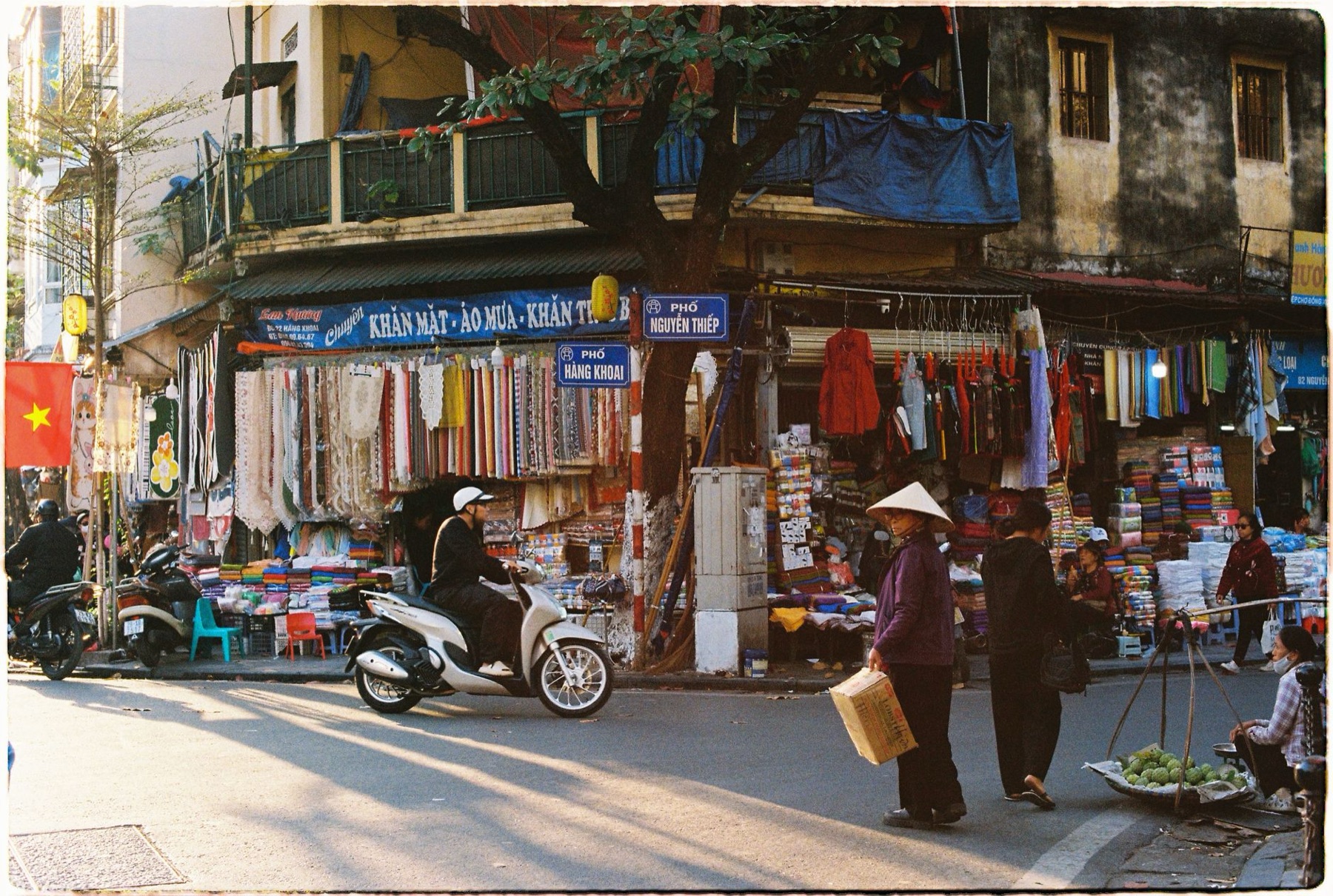
Group Tours cost around USD 25–40 per person (550k–900k VND), run 3–4 hours, and pair you with 6–12 other travelers. Best for solo travelers and those wanting social experience. Downside: fixed schedule, no customization, early pickup noise. Private Guides range USD 50–90 for 2–3 people (1.1M–2M VND), offer flexible stops and pace, adapt to allergies, and skip crowded stalls. Best for families, couples, or those wanting photos without rushing. Self-Guided DIY costs only food (50k–150k VND per dish), zero pressure, full control—but you'll miss vendor stories, may overpay, risk language barriers, and not know which stalls are still operating. First-time visitors should avoid solo; seasoned travelers in the city can skip the guide.
Which neighborhoods and stalls actually deliver the best breakfast?
Old Quarter (Hoan Kiem District): Hang Ga Street and the north edge near Tran Quang Khai for pho and banh cuon (steamed rolls). Ba Trieu Street: Home to egg coffee pioneers and banh mi stands; opens by 5:30am. Nguyen Huu Huan Street: Quieter, fewer tourists, excellent pho from family vendors since the 1980s. Ngo Gach Alley: Tight, atmospheric laneway; sticky tamarind shrimp cake (banh tom) is a highlight. Avoid stalls with plastic-only seating or no visible prep—they cater to tour groups at inflated prices. Genuine breakfast spots have metal stools, a queue by 6am, and a single menu item done repeatedly. Pro tip: ask your guide to steer clear of "tourist-friendly" locations on major streets; the best stalls are tucked into alleys, signaled only by locals eating there.
| Breakfast Dish | Where to Find It | Est. Price | Why Order It |
|---|---|---|---|
| Pho Bo (beef noodle) | Hang Ga, Nguyen Huu Huan | 40k–70k VND | Aromatic broth simmered overnight; texture benchmark |
| Banh Mi (baguette sandwich) | Ba Trieu, Hang Manh | 25k–50k VND | Crispy bread, pâté, pickles; quick, iconic |
| Egg Coffee (ca phe trung) | Ba Trieu cafés | 30k–50k VND | Creamy, sweet; invented in Hanoi in the 1950s |
| Banh Cuon (steamed rolls) | Hang Ga side alleys | 20k–40k VND | Delicate rice paper, shrimp, mushroom filling |
| Banh Tom (fried shrimp cake) | Ngo Gach Alley | 30k–60k VND | Crispy exterior, soft tapioca center; very local |
Rough USD equivalents (2026): 1 USD ≈ 22k–23k VND.
🎟️ Compare tours & tickets for this place
What are the common scams and how do you avoid them?
Inflated per-item charges: Some tours include "tasting portions" but charge you full price at the checkout. Solution: ask upfront if all stops are pre-paid or if you're charged à la carte. Fake "famous" vendors: Guides steer groups to newer stalls co-owned by tour operators. Solution: look for lines of locals at 5:30am; tour guides often pull you to emptier, higher-margin stalls. Shorter, rushed routes: Budget tours cut corners; you visit 3 stalls in 2 hours instead of 6 in 4. Solution: compare itinerary length and stop count before paying. Unannounced add-ons: Drink, tip, or transport cost extra. Solution: email the tour operator and ask for a full cost breakdown, then confirm again on arrival day. Dietary dismissal: You mention allergies but the guide insists "just one taste won't hurt" to avoid offending vendors. Solution: book private guides or pre-screen operators on customer reviews mentioning vegetarian/vegan/allergy accommodation.
What should you check before committing to a tour booking?
- Cancellation & weather policy: Can you cancel 24 hours before with a refund, or forfeit the full amount? Heavy rain often cancels dawn tours; confirm rebooking terms.
- Group size cap: Tours claiming "up to 20 people" often feel crowded and rushed. Aim for <10.
- Start & end locations: Does your hotel pickup add 30–45 minutes of waiting? Is the end point on a main street for onward travel, or in a residential alley?
- Language & guide experience: Is the guide a local food writer, cook, or trained tour operator? Native English speakers matter if nuance is important to you.
- Included vs. extra costs: Confirm whether bottled water, coffee, tips to vendors, and photos/video permission are included.
- Contact & emergency number: Does the operator have a 24/7 hotline? What happens if you're sick at 5am?
- Meal allergies & preferences: Email your restrictions 48 hours before. Reputable tours will adapt; others will ignore you.
📸 Book an ao dai photoshoot in Hanoi or Saigon (Cáo Studio)
How does a self-guided dawn walk compare in value?
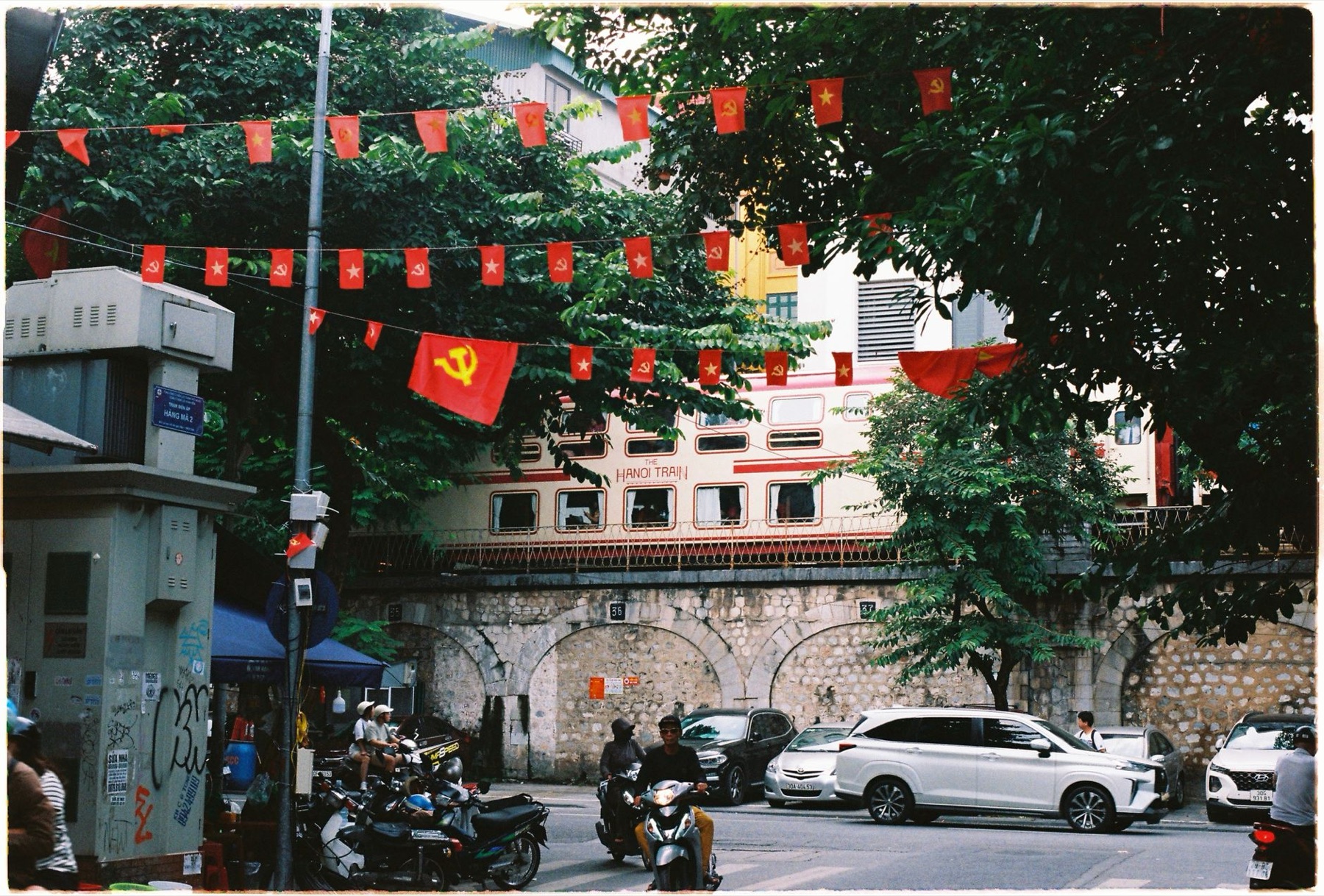
Doing it yourself costs only food—budget 150k–250k VND (USD 7–11) for 4–5 dishes if you pick cheaper stalls. You walk at your own pace, stay as long as you want, and skip what doesn't appeal. Downsides: you'll miss stories (pho has been at that stall for 30 years?), may overpay by ordering from spotless tourist-facing stalls, struggle with menu boards in Vietnamese, and risk health issues if sanitation isn't obvious. Solo travelers new to street food should not self-guide their first dawn breakfast; the cultural context and vendor relationship add real value. Experienced foodies or repeat visitors to Hanoi can absolutely DIY and pocket the USD 25–40 guide fee. Our Hanoi guide has a "Food Basics" section with key Vietnamese phrases and a downloadable map of reliable stalls by neighborhood.
Should you book in advance or book on-site?
Book in advance (7–14 days) if: you want a specific guide, prefer small groups, need hotel pickup, or travel during October–November (peak season). Prices are slightly higher but slots don't fill. Book on-site (1–2 days before) if: you're flexible, already in Hanoi exploring, value spontaneity, or prefer to read recent reviews first. Walk-in rates at tour offices near Hoan Kiem Lake are sometimes lower (5–10% discount for cash, same-day booking). Never book on the morning of—guides fill quickly and you'll scramble. If you're planning a broader Vietnam itinerary, fit the dawn tour into your Hanoi stay early so cancellations don't derail your schedule.
---
What to Check Before You Buy
- Exact start time and meet location – write it down and set two phone alarms.
- Cancellation deadline – "48 hours" means 48 hours before the start, not booking confirmation.
- What "tasting" means – is it 2 bites or a full bowl? Confirm so you're not hungry by 7am.
- Payment method – do they accept card, cash only, or PayPal? Ask if there's a surcharge.
- Photography rules – some guides ask vendors' permission; others assume yes and you create tension.
- Weather contingency – dawn tours in monsoon (May–September) have high cancellation risk; pick your rescheduling window early.
---
Beyond the Tour
If you fall in love with a breakfast stall, return the next morning alone and befriend the vendor. Many will give you a table, remember your name, and show you their off-menu specials. Capture the moment with a photoshoot—Book an ao dai photoshoot in Hanoi to document your trip in traditional Vietnamese dress at sunrise, or hire Cáo Studio's makeup & hair styling to enhance food photography. After breakfast, explore Old Quarter walking routes or day-trip to Ha Long Bay or Ninh Binh for continued culinary discovery. For international visitors, get a Vietnam eSIM so you can share photos instantly and navigate offline maps. Already planning a multi-city trip? Compare Vietnam itineraries that string together food tours in Hanoi, Hoi An, and Ho Chi Minh City.
FAQ
What's the best time of year for a dawn food tour in Hanoi?
October–November and February–March offer cool weather (15–20°C), minimal rain, and motivated vendors. Avoid May–September (monsoon, 30°C+, humidity) unless you tolerate heat. Peak tourist season means crowded tours; book private guides then.
Can I do a dawn tour if I'm vegetarian or vegan?
Yes, but inform the operator 48+ hours before. Most tours are pho and meat-focused; a good guide will detour to banh mi (bread-only), banh cuon (mushroom variant), or fried tofu stalls. Budget tours often can't accommodate; private guides adapt easily.
How much should I tip vendors at breakfast stalls?
Tipping is not customary in street food Vietnam. If your guide negotiates a group discount, leave 20k–30k VND (USD 1–1.50) in a tip jar if present, or offer nothing—vendors don't expect it. Tour operators sometimes pocket "vendor fees"; this is normal, not a scam.
Will I get food poisoning on a street food tour?
Low risk if you pick busy stalls with high turnover and visible prep. Avoid raw herbs, ice from questionable sources, and stalls where food sits uncovered in heat. Your stomach adjusts within 2–3 days; most visitors feel fine. Drink bottled or boiled water only.
Can I hire a guide for just one neighborhood instead of a full 4-hour tour?
Yes, private guides often offer 2-hour "tasting walks" (USD 40–60 for 2 people) covering Ba Trieu or Hang Ga only. Negotiating directly with a guide via email or WhatsApp often yields cheaper rates than booking platforms.
Do I need to speak Vietnamese to enjoy a dawn tour?
No. Guides translate menu items and vendor stories. Carry a phrasebook or translation app if self-guiding. Simple words like "ngon" (delicious) and "cam on" (thank you) delight vendors, even if mispronounced.
FAQ
What's the best time of year for a dawn food tour in Hanoi?
October–November and February–March offer cool weather (15–20°C), minimal rain, and motivated vendors. Avoid May–September (monsoon, 30°C+, humidity) unless you tolerate heat. Peak tourist season means crowded tours; book private guides then.
Can I do a dawn tour if I'm vegetarian or vegan?
Yes, but inform the operator 48+ hours before. Most tours are pho and meat-focused; a good guide will detour to banh mi (bread-only), banh cuon (mushroom variant), or fried tofu stalls. Budget tours often can't accommodate; private guides adapt easily.
How much should I tip vendors at breakfast stalls?
Tipping is not customary in street food Vietnam. If your guide negotiates a group discount, leave 20k–30k VND (USD 1–1.50) in a tip jar if present, or offer nothing—vendors don't expect it. Tour operators sometimes pocket "vendor fees"; this is normal, not a scam.
Will I get food poisoning on a street food tour?
Low risk if you pick busy stalls with high turnover and visible prep. Avoid raw herbs, ice from questionable sources, and stalls where food sits uncovered in heat. Your stomach adjusts within 2–3 days; most visitors feel fine. Drink bottled or boiled water only.
Can I hire a guide for just one neighborhood instead of a full 4-hour tour?
Yes, private guides often offer 2-hour "tasting walks" (USD 40–60 for 2 people) covering Ba Trieu or Hang Ga only. Negotiating directly with a guide via email or WhatsApp often yields cheaper rates than booking platforms.
Do I need to speak Vietnamese to enjoy a dawn tour?
No. Guides translate menu items and vendor stories. Carry a phrasebook or translation app if self-guiding. Simple words like "ngon" (delicious) and "cam on" (thank you) delight vendors, even if mispronounced.
More: Hanoi guide · What to eat in Hanoi