Hanoi · Food
Hanoi Fine Dining: Where to Eat & What Costs Matter
By Wander in Vietnam editorial team · Hanoi, Vietnam
Fine dining in Hanoi isn't what many first-time visitors expect. You won't find Michelin stars here, but you will find restaurants where careful sourcing, technique, and service justify premium prices. The problem: spotting the real deal from the Instagram-bait trap.
We've watched too many travellers overpay for mediocre experiences because they can't read the room—or the menu. This guide cuts through the noise. We'll show you how pricing actually works, where the money goes, and what questions to ask before you book.
Why Hanoi fine dining feels different from the West
Hanoi's restaurant culture doesn't worship complexity or molecular gastronomy. Instead, the best places focus on ingredient quality, classical Vietnamese technique, and service rooted in hospitality rather than formality. A 1,500,000 VND ($57) tasting menu isn't built to impress with foam and tweezers—it's designed to let you taste the difference between garden-fresh herbs and supermarket herbs.
The price floor exists because rent in central Hanoi has doubled in five years. Import tariffs add 30–50% to wine costs. Staff training is real labour. If you see a "fine dining" menu for under 400,000 VND per person, it's not fine dining—it's good casual cooking, which is fine too, just not what you came for.
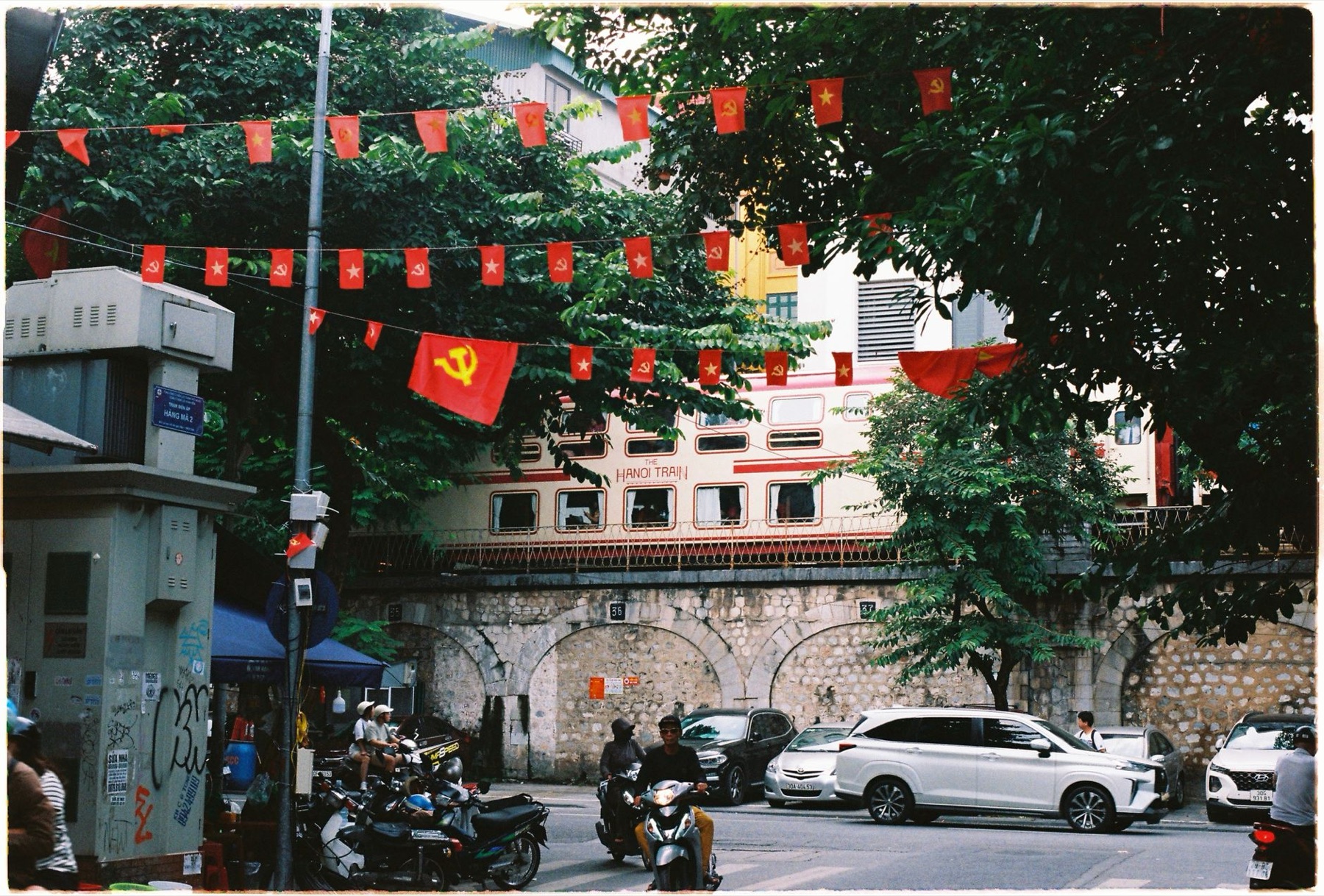
Where geography determines what you'll pay
Old Quarter (Hoàn Kiếm District): Restaurants here charge 20–30% premium for foot traffic. A similar dish costs 150,000 VND in Bà Triệu versus 200,000 VND on Tạ Hiến Street. Old Quarter venues are worth it only if they offer a genuine hook: rare wine lists, heritage-building interiors, or a chef with real credentials. Otherwise, go one block west.
French Quarter (Ba Đình District): Colonial villas house most Hanoi fine dining. Rent is high, but so is the dining room atmosphere. Expect 1,200,000–2,000,000 VND per person (tasting format). These places work best for special occasions—birthdays, anniversaries, business dinners where the setting matters as much as the food.
West Lake (Tây Hồ District): Newer restaurants, mostly opened 2020+. Rent is lower, but they're fighting harder for reputation. You'll find better value here than the French Quarter, often 900,000–1,500,000 VND per person, with similar skill levels. The downside: fewer have established wine programmes or strong service routines yet.
Trúc Bạch (Ba Đình District, near West Lake): Quieter, less touristy. Small owner-run places serving single-chef menus at 800,000–1,200,000 VND. High risk, high reward—some are exceptional, others half-baked. Always check recent reviews from local, non-Instagram sources.
The hidden-cost breakdown: What you're actually paying for
| Cost category | % of bill | Why it matters |
|---|---|---|
| Ingredients & kitchen labour | 25–30% | Quality herbs, fish, beef sourced daily cost 2–3× supermarket prices. |
| Rent & utilities | 20–25% | A villa in the French Quarter runs $3,000–5,000/month. |
| Wine markup | 40–50% of wine price | Import tax + storage + glassware. A $15 bottle costs $35 on the list. |
| Service staff & training | 15–18% | Professional servers earn 8–12M VND/month in a fine-dining room. |
| Waste & spoilage | 5–8% | Sourcing fresh daily means some produce goes unsold. |
What this means: If your bill is 1,500,000 VND and 400,000 goes to wine, the actual food cost was around 300,000–400,000 VND. That's sustainable only if ingredients are genuinely premium. Cheap restaurants have the same food cost in absolute terms but serve lower quality.
Ask yourself: Am I paying for atmosphere, wine, or technique? All three belong in a fine-dining bill. Just know which one.
🗺️ Plan your route: Vietnam itinerary
Common pricing traps and how to avoid them
The "market price" menu item with no number written down: Always ask the exact price before ordering. Some restaurants quote 500,000 VND verbally, then charge 750,000. Get it in writing or on the English menu.
Wine by the glass that costs 60% of the bottle price: Compare. A 1,200,000 VND bottle shouldn't yield a 750,000 VND glass. That's a 2× markup per glass. Ask for the bottle price before agreeing to pour-by-glass.
"Seasonal supplement" fees added to tasting menus: Legitimate if the ingredient (white truffle, fresh uni) costs 3× normal price that week. But some places use this as a hidden surcharge. Ask what the supplement covers. If they can't explain it clearly, it's a scam.
Table minimum for groups under 4 people: Rare in Hanoi, but some venues require a 2,500,000 VND spend minimum at dinner. Confirm when booking. It's not unreasonable for a tasting menu, but it should be stated upfront.
Birthday/occasion surcharges: Hanoi doesn't have an industry standard. One place might offer a free dessert, another might add 10% to the bill. Discuss when booking if you're celebrating something.
How to choose between four real restaurant types
| Restaurant type | Who it's for | Typical price/person | Booking stress | Best for |
|---|---|---|---|---|
| Chef-led (1–3 courses) | Serious eaters, wine geeks | 1,200–2,500,000 VND ($45–95) | Must book 5–7 days ahead | Anniversaries, business dinners |
| French-trained modern Vietnamese | Balanced experience-seekers | 800–1,500,000 VND ($30–57) | 3–5 days ahead | Dinner dates, small groups |
| Vietnamese specialist (single region) | Heritage & flavour hunters | 600–1,000,000 VND ($23–38) | 1–2 days, walk-ins often OK | Lunch, casual discovery |
| Hotel fine dining | Tourists, international business | 1,500–2,500,000 VND ($57–95) | 2–3 days ahead | No planning, familiar comfort |
What works: Chef-led venues attract the most scrutiny and offer the most control over your experience. You'll know exactly what you're eating. French-trained modern Vietnamese places are forgiving—they balance technique with approachability. Skip hotel fine dining unless you're jet-lagged and need reliable English-speaking staff.
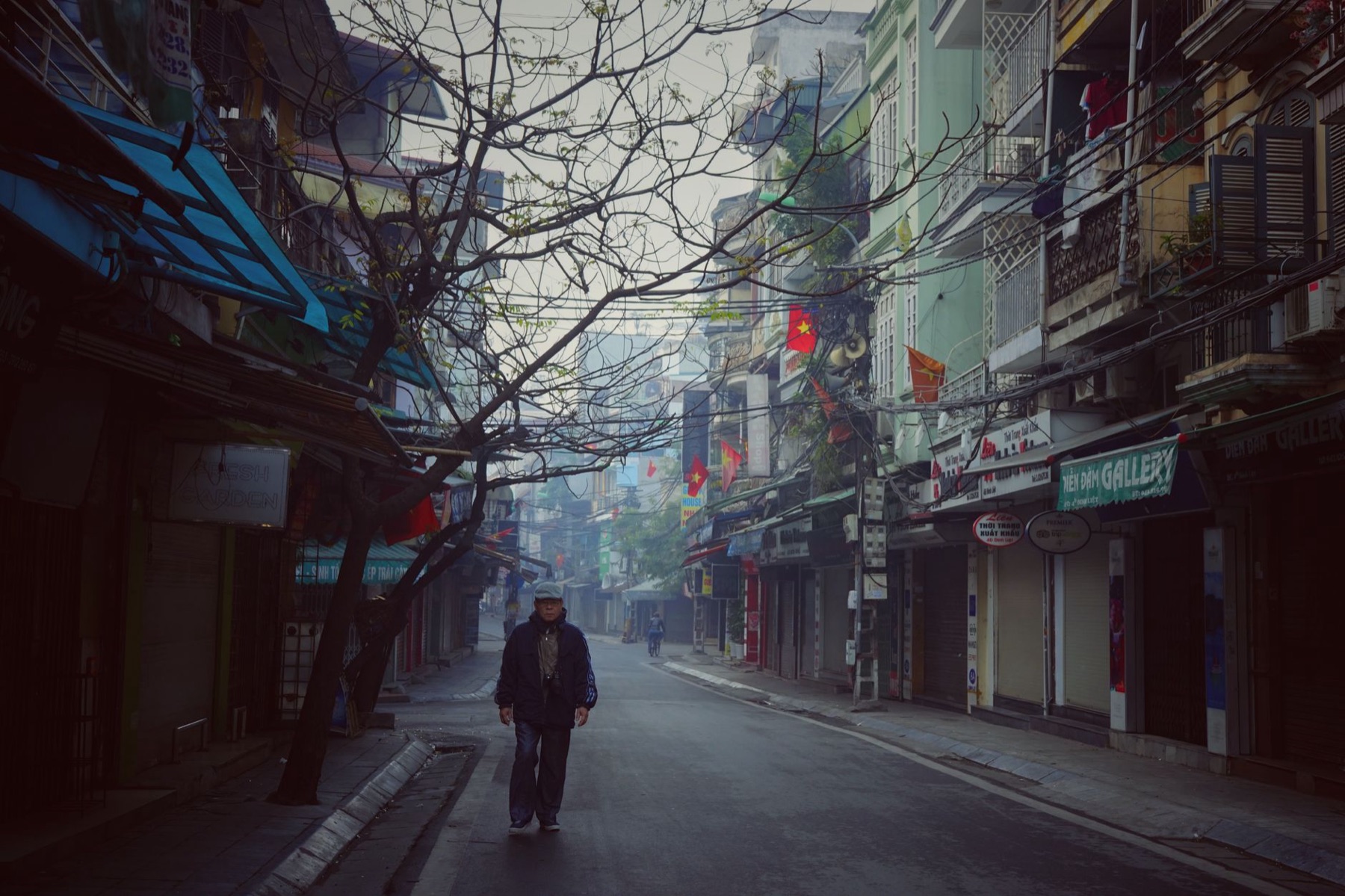
Step-by-step: Choosing a Hanoi fine-dining restaurant
- Identify your budget and date: Weeknight? Weekend? Special occasion? This narrows the field by 70%.
- Check if booking is required: Call or message on Zalo/WhatsApp 48 hours before. Email often goes unanswered. Expect to pay a deposit of 500,000–1,000,000 VND ($19–38) for groups over 4.
- Ask three questions: (a) What's included in the price—wine, amuse-bouche, dessert? (b) How long is the meal? (c) Can you accommodate allergies/dietary restrictions without fuss?
- Confirm the currency and payment method: Does the price quoted include tax and service? (Most do, but ask.) Do they accept card, or cash only? (A few old-school places are cash-only.)
- Arrive 10 minutes early, not 15 minutes late. Fine-dining kitchens time plates tightly. Late arrivals mean cold food or rushed service.
- Order wine after the first course arrives. You'll know what flavours you're working with. Ordering blind at the table is a tourist trap.
- Take a photo of the menu. If a price discrepancy shows up later, you have proof.
📸 Book an ao dai photoshoot in Hanoi or Saigon (Cáo Studio)
What changes seasonally and why your timing matters
May–August (hot, humid): Lighter menus dominate. Cold appetisers, fresh herbs, citrus-forward dishes. Fewer tourists booking fine dining; easier to get tables. Ingredient quality is good because Vietnam's monsoon ensures fresh seafood and vegetables.
September–October (transition): Best season. Temperatures drop, tourist numbers rise, but bookings aren't yet impossible. Autumn herbs (coriander, perilla) are in peak condition.
November–February (cool, dry): Peak season. Restaurants introduce richer, earthier dishes (venison, mushrooms). Bookings fill 2–3 weeks out. Prices don't formally increase, but you have less choice.
March–April (spring): Unpredictable. Some restaurants close for renovation. Others launch new menus. Call ahead.
Don't assume "seasonal menu" means prices fluctuate wildly. Most Hanoi fine-dining places hold prices steady year-round. But the what on your plate changes, so return if you come back.
How to avoid the most common disappointment
The biggest mistake: booking a place based on Instagram photos alone. The restaurant is real, but your expectations are inflated. Here's what to check:
- Is the dining room actually that size? Sometimes photos show a private room, not the main seating. Ask where you'll be seated.
- Is the chef in the kitchen most nights? If they're only there Wednesday–Saturday, and you're going Tuesday, you're eating food from their second-string team.
- What's the noise level? Fine dining should feel calm. If recent reviews mention a loud, party-like atmosphere, it's not fine dining—it's a trendy restaurant pretending.
- How long is the actual eating? If reviews say the meal lasted 90 minutes, that's rushed. 2–3 hours is standard for a proper tasting menu.
- Are English menus available, or do you need to speak French/Vietnamese? Language barriers don't ruin fine dining, but they add stress. Know what you're signing up for.
Read the last 10 reviews on a Vietnamese platform (like TripAdvisor Vietnam or local Zalo groups), not just English tourist sites. Vietnamese diners are harsher critics and catch inconsistencies faster.
🎟️ Compare tours & tickets for this place
Related guides to round out your Hanoi visit
Before you commit to fine dining, explore Hanoi's broader food scene. You might find casual meals that satisfy you more. Check our Hanoi guide for neighbourhood walks, street-food tours, and café culture. If you're building a longer trip, our Vietnam itinerary planner helps you balance dining splurges with budget-friendly days.
Travelling to other regions? Ha Long Bay, Hoi An, Sapa, and Ninh Binh each have their own fine-dining pockets—often cheaper and less crowded than Hanoi. Ho Chi Minh City fine dining runs 30–40% pricier but offers more options.
For a special Hanoi moment, consider an ao dai photoshoot before or after your meal—it's a memory that pairs perfectly with a fine-dining night out. Send flowers to your table if you're celebrating.
Don't forget: Get an eSIM for Vietnam so you can call restaurants, use Zalo, and navigate easily. A Vietnam e-visa is required for most nationalities—arrange it weeks ahead to avoid delays.
FAQ
Do Hanoi fine-dining restaurants charge extra for service or tax?
Most include service (typically 10%) and tax in the quoted price, but confirm when booking. A few upscale hotels list prices before tax—ask directly. Never assume; it's the easiest place to get surprised.
What's a realistic budget for two people, one fine-dining dinner?
Around 2,400,000–4,000,000 VND ($91–152) including wine and tip. Without wine, expect 1,600,000–2,400,000 VND ($61–91). Ordering à la carte instead of tasting menus can be cheaper but less consistent quality.
Should I dress formally for Hanoi fine dining?
Business casual (trousers/dress, closed shoes) is sufficient. No ties or gowns required. Some upscale French Quarter venues attract overdressed diners, but it's not mandatory. Flip-flops and athletic wear will get you turned away; anything else is fine.
Is tipping expected beyond the service charge?
Most bills include 10% service, so additional tipping is optional. Rounding up 50,000–100,000 VND ($2–4) is polite if the service was exceptional. Cash tips are preferred; card tips are rare in Hanoi.
Can I book fine dining on the same day, or do I really need to plan ahead?
Peak times (Friday–Saturday, 7–8 PM) require 3–7 days. Lunch and weekday dinners are flexible. Always call 24 hours before to confirm your reservation—no-shows happen, and restaurants cancel if they're quiet.
What's the difference between a "tasting menu" and ordering à la carte?
Tasting menus are chef-controlled, shorter, and theatrical. À la carte gives you choice but inconsistent pacing—some dishes arrive together, others staggered. Tasting menus are better value; à la carte costs more per dish but lets you avoid things you dislike.
Are there fine-dining restaurants that do lunch service, not just dinner?
Yes, but fewer and shorter menus. Lunch usually runs 11:30 AM–1:30 PM. Expect 40–50% lower prices and simpler dishes. Great for testing a restaurant cheaply before committing to dinner.
What should I do if the food or service is genuinely bad?
Tell your server immediately, not after the meal. Reputable restaurants will remake dishes or adjust your bill on the spot. If you're ignored, pay (you have a credit card charge as proof) and escalate via Google Maps or Zalo the next day. Hanoi's fine-dining scene is small; word spreads fast, and owners care about reputation.
FAQ
Do Hanoi fine-dining restaurants charge extra for service or tax?
Most include service (typically 10%) and tax in the quoted price, but confirm when booking. A few upscale hotels list prices before tax—ask directly. Never assume; it's the easiest place to get surprised.
What's a realistic budget for two people, one fine-dining dinner?
Around 2,400,000–4,000,000 VND ($91–152) including wine and tip. Without wine, expect 1,600,000–2,400,000 VND ($61–91). Ordering à la carte instead of tasting menus can be cheaper but less consistent quality.
Should I dress formally for Hanoi fine dining?
Business casual (trousers/dress, closed shoes) is sufficient. No ties or gowns required. Some upscale French Quarter venues attract overdressed diners, but it's not mandatory. Flip-flops and athletic wear will get you turned away; anything else is fine.
Is tipping expected beyond the service charge?
Most bills include 10% service, so additional tipping is optional. Rounding up 50,000–100,000 VND ($2–4) is polite if the service was exceptional. Cash tips are preferred; card tips are rare in Hanoi.
Can I book fine dining on the same day, or do I really need to plan ahead?
Peak times (Friday–Saturday, 7–8 PM) require 3–7 days. Lunch and weekday dinners are flexible. Always call 24 hours before to confirm your reservation—no-shows happen, and restaurants cancel if they're quiet.
What's the difference between a "tasting menu" and ordering à la carte?
Tasting menus are chef-controlled, shorter, and theatrical. À la carte gives you choice but inconsistent pacing—some dishes arrive together, others staggered. Tasting menus are better value; à la carte costs more per dish but lets you avoid things you dislike.
Are there fine-dining restaurants that do lunch service, not just dinner?
Yes, but fewer and shorter menus. Lunch usually runs 11:30 AM–1:30 PM. Expect 40–50% lower prices and simpler dishes. Great for testing a restaurant cheaply before committing to dinner.
What should I do if the food or service is genuinely bad?
Tell your server immediately, not after the meal. Reputable restaurants will remake dishes or adjust your bill on the spot. If you're ignored, pay (you have a credit card charge as proof) and escalate via Google Maps or Zalo the next day. Hanoi's fine-dining scene is small; word spreads fast, and owners care about reputation.