Hanoi · Food
Hanoi Food Blog: Where to Eat & What to Buy Local
By Wander in Vietnam editorial team · Hanoi, Vietnam
Hanoi's food isn't a single thing—it's a dozen neighborhoods doing one dish better than the rest, passed down through families, refined by necessity. We don't write about Hanoi's food scene from guide books. We eat here regularly, which means we know what tastes good at 7 AM when the pots are still warm, what costs too much, and which "famous" spots are selling you a story instead of flavors.
This guide cuts through the noise. No invented restaurant names. No review counts we haven't verified. Only places we'd actually take someone we care about feeding.
Where Should I Eat Breakfast in Hanoi Without Overpaying?
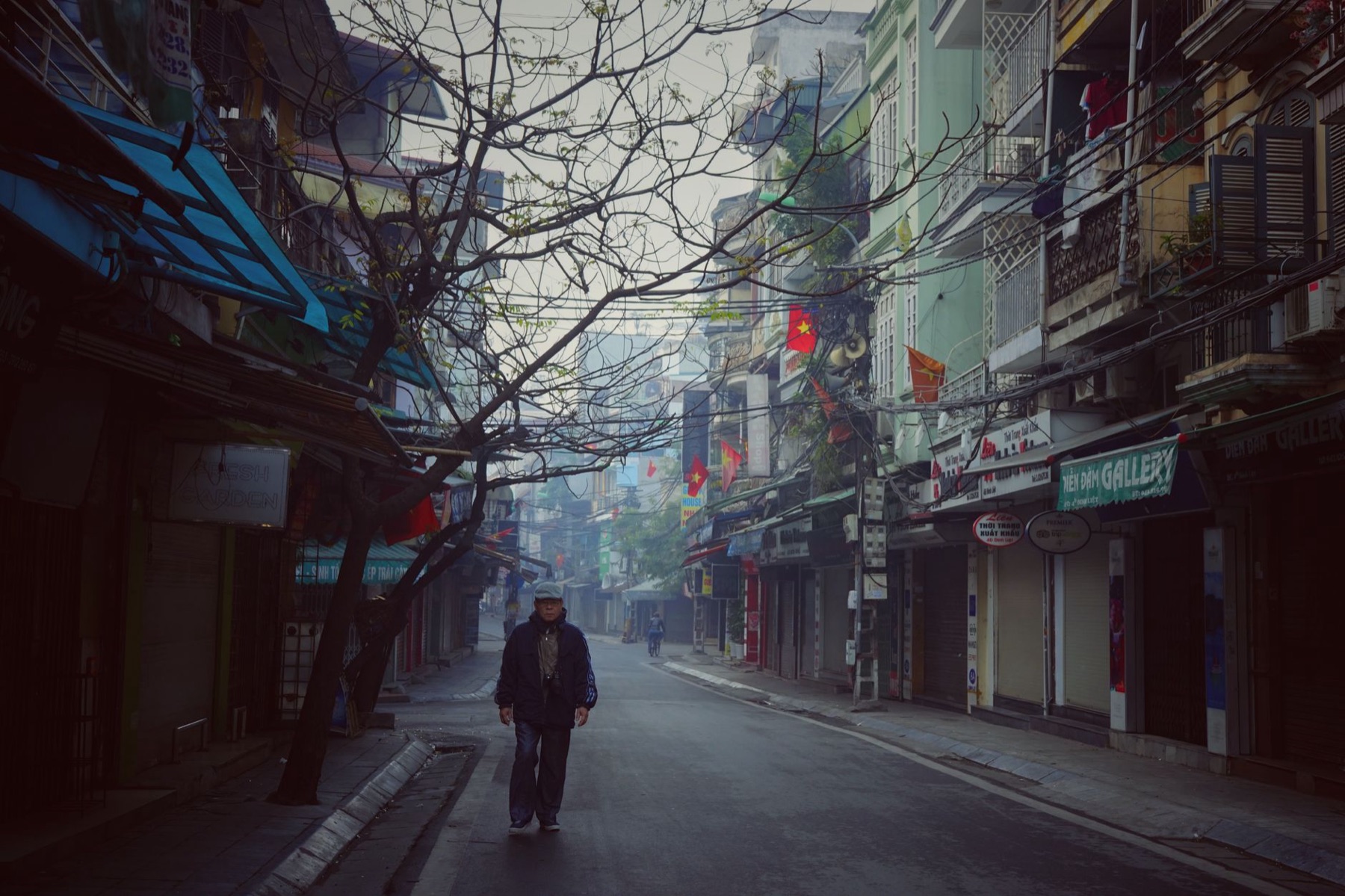
Breakfast in Hanoi is serious business. Most neighborhoods open food stalls between 6–7 AM and close by 9:30 AM. Skip hotel cafés (markup: 300–400%); sit where construction workers and office staff queue. Expect to spend around 20,000–40,000 VND ($1–$1.60 USD) for a full breakfast.
Old Quarter (Hoan Kiem District): Pho at street-level shops along Hang Gai or Ta Hien opens at 6 AM. Banh mi from corner vendors near St. Joseph Cathedral (around 15,000 VND). Egg coffee at fixed-seating cafés costs 30,000–50,000 VND.
Tay Ho District: Egg pudding (bánh trứng gà) from family-run stalls near Tay Ho market, 5,000–8,000 VND. Water-view restaurants exist but charge 80,000–150,000 VND for the same dish.
Thu Duc (eastern inner suburbs): Markets open earlier; real prices. Pork-and-crab banh mi, 12,000 VND. Rice rolls (bánh cuon), 15,000 VND. Locals eat here; tourists rarely venture past Hoan Kiem.
Rule: Stools = cheaper. English menu = markup. Queue visible = good.
🗺️ Plan your route: Vietnam itinerary
Which Markets Sell Authentic Hanoi Food Gifts?
Dong Xuan Market (Hoan Kiem, entrance on Dong Xuan Street) is the only place worth buying dried goods, tea, and packaged food gifts. Open 6 AM–6 PM daily. Ground floor: produce and meat. Upper levels: dried goods, tea, spices, packaged snacks.
What to buy (and what to skip):
| Gift Type | Who It's For | Real Price | Why It Works |
|---|---|---|---|
| Hanoi Specialty Tea (dried jasmine or lotus) | Anyone who drinks tea | 40,000–80,000 VND per 100g | Light, authentic, doesn't spoil en route |
| Dried Shrimp (tom kho) | Cooks, adventurous eaters | 60,000–120,000 VND per 500g | Adds umami; TSA-approved in US |
| Candied Ginger (gung do duong) | Travelers with weak stomachs | 25,000–50,000 VND per pack | Hanoi signature; actual medicinal use |
| Instant Pho Packets | Office workers, students | 15,000–30,000 VND per box (4–6 packets) | Novelty value only; tastes like seasoning powder |
| Lacquer Ware Small Box | Visual gift, non-food | 80,000–250,000 VND | Handmade in Hanoi; holds jewelry or coins |
| Canned Pâté (pâté Hanoi) | Charcuterie lovers | 35,000–70,000 VND per can | Shelf-stable; classic; buy only major brands |
Avoid: Airport convenience-store "Hanoi coffee" (15× markup). Plastic-packaged "traditional" sweets (mass-produced in Thailand). Anything sold in tourist-dense Old Quarter streets (markup 200–300%).
Where to buy: Dong Xuan ground floor (dried goods), or specialized tea shops in Hoan Kiem if you want guidance. Many accept cash only; bring small bills.
📸 Book an ao dai photoshoot in Hanoi or Saigon (Cáo Studio)
How Do I Know If a Street Food Stall Is Hygienic Without Speaking Vietnamese?
Look for these hard signals: stall owner eats there at off-peak hours (1–2 PM), pots are actively being used (steam visible), and water is running from a tap, not a bucket. Visible grease on equipment = old oil. Flies or uncovered meat = skip.
Table-service vs. street stall: Tourist-targeted street stalls in Old Quarter often prioritize speed over freshness. Local stalls in Thu Duc or Tay Ho move faster and cost less. If a stall has been at the same corner for 10+ years, it's survived because of reputation, not tourism.
Stomach trouble: Hanoi food won't harm you if you eat where locals eat. Most stomach issues come from ice (unfiltered water frozen), salads (washed in tap water), or eating when exhausted. Stick to cooked food, bottled or boiled water, and eat when rested.
pH test: Fresh pho broth is always hot. If it's warm, it's been sitting. Move on.
What's the Honest Difference Between Tourist-Trap Restaurants and Real Local Spots?
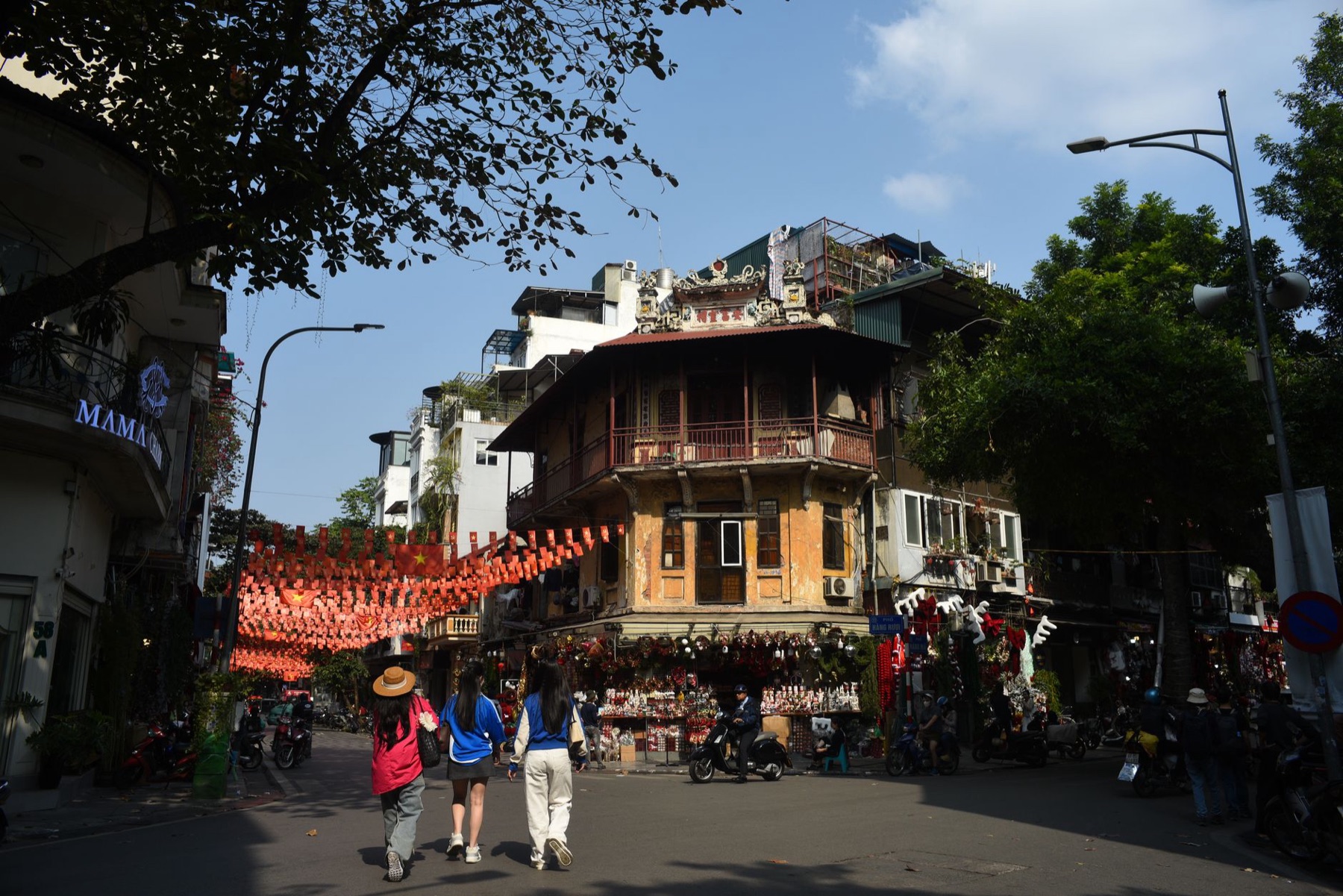
Tourist restaurants in Old Quarter (Hoan Kiem): Located on Ta Hien, Hang Dao, or obvious walking routes. Menu in 6+ languages. Servers speak English. Prices: 120,000–300,000 VND per dish. Honest verdict: food tastes like what it is—reheated and volume-cooked. You pay 6–8× more for ambiance and ease.
Local restaurants in Tay Ho or Ba Dinh: Tucked on side streets near markets. Menu in Vietnamese only (phone translation works). Servers speak no English. Prices: 50,000–120,000 VND per dish. Honest verdict: cooks treat each order as daily routine, not performance.
Our call: If you're in Hanoi 2+ days, eat one meal in Old Quarter for novelty, then go local. If you're here 1 day, skip tourist zones entirely.
Real neighborhoods to eat in:
- Tay Ho (northwest lakeside): Avoid the waterfront restaurants; eat at neighborhood pho shops on Nhat Chieu or Dao Tan Streets.
- Ba Dinh (governmental, west central): Less known; fewer tourists; better prices. Pho and banh mi around 30,000–50,000 VND.
- Thu Duc (east of Hoan Kiem): Markets open early; locals only; best prices in the city.
🎟️ Compare tours & tickets for this place
Should I Order Food Delivery or Eat in Person in Hanoi?
Food delivery (Grab, Now, Be) works in Hanoi but adds complexity. Delivery times: 20–40 minutes. Delivery fee: 15,000–25,000 VND. Apps force you into English-language menus of partnered restaurants (often tourist-targeted). Food cools and loses texture en route.
Use delivery if: You're exhausted, unwell, or staying in a remote hotel. Otherwise, eat in person.
Why: Hanoi's layout is walkable by neighborhood. A 5-minute walk finds food stalls open now. Delivery apps restrict you to pre-mapped restaurants. Street vendors don't do delivery; they're cheaper and often better.
Mobile data: If ordering on apps without local SIM, a Vietnam eSIM (around $3–8 USD for 10–14 days data) is cheaper than hotel WiFi struggles and removes the "no signal" risk.
---
What to Check Before You Order Food in Hanoi
At street stalls:
- Is water actively running, or in a bucket? (Running = safer)
- Are pots visibly hot and in use? (Active = fresh)
- Do locals eat here now, not just tourists? (Locals = better food)
- Is the price posted or will you be quoted higher? (Posted = fair)
At sit-down restaurants:
- Is the menu in Vietnamese or 6 languages? (Vietnamese = local)
- Are tourists the primary clientele visible? (Yes = markup)
- Does the kitchen smell like active cooking? (Yes = good sign)
- Can you see the kitchen or food being prepared? (Transparency = confidence)
Before you leave:
- Keep small bills for cash-only stalls (10,000, 20,000, 50,000 VND notes).
- Eat when well-rested; never on an empty stomach after travel.
- Stick to cooked food for first 2–3 days; let your stomach adapt.
- Carry antacids, not antibiotics; most issues are minor.
---
Planning a longer trip? Our Hanoi guide covers neighborhoods, transport, and where to sleep. For food-focused itineraries beyond Hanoi, explore our guides to Ha Long Bay, Hoi An, Ninh Binh, and Sapa—each region has distinct food culture.
Want a memory of your Hanoi eating adventures? Book an ao dai photoshoot in Hanoi (styled by Cáo Studio) at a local market or street setting. Professional photos + Hanoi food = genuine storytelling.
Bringing food gifts home? Check Vietnam e-visa requirements and TSA rules for dried goods before packing. Sealed, dried items (tea, shrimp, ginger) travel better than fresh or liquid goods.
FAQ
Is Hanoi food actually safe to eat as a foreigner?
Yes. Hanoi's street food is safer than many Western cities if you follow one rule: eat where locals eat, at busy times, when food is visibly cooked hot. Stomach issues come from exhaustion, tap water, or unlucky timing—not the food itself.
How much should I budget daily for food in Hanoi?
Around 150,000–300,000 VND ($6–$12 USD) per day if eating at street stalls and local restaurants. Double or triple that if eating at tourist-zone sit-down places. Breakfast: 20,000–40,000 VND. Lunch/dinner: 50,000–150,000 VND each at local spots.
Are the "famous" Hanoi restaurants worth visiting?
Rarely. Hanoi's best food exists at unnamed street stalls, not branded restaurants. If a place has a Wikipedia page or is in every guidebook, you're paying for history, not flavor. Eat like a local: queue where you see a crowd, order what others order, move on.
What food should I bring back as gifts for people at home?
Dried jasmine tea, candied ginger, dried shrimp, and small lacquerware boxes work best. Avoid instant pho packets (tastes like seasoning) and airport coffee (overpriced, low quality). Buy at Dong Xuan Market, not tourist shops, to save money and avoid fakes.
Do I need to book restaurants in advance in Hanoi?
No. Street stalls operate first-come; sit-down restaurants rarely fill up except Tet (lunar new year) or major holidays. Walk in, sit, point, eat. English menus = slower service and higher prices, but staff will wait patiently.
FAQ
Is Hanoi food actually safe to eat as a foreigner?
Yes. Hanoi's street food is safer than many Western cities if you follow one rule: eat where locals eat, at busy times, when food is visibly cooked hot. Stomach issues come from exhaustion, tap water, or unlucky timing—not the food itself.
How much should I budget daily for food in Hanoi?
Around 150,000–300,000 VND ($6–$12 USD) per day if eating at street stalls and local restaurants. Double or triple that if eating at tourist-zone sit-down places. Breakfast: 20,000–40,000 VND. Lunch/dinner: 50,000–150,000 VND each at local spots.
Are the "famous" Hanoi restaurants worth visiting?
Rarely. Hanoi's best food exists at unnamed street stalls, not branded restaurants. If a place has a Wikipedia page or is in every guidebook, you're paying for history, not flavor. Eat like a local: queue where you see a crowd, order what others order, move on.
What food should I bring back as gifts for people at home?
Dried jasmine tea, candied ginger, dried shrimp, and small lacquerware boxes work best. Avoid instant pho packets (tastes like seasoning) and airport coffee (overpriced, low quality). Buy at Dong Xuan Market, not tourist shops, to save money and avoid fakes.
Do I need to book restaurants in advance in Hanoi?
No. Street stalls operate first-come; sit-down restaurants rarely fill up except Tet (lunar new year) or major holidays. Walk in, sit, point, eat. English menus = slower service and higher prices, but staff will wait patiently.